

The story of conservation at Volcanoes National Park, Rwanda: Walking Among Mountain Gorillas, Supporting Communities, and Protecting Nature
The story of conservation at Volcanoes National Park, Rwanda: When I first set foot in Volcanoes National Park, I felt the weight of history and hope at the same time. Towering volcanoes rise above misty forests, and the air feels alive with the calls of birds, rustling of leaves, and occasional gorilla grunts. But as breathtaking as the scenery is, what struck me most was the purpose behind every path and every tree. Conservation here is not just a policy; it is a way of life. Every trail I walked, every local guide I met, and every encounter with wildlife told a story of commitment, community, and collaboration.
Over the course of my visit, I saw firsthand how Rwanda balances wildlife protection with human development. From community programs to anti-poaching patrols, public health initiatives to youth empowerment, the park demonstrates that conservation thrives when people and nature work together. In this blog, I want to share my journey and the remarkable conservation practices that make Volcanoes National Park a global model.
Meeting the Mountain Gorillas: Heart of Conservation
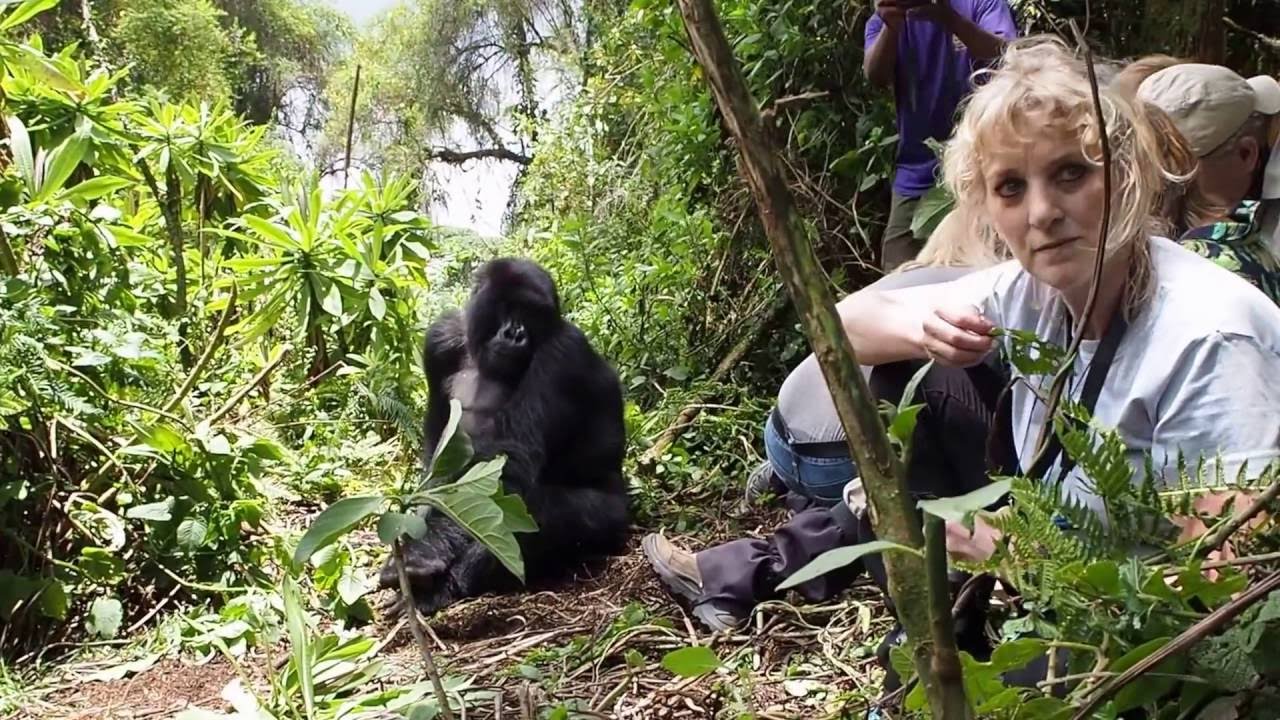
Mountain gorillas are the soul of Volcanoes National Park. As I watched my first silverback sitting quietly among the bamboo, I realized why conservation here has been so meticulous. These mountain gorillas are not just animals; they are ambassadors for a fragile ecosystem.
Gorilla trekking is carefully managed. Visitors must stay a safe distance away of 7 meters, and groups of 8 individuals are small to avoid stress on the animals. Each step through the forest reminded me how human actions can either protect or harm. Rangers and guides explained the importance of monitoring gorilla health, observing behaviors, and limiting disease transmission from humans. I noticed that the guides also teach visitors about the mountain gorillas’ social structure, diet, and communication. It made me understand that protecting wildlife requires knowledge, patience, and respect.
SACOLA: Bridging Conservation and Community
During my visit, I met members of the Sabyinyo Community Livelihood Association (SACOLA). They showed me how conservation works beyond ranger patrols. SACOLA empowers local communities with resources, education, and sustainable livelihoods.
Walking through the nearby village, I saw projects funded by tourism revenue, including schools, clean water programs, and agricultural training. Families proudly explained how they no longer rely on the forest for firewood or bush meat. I realized that conservation succeeds when local people benefit directly. Protecting mountain gorillas and forests becomes not a restriction but an opportunity.
Cultural Heritage and Tourism
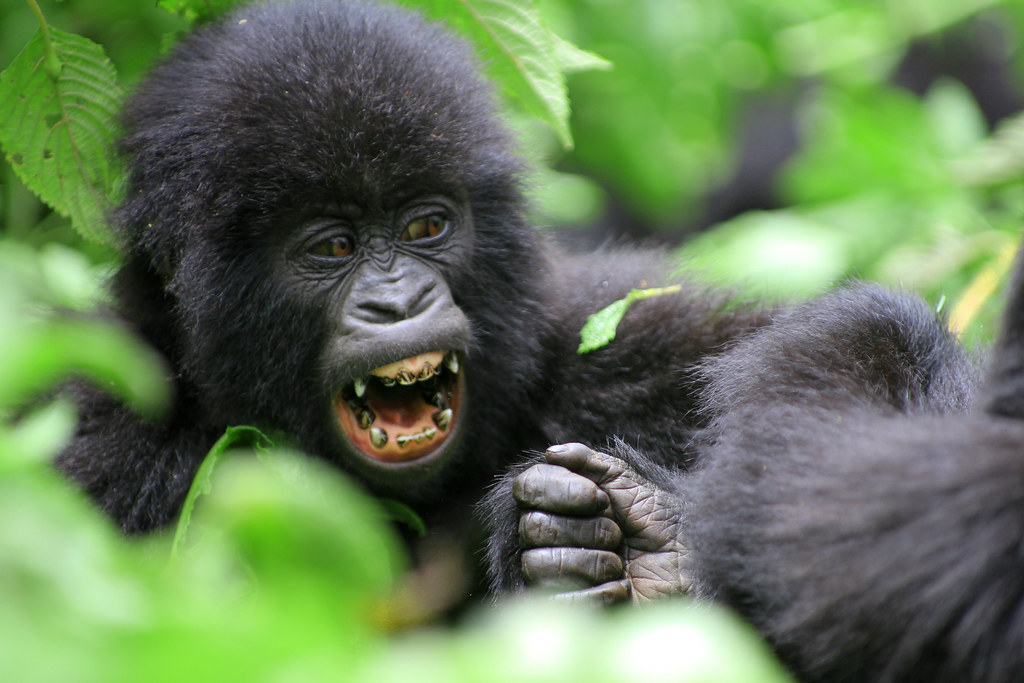
One afternoon, I visited the Gorilla Guardian village and I watched the drumming performances and traditional Intore dances, replicas of a palace from Rwanda, demonstrations of traditional crafts including pottery, banana brew, and millet grinding, bow and arrow instruction and discussions with a traditional healer and opportunities for tourists to take part in everyday tasks like cooking and gardening. These experiences were not only entertaining but enlightening. They highlighted that cultural preservation and environmental conservation are inseparable. When communities value their heritage, they value the land that supports it.
I also had an opportunity buy souvenirs being sold by the local people through this they are able to get income that they use to fulfill their basic needs therefore diverting their minds from practicing poaching.
Conservation Through Public Health
One of the most inspiring initiatives I witnessed was the integration of public health and conservation. The Conservation Through Public Health program works to improve sanitation, provide medical care, and educate communities about disease prevention. I learned that when people near the park are healthier, mountain gorillas are safer. Diseases can transfer from humans to mountain gorillas, so reducing human illness directly protects wildlife.
I visited a clinic supported by the program and saw families receiving vaccinations, health guidance, and clean water access. The smiles on children’s faces reminded me that conservation is about saving lives—both human and animal.
Anti-Poaching Patrols: Guardians of the Forest
Early one morning, I joined a patrol team. The rangers moved silently through thick undergrowth, checking for snares and signs of illegal activity. I realized how dangerous and demanding their work is. They protect mountain gorillas, golden monkeys, and other wildlife, while also engaging with communities to prevent conflicts.
The rangers explained that vigilance is crucial. Even a single poaching incident could endanger the fragile population of mountain gorillas. Observing them, I felt gratitude for these individuals who dedicate their lives to safeguarding nature.
Youth Engagement and Education
Volcanoes National Park invests heavily in youth programs. I met a group of young conservation leaders trained to monitor biodiversity, educate their peers, and manage sustainable farming practices. They spoke passionately about protecting forests, planting trees, and reducing human-wildlife conflicts.
By engaging youth, the park builds long-term stewardship. These young people are not just observers; they are active participants shaping the future of conservation. I could feel their energy and commitment, and it gave me hope that the park’s mission will continue for generations as some of them are employed as porters, rangers so they are able to earn a living so they protect the habitats and wildlife in Volcanoes National Park.

Scientific Research: Knowledge Protects Life
Every visit to Volcanoes National Park reinforces the importance of research. Scientists track gorilla families, monitor habitats, and study environmental changes. I witnessed teams collecting data on plants and wildlife, and even using technology like GPS and drones to map forest health.
Research informs decisions about anti-poaching patrols, habitat restoration, and tourism management. The park relies on both traditional observation and modern technology. When I saw the coordination between researchers and rangers, I understood that knowledge is one of the strongest tools in conservation.
Global Partnerships Strengthen Conservation
Volcanoes National Park thrives because of collaboration. Organizations like the Dian Fossey Gorilla Fund provide research support, anti-poaching expertise, and educational programs. The African Wildlife Foundation supports youth programs and community-based initiatives. I even learned about smaller projects, like those providing sustainable agriculture training to reduce human pressure on the forest.
These partnerships bring funding, expertise, and global attention. Visiting the park made me realize that local conservation alone cannot succeed; global support amplifies impact and ensures long-term sustainability.
Wildlife beyond Mountain Gorillas
While mountain gorillas are the star attraction, Volcanoes National Park hosts many other species. I spotted golden monkeys moving swiftly through bamboo thickets. Forest elephants occasionally roam the lower slopes, and buffalo and duikers quietly inhabit dense vegetation. Over 150 bird species add color and music to the forest, making it a paradise for ornithologists.
Witnessing this biodiversity firsthand reinforced a key lesson: every species matters. Conservation cannot focus on one animal alone. Each plant and creature plays a role in the ecosystem, from seed dispersal to predator-prey balance.
Human-Wildlife Conflict Solutions
Living near a national park brings challenges. Crops can be damaged by wildlife, and communities sometimes feel tension. I visited farms with protective fencing and early-warning systems designed to prevent conflict. These strategies maintain safety for both people and animals. The park supports alternative livelihoods, including sustainable agriculture, crafts, and tourism opportunities, so communities thrive without harming the forest.
These solutions reminded me that conservation is not about exclusion. It is about coexistence and shared benefit.
Technology in Conservation
Volcanoes National Park also embraces innovation. Rangers use mobile apps to report threats. Scientists rely on environmental DNA and satellite imagery to monitor wildlife. Community members assist with mapping and data collection, becoming part of the conservation network.
Technology does not replace boots on the ground. Instead, it enhances efficiency, improves accuracy, and allows faster response to threats. I was impressed by how seamlessly traditional and modern approaches complement each other.
Conservation through Tourism
Tourism in Volcanoes National Park directly supports conservation. Gorilla trekking fees, cultural experiences, and guided walks all generate revenue for wildlife protection and community development. During my stay, I saw how funds go to schools, clinics, and local infrastructure. Tourism is not just an economic engine; it is a conservation tool. By creating value for wildlife and habitats, people have strong reasons to protect them.
Looking Ahead: A Model for the World
Volcanoes National Park demonstrates that conservation succeeds when it integrates people, science, and wildlife. Programs focusing on health, youth engagement, technology, and community participation ensure sustainability. Global partnerships amplify local efforts, and tourism revenue creates tangible incentives for protection.
Leaving the park, I felt inspired. Conservation here is not a distant ideal; it is lived every day. Every ranger, guide, youth leader, and family contributes to a shared mission: to protect Rwanda’s forests, wildlife, and culture. Visitors like me become witnesses and participants, carrying lessons home and supporting a model that the world can learn from.

Tourism as a conservation tool.
Tourism in Volcanoes National Park directly supports wildlife and community. Gorilla Trekking in Rwanda, cultural experiences and guided forest walks generate revenue for anti-poaching efforts, infrastructure, schools and health services.
Visitors contribute directly to community-based conservation in Rwanda, creating initiatives for locals to protect habitats and wildlife. Every trekking experience becomes part of a larger conservation strategy.
The future of conservation in Volcanoes National Park.
The future of Volcanoes National Park conservation is promising. Integrated strategies connecting research, youth engagement, public health and community programs ensure sustainability. Partnership with the Dian Fossey Gorilla Fund, African Wildlife Foundation Rwanda, and SACOLA Rwanda strengthen local and global support.
Leaving the park, I understood that conservation here is not a distant idea. It is living, evolving system where humans, wildlife, and nature thrive together. Gorilla trekking in Rwanda is not just a visit, it is participation in a successful conservation story that inspires the world.
In Conclusion.
Volcanoes National Park is more than a place to see mountain gorillas. It is a living laboratory for conservation. Its integrated strategies, community-focused initiatives, and global partnerships show that protecting nature and supporting people can succeed together. Visiting the park, I understood that conservation requires dedication, collaboration, and creativity. The lessons here apply far beyond Rwanda. They remind us that nature thrives when humans act with respect, care, and vision.