
Anti-Poaching Efforts in Volcanoes National Park
Anti-poaching efforts in Volcanoes National Park form the backbone of mountain gorilla conservation in Rwanda and remain one of the most structured wildlife protection systems in Africa. While the park is globally recognized for exceptional gorilla trekking experiences, its real strength lies in the daily anti-poaching operations that protect wildlife long before visitors step into the forest. Every successful trek depends on a secure environment created by trained rangers, conservation planners, veterinary experts, and supportive communities working together with discipline and purpose.
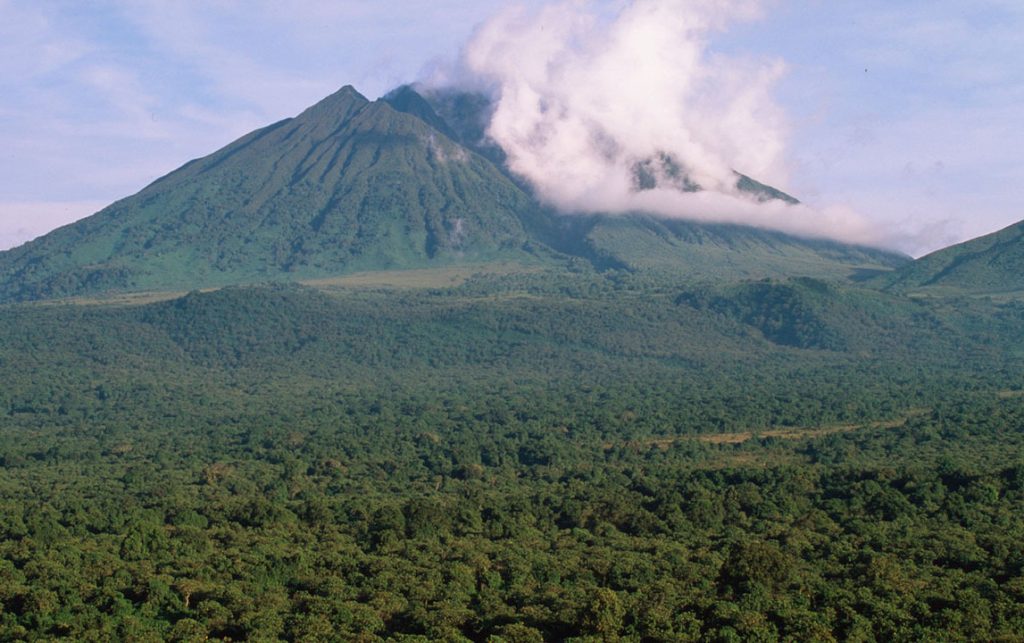
Volcanoes National Park protects a critical portion of the Virunga Massif, one of the last remaining habitats of endangered mountain gorillas. This ecosystem includes bamboo forest, montane woodland, open grassland, and volcanic slopes that provide food and shelter for gorillas and other wildlife. However, the park borders densely populated farming communities, which makes conservation complex and demanding. Anti-poaching strategies must address not only illegal hunting but also habitat pressure, boundary management, and community welfare.
Rwanda’s conservation approach combines strong enforcement, reliable tourism revenue, intelligence gathering, veterinary care, community engagement, and cross-border cooperation. This balanced and proactive system ensures that anti-poaching efforts remain consistent throughout the year. Protection in Volcanoes National Park is not temporary. It is a long-term commitment built on planning, persistence, and shared responsibility.
 The Historical Poaching Threat That Once Pushed Mountain Gorillas toward Extinction
In earlier decades, poaching posed a serious threat to wildlife in the Virunga region. Although mountain gorillas were rarely hunted directly for bushmeat, they frequently became victims of snares set for antelope and other small animals. These wire traps caused painful injuries, infections, and long recovery periods. Some gorillas lost limbs or suffered permanent damage. The indirect impact of poaching was devastating and deeply concerning for conservationists.
Political instability in the wider region weakened enforcement systems and reduced ranger presence in protected forests. During those difficult years, illegal hunting, timber harvesting, and land encroachment increased. As a result, mountain gorilla numbers declined sharply and approached critical levels. Conservation organizations raised alarms about the possible extinction of this iconic species.
In response, Rwanda strengthened its ranger force, improved patrol planning, and invested tourism revenue into conservation. Structured anti-poaching programs were introduced with clear goals and measurable outcomes. These reforms marked the beginning of a stronger and more organized protection era for Volcanoes National Park.
Daily Ranger Patrol Operations That Form the First Line of Defense
Ranger patrols operate daily across the rugged landscape of Volcanoes National Park. Teams move through bamboo zones, open forest, volcanic slopes, and remote valleys to monitor gorilla groups and search for illegal activity. Patrol routes are carefully mapped to cover both core gorilla habitats and boundary areas where threats are more likely.
Rangers remove snares, destroy traps, and document any signs of unauthorized entry. Each patrol records detailed data that helps park management identify patterns and improve coverage. This regular presence discourages illegal hunting and increases forest security. Consistency is one of the strongest tools in anti-poaching operations.
Rangers also receive training in wildlife tracking, first aid, navigation, and emergency response. Their close knowledge of gorilla family locations allows them to react quickly if an injury or disturbance is detected. Patrol teams work in all weather conditions and often hike long distances to ensure no section of the park is neglected. Their dedication remains central to conservation success.
Intelligence and Community Collaboration Strengthening Prevention Efforts
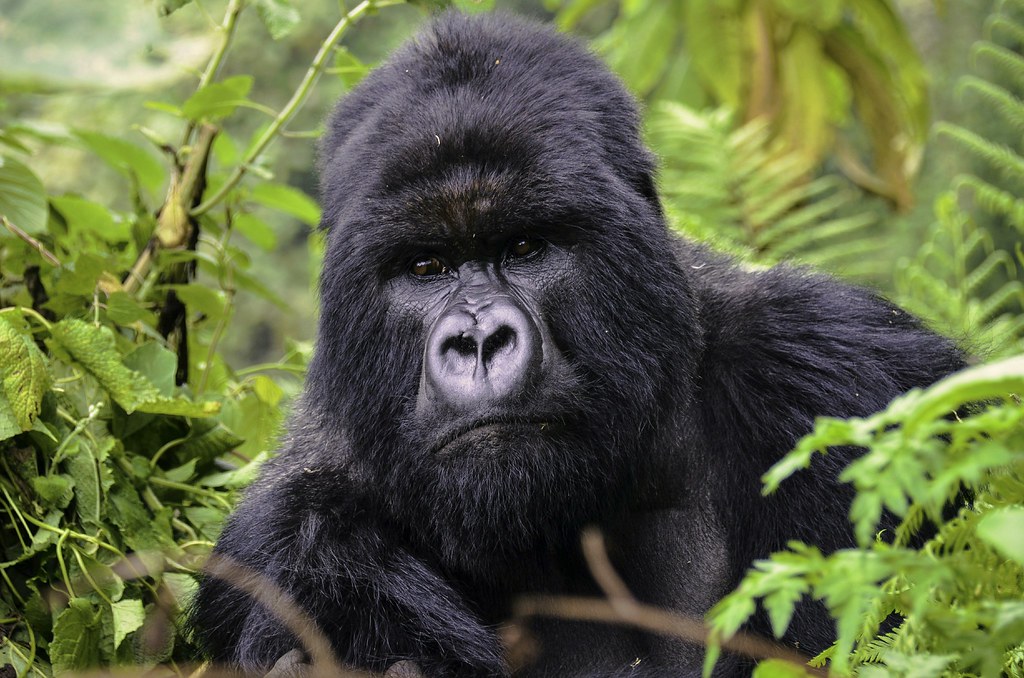
Modern anti-poaching strategies rely on more than physical patrols. Community collaboration plays an important role in preventing illegal activities before they happen. Rwanda’s conservation model promotes cooperation between park authorities and surrounding villages. This partnership approach builds trust and encourages shared responsibility.
Local residents benefit from tourism revenue-sharing programs that fund schools, health centers, roads, and clean water projects. When communities see clear benefits from conservation, they are more likely to protect wildlife. Suspicious activities are often reported early, allowing authorities to respond quickly.
Education programs also raise awareness about the importance of mountain gorilla protection and environmental conservation. Young people learn about the value of preserving natural heritage. This long-term investment in awareness reduces future risks.
By aligning local livelihoods with conservation goals, Volcanoes National Park strengthens anti-poaching efforts beyond its boundaries. Prevention becomes more effective when communities are active partners rather than passive observers.
Veterinary Response to Snare Injuries Saving Lives in the Forest
Despite strong patrol coverage, occasional snares still appear in forested areas. When a gorilla becomes trapped, rapid veterinary response is essential. Specialized veterinary teams monitor gorilla health and intervene when injuries occur. Their work is precise and carefully coordinated with ranger patrol units.
Once an injured gorilla is identified, veterinarians travel into the forest with tracking teams. They safely immobilize the animal if necessary, remove the snare, clean the wound, and administer medication. Early treatment prevents infection and long-term complications. Many gorillas have fully recovered due to quick intervention.
These veterinary operations require funding, equipment, and trained personnel. Gorilla trekking permits directly support this work, linking tourism to conservation impact. Visitors may not witness these medical missions, but they play a critical role in mountain gorilla survival.
The integration of patrol detection and veterinary care demonstrates a complete anti-poaching system. Protection does not end with removing a trap. It continues until the injured animal heals and rejoins its family safely.
Cross-Border Security Cooperation Protecting the Entire Virunga Ecosystem
Mountain gorillas move freely across national borders within the Virunga Massif. For this reason, anti-poaching efforts must extend beyond a single country. Rwanda works closely with Uganda and the Democratic Republic of Congo to strengthen regional security and monitoring.
Joint patrols, shared intelligence, and coordinated training programs improve protection across the ecosystem. Information exchange allows authorities to track illegal networks and respond to threats that cross boundaries. Cooperation increases efficiency and reduces gaps in surveillance.
Regional collaboration also supports consistent conservation policies. When neighboring countries apply similar protection standards, wildlife benefits from unified management. This approach strengthens stability within the entire mountain gorilla habitat.
Cross-border cooperation shows that conservation success depends on partnership. Wildlife does not recognize political borders, so protection efforts must remain equally flexible and coordinated.
Technology and Monitoring Advancements Improving Modern Anti-Poaching Strategy
Technology plays a growing role in anti-poaching operations within Volcanoes National Park. GPS tracking devices help record patrol routes and analyze coverage. Communication equipment allows rapid reporting between ranger teams and headquarters.
Long-term data collection improves planning and resource allocation. Managers study trends in illegal activity and adjust patrol intensity in high-risk areas. This data-driven system makes protection more proactive.
Digital record keeping also supports transparency and accountability. Conservation strategies can be evaluated and refined based on clear evidence. Technology enhances decision-making while supporting traditional field expertise.
Although modern tools improve efficiency, the human element remains central. Rangers, veterinarians, and community partners continue to lead daily operations. Technology simply strengthens their effectiveness. Together, innovation and experience form a balanced and reliable anti-poaching framework.
The Role of Regulated Tourism in Funding and Reinforcing Protection
Regulated tourism supports anti-poaching efforts in a direct and practical way. By limiting visitor numbers and maintaining premium permit pricing, Rwanda ensures steady funding for conservation. This high-value model protects the ecosystem from overcrowding while generating essential revenue.
Tourism income pays for ranger salaries, equipment, training programs, and veterinary operations. It also supports community development projects that reduce pressure on forest resources. When conservation creates economic opportunity, local support increases.
The presence of authorized tourists also adds indirect monitoring. Guided trekking groups move through designated routes, increasing visibility within the forest. Illegal activities become more difficult to hide in areas with regular movement.
This careful balance between tourism and conservation strengthens long-term sustainability. Gorilla trekking remains a powerful conservation tool when managed responsibly and strategically.
Measurable Impact on Gorilla Survival and Population Recovery
Anti-poaching efforts in Volcanoes National Park have delivered measurable results. Mountain gorilla populations have increased from dangerously low numbers in past decades. Strong enforcement, veterinary care, and community cooperation all contributed to this recovery.
Snare injuries have declined due to frequent patrols and removal campaigns. Rapid response teams reduce long-term harm when incidents occur. Gorilla families now experience greater stability and protection.
Population monitoring programs track births, group movements, and health indicators. These records provide clear evidence of progress. Conservation success is not based on assumption but on documented data.
The park now stands as a stronghold within the broader Virunga ecosystem. Continued vigilance ensures that gains are maintained and expanded. Anti-poaching operations remain central to this positive trend.
Ongoing Challenges and Future Vigilance for Lasting Conservation
Despite progress, challenges remain. The park borders agricultural land, and population growth increases resource pressure. Economic hardship can create incentives for illegal activities if support systems weaken.
Climate change may also affect forest conditions and wildlife patterns. Shifts in rainfall or vegetation could introduce new management concerns. Regional instability remains another potential risk.
Maintaining well-trained rangers, reliable funding, and strong community partnerships is essential. Investment in equipment, intelligence systems, and cross-border cooperation must continue.
Conservation success requires long-term commitment. Anti-poaching efforts cannot pause or relax. Vigilance, adaptability, and collaboration will determine the future of mountain gorillas in Volcanoes National Park.
Final Reflections on Rwanda’s Conservation Commitment
Anti-poaching efforts in Volcanoes National Park represent a comprehensive and disciplined protection system. Ranger patrols, veterinary teams, intelligence networks, regional cooperation, and regulated tourism work together in a unified framework.
The recovery of mountain gorillas reflects decades of dedication and structured planning. Without daily protection, progress would quickly reverse. Strong governance and steady financing have transformed conservation challenges into measurable success.
Volcanoes National Park stands as an example of how determined action can protect endangered species. Sustained commitment ensures that mountain gorillas remain secure for future generations.

Support Protection through Responsible Travel and Sustainable Tourism
VolcanoesNationalPark organizes professionally managed gorilla trekking experiences that directly contribute to anti-poaching funding and conservation support in Volcanoes National Park. Every permit secured helps finance ranger patrols, veterinary care, habitat monitoring, and community programs.
Choosing responsible travel strengthens wildlife protection. Visitors become part of a system that values sustainability and ecological balance.
If you want your journey to support one of Africa’s strongest conservation models, contact VolcanoesNationalPark.com today. A carefully planned itinerary can combine unforgettable wildlife encounters with meaningful conservation impact.