
1-Day Mount Bisoke Hiking Expedition at Volcanoes National Park
A 1-day hike to Mount Bisoke offers one of the most rewarding and time-efficient adventure experiences in Rwanda. Situated within the scenic Volcanoes National Park, this itinerary is perfectly designed for travelers who have limited time but still want to experience Rwanda’s iconic volcanic landscapes and rich natural environment.
Mount Bisoke, part of the Virunga mountain range, is renowned for its beautiful crater lake at the summit and its diverse vegetation zones that unfold as you ascend. Rising to approximately 3,711 meters, the mountain provides a complete hiking experience within a single day—making it an excellent option for visitors who may not have the flexibility for multi-day treks but still desire a meaningful and adventurous encounter with nature.
The area is also home to a range of wildlife species, including the endangered mountain gorillas. Although this is not a dedicated gorilla trekking experience, hikers occasionally encounter these primates along the forested slopes. Such sightings are rare and entirely dependent on chance, but they add an exciting and unpredictable dimension to the journey.
This short yet immersive expedition is particularly suitable for travelers on tight schedules, business visitors with a free day, or those combining multiple safari activities within a limited itinerary. Starting and ending in Kigali, the trip is carefully structured to maximize time while delivering an unforgettable journey through Rwanda’s dramatic volcanic scenery.
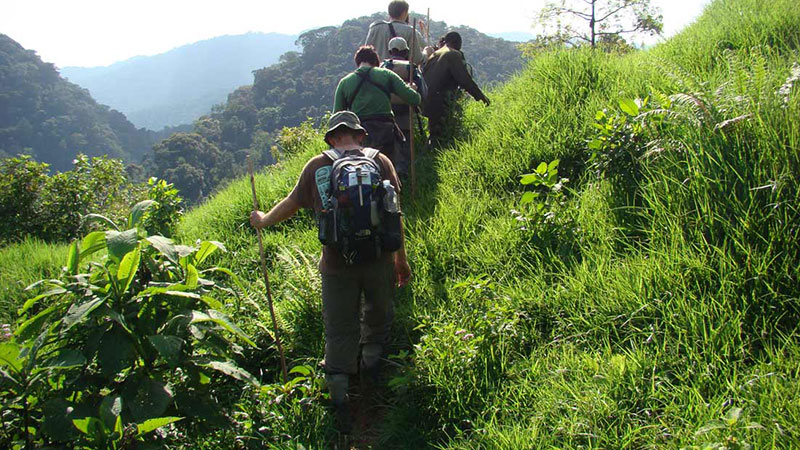 Trip Overview of 1-Day Mount Bisoke Hiking Expedition at Volcanoes National Park, Rwanda
- 04:30 AM – Early morning departure from Kigali
- 07:30 AM – Arrival at Kinigi headquarters, registration, and briefing
- 08:00 AM – Start of the hike with professional ranger guides
- 12:00–01:00 PM – Arrival at the summit and crater lake exploration
- 01:30 PM onward – Descent back to base
- 03:30–04:30 PM – Lunch and optional activities (time permitting)
- Late Afternoon/Evening – Return to Kigali
Detailed Day-by-Day Itinerary
Early Morning Departure from Kigali (04:30 AM)
Your adventure begins well before sunrise with a pick-up from your hotel or Kigali International Airport. The early start is essential to allow enough time for the hike and to take advantage of favorable morning conditions on the mountain.
The drive from Kigali to the park headquarters in Kinigi typically takes between two to three hours. Along the way, you will pass through Rwanda’s iconic countryside, often referred to as the “Land of a Thousand Hills.” The journey itself is a highlight, offering scenic views of rolling hills, terraced farmland, and small rural communities beginning their day.
As the sun rises, the changing light casts a golden glow over the landscape, creating excellent opportunities for photography even before the hike begins. The cool morning air and quiet surroundings contribute to a calm and reflective start to the day.
Arrival, Registration, and Briefing at Kinigi (07:30 AM)
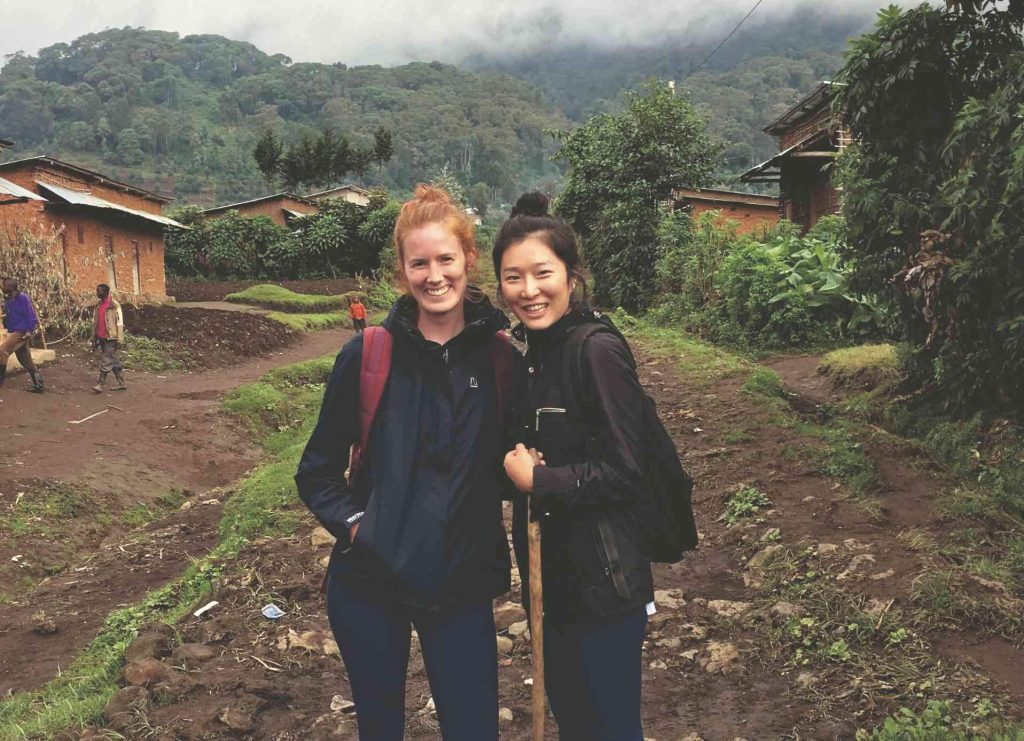
Upon arrival at the park headquarters near Musanze, you will complete registration procedures required for all visitors entering Volcanoes National Park.
You will then be assigned to a hiking group and introduced to your ranger guide. These guides are highly experienced and knowledgeable about the mountain, ensuring both your safety and an informative experience throughout the trek.
Then the park rangers conduct a comprehensive briefing session. This briefing is a crucial part of the experience, as it prepares you for the physical and environmental conditions you will encounter during the hike. Topics covered include: Trail conditions and expected duration, safety guidelines and emergency procedures, altitude awareness and pacing strategies, responsible behavior in wildlife habitats among others
Beginning the Hike – Lower Slopes and Farmland (08:00 AM)
After the briefing, the hike officially begins at the foothills of Mount Bisoke. The initial section of the trail passes through cultivated farmland, where local communities grow crops such as potatoes and maize. This part of the journey provides insight into the relationship between local livelihoods and the surrounding natural environment.
The terrain here is relatively gentle, allowing hikers to warm up before reaching steeper sections. As you leave the farmland behind, the transition into the protected forest zone becomes evident, marked by a noticeable change in vegetation and temperature.
Into the Forest – Bamboo and Rainforest Zones
As you continue, the trail leads into a dense bamboo forest, one of the defining features of the lower slopes of Mount Bisoke. This area is particularly important for wildlife, and hikers may hear the sounds of birds and other animals moving through the vegetation.
Beyond the bamboo zone, the landscape shifts again into thick montane rainforest. Here, the trail becomes steeper and more challenging, often requiring careful footing due to mud and uneven terrain. The forest canopy creates a cool, shaded environment, and mist is common, adding a mysterious and atmospheric quality to the hike.
Your guide will share insights about the flora and fauna found in this region, as well as the conservation efforts that help protect this unique ecosystem. This section of the hike is both physically demanding and visually captivating, offering a true immersion into the natural environment.
Mid-Hike Experience – Increasing Altitude and Changing Conditions
As you gain elevation, the air becomes cooler and thinner, and the vegetation gradually changes. This transitional zone is characterized by a mix of shrubs, moss-covered trees, and open spaces that provide occasional glimpses of the surrounding landscape.
Hikers are encouraged to maintain a steady pace and take short breaks as needed. The guide will monitor the group’s progress and ensure that everyone is comfortable and safe.
This part of the journey is often considered one of the most beautiful, as the combination of mist, greenery, and silence creates a peaceful and almost surreal atmosphere.
Reaching the Summit – The Crater Lake Experience
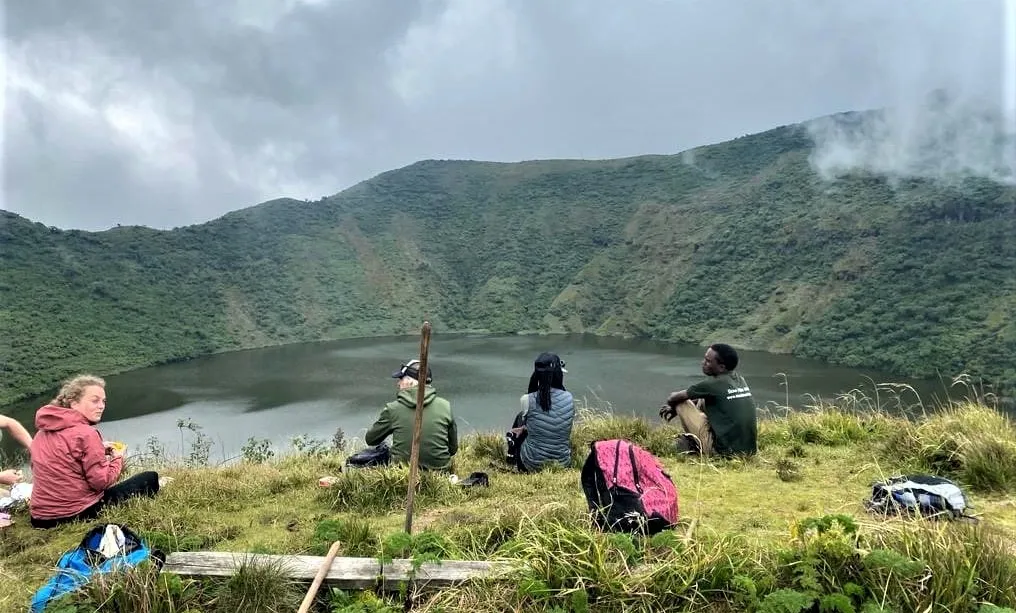
After approximately four hours of hiking, you will reach the summit of Mount Bisoke. At the top lies a stunning crater lake, surrounded by steep volcanic walls that rise dramatically from the water’s edge.
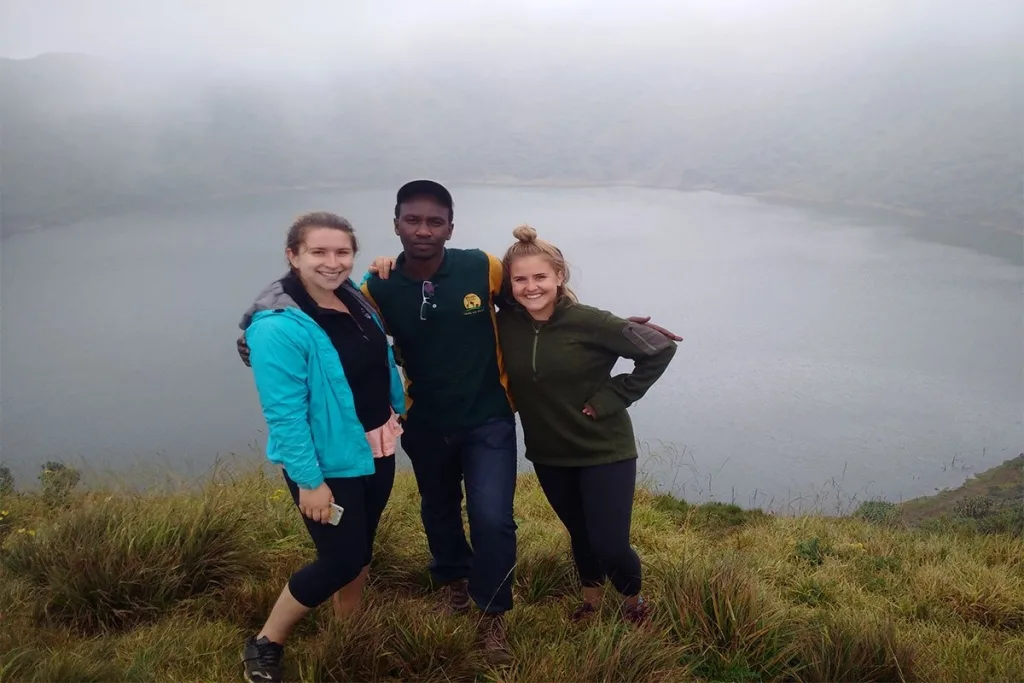
The summit experience is both rewarding and memorable. Depending on the weather, the lake may be fully visible or partially shrouded in mist, creating a mystical and ever-changing view. On clear days, hikers can enjoy panoramic views of the Virunga mountain range and the surrounding landscapes.
You will have time to rest, take photographs, and enjoy a packed snack while soaking in the beauty of the location. Due to the high altitude, temperatures at the summit can be quite cold, and strong winds are common, so warm clothing is essential.
Descent Back to Base
After spending time at the summit, the descent begins along the same trail used for the ascent. While going downhill is generally faster, it requires caution, especially on slippery or muddy sections.
The descent typically takes about two hours and offers a different perspective of the landscape. As you move back through the various ecological zones, you may notice details that were less visible during the climb.
By the time you reach the base, you will have completed a physically demanding but incredibly fulfilling journey.
Lunch and Optional Activities
At the end of your hike, you will meet your driver-guide and enjoy a well-earned, relaxing lunch as you take in the surroundings and recover from your adventure. Afterward, depending on your energy levels and the time available, you can choose from a range of optional activities that highlight the natural beauty, culture, and conservation efforts of the region.
A visit to the Ellen DeGeneres Campus of the Dian Fossey Gorilla Fund offers a meaningful and educational experience. Here, you will learn about ongoing conservation programs, groundbreaking research on mountain gorillas, and the continued legacy of Dian Fossey’s work. The modern facility provides interactive exhibits and a deeper understanding of efforts to protect these endangered primates.
For those interested in culture, a trip to Iby’iwacu Cultural Village presents an engaging opportunity to explore Rwanda’s traditions. Visitors can enjoy energetic performances of traditional music and dance, discover ancient customs, and participate in hands-on cultural activities guided by local community members.
Alternatively, a short visit to Musanze town allows you to experience the rhythm of local life. You can stroll through small markets, interact with residents, and get a glimpse of the everyday culture in this vibrant northern Rwandan town
Return to Kigali (Late Afternoon/Evening)
In the late afternoon, you will begin the return journey to Kigali. The drive back provides an opportunity to relax and reflect on the day’s experiences. Arrival in Kigali is expected in the early evening, marking the end of your Mount Bisoke adventure.

Safari Package Information
What Is Included
- Professional English-speaking driver-guide
- Permits for the Mount Bisoke hike
- Lunch during the excursion
- Cultural visit to Iby’iwacu Cultural Village
- All activities outlined in the itinerary
- Ground transportation and airport transfers
- Comfortable 4×4 safari vehicle
What Is Not Included
- Accommodation
- Personal shopping and souvenirs
- Tips and gratuities
- Visa fees and airport taxes
- Flights (international and domestic)
- Drinks and personal expenses
- Any services not specifically mentioned
Packing Guide for Mount Bisoke
- Waterproof Hiking Boots
Sturdy waterproof hiking boots are essential for safely navigating rugged terrain that can be steep, wet, and slippery. Opt for a pair with excellent traction and firm ankle support to reduce the risk of slips and injuries. Well-fitted boots also improve comfort, helping you move more confidently and steadily throughout the hike. - Layered Clothing
Dressing in layers is the best way to manage changing mountain weather conditions. Begin with a moisture-wicking base layer, add a warm insulating layer like fleece, and finish with a lightweight outer layer. This system allows you to easily adjust your clothing to stay warm or cool as needed. - Waterproof Rain Jacket
A reliable waterproof rain jacket is crucial because mountain weather can shift quickly, bringing unexpected rain or mist. A good jacket keeps you dry, blocks wind, and helps maintain body heat. It ensures you remain comfortable and protected even when conditions become wet or unpredictable. - Warm Gloves
Insulated gloves are important for keeping your hands warm during cold or damp sections of the hike. They also protect your skin from rough surfaces and help maintain grip when using walking aids or climbing. Comfortable gloves improve safety and make trekking in chilly conditions much easier. - Hat or Cap
A lightweight hat or cap helps shield your face from direct sunlight during exposed parts of the trail. It reduces sun exposure, prevents overheating, and adds comfort during long hours of walking. Choosing a breathable design ensures proper airflow while still offering effective sun protection. - Sunscreen
Sunscreen is necessary even in cool or cloudy weather because UV exposure increases with altitude. Applying a high-protection sunscreen helps prevent sunburn and long-term skin damage. Regular reapplication ensures continuous protection, especially during extended time spent outdoors on the hike. - Drinking Water
Carrying an adequate supply of water is vital for staying hydrated during the physically demanding trek. Hiking at altitude can quickly lead to fatigue if fluids are not maintained. Frequent sips of water help sustain energy levels and support overall endurance throughout the journey. - Energy Snacks
High-energy snacks such as nuts, dried fruit, or protein bars are important for maintaining stamina. These quick and lightweight food options provide instant fuel during breaks. Eating small amounts regularly helps prevent exhaustion and keeps your energy levels stable during the hike. - Daypack (Small Backpack)
A well-fitted daypack is needed to carry your essentials comfortably, including water, snacks, and extra clothing. A lightweight design with padded straps improves balance and reduces strain. Keeping your gear organized in a daypack makes the hike more convenient and efficient. - Camera or Smartphone
A camera or smartphone allows you to capture the incredible scenery along the trail, including lush vegetation, wildlife, and volcanic landscapes. These memories are worth preserving, and photos help you share and relive the experience long after the hike is complete. - Walking Stick (Optional)
A walking stick provides extra stability on uneven or steep paths, reducing pressure on your legs and improving balance. It is especially helpful in slippery conditions. Though optional, it can significantly increase comfort and confidence during challenging parts of the hike. - Waterproof Backpack Cover (Optional)
A waterproof cover for your backpack helps protect your belongings from rain and moisture. It is lightweight, easy to use, and ensures that clothing, electronics, and other essentials remain dry. This simple accessory adds an extra layer of protection during unpredictable weather.
With these essentials packed, you’ll be well prepared to enjoy a safe, comfortable, and memorable experience on Mount Bisoke
Best Time to Hike Mount Bisoke
The most favorable times to hike Mount Bisoke are during the dry seasons from June to September and December to February. These periods offer more stable trail conditions and clearer views.
However, the mountain is accessible year-round, and the rainy seasons bring lush vegetation and dramatic misty landscapes, offering a different but equally captivating experience.