
1-Day Mount Bisoke Hiking Adventure at Volcanoes National Park, Rwanda.
The 1-day hiking experience to Mount Bisoke is one of the most rewarding outdoor adventures in Rwanda, offering travelers a chance to explore the dramatic volcanic landscapes of the Virunga chain within Volcanoes National Park. This experience is designed for active travelers who enjoy physical challenge, scenic exploration, and immersive nature encounters rather than traditional game drives.
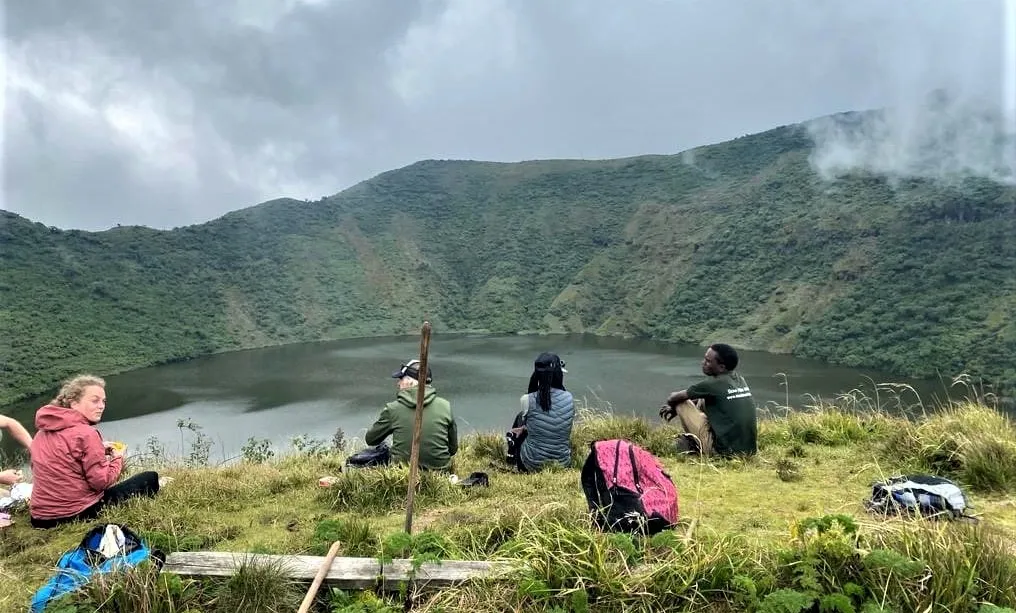
Mount Bisoke is an extinct volcano famous for its stunning crater lake at the summit and its rich biodiversity. The mountain lies within a habitat that is also home to endangered mountain gorillas, and although sightings are not guaranteed, lucky hikers may unexpectedly encounter them during the trek, especially in the forested lower slopes. This makes the hike not only a scenic adventure but also a rare wildlife experience.
The journey begins very early in the morning from Kigali or nearby areas, followed by a drive to Kinigi for briefing before starting the ascent. The hike passes through multiple ecological zones, including farmland, bamboo forest, dense rainforest, and alpine vegetation. The climb is physically demanding but highly rewarding, ending with breathtaking views at the crater lake before descending back to base and returning to Kigali.
1-Day Mount Bisoke Hiking Adventure at Volcanoes National Park
Trip Overview of 1-Day Mount Bisoke Hiking Adventure at Volcanoes National Park, Rwanda.
- 4:30 AM: Departure from Kigali or Kigali International Airport
- 7:30 AM: Registration and briefing at Kinigi Headquarters
- 8:00 AM: Start of Mount Bisoke ascent with ranger guides
- Midday: Reach summit and crater lake exploration
- Afternoon: Descent back to base, lunch
- Late afternoon: Return transfer to Kigali
Detailed Itinerary of 1-Day Mount Bisoke Hiking Adventure at Volcanoes National Park, Rwanda.
Early Morning Departure from Kigali (4:30 AM).
The adventure begins very early with pick-up from your hotel in Kigali or directly from Kigali International Airport. Travelers are advised to rest well the night before due to the early departure. The drive toward the northern region takes approximately 2 to 3 hours, passing through Rwanda’s famous rolling hills, terraced farms, and rural communities. As dawn breaks, the scenery becomes more dramatic, offering a peaceful and scenic introduction to the hiking experience ahead.
Arrival and Registration at Kinigi Headquarters (7:30 AM).
Upon arrival at Kinigi, hikers proceed with registration and meet park rangers who provide a detailed safety briefing. This session is important as it prepares participants for altitude changes, terrain conditions, and hiking expectations. Groups are formed and assigned ranger guides who accompany hikers throughout the entire climb. This is also the moment where hikers receive final instructions regarding pacing, weather changes, and wildlife awareness within the forest.
Start of the Hike – Forest Ascent (8:00 AM).
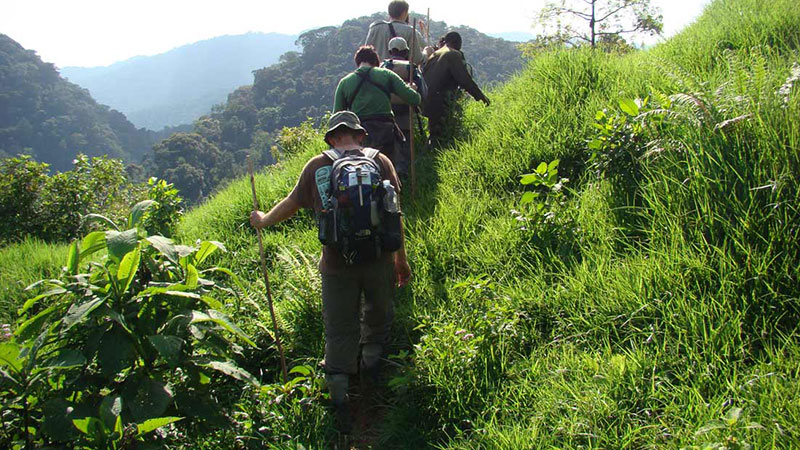
The hike begins at the base trail, gradually moving through farmland before entering the protected forest zone. As the climb progresses, the landscape shifts dramatically from open fields to thick bamboo forest and then into dense rainforest. The trail becomes steeper and more challenging, requiring stamina and steady pacing. Along the way, hikers may hear birds, observe unique vegetation, and occasionally spot wildlife moving through the forest. On rare and lucky occasions, hikers may encounter mountain gorillas in their natural habitat, as Mount Bisoke is part of their extended range.
Mid-Hike Experience – Changing Ecosystems.
As you ascend higher, the environment becomes cooler and more humid, with mist often covering the forest. This section of the hike is especially beautiful due to its untouched vegetation and peaceful atmosphere. The ranger guide shares information about the ecosystem, volcanic history, and wildlife conservation efforts. This part of the journey allows hikers to appreciate the mountain’s ecological diversity while adjusting to altitude changes. This might take 4 hours to reach the summit of Mount Bisoke.
Summit Experience – Crater Lake at the Top.
Reaching the summit is the most rewarding moment of the entire hike. At the top of Mount Bisoke lies a spectacular crater lake surrounded by steep volcanic walls. The view is often partially covered by mist, creating a mystical and unforgettable atmosphere. Hikers can rest, take photographs, and enjoy panoramic views of neighboring volcanoes and forested slopes. The summit is cold and windy, so warm clothing is essential while spending time at the top.
Descent Back to Base.
The descent follows the same trail downward and is generally faster but requires careful footing due to slippery sections. Hikers retrace their steps through the rainforest, bamboo zones, and farmland areas. Although physically easier than the ascent, the downhill walk can be tiring on the knees, so controlled movement is necessary. The return journey also provides another chance to appreciate the natural beauty of the mountain from a different perspective. This can last roughly for 2 hours.
Return to Kigali (Late Afternoon).
After completing the hike, travelers meet their driver-guide who takes them for lunch and if time allow they will do an optional activity and begin the journey back to Kigali. Arrival is expected in the late afternoon or early evening depending on weather and hiking pace. This marks the end of an intense yet unforgettable mountain adventure.
Safari highlight: End of Safari Experience
What the Package Includes
- Services of a professional English-speaking driver-guide
- Permits for the Bioske hike
- Midday lunch during the excursion
- Cultural visit to Iby’iwacu Village experience
- All scheduled activities outlined in the itinerary
- Ground transportation throughout the trip, including airport transfers
- Travel in a well-equipped 4×4 safari vehicle
What the Package Does Not Include
- Hotel or lodge accommodation
- Personal shopping and souvenirs
- Tips and gratuities for guides and staff
- Visa fees and airport-related taxes
- International and domestic flight tickets
- Personal expenses such as beverages and other extras
- Any other item not included in the inclusions
What to Pack for Mount Bisoke Hiking.
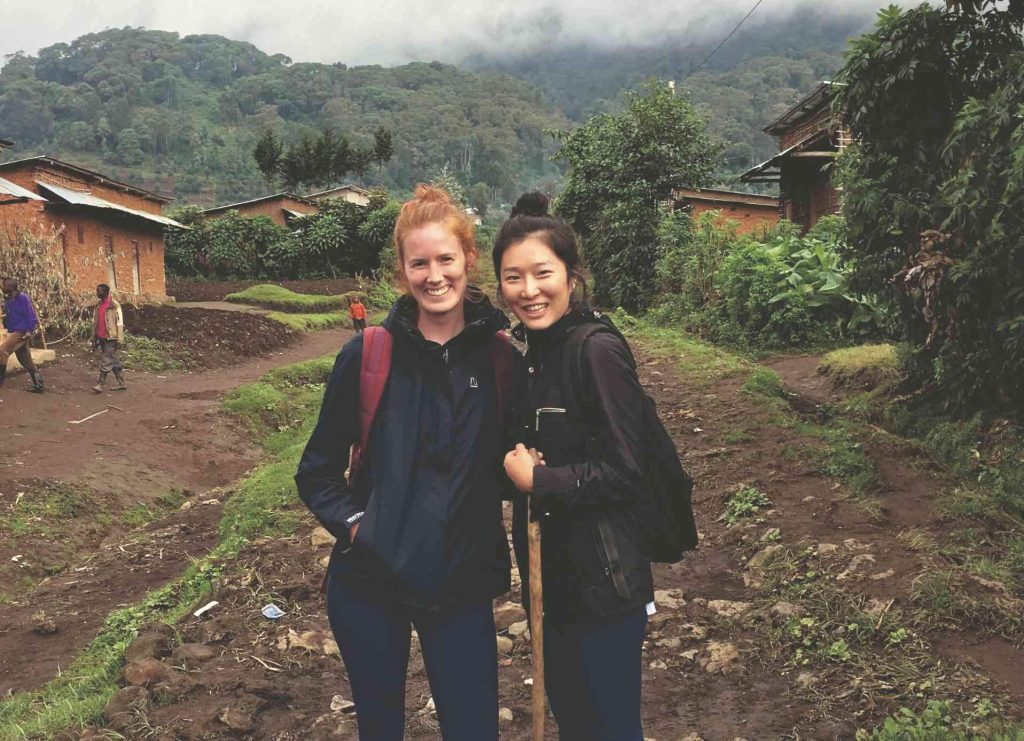
Proper preparation is essential for a successful hike on Mount Bisoke due to its unpredictable weather, steep terrain, and varying altitude inside Volcanoes National Park. Conditions can change rapidly from sunshine to heavy mist or rain, so hikers must be fully equipped for comfort, safety, and endurance.
-
Waterproof Hiking Boots (Essential Gear).
Waterproof hiking boots are the most important item for this hike. The terrain on Mount Bisoke is extremely varied, ranging from muddy forest paths to rocky and steep volcanic slopes. Without proper boots, hikers may struggle with slipping, discomfort, or foot injuries. Good boots provide ankle support, stability, and protection from moisture. Since the hike can last several hours, wearing already broken-in boots is highly recommended to avoid blisters and foot fatigue.
-
Durable Hiking Trousers.
Hiking trousers are necessary because the trail passes through dense vegetation, muddy areas, and thorny plants. They protect your legs from scratches, insect bites, and cold temperatures at higher altitude. Lightweight and breathable materials are ideal because they allow movement and comfort during long climbs. Neutral colors are preferred as they blend naturally into the environment and avoid unnecessary attention from wildlife.
-
Layered Long-Sleeve Clothing.
Layered clothing is very important due to changing temperatures throughout the hike. At the base, it may be warm, but as you ascend, temperatures drop significantly. Long-sleeve shirts help protect against cold winds, sun exposure, and vegetation scratches. Wearing layers allows hikers to adjust clothing depending on weather conditions and physical effort, ensuring comfort throughout the journey.
-
Waterproof Jacket or Rain Gear.
Rainfall and mist are common on Mount Bisoke, making a waterproof jacket essential. The weather can shift suddenly, especially in the rainforest zone. A lightweight rain jacket helps keep you dry and warm without adding bulk. It also protects against wind at higher elevations, particularly near the summit where conditions can be cold and harsh.
-
Gloves for Safety and Grip.
Gloves are highly recommended as they provide protection when climbing steep sections or holding onto vegetation for support. They help prevent cuts, scratches, and cold exposure. During both ascent and descent, gloves improve grip and reduce strain on hands, making the hike safer and more comfortable.
-
Water, Snacks, and Energy Support.
The hike requires good physical stamina, so carrying sufficient water and snacks is essential. Hydration is important due to altitude and exertion, while energy-rich snacks such as fruits, nuts, or energy bars help maintain strength throughout the climb. Proper hydration and nutrition significantly improve hiking performance.
-
Hat, Sunscreen, and Weather Protection.
A hat protects against direct sun exposure during the early stages of the hike, while sunscreen is necessary due to increased UV exposure at higher altitudes. Even when it is cloudy or misty, UV rays can still be strong. These items ensure protection and comfort throughout the day.
-
Camera for Scenic Photography.
A camera or smartphone is highly recommended because Mount Bisoke offers some of the most dramatic landscapes in Rwanda. The Crater Lake at the summit, forest layers, and panoramic views create excellent photography opportunities. Flash photography is unnecessary and should be avoided in natural environments.
Optional Activities after a Bioske Hike in Volcanoes National Park.
After completing an enriching Bioske hike in Volcanoes National Park, many visitors choose to extend their day by exploring the surrounding attractions in northern Rwanda. While the hike is often the main highlight, the Musanze region offers a wide range of cultural, educational, and scenic experiences that can perfectly complement your adventure.
These optional activities are all within easy reach of the Musanze area, making them ideal for travelers who still have time after the trek. Whether your interest lies in conservation learning, cultural immersion, or relaxing in nature, there are plenty of meaningful ways to round off the day.
Conservation Learning at the Ellen DeGeneres Campus.
A visit to the Ellen DeGeneres Campus of the Dian Fossey Gorilla Fund offers an insightful continuation after your Bioske hike. This modern conservation center focuses on protecting mountain gorillas and other primates through research, education, and community engagement.
Inside the facility, visitors can explore interactive displays that explain ongoing scientific work, conservation strategies, and the history of primate protection in the region. It is an inspiring stop that highlights how researchers, conservationists, and local communities collaborate to safeguard endangered wildlife and their habitats.
Cultural Encounter at Gorilla Guardians Village.
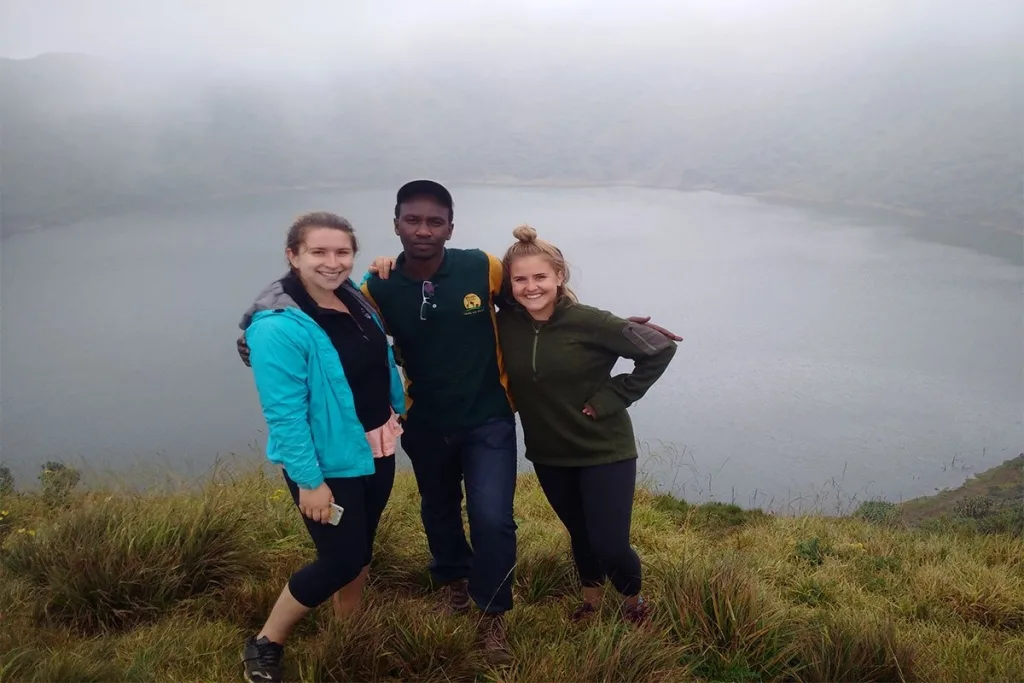
For a deeper appreciation of local traditions, the Gorilla Guardians Village (Iby’iwacu Cultural Village) provides a lively and authentic cultural experience. Iby’iwacu Cultural Village
Here, visitors are welcomed into community-led tourism activities where they can interact with residents and learn about traditional Rwandan life. The experience often includes energetic dance performances, drumming sessions, storytelling, and demonstrations of everyday practices such as cooking and crafting.
This visit not only offers entertainment and cultural insight but also directly supports local livelihoods, making it a socially impactful addition to your Bioske hike experience.
Short Visit to Musanze Town.
Another optional activity is a relaxed stroll through Musanze. This small but vibrant town gives travelers a chance to observe everyday local life, interact with friendly residents, and explore informal markets selling fresh produce and handmade crafts.
It is a simple yet rewarding way to connect with the community and experience the rhythm of daily life in northern Rwanda. This stop is especially convenient for those heading back to Kigali after their Bioske hike.
Best Time for Mount Bisoke Hike.
The best time to hike Mount Bisoke is during Rwanda’s dry seasons, from June to September and December to February. During these months, trails are less slippery, visibility is better, and hiking conditions are more favorable.
However, the mountain remains open throughout the year, and even during rainy seasons, it offers lush green landscapes and dramatic misty views that make the experience equally rewarding.