
Amahoro Gorilla Family: The Gentle Giants of Volcanoes National Park
Deep within the misty forests of Volcanoes National Park, the Amahoro Gorilla Family stands out as one of Rwanda’s most well-known mountain gorilla groups. The name “Amahoro” means “peace” in Kinyarwanda, reflecting the calm and gentle nature of this unique family. Their relaxed behavior has made them a symbol of harmony in the wild, attracting researchers, conservationists, and visitors from around the world.
The Amahoro gorillas are admired not only for their peaceful temperament but also for their strong social bonds and adaptability. Their story goes beyond simple survival, showing resilience, leadership changes, and the impact of conservation efforts in Rwanda.
This article explores the Amahoro group in detail, including their history, habitat, social structure, and trekking experience. It also explains what makes this family special among the many mountain gorilla groups living in Volcanoes National Park.
History and Origins of the Amahoro Gorilla Family
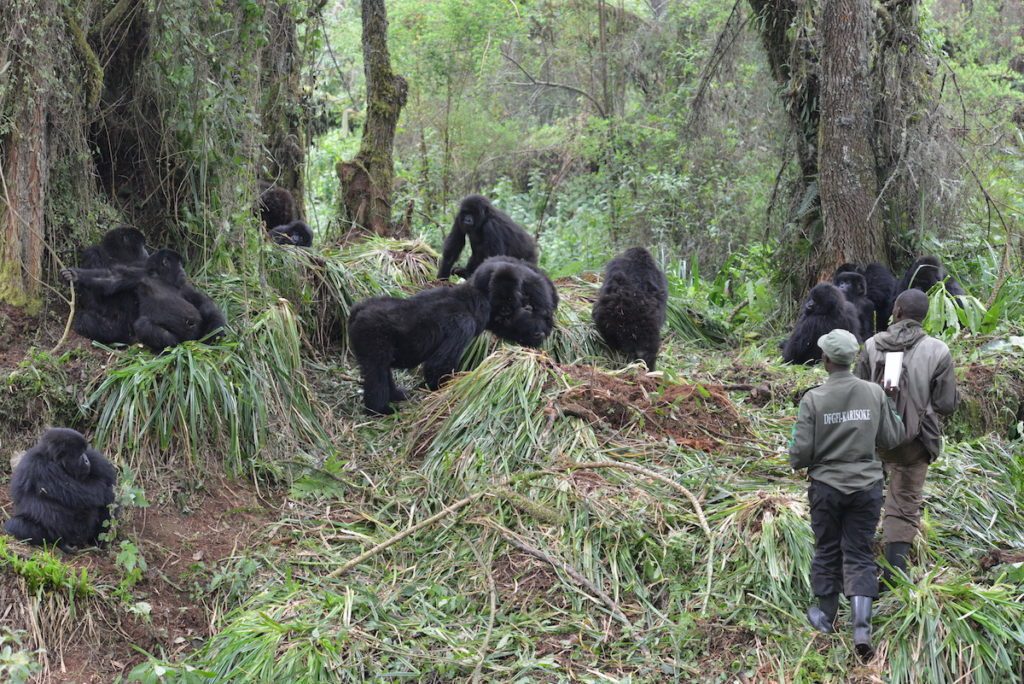
The Amahoro group was first habituated in March 1996. Habituation is the process of gradually getting wild gorillas accustomed to human presence so they can be safely observed. The process initially ran until 1997 but was interrupted due to civil unrest in the region. It was not until 2000 that tourism access to the group was reopened, allowing visitors to witness the family in its natural habitat.
The group’s original leader, a dominant silverback named Amahoro, guided the family until May 4, 2002, when he died at approximately 31 years old due to an unknown cause. Following his death, leadership disputes emerged between two subordinate silverbacks, Ubumwe and Charles. Unable to agree on dominance, the group split. Ubumwe retained the main family, while Charles formed a new group later named Umubano.
Since June 2015, the Amahoro group has been led by Silverback Gahinga, following Ubumwe’s disappearance or departure. Today, the family consists of 22 individuals, including 4 silverbacks, 7 adult females, 4 sub-adult females, 3 juveniles, and 4 infants. This composition highlights a healthy and multi-generational group that is particularly notable for its peaceful interactions.
Leadership and Social Structure
Leadership in the Amahoro group has always been unique. The original silverback, Amahoro, was known for his calm and non-aggressive demeanor. His leadership style inspired the family’s name, emphasizing harmony rather than dominance. After his death, Ubumwe continued the tradition of peaceful leadership. Ubumwe was widely known for his gentle nature, often allowing members to leave the group to join more assertive silverbacks rather than engaging in confrontations.
Currently, Gahinga serves as the dominant silverback. His presence ensures stability, safety, and cohesion among the group’s members. The family’s social structure includes multiple silverbacks who provide protection and guidance, adult females responsible for nurturing and leading younger gorillas, and juveniles and infants who contribute to the dynamic energy of the group.
Observing the group’s interactions is fascinating. Juveniles often engage in playful behaviors, tumbling and chasing each other through the forest. Adult gorillas focus on foraging, resting, and maintaining social bonds. These interactions reflect both the peaceful nature and the complex social organization that makes the Amahoro group unique.
Habitat and Range
The Amahoro gorillas primarily inhabit the slopes of Mount Bisoke, one of the prominent volcanoes in Volcanoes National Park. Their home range typically includes the lower and middle slopes, but the group frequently travels to higher elevations, depending on food availability and environmental conditions.
Mount Bisoke’s forests are dense, misty, and high in altitude, providing a rich ecosystem for gorillas. The terrain is often steep and rugged, which makes trekking both challenging and rewarding. This mobility and preference for higher slopes make the Amahoro group more difficult to locate than some other gorilla families.
Despite these challenges, the region provides abundant food sources, including bamboo shoots, leaves, and fruits, which the gorillas rely on to sustain their large bodies. The combination of dense vegetation and varied terrain ensures that the group has sufficient space for foraging, resting, and social interactions.
Behavior and Temperament
One of the most notable traits of the Amahoro gorilla family in Volcanoes National Park is their calm and peaceful nature. They are often described as the gentlest mountain gorilla group, showing very little aggression in their daily interactions. Even when faced with outside pressure, the group remains relaxed and composed, which makes them unique among other families in the park.
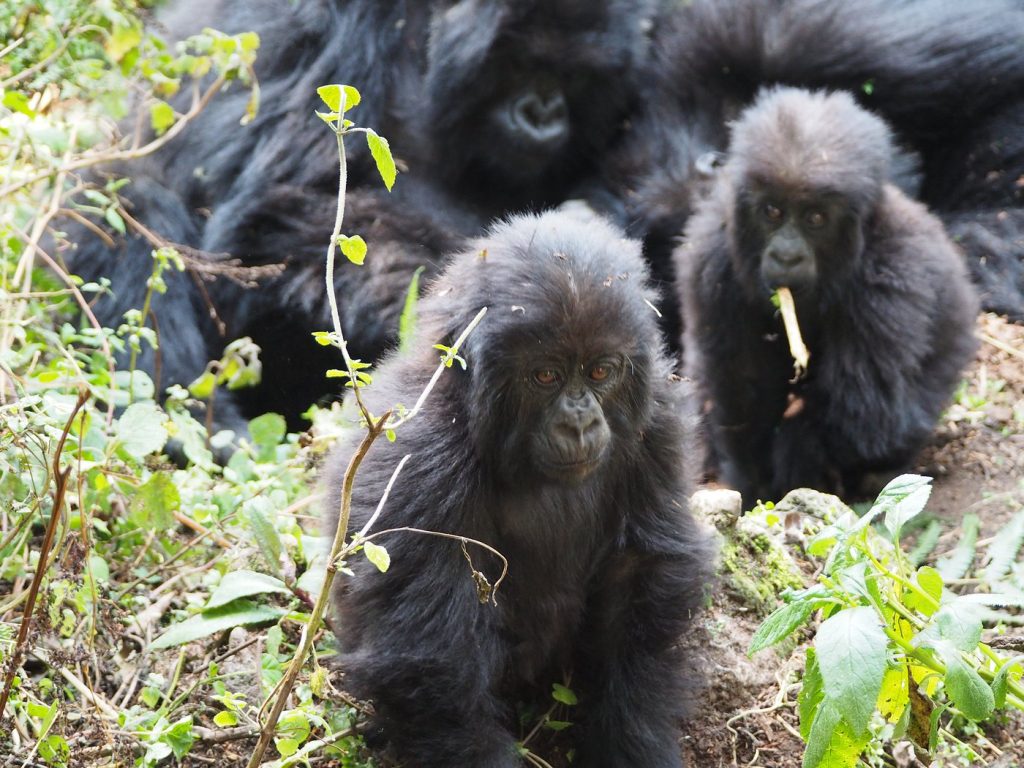
Young gorillas in the group are active and playful. They can often be seen climbing trees, chasing each other, or rolling through the vegetation. Adult females focus on caring for their infants and searching for food, while silverbacks take responsibility for protection and leadership. They maintain order without using force unless necessary.
This peaceful lifestyle is different from other groups, where conflicts between males can sometimes occur. Watching the Amahoro family gives visitors a rare chance to experience a calm and balanced gorilla community.
Trekking the Amahoro Group
Visiting the Amahoro gorillas is a memorable and physically demanding adventure. Trekking typically starts early in the morning, guided by experienced trackers who know the family’s range and behavior.
Due to the group’s habit of moving to higher slopes, the trek can be challenging. Hikers must navigate steep, slippery paths and thick forest vegetation. Physical fitness is essential to ensure a safe and enjoyable experience.
Despite the difficulty, the reward is extraordinary. Spending time with the Amahoro group allows visitors to observe a variety of behaviors, from playful juveniles to the protective silverbacks. The serene nature of the group makes even brief encounters unforgettable.
Tourism is carefully regulated to protect the gorillas. Only eight visitors are allowed per day, and permits for international visitors cost $1,500. The best trekking conditions are during the dry seasons, from June to September and December to February, when trails are less muddy and weather is more stable.
Group Composition and Key Facts
As of the latest count on January 31, 2024, the Amahoro gorilla family in Volcanoes National Park has 22 members, making it one of the larger and well-organized groups in the park. The family is led by the dominant silverback Gahinga, who plays a central role in guiding and protecting the group. The composition includes four silverbacks, seven adult females, four sub-adult females, three juveniles, and four infants.
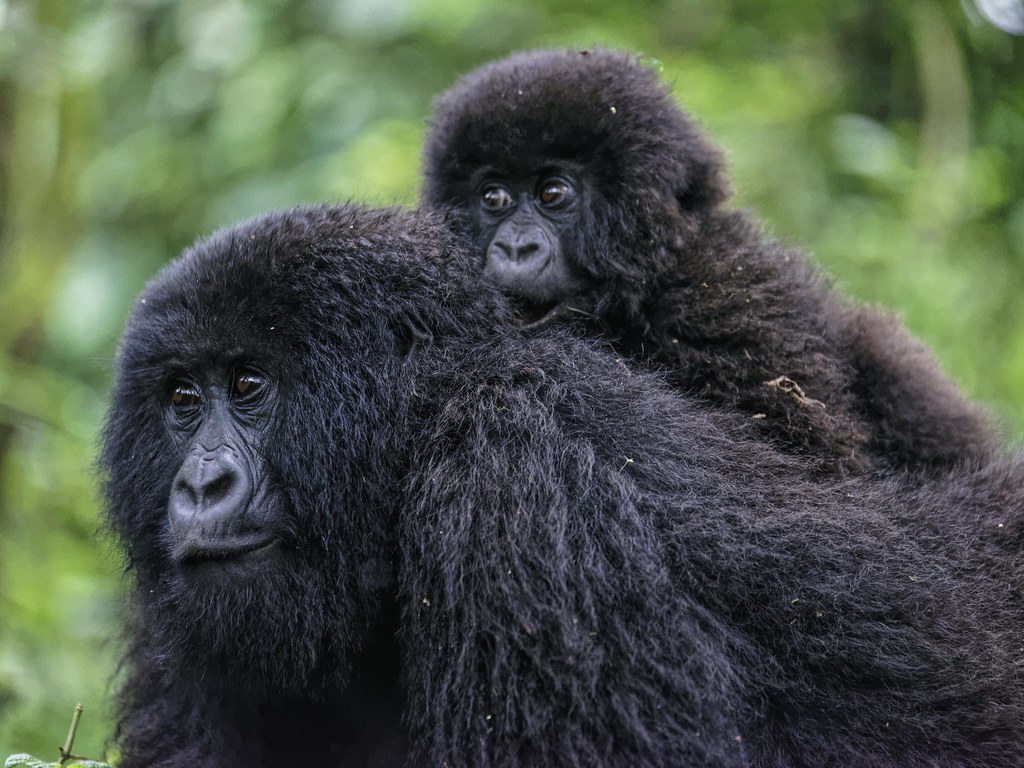
This balanced structure supports the group’s stability and long-term survival. The presence of several silverbacks strengthens security, as they help defend the family and maintain order. Adult females take on the important role of raising and caring for the young, ensuring that infant grow in a safe and supportive environment. Sub-adult females are still developing and learning from older members, preparing for future roles within the group.
Juveniles and infants bring life and movement to the family. They often play, explore, and interact with others, which strengthens social bonds. This mix of ages creates a dynamic and closely connected gorilla family.

The Amahoro Group vs. Other Gorilla Families
The Amahoro gorilla family stands out when compared to other groups living in Volcanoes National Park. While some families often stay on lower and more open slopes, the Amahoro gorillas are usually found higher on Mount Bisoke. This difference in habitat makes tracking them more challenging, but it also adds to their uniqueness. Their calm and peaceful behavior further sets them apart, as they rarely show the strong aggression that can sometimes occur in other gorilla families.
Another important aspect of the Amahoro group is its history. Over the years, the family has experienced leadership changes and internal divisions. One of the most notable events was the split that led to the formation of the Umubano group. This happened after disagreements between silverbacks following the death of the original leader.
Such events highlight the complex social structure of gorillas. They also show how adaptable these animals are when facing both social and environmental challenges in their natural habitat.
Conservation and the Future of the Amahoro Family
The Amahoro gorillas in Volcanoes National Park clearly show how successful conservation efforts in Rwanda have become. Strong anti-poaching laws, controlled tourism, and careful protection of natural habitats have helped this family grow and remain stable. These combined efforts have created a safe environment where the gorillas can live, reproduce, and move freely without major threats. Their calm and peaceful nature also makes them suitable for research and learning programs, allowing scientists and visitors to better understand gorilla behavior.
Tourism plays an important role in their survival. Money collected from gorilla trekking permits helps support park operations and provides income for nearby communities. This creates a shared responsibility, where local people benefit from protecting the gorillas rather than harming them. It also encourages long-term commitment to conservation efforts.
Looking ahead, continued protection is necessary to secure the future of the Amahoro family. Preserving their habitat, closely monitoring group changes, and maintaining strict tourism rules are all essential steps. With ongoing care and support, these gorillas will continue to represent peace, strength, and survival in the wild.
Visitor Experience and Guidelines
For those planning a trek to see the Amahoro gorillas in Volcanoes National Park, proper preparation is very important. The journey can be challenging, so visitors need to be ready both physically and mentally. Wearing strong and comfortable hiking boots is essential because the trails are often steep, muddy, and slippery. Carrying rain gear is also necessary, as weather conditions can change quickly in the high-altitude forest.
Visitors must follow all park guidelines to ensure both their safety and the well-being of the gorillas. Keeping a safe distance from the animals is required at all times. It is also important to respect the rule that only eight visitors are allowed to visit the group each day, which helps reduce stress on the gorillas and protects their natural behavior.
Planning a visit during the dry seasons can make trekking easier, as the trails are less slippery and more manageable. Although the hike can be physically demanding, the experience is truly rewarding. Watching the calm and peaceful Amahoro gorillas in their natural habitat leaves a lasting and unforgettable impression.
Conclusion: A Living Symbol of Peace
The Amahoro Gorilla Family embodies peace, resilience, and harmony in the wild. From their early habituation in 1996 to their current leadership under Silverback Gahinga, the group demonstrates both social sophistication and adaptability. Their story, shaped by leadership changes, group splits, and migration across Mount Bisoke, is inspiring for researchers and visitors alike.
Encountering the Amahoro gorillas is more than a wildlife adventure it is an opportunity to witness nature at its most harmonious. In the dense forests of Volcanoes National Park, these gentle giants continue to thrive, providing a living example of the power of calm leadership, family bonds, and the importance of conservation.
For anyone trekking in Rwanda, the Amahoro gorilla family is a must-see, offering not just a wildlife encounter but a glimpse into a world where peace truly reigns in the heart of the mountains.