
Hirwa Gorilla Family: The Lucky Giants of Volcanoes National Park.
The Hirwa gorilla family is one of the most remarkable and “lucky” mountain gorilla groups in the entire Virunga Mountains region. It is widely celebrated not only for its fascinating history but also for its rare birth of twins and the energetic, playful behavior that characterizes the group. The name Hirwa, which translates to “the lucky one” in Kinyarwanda, perfectly captures the extraordinary circumstances surrounding the family’s formation and its fortunate milestones over the years. Visitors who embark on treks to see this family are offered a truly unique opportunity to witness the intimate social dynamics of mountain gorillas, where each member from dominant silverbacks to playful infants demonstrates distinct personality traits and behaviors.
The Hirwa family’s popularity extends beyond tourism. Researchers are drawn to study their social interactions, leadership patterns, and the rare twin birth, which provides invaluable insights into gorilla reproduction and care. Over the years, the family has demonstrated remarkable resilience and adaptability, maintaining a stable social structure while navigating the steep and challenging slopes of Mount Sabyinyo. Their story stands as a powerful example of conservation success in Rwanda and the broader Virunga Massif.
Group Profile and History.
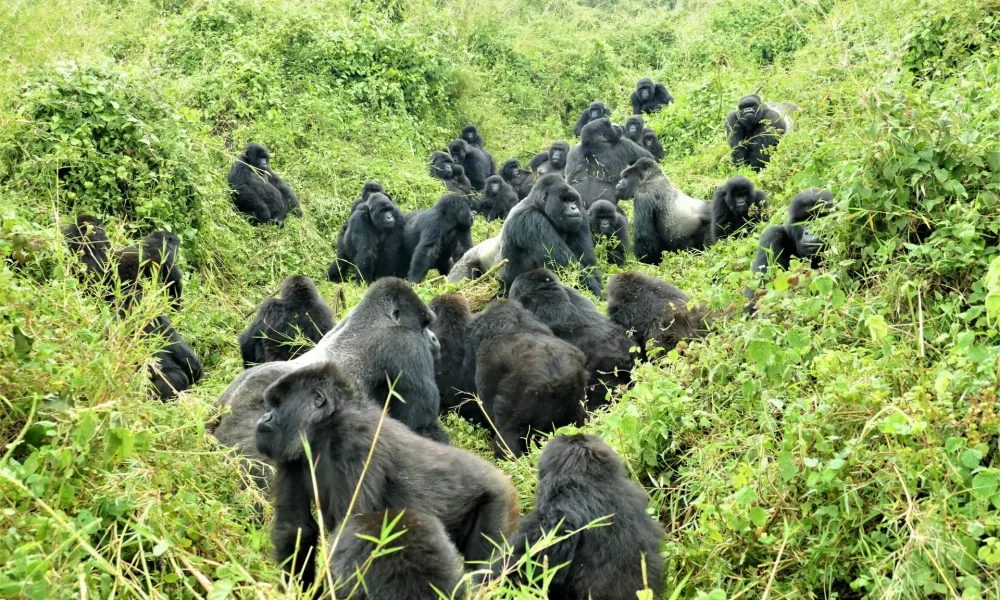
The Hirwa gorilla family has a fascinating history that began in 2006. It was formed when a silverback named Munyinya left the Susa group with two females. This departure marked the beginning of a new and independent family. Munyinya’s leadership was key in gradually attracting more gorillas from neighboring groups such as Sabyinyo and Agashya. Over time, the family grew, forming a cohesive and stable social unit.
Munyinya was known for his calm yet firm leadership, ensuring that the family stayed together and avoided conflicts with other gorilla groups. His ability to maintain harmony made the Hirwa group particularly attractive to female mountain gorillas seeking security and care for their young.
One of the most extraordinary events in the family’s history occurred in 2011. A female named Kabatwa gave birth to twins, named Isango Gakuru and Isango Gato. Twin births are extremely rare among mountain gorillas, making this event a remarkable highlight. Both twins survived, a testament to the careful nurturing by their mother and the protective role of the silverback.
Following Munyinya’s death in early 2019, the family’s leadership passed to Uburanga, who moved the family from Rwanda’ Volcanoes national park to Uganda’s Mgahinga national park and returned to Volcanoes national park. On 3, February, 2020, while in Mgahinga, the family was caught in a severe thunderstorm. Four members of the family (three adult females and a male infant) were killed instantly by a lightning strike. Uburanga has continued to guide the family with strong leadership while maintaining the calm and cooperative behavior for which Hirwa is known. As of 2024, the group consists of 17 members, including the dominant silverback, seven adult females, several black backs, juveniles, and infants. This stable composition reflects both careful leadership and effective social bonding within the family.
Location and Migration Patterns
The Hirwa family is known for its nomadic nature. Unlike some gorilla groups that maintain a fixed territory, Hirwa regularly moves across the Virunga Massif, which spans Rwanda, Uganda, and the Democratic Republic of Congo (DRC). Their movements are influenced by food availability, social interactions, and environmental conditions.
The primary home of the Hirwa gorillas is on the slopes of Mount Sabyinyo within Rwanda’s Volcanoes National Park. This area offers dense bamboo forests, thick undergrowth, and open clearings, providing an ideal habitat for feeding, nesting, and socializing.
A remarkable migration occurred in August 2019, when the group moved to Mgahinga Gorilla National Park in Uganda. The family stayed there for several months before returning to Rwanda in April 2020. Such cross-border movements are rare and demonstrate the family’s adaptability and territorial flexibility. These migrations also highlight the importance of transboundary conservation efforts, which allow gorilla groups to move freely across protected areas while remaining safe from poaching and human disturbance.
Daily Life and Social Behavior
The daily life of the Hirwa gorilla family mirrors the natural rhythm of mountain gorillas but with its own unique charm. Each day begins early in the morning when gorillas leave their night nests and start feeding. Their diet is largely composed of bamboo shoots, leaves, stems, and occasional fruits, which provide essential nutrients for survival.
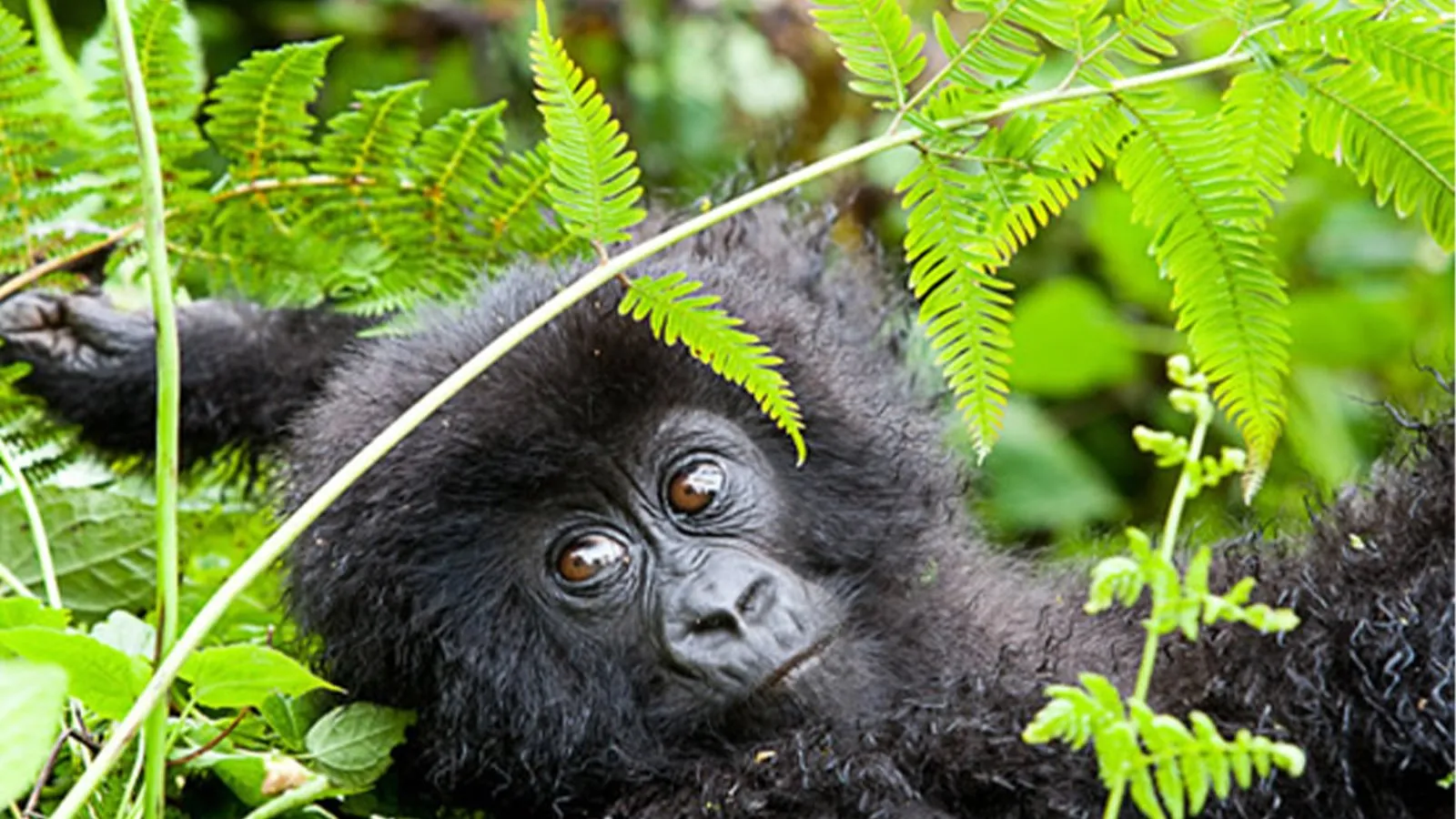
Feeding is followed by periods of rest and social bonding. Grooming is an essential behavior that strengthens relationships between individuals and ensures cleanliness. Adult females spend much of their day caring for infants, while juveniles engage in playful activities such as climbing, chasing, and mock fighting. These playful interactions are not just for fun—they teach social rules, physical coordination, and problem-solving skills.
The dominant silverback, Uburanga, plays a central role in daily life. He monitors the family for potential threats, mediates conflicts, and decides when and where to move in search of food. His calm but decisive leadership ensures the family remains cohesive and secure.
The Hirwa family is particularly known for its dynamic energy. The presence of the rare twins, Isango Gakuru and Isango Gato, adds an extra layer of activity, as the siblings are playful, curious, and often interact with other young gorillas. Tourists frequently note the twins as a highlight of their trekking experience, a living example of the family’s “luck.”
Habitat and Environmental Conditions
The slopes of Mount Sabyinyo provide an ideal habitat for the Hirwa gorilla family. This area is characterized by dense bamboo forests, thick vegetation, and occasional open clearings. These diverse ecosystems supply food, shelter, and natural protection from the elements.
The altitude ranges between 2,500 and 3,000 meters, offering a cool and comfortable climate for gorillas. Streams and small water sources within the forest provide hydration, while the dense canopy offers protection from rain and extreme sun.
The habitat is rich in biodiversity, supporting not only gorillas but also other wildlife species such as golden monkeys, duikers, and numerous bird species. The presence of these species contributes to a balanced ecosystem. Protecting this environment is critical for maintaining the survival of mountain gorillas and other wildlife in the region.
The family’s nomadic behavior also demonstrates how gorillas adapt to the seasonal availability of food. They move between bamboo forests, open vegetation zones, and valleys to ensure sufficient nourishment throughout the year. Such movement highlights the importance of protecting large, connected landscapes rather than isolated patches of forest.

Gorilla Trekking and Tourism
Trekking the Hirwa gorilla family is considered a highlight for many visitors to Volcanoes National Park. The family’s energy, accessibility, and famous twins make it a sought-after experience.
Treks typically begin at Kinigi Headquarters in Rwanda, where visitors receive a briefing about the rules of gorilla trekking, safety protocols, and guidelines to prevent disease transmission. Each group is then guided by experienced ranger guides and trackers, who follow the family’s daily movements.
The permit cost for international visitors is currently $1,500, which supports both conservation efforts and local community development. These funds are essential for maintaining anti-poaching patrols, research, and habitat protection.
The difficulty of trekking the Hirwa family varies. While some days allow for shorter treks, hikers should be prepared for steep slopes and uneven terrain. The group’s location on Mount Sabyinyo means that trekkers may encounter challenging climbs, but these efforts are rewarded with a rare and close encounter with the mountain gorillas in their natural habitat.
During observation, visitors are allowed to spend one hour with the group. This time provides a unique opportunity to witness feeding, grooming, social interactions, and the playful behavior of infants and juveniles. Seeing the twins in action is often a once-in-a-lifetime experience for many tourists.
Strict regulations ensure minimal disturbance to the gorillas. Only a limited number of visitors are permitted per day, and a safe distance must be maintained. These rules help prevent disease transmission and stress among the animals, contributing to the long-term conservation of the species.
Challenges Facing the Hirwa Family
Despite their apparent luck, the Hirwa gorillas face challenges common to all mountain gorilla groups. Habitat pressure from human encroachment, agriculture, and population growth threatens their forest home. Limited land availability increases competition for food and forces groups to move frequently.
Disease transmission is another critical concern. Because gorillas and humans share more than 98% of their DNA, gorillas are particularly vulnerable to diseases spread by humans. Strict guidelines during trekking and conservation monitoring help mitigate these risks.
Climate change also impacts the family. Shifts in rainfall patterns and temperature can alter the availability of bamboo shoots, leaves, and other food sources. The nomadic behavior of the Hirwa family shows their adaptability, but extreme environmental changes may still pose serious threats.
Conservation Significance and Future Outlook
The Hirwa gorilla family represents a success story in mountain gorilla conservation. Their survival, growth, and adaptability are a direct result of careful protection efforts in Volcanoes National Park and surrounding areas.
The presence of rare twins further highlights the family’s importance for research and tourism. Scientists can study social interactions, maternal care, and growth patterns, while tourists contribute financially to conservation programs.
The future of the Hirwa family remains promising due to strong conservation measures, cross-border cooperation between Rwanda, Uganda, and the DRC, and community involvement. Protecting this group ensures the continued survival of one of the world’s most iconic primates and allows future generations to witness their extraordinary lives in the wild.
Conclusion
The Hirwa gorilla family stands as a symbol of luck, resilience, and adaptability in the Virunga Mountains. From its formation by Munyinya to the rare birth of twins and the leadership of Uburanga, the family embodies the success of conservation and careful wildlife management.
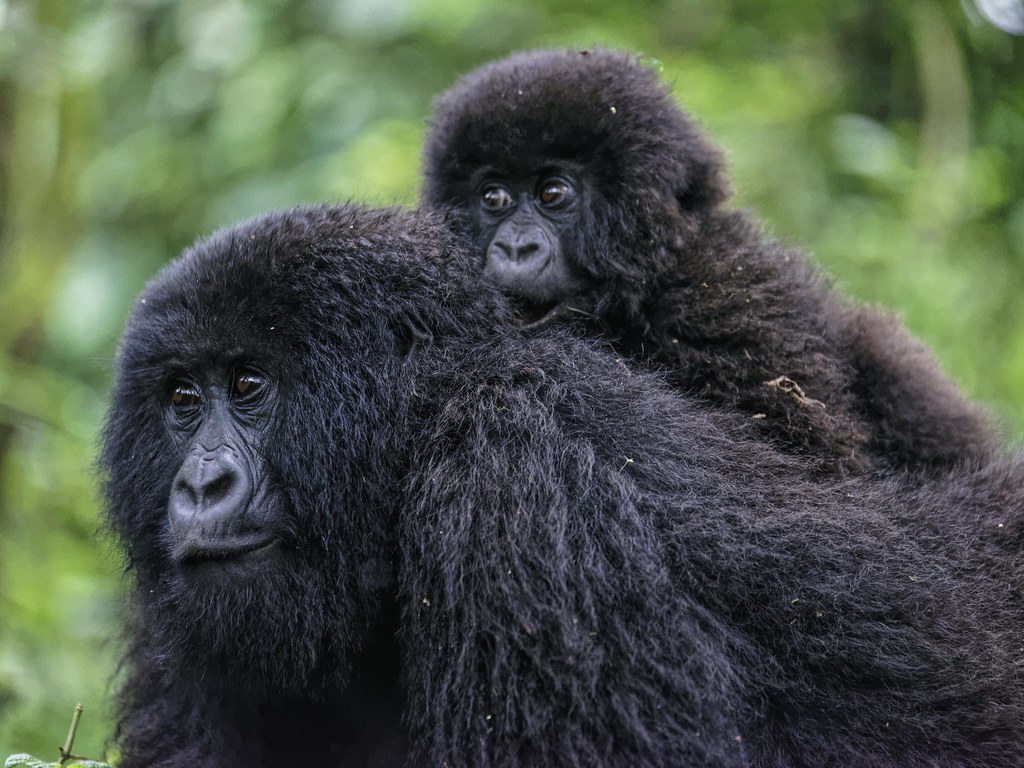
Visitors trekking the Hirwa group are rewarded with a close and unforgettable view of mountain gorillas thriving in their natural habitat. Their calm behavior, structured social life, and playful interactions make them one of the most fascinating gorilla families in Volcanoes National Park.
By protecting the Hirwa gorillas and their environment, we ensure that this “lucky” family continues to inspire, educate, and captivate the world for generations to come.