
Susa A Gorilla Family: A Living Legacy in the Misty Mountains
Susa A Gorilla Family, Susa A was formed in 1974 with initially 7 individuals and is one of the groups that were studied by Dian Fossey between 1968 and 1985. The group took the name Susa from the well-known Susa water stream that flows through its habitat. Over time, the name Susa A was used to distinguish it from other subgroups that later emerged.
From its early days, Susa A gained attention for its close connection to research and conservation. It became one of the most observed gorilla families in Volcanoes National Park in Rwanda. This early exposure helped scientists understand mountain gorillas better and shaped global conservation strategies.
The group quickly developed strong social bonds. The silverback led with authority, while females cared for infants and maintained unity. Young gorillas learned by observing adults, creating a stable and cooperative environment. This early structure helped Susa A grow into a strong and resilient family.
The origins of Susa A show how a small group can grow into something significant. Its story reflects both natural development and human efforts to protect wildlife. Because of this mix, Susa A is one of Africa’s most significant gorilla families.
Growth and Expansion Over Time
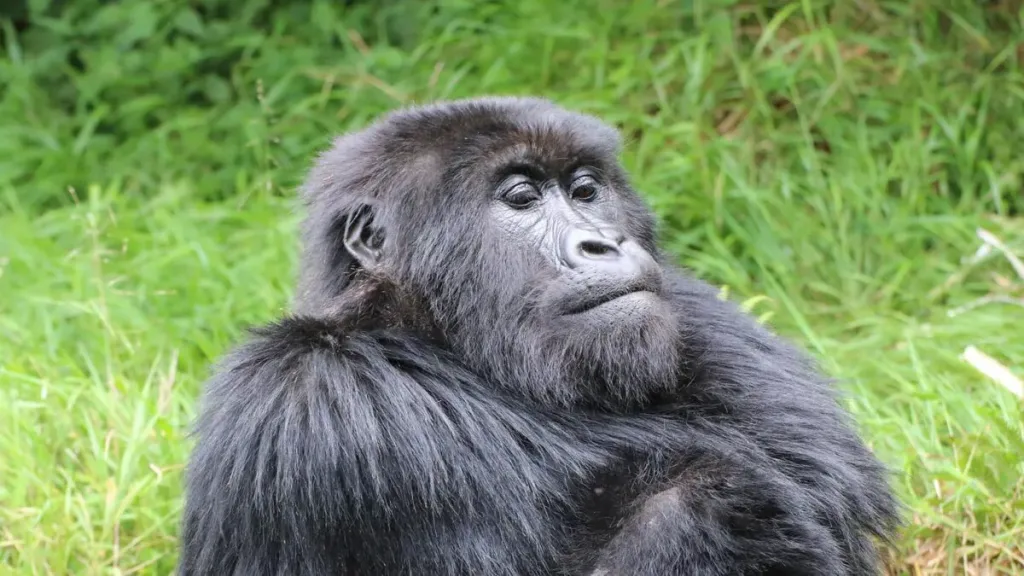
As the years passed, Susa A expanded into one of the largest gorilla families ever recorded. At its peak, the group reached 41 members, making it exceptional in size and influence. This growth showed a healthy environment and strong leadership within the group.
However, such a large group also faced challenges. Food competition increased, and movement became more difficult. These pressures naturally led to changes in the group structure.
In 2009, the Susa A family began a splitting process. This resulted in four separate families known today as Susa A, Karisimbi (Susa B), Isimbi, and Igisha. Each group developed independently but shared a common origin.
For example, the Karisimbi group later split again to form the Isimbi group. This shows how gorilla families adapt over time. Splitting helps reduce pressure on resources and allows new leadership to emerge.
After the split, Susa A remained smaller but continued to thrive. It adapted well to its new size and maintained its identity as the original group.
Current Structure of Susa A
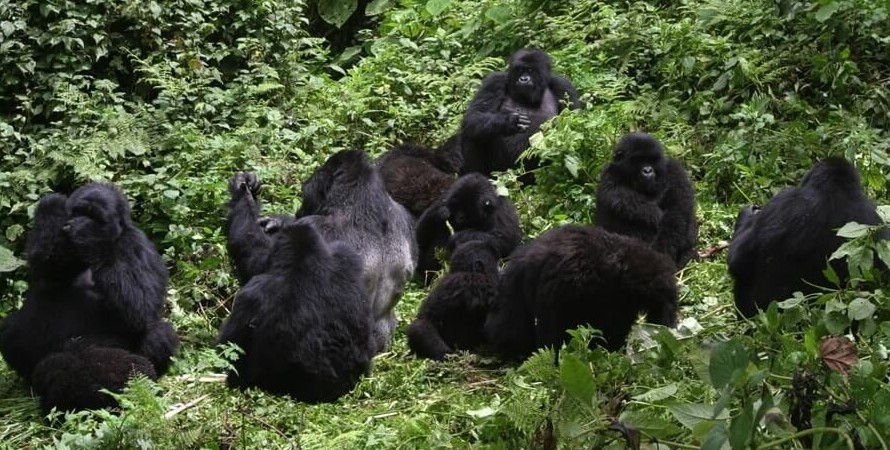
Today, Susa A is composed of 19 individuals led by the dominant silverback Impuzamahanga. The group includes 3 silverbacks, 5 adult females, 3 blackbacks, 2 subadults, 3 juveniles, and 3 infants. This balanced composition supports both stability and growth.
The presence of multiple silverbacks ensures strong protection. It also allows smooth transitions in leadership if needed. This reduces the risk of conflict or instability within the group.
Adult females play a vital role in raising the young. They provide care, teach survival skills, and maintain social harmony. Juveniles and infants represent the future of the group and bring energy to daily life.
A clear example of this structure can be seen during feeding. Silverbacks often lead and watch for danger. Females feed while protecting their young. Younger gorillas play nearby, learning important social behaviors.
This organized system helps Susa A survive in a demanding environment. It shows the importance of cooperation and shared responsibility within the group.
Habitat and Movement Patterns
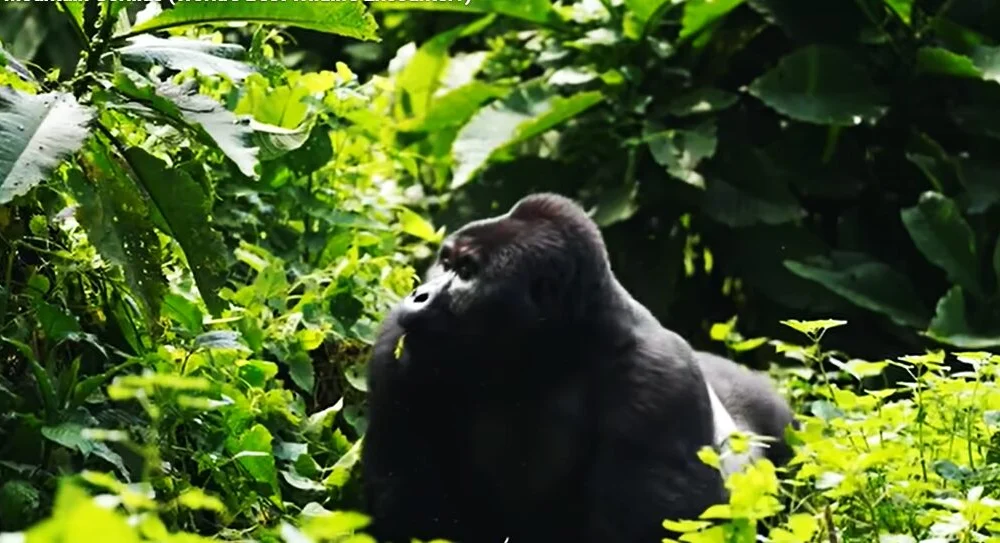
The Susa A family live on the slopes of Mount Karisimbi, an area dominated by bamboo vegetation. This environment provides a reliable food source and shelter for the gorillas.
Susa A is known for its movement between vegetation zones. During the bamboo shoot season, the group spends more time in bamboo forests. These shoots are highly nutritious and preferred by gorillas.
At other times, the group moves to higher altitudes. These areas are dominated by Hagenia and Hypericum plants. The mixed vegetation provides a variety of food options.
This pattern shows the adaptability of Susa A. The group adjusts its movements based on food availability and environmental conditions.
For example, when bamboo shoots are abundant, the group may stay in one area for several days. When resources decrease, they move to new feeding grounds. This flexibility supports their survival.
Tourism and Accessibility
Susa A is considered medium to hard to reach for tourism. Its habitat lies in higher and more rugged parts of Volcanoes National Park. Visitors often need to hike long distances to find the group.
This challenge creates a unique experience for tourists. The journey is demanding but rewarding. Many visitors feel a strong sense of achievement when they finally encounter the gorillas.
Limited accessibility also protects the group. Fewer visitors mean less disturbance to their natural behavior. This helps maintain a healthy environment for Susa A.
For example, trekkers often describe the experience as unforgettable. The effort required adds value to the encounter. Seeing Susa A in its natural habitat becomes a rare and special moment.
Guides play an important role during these treks. They ensure safety and provide information about gorilla behavior. Their knowledge enhances the overall experience.
Remarkable Events and Unique Traits
Susa A is known for several unique events in mountain gorilla history. One of the most notable is the birth of twins in 2004. The twins, Impano and Byishimo, were the first surviving twins ever recorded among mountain gorillas.
This event was rare and significant. It showed the strength and care within the group. The successful raising of twins highlighted the supportive nature of Susa A.
Another set of twins was born in 2011, named Impeta and Umudende. Although Impeta passed away in 2015, the event still demonstrated the group’s uniqueness.
These examples show how Susa A contributes to scientific knowledge. Researchers continue to learn from such rare occurrences.
The group is also known for its resilience. It has survived environmental changes, internal splits, and external threats. Each challenge has shaped its identity.
Leadership and Social Life
Leadership is central to the success of Susa A. The dominant silverback, Impuzamahanga, currently leads the group. He took over after Kurira disappeared from the group on 20th May 2020.
A strong leader ensures protection and unity. The silverback defends the group, resolves conflicts, and guides daily activities. His role is essential for stability.
Social interactions within Susa A are complex and meaningful. Grooming, playing, and communication help maintain strong bonds. These behaviors reduce tension and build trust.
For example, juveniles often play together to learn social skills. Adult females groom each other to strengthen relationships. The silverback observes and maintains order.
This social system creates a peaceful environment. It shows how cooperation is key to survival. Strong relationships help the group face challenges together.
Challenges and Conservation Efforts
Susa A has faced serious challenges over the years. In May 2002, the group experienced a tragic poaching incident. Two adult females were killed while trying to protect infants from poachers.
This event highlighted the dangers facing mountain gorillas. A significant issue is still the illegal wildlife trafficking.
However, it also led to stronger conservation efforts.
Park authorities increased protection measures. Anti-poaching patrols became more active. Community awareness programs also helped reduce risks.
For example, local communities now support conservation. They report illegal activities and benefit from tourism. This cooperation helps protect Susa A and other gorilla families.
The resilience of Susa A reflects the success of these efforts. Despite past challenges, the group continues to survive and grow.
The Legacy of Susa A Gorilla Family
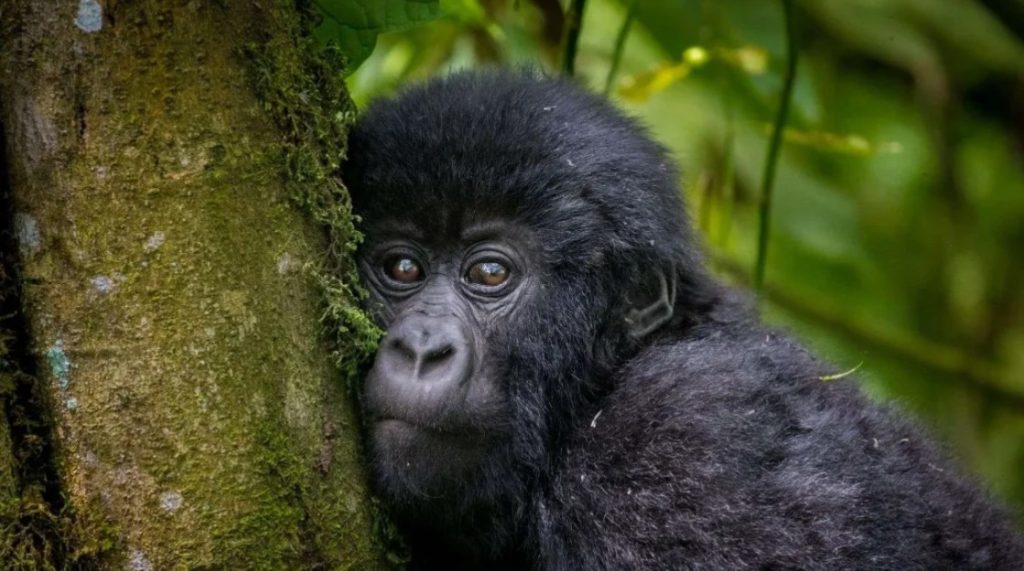
One of Volcanoes National Park’s most recognizable gorilla families is still Susa A. Its long history and unique experiences make it special.
From its formation in 1974 to its present structure, Susa A has shown growth and adaptation. It has contributed to scientific research and conservation awareness.
The legacy of Susa A is also seen in its subgroups. Karisimbi, Isimbi, and Igisha all share its origins. Together, they represent the success of natural evolution and conservation work.
Visitors who encounter Susa A often gain a deeper appreciation for wildlife. The experience inspires support for conservation efforts.
In conclusion, Susa A is more than a gorilla family. It is a symbol of survival, unity, and resilience. Its story continues to inspire people around the world and highlights the importance of protecting endangered species.