
Umubano Gorilla Family: Living Together in Harmony in Volcanoes National Park
The Umubano gorilla family is one of the most fascinating mountain gorilla groups found in Volcanoes National Park. This group has gained attention because of its peaceful nature, strong leadership, and unique history. The name “Umubano” comes from a local Kinyarwanda word meaning living together or neighborliness. This meaning reflects the true character of the group. Every member of the Umubano gorilla family plays a role in maintaining unity and calm within the group.
The family is led by a dominant silverback called Charles, who is known for his composed and protective leadership. Unlike many gorilla groups that experience frequent conflict, the Umubano group is recognized for its stability. This makes it one of the most admired gorilla families in Rwanda. Visitors who trek to see this group often describe the experience as peaceful and deeply moving.
The Umubano gorilla family is also important in conservation. It is among the habituated gorilla groups that tourists can visit. This helps generate support for wildlife protection. The group’s story, from its origin to its current structure, offers insight into gorilla behavior. It also highlights how leadership and cooperation can shape a community in the wild.
Origins of the Umubano Gorilla Family
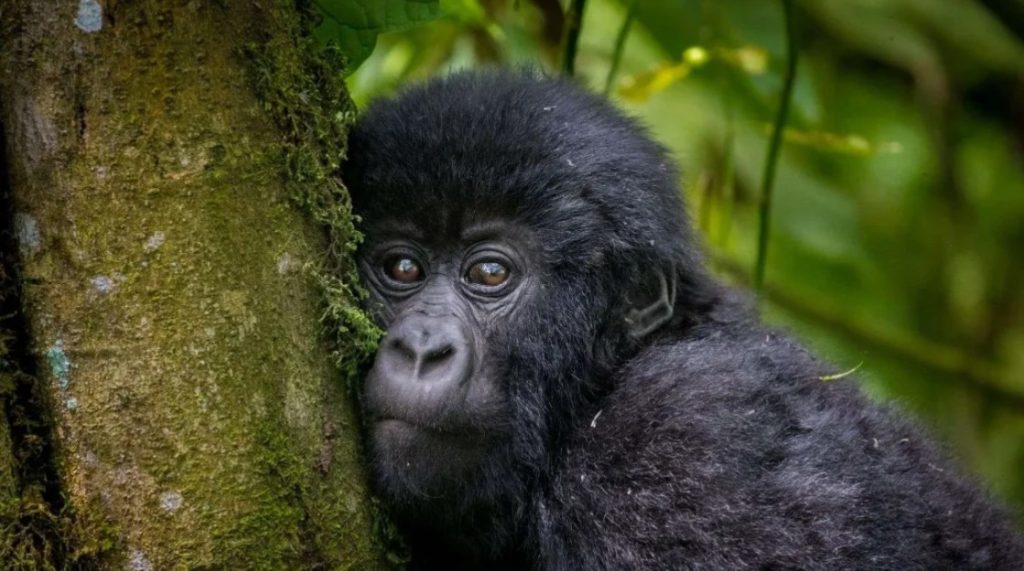
The origins of the Umubano gorilla family can be traced back to the Amahoro gorilla group, which was known for its calm and peaceful nature. Amahoro, meaning peace, had a strong structure for many years. However, like many gorilla families, changes in leadership brought challenges. After the death of the original leader, tensions began to grow among the silverbacks. These disagreements created an unstable environment within the group.
During this time, a young silverback named Charles began to rise in strength and confidence. He was not satisfied with constant tension and leadership struggles. As he matured, he started to challenge the existing authority. This marked the beginning of a significant transformation within the group.
In 2001, Charles decided to break away from Amahoro. He was followed by several members who preferred a calmer environment. The Umubano gorilla family was created as a result of this split. Unlike many splits in the wild, this one was mostly peaceful. The two groups would still meet occasionally and interact without aggression.
This origin story makes Umubano unique. It shows that even in the wild, peaceful separation is possible. The group’s foundation was built on the idea of harmony and cooperation.
Leadership of Silverback Charles
Charles, the dominant silverback, is the heart of the Umubano gorilla family. His leadership style is one of the key reasons the group remains stable and peaceful. He is known for being calm, observant, and protective. These qualities make him a respected leader among the group members.
Unlike aggressive silverbacks who rely on force, Charles uses a more balanced approach. He maintains order without creating fear. This allows the group to function smoothly. Members feel secure under his leadership, which reduces internal conflict. His presence alone is often enough to keep peace within the group.
Charles became a leader through determination and growth. As he matured, he gained the strength needed to challenge other silverbacks. However, he chose to create his own group instead of continuing conflict. This decision shaped the identity of Umubano.
His leadership also extends to protecting the group from external threats. He ensures that all members are safe during movement and feeding. He also plays a role in guiding daily activities.
Through his actions, Charles has shown that leadership can be firm yet peaceful. His style continues to define the Umubano gorilla family.

The Split from Amahoro and Ubumwe
The split that led to the formation of the Umubano gorilla family is one of the most interesting events in its history. This division was influenced by tensions between strong silverbacks within the Amahoro group. One of the key figures during this period was Ubumwe, another dominant silverback.
As Charles grew stronger, he found it difficult to remain under Ubumwe’s authority. The rivalry between the two intensified over time. What began as minor disagreements soon turned into a serious struggle for dominance. The conflict lasted for weeks and even months. It tested the strength and determination of both silverbacks.
Eventually, Charles decided to take a different path. Instead of continuing the fight, he gathered a group of followers and left. He was joined by several individuals who preferred a peaceful environment. This marked the birth of the Umubano gorilla family.
Interestingly, the separation did not lead to ongoing hostility. The two groups continued to interact occasionally. They were seen feeding together and then going their separate ways. No major fights were reported after the split.
This peaceful outcome is rare in the wild. It highlights the unique nature of the Umubano group and its commitment to harmony.
Group Composition and Social Structure
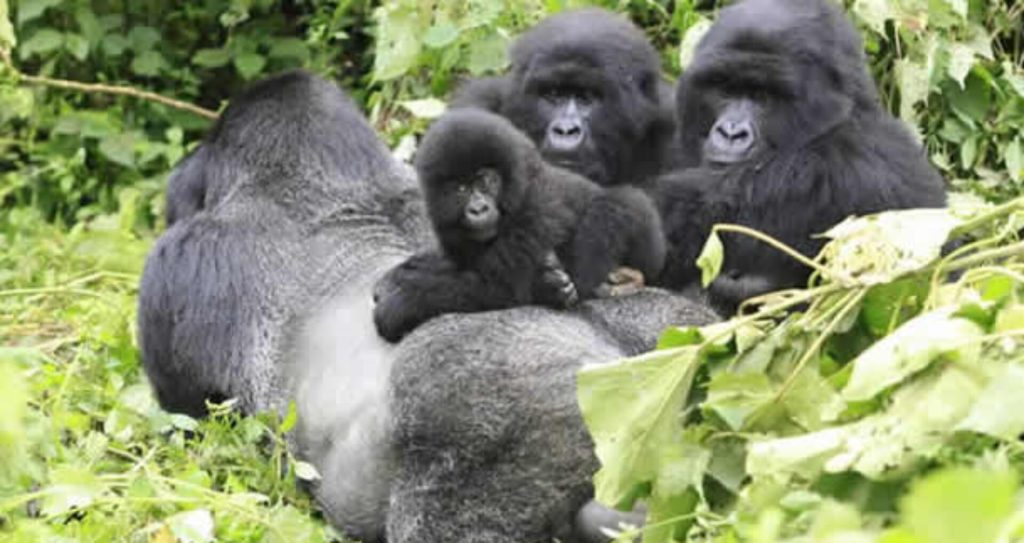
The Umubano gorilla family has a well-balanced and organized social structure. The group usually consists of about 11 to 13 members, making it relatively small but closely connected. This size allows for strong relationships and effective communication among members.
The group includes several silverbacks, with Charles as the dominant leader. There are also adult females who play an important role in nurturing and caring for the young. Younger members include juveniles, a sub-adult, and infants. Each of these individuals contributes to the group in different ways.
Adult females are responsible for raising the young. They provide care, protection, and guidance. Young gorillas learn by observing older members. They also develop social skills through play and interaction. This helps prepare them for adulthood.
The presence of multiple silverbacks adds strength to the group. However, Charles remains the main authority. His leadership ensures that the group remains united.
This structure creates stability within the family. It allows members to live together peacefully. The strong bonds among individuals are a key feature of the Umubano gorilla family.
Daily Life of the Umubano Gorilla Family
Daily life in the Umubano gorilla family follows a simple but structured routine. Each day begins with the group moving through the forest in search of food. They feed mainly on leaves, stems, fruits, and bamboo shoots. This diet provides the energy needed for their activities.
After feeding, the gorillas spend time resting. During this period, grooming becomes an important activity. Grooming helps build trust and strengthen social bonds. It also keeps the gorillas clean and comfortable.
Young gorillas are often seen playing during the day. They climb trees, chase each other, and explore their surroundings. These playful actions are important for their growth. They help develop strength, coordination, and social skills.
Communication within the group is also important. Gorillas use sounds, gestures, and facial expressions to interact. These forms of communication help maintain order and understanding.
The calm nature of the Umubano group makes daily life peaceful. There are few conflicts, and members live in harmony. This routine supports the overall stability of the family.
Habitat Around Mount Bisoke
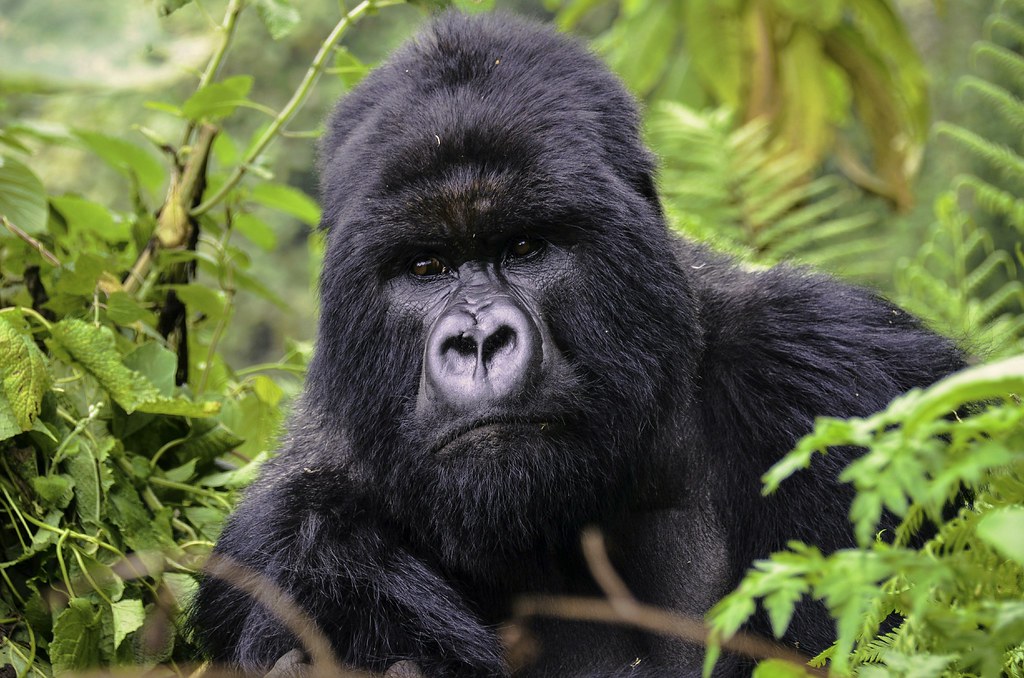
The Umubano gorilla family lives mainly on the slopes of Mount Bisoke, one of the volcanoes in Volcanoes National Park. This area provides an ideal habitat for mountain gorillas. The environment is rich in vegetation, which ensures a steady supply of food.
The forest includes bamboo zones, thick vegetation, and open areas. Each of these zones offers different types of food. The cool climate also supports the gorillas’ lifestyle. It creates comfortable conditions for resting and movement.
The terrain can be steep and challenging. However, gorillas are well adapted to this environment. They move easily through the forest and navigate the slopes with strength and balance.
This habitat also provides safety. Dense vegetation offers protection from external threats. It allows the group to live with minimal disturbance.
The beauty of this region adds to its importance. The mist-covered mountains and green landscapes create a stunning setting. Because of this, it is a well-liked travel destination.
Living in such a rich environment helps the Umubano gorilla family thrive.
Gorilla Trekking Experience with Umubano
Trekking to see the Umubano gorilla family is one of the most rewarding wildlife experiences in Rwanda. The trip starts at the park headquarters early in the morning. Visitors receive a briefing before entering the forest.
The trek can take a few hours depending on the location of the group. The path passes through dense vegetation and steep slopes. Rangers guide visitors and track the gorillas to ensure a successful encounter.
Once the group is found, visitors are allowed to spend one hour observing them. This moment is often the highlight of the experience. Watching the gorillas in their natural habitat is both exciting and emotional.
The calm nature of the Umubano group makes the experience even more enjoyable. Visitors can observe feeding, grooming, and playful interactions. The peaceful environment allows for better photography and closer observation.
This experience also raises awareness about conservation. Visitors learn about the importance of protecting gorillas and their habitat.
Trekking with the Umubano gorilla family is not just a visit. It is a meaningful connection with nature.
Conservation and Importance of Umubano Gorilla Family
The Umubano gorilla family plays an important role in conservation efforts in Rwanda. As one of the habituated groups, it attracts visitors from around the world. Tourism helps generate funds that support wildlife protection and local communities.
Protecting this group ensures the survival of mountain gorillas. Conservation programs focus on monitoring their health and safety. Rangers work daily to protect them from threats such as poaching and habitat loss.
The presence of tourists also helps raise awareness. People who visit often become advocates for conservation. They share their experiences and support efforts to protect gorillas.
The story of Umubano also provides valuable lessons. It shows that peaceful coexistence is possible even in the wild. This message inspires people to value harmony and cooperation.
By preserving the Umubano gorilla family, we protect more than just animals. We protect a symbol of unity and balance in nature.