
Choosing the Right Gorilla Family at Volcanoes National Park.
Choosing the Right Gorilla Family at Volcanoes National Park, Visiting Volcanoes National Park is an experience few can forget. The park is home to mountain gorillas, some of the most captivating primates in the world. Trekking through dense forests, volcanic slopes, and misty terrain to encounter a gorilla family is both challenging and incredibly rewarding. Each family has its own personality, group size, and daily patterns, which affects what visitors see and how the experience feels. Some families are calm and approachable, making them perfect for first-time visitors. Others are active, playful, or highly mobile, offering dynamic interactions that appeal to photographers or those who want a livelier encounter.
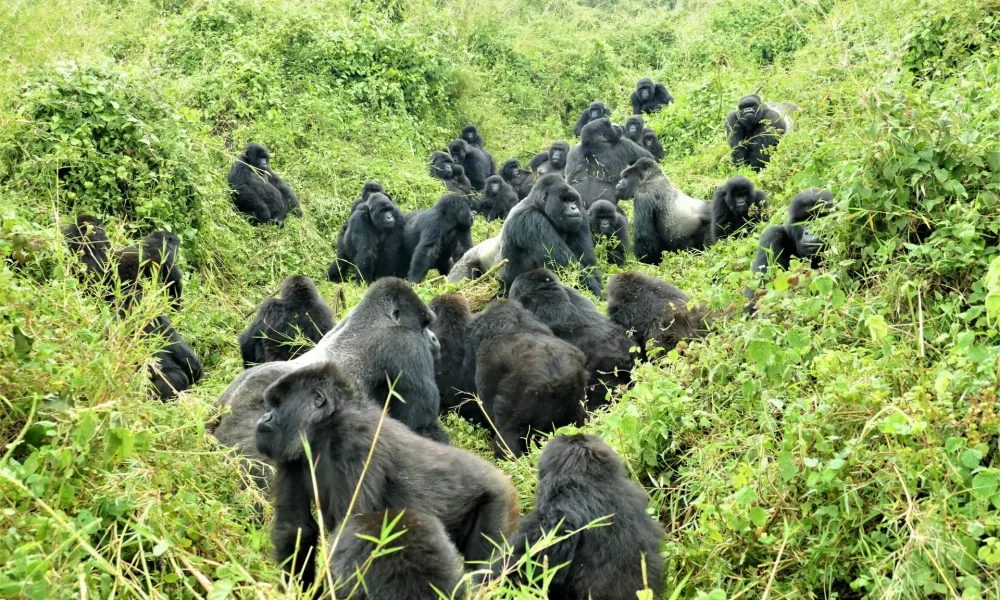
Mountain gorilla families, also called troops, are led by a dominant silverback who protects the group and guides its movements. Families also include adult females, juveniles, and infants, each adding to the social dynamics. Understanding a family’s location, size, and behavior helps you choose one that matches your fitness, interests, and goals. For example, the Susa (Susa A) family is the furthest from the Kinigi park headquarters and lives at high altitude, making it a long and physically demanding trek. In contrast, families like Kwitonda or Umubano are found at lower elevations, making them easier to reach. This guide explores the main gorilla families at Volcanoes National Park, what to consider when choosing a family, and how to prepare for an unforgettable trek.
Understanding Mountain Gorilla Families and Their Social Dynamics
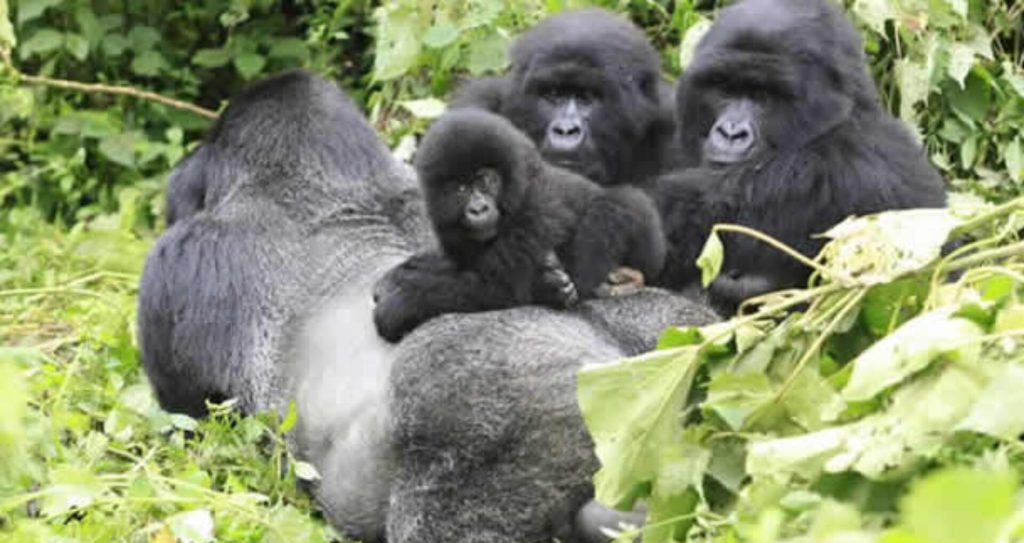
Mountain gorilla families are highly social units with a clear hierarchy. Each family is led by a silverback, the mature male who ensures safety, mediates conflicts, and guides the troop’s movements. Adult females care for infants and juveniles, while younger gorillas play, explore, and develop social skills through interactions. Understanding these dynamics is essential for visitors, as it affects how the gorillas behave during your trek.
The Susa (Susa A) family is one of the oldest and largest, now numbering about 28–33 members. It is well-known for the twin gorillas Byishimo and Impano and lives at high elevations, making it the furthest family from Kinigi. The Agashya Group is led by a strong and protective silverback who often moves the family to the top of Sabinyo volcano, demonstrating leadership and mobility. Amahoro, meaning “peace,” is calm but requires a strenuous hike to higher terrain. Umubano, led by Silverback Charles, provides a less challenging trek while still offering rewarding encounters. Families like Hirwa are known for their “lucky” formation and occasional twins, while Kwitonda resides in lower, more accessible areas. Sabyinyo, under Guhonda, is suitable for beginners, and Igisha and Bwenge require long-distance trekking. Knowing these characteristics helps you plan your visit based on your fitness level, interest in photography, and desired type of interaction.
Factors to Consider When Choosing a Gorilla Family
Selecting a gorilla family is about more than preference; it involves careful planning. Each family differs in location, activity, size, and temperament, which influences your experience. Accessibility, family personality, activity level, group size, age distribution, and trekking difficulty are the most important factors.
Accessibility is crucial. Families like Kwitonda and Umubano are closer to Kinigi and easier to reach, suitable for visitors seeking moderate treks. In contrast, Susa (Susa A) is the furthest from Kinigi, at high altitude, requiring a long, physically demanding hike. Families such as Amahoro also demand stamina due to their elevation. Activity level matters as well. Highly mobile families like Agashya or Hirwa offer dynamic encounters, whereas calmer families like Amahoro or Kwitonda allow more relaxed observation.
Group size affects social interactions and viewing opportunities. Large families, such as Susa and Igisha, provide chances to see multiple behaviors, including play, grooming, and mother-infant bonding. Smaller families, like Bwenge, allow for intimate observation with less crowding. Age distribution also impacts what you observe. Families with many infants and juveniles, like Susa and Hirwa, are playful and engaging, while adult-heavy families, like Agashya, show strong leadership and protective behaviors.
Finally, conservation and ethical considerations are vital. Well-habituated families, such as Susa, Kwitonda, and Amahoro, tolerate human presence better. Following park rules—maintaining distance, wearing masks if required, and avoiding contact—ensures both visitor safety and gorilla welfare, supporting conservation for the future.
Accessibility and Trekking Difficulty
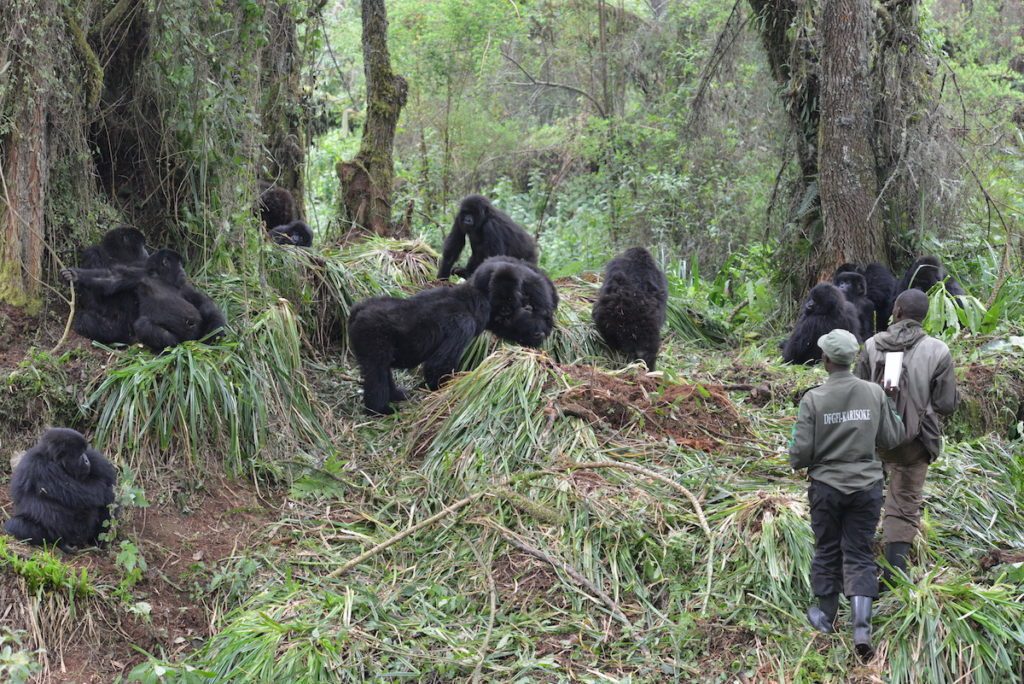
The physical challenge of reaching a gorilla family depends on its location and terrain. Families closer to Kinigi, like Kwitonda and Umubano, are suitable for those who prefer moderate hikes. Trails are shorter and less steep, allowing visitors to focus more on observing the gorillas than on the trek itself. In contrast, Susa (Susa A) is the furthest family, situated at high altitude in the volcanic forests. Visiting Susa requires stamina, proper gear, and preparation for long hours on steep and uneven terrain. Similarly, Amahoro is calm but also located high, demanding a challenging hike.
Other families vary. Sabyinyo is positioned between the Sabyinyo and Gahinga volcanoes and is relatively easier for beginners. Agashya frequently moves across steep slopes, requiring visitors to have endurance. Hirwa is moderately mobile along lower slopes, while Igisha and Bwenge are remote, needing long-distance trekking. Choosing a family that matches your fitness level is essential for a safe and rewarding experience. Adequate preparation with sturdy shoes, trekking poles, and water ensures comfort and allows visitors to focus on observing gorillas.
Family Personality and Behavior
Gorilla families display unique personalities shaped by their members and history. Calm families, such as Amahoro and Kwitonda, offer peaceful observation and less movement, which is ideal for first-time visitors. Active families, like Agashya and Hirwa, are playful and energetic, providing dynamic scenes for photography or engaging observation.
The Susa (Susa A) family, despite being far from Kinigi, is generally calm, allowing visitors to see mother-infant interactions and social grooming among its large group. Agashya, on the other hand, demonstrates strong leadership and occasional assertiveness, while Hirwa has a playful and cohesive group dynamic. Understanding a family’s personality helps set realistic expectations, whether you want a calm encounter or a lively, interactive experience. Some families tolerate human presence better than others, which affects how close you can observe them safely.
Activity Level of the Troop
Some gorilla families are highly mobile, while others remain in smaller areas. Agashya often moves across the top of Sabinyo volcano, showing high activity. Hirwa moves along lower slopes but still engages in frequent interactions. Less active families, such as Amahoro, Kwitonda, or Umubano, tend to remain in smaller areas, making it easier for visitors to observe their daily routines.
High activity levels can be exciting but require stamina and patience. Following an energetic family means hiking longer distances and sometimes negotiating steep terrain. Calm families allow for shorter, more relaxed treks, but may offer fewer lively moments. Balancing activity level with your fitness and preferences ensures a more enjoyable experience.
Group Size and Composition
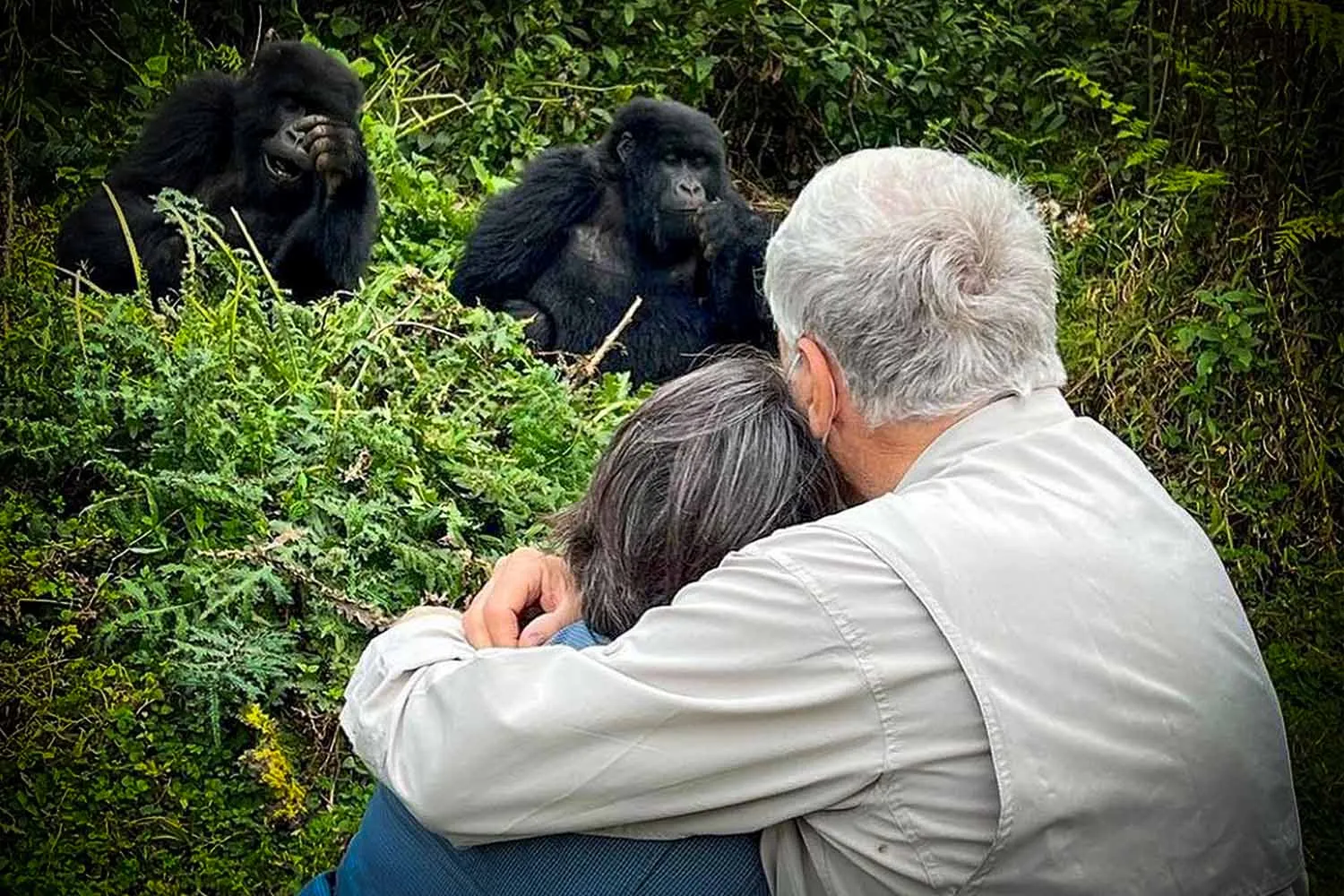
Family size directly affects what you see. Large families like Susa and Igisha provide ample opportunities to observe multiple social behaviors, including play, grooming, feeding, and maternal care. Small groups, such as Bwenge, allow for closer observation of individuals and less crowded trekking experiences.
Composition also matters. Families with many juveniles, like Susa and Hirwa, are playful and active. Families dominated by adults, like Agashya, focus more on leadership and protective behaviors. Group size and composition can influence your choice depending on whether you prefer dynamic interactions or calm observation.
Age Distribution of Members
The age composition of a gorilla family greatly affects the type of experience visitors will have. Families with many infants and juveniles, such as Susa (Susa A) and Hirwa, are especially engaging. These younger gorillas are playful, curious, and active, often seen climbing, wrestling, and interacting with each other or with adults. Infants provide heartwarming moments as mothers nurture them, offering a close-up look at gorilla family dynamics and bonding. Conversely, adult-heavy families, such as Agashya, tend to appear calmer and more disciplined. The adults’ protective behaviors dominate daily routines, and their presence highlights leadership and the social hierarchy within the group. Smaller families, like Bwenge, give visitors the opportunity to observe individual gorillas closely, making it easier to notice distinct features, personalities, and subtle social interactions. Age distribution also influences activity levels: families with more juveniles move around more, while older-dominated families may remain in one area. Understanding age composition helps visitors select a troop that fits their preferences for interaction, playfulness, or calm observation.
Conservation and Ethical Considerations
All mountain gorilla families in Volcanoes National Park are protected under strict park regulations. Ethical considerations are essential for both the welfare of gorillas and visitor safety. Well-habituated families, such as Susa, Kwitonda, and Amahoro, are accustomed to humans, allowing tourists to observe them safely without disturbing their daily routines. Families less accustomed to human presence can be sensitive, requiring more distance and patience. Visitors must follow park rules, maintain proper distance, avoid sudden movements, and wear masks when required to prevent disease transmission. Feeding, touching, or attempting to interact physically with gorillas is strictly prohibited. Ethical tourism helps minimize stress on these endangered primates, ensures their natural behaviors continue without interference, and supports long-term conservation efforts. By respecting these guidelines, visitors not only enjoy a safer and more rewarding experience but also contribute to the ongoing protection and study of mountain gorillas for future generations.
The Role of Park Guides in Choosing a Family
Park guides play a crucial role in ensuring a safe and meaningful gorilla trek. They monitor gorilla families daily, keeping track of location, movements, and behavior. This allows them to advise visitors on which family to visit based on trekking ability, desired experience, and time available. Beginners may be directed to easier-to-access families like Sabyinyo or Kwitonda, while experienced trekkers or photographers might be guided to more remote or active families, such as Susa or Agashya. Guides share detailed knowledge about individual gorillas, family hierarchies, and social behaviors, enriching the trek beyond simple observation. They also ensure visitors follow ethical and safety rules, including maintaining distance, avoiding loud noises, and preventing interference with gorilla routines. A knowledgeable guide makes it possible to see the gorillas safely, understand their complex social world, and capture memorable experiences while promoting responsible tourism. Their guidance is essential for both safety and conservation awareness.
Preparing for the Trek
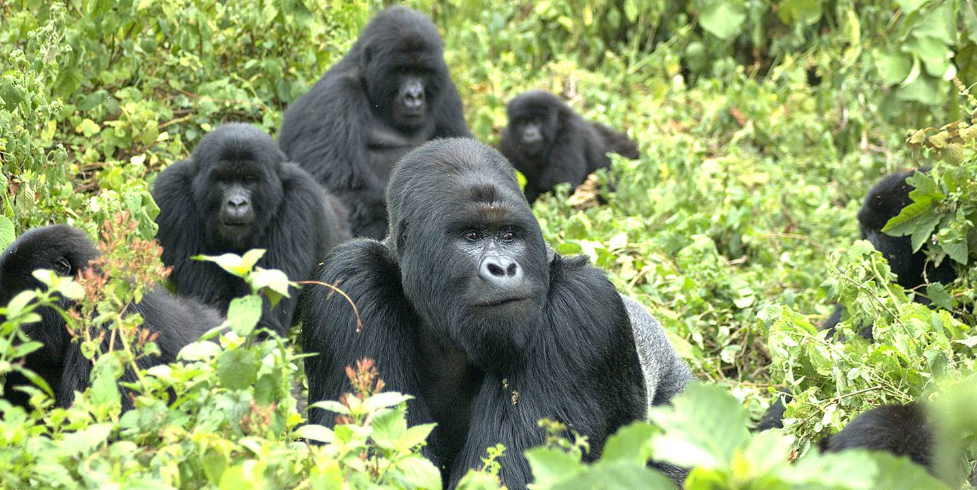
Preparation is vital for a successful gorilla trek. Visitors should wear sturdy, waterproof hiking shoes and comfortable clothing suitable for steep trails and wet forest conditions. Trekking poles are recommended for high-altitude hikes, especially for challenging families like Susa and Amahoro, which require long walks on uneven terrain. Carrying sufficient water and light snacks is important to maintain energy levels, as treks can last several hours. Lower-elevation families, such as Kwitonda, Umubano, or Sabyinyo, are less physically demanding and suitable for visitors with moderate fitness. Visitors should also be prepared for rain and mud, bringing appropriate rain gear or gaiters. Proper preparation allows you to focus on observing gorillas, rather than struggling with the environment, and ensures a more enjoyable and safe experience. Planning ahead, knowing your physical limits, and equipping yourself for the terrain are key components of a rewarding trek.
Observing Gorilla Behavior
Observing gorillas is the highlight of any trek. Visitors witness a wide range of behaviors, from playful interactions among juveniles to the protective actions of the dominant silverback. Susa (Susa A), with its famous twins Byishimo and Impano, provides excellent opportunities to observe mother-infant bonding and sibling play. Agashya demonstrates leadership, often guiding the troop and intervening to maintain order. Hirwa offers a cohesive and moderately active group, showing social grooming, play, and family interaction. Observers should remain patient, move quietly, and use zoom lenses if photographing, to minimize disturbance. Even short encounters, typically an hour, reveal the intelligence, emotional depth, and social complexity of these primates. Careful observation allows visitors to appreciate nuances in gorilla communication, hierarchy, and daily behavior, creating a truly memorable wildlife experience.
Safety and Ethical Guidelines
Safety is essential during any mountain gorilla trek. Visitors must maintain at least seven meters from gorillas and avoid physical contact. Feeding gorillas is strictly prohibited, as it can introduce disease and disrupt their natural diet. Families such as Susa, Kwitonda, and Amahoro are well-habituated, meaning they are more tolerant of human presence, but caution is still necessary. Less habituated families require greater distance and careful movement to avoid stress. Wearing masks, keeping voices low, and following guides’ instructions ensures safety for both visitors and gorillas. Respecting these guidelines not only protects humans and primates but also preserves the integrity of the habitat and supports long-term conservation efforts. Ethical behavior is fundamental to a rewarding and responsible gorilla trekking experience..
Timing and Seasonal Considerations
The time of year affects both trekking conditions and gorilla behavior. Volcanoes National Park has wet and dry seasons. Rainy periods make trails slippery and more difficult, especially for families located in remote forest areas. Dry seasons are generally easier for hiking and allow for faster access to multiple families. Seasonal changes also influence gorilla movements. During the wet season, some families may move to higher ground or different feeding areas, affecting visibility. Conversely, dry seasons tend to see more predictable patterns.
Certain families exhibit seasonal behaviors. Mothers with infants may be more visible during specific times of year, and juveniles may be more playful depending on food availability. Morning treks offer cooler temperatures, reducing discomfort and fatigue. Evening treks provide unique lighting conditions for photography but may coincide with less active gorilla periods. Park guides provide daily updates on family movements and behavior. Taking seasonal and timing factors into account helps visitors choose the right family for their goals, whether that is photography, relaxation, or observing dynamic social interactions. Proper timing enhances both safety and enjoyment.
Planning Ahead
Planning ahead is crucial to make the most of your gorilla trek. Permits must be booked well in advance, especially for popular families like Susa, which require longer treks due to their distance from Kinigi. Visitors should consider the family’s activity level, location, and accessibility when choosing a trek. Guides provide real-time updates on mountain gorilla movements, helping plan the day efficiently and increasing chances of observing interesting behaviors. Preparing physically, mentally, and with appropriate gear ensures comfort, safety, and enjoyment. Well-planned visits allow trekkers to focus on the gorillas rather than logistics, making the experience smoother and more rewarding. Early preparation is key for a successful encounter with these majestic primates