
The Impact of War on Tourism at Volcanoes National Park as of 2026
The Impact of War on Tourism at Volcanoes National Park as of 2026 has become an important issue in Rwanda’s tourism sector. Volcanoes National Park remains one of the country’s leading tourist attractions, known for its mountain gorillas, volcanic landscapes, dense green forests, and unique wildlife experiences. Each year, thousands of visitors travel to the park for gorilla trekking, volcano hiking, birdwatching, and cultural tourism activities. However, in 2026, global conflict and regional insecurity are starting to influence tourism patterns in noticeable ways.
One major global development affecting tourism is the ongoing Iran-related conflict in the Middle East. The 2026 Iran War began after a coordinated military action called “Operation Epic Fury” was launched by the United States and Israel on February 28, 2026. This operation targeted key Iranian military infrastructure, missile systems, and leadership facilities. In response, Iran launched widespread drone and missile attacks across parts of the Middle East, affecting countries such as Qatar, the United Arab Emirates, Saudi Arabia, Bahrain, Jordan, Kuwait, and Oman. The conflict has created instability across the region and disrupted international travel networks.
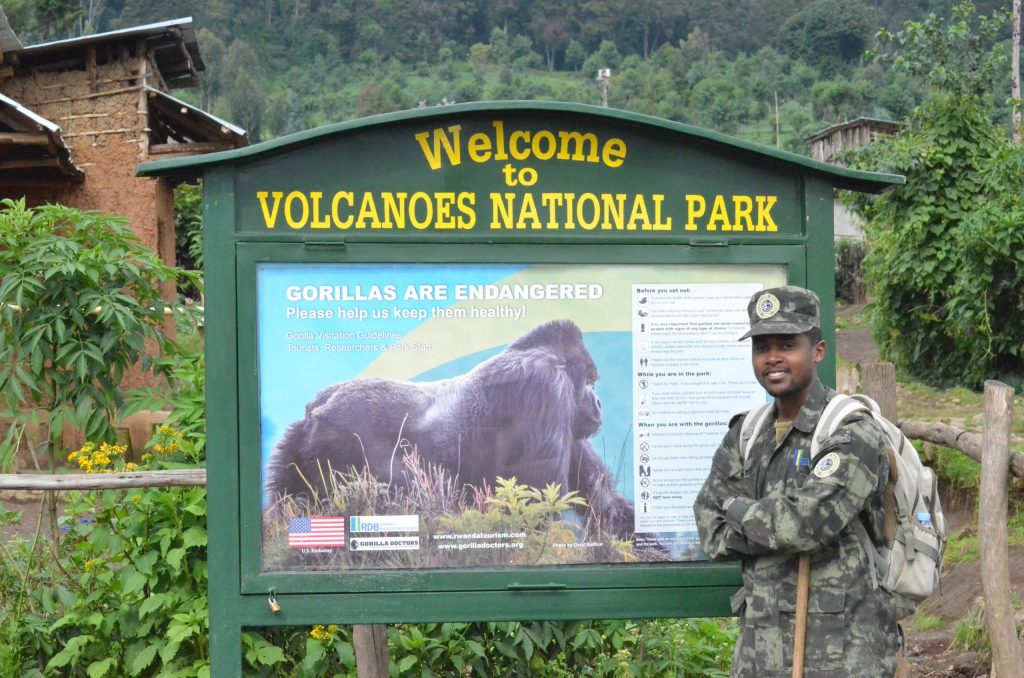
Although the war is far from Rwanda, its effects are being felt globally, including at Volcanoes National Park. Air travel has become more expensive and less predictable due to rising fuel prices, flight rerouting, and airport disruptions. As a result, international tourists are becoming more cautious about long-distance travel.
In addition, ongoing tensions in eastern Democratic Republic of Congo continue to create security concerns in the Great Lakes region. Since Volcanoes National Park is located near the borders of Rwanda, Uganda, and Congo, some travelers associate regional insecurity with the destination.
Because of these combined global and regional issues, tourism businesses, hotels, tour operators, and local communities around Volcanoes National Park are experiencing increased economic pressure in 2026.
The Iran War Is Disrupting Global Tourism
The 2026 Iran War has created major disruptions in global tourism and international travel. The Middle East serves as one of the world’s most important aviation and transport regions connecting Europe, Asia, Africa, and North America. When war expanded across the region, international travel systems immediately experienced serious pressure.
Major airports such as Dubai International Airport and Hamad International Airport in Doha were affected by drone attacks and falling debris during the conflict. These airports are among the busiest international transit hubs in the world. Temporary airport closures stranded hundreds of thousands of passengers and caused widespread travel confusion.
Passenger traffic across major Middle Eastern airports dropped sharply during March and April 2026. Airlines reduced operations because of security concerns, flight disruptions, and reduced traveler confidence. Tourists planning international vacations became more cautious because many flights connecting Europe, Asia, and Africa pass through Middle Eastern transit hubs.
For Rwanda’s tourism sector, this situation creates indirect consequences. Many international tourists visiting Volcanoes National Park rely on connecting flights through Doha, Dubai, or other Middle Eastern airports before arriving in Kigali. Flight disruptions make travel more expensive, complicated, and time-consuming.
For example, a traveler flying from Europe to Rwanda may now face longer delays, canceled flights, or expensive alternative routes because airlines are avoiding conflict zones in the Middle East. Some tourists even postpone vacations completely because of uncertainty surrounding global travel.
Although Rwanda remains peaceful compared to conflict zones, the wider global tourism industry is still heavily affected by the Iran War in 2026.
Rising Jet Fuel Prices Are Increasing Safari Costs
One of the biggest consequences of the Iran-related conflict is the global jet fuel crisis. The conflict has disrupted oil transportation through the Strait of Hormuz, one of the world’s most important oil shipping routes. Iran’s actions against oil tankers in the region have reduced fuel supply and caused global fuel prices to rise sharply.
As fuel prices increase worldwide, airlines are spending much more money operating flights. This situation affects tourism destinations everywhere, including Volcanoes National Park.
Airlines across Europe, Asia, and North America are already reducing flights because of fuel shortages and rising operational costs. Lufthansa has reduced thousands of flights while Air India and several North American airlines are also cutting schedules or introducing heavy fuel surcharges.
The increase in fuel costs affects tourists traveling to Rwanda because international flight tickets are becoming more expensive in 2026. Travelers planning gorilla trekking safaris now spend much more on airfare compared to previous years.
For example, a tourist traveling from Canada or Europe to Kigali may pay significantly higher ticket prices because airlines are adding fuel surcharges and using longer flight routes to avoid conflict zones.
Tour operators around Volcanoes National Park are also affected because transportation inside Rwanda depends heavily on fuel. Safari vehicles transporting tourists between Kigali and Musanze now require larger fuel budgets.
As a result, safari packages, transport services, and tourism activities around Volcanoes National Park are becoming more expensive for both local and international travelers.
Flight Disruptions Are Affecting Tourist Arrivals
The closure of airspace across Iran, Iraq, Israel, and parts of the Persian Gulf has created major flight disruptions around the world. Airlines now avoid flying through conflict zones because of safety risks. Instead, they use longer routes that increase travel time and operational expenses.
These rerouted flights are affecting tourism destinations far from the Middle East, including Rwanda. Flights connecting Europe and Asia to Africa now take longer and cost more because airlines must avoid dangerous airspace.
For travelers visiting Volcanoes National Park, this creates additional stress and uncertainty. Some tourists experience delayed connections while others struggle to secure affordable flights.
For example, a traveler flying from London to Kigali may now experience extended travel hours because airlines are avoiding Middle Eastern airspace. Some travelers may even miss connecting flights due to disruptions caused by rerouting.
Major airports outside the conflict zone are also experiencing reduced passenger traffic. London Heathrow Airport reported lower passenger numbers because flights to the Middle East declined sharply during the conflict.
Travel agencies organizing Rwanda safaris are also facing difficulties because sudden flight changes affect tour schedules. Some tourists cancel bookings after repeated disruptions or rising travel costs.
Even though Volcanoes National Park itself remains peaceful, global aviation problems caused by the Iran War are reducing tourism convenience and affecting visitor confidence in 2026.
Regional Conflict in Eastern Congo Is Adding More Pressure
Besides the Iran War, regional instability in eastern Democratic Republic of Congo continues affecting tourism confidence near Volcanoes National Park. Armed groups operating near the Rwanda-Congo border create security concerns for some travelers.
Volcanoes National Park forms part of the larger Virunga ecosystem shared by Rwanda, Uganda, and Congo. Because of this connection, conflict in eastern Congo often affects perceptions about safety in the entire region.
Some tourists searching online for gorilla trekking information encounter reports about violence in eastern Congo and become worried about traveling near Rwanda’s borders. International media coverage sometimes fails to separate stable tourism areas from actual conflict zones.
For example, a tourist planning a multi-country safari involving Rwanda and Congo may cancel the entire trip after hearing about insecurity in the region.
Tour operators around Volcanoes National Park spend more time reassuring travelers about Rwanda’s security situation. Hotels and safari companies also adjust booking policies because travelers now prefer flexible cancellation options during uncertain periods.
Despite these challenges, Rwanda continues maintaining strong security around Volcanoes National Park. Gorilla trekking activities continue normally, and many tourists still visit safely every year.
However, regional conflict combined with global war-related tensions continues creating pressure on tourism confidence in 2026.

Hotels and Tourism Businesses Are Losing Income
Tourism businesses around Volcanoes National Park depend heavily on international visitors. Hotels, restaurants, transport companies, craft sellers, and tour operators all rely on tourism revenue.
As global conflict affects international travel, some businesses near the park are experiencing reduced bookings and lower income. Tourists who once planned luxury vacations are now shortening trips or delaying travel because of economic uncertainty and rising travel costs.
Luxury lodges near Volcanoes National Park are especially affected because many international travelers now prefer cheaper accommodation or shorter stays. Some hotels receive cancellations whenever major conflict developments appear in international news.
For example, a lodge expecting full occupancy during peak tourism season may suddenly experience reduced bookings after airlines announce flight cancellations or fuel surcharges.
Local restaurants, drivers, and guides are also affected because fewer tourists mean lower business activity. Small tourism companies struggle the most because they depend heavily on regular safari bookings.
Craft sellers around the park are equally affected because tourists now spend money more carefully during expensive trips. Visitors may buy fewer souvenirs because transportation and accommodation already consume most of their travel budgets.
Despite these challenges, tourism businesses continue adapting by offering flexible booking policies, affordable packages, and shared transportation services.
Travelers Are Becoming More Cautious
Tourists in 2026 are becoming more careful when planning international travel. War, rising fuel prices, flight disruptions, and economic uncertainty are influencing travel decisions across the world.
Many travelers now prefer destinations with strong security and reliable tourism systems. Rwanda still benefits from its reputation for stability, but some tourists remain cautious because of nearby regional tensions and global conflict headlines.
Travelers also pay closer attention to airline refund policies and travel insurance before booking trips. Major airlines such as Emirates, British Airways, and Qatar Airways are now offering flexible cancellation and refund policies because of uncertainty caused by the Middle East conflict.
For example, tourists planning gorilla trekking safaris may delay booking flights until they feel more confident about global travel conditions.
Group travel is also becoming more common because tourists want to reduce costs caused by expensive airfares and fuel surcharges. Some travelers shorten vacations to reduce total travel expenses.
Online travel discussions strongly influence tourist behavior. Many tourists now search for updated safety information before visiting Volcanoes National Park.
Even with these concerns, Rwanda continues attracting travelers because of its organized tourism industry, strong conservation efforts, and unique wildlife experiences.
Rwanda Is Strengthening Tourism Security and Marketing
As global conflict affects international tourism, Rwanda is increasing efforts to protect tourism around Volcanoes National Park. Security agencies continue working closely with tourism authorities to maintain safety around major tourist destinations.
Park authorities are strengthening anti-poaching patrols, border monitoring, and conservation programs to protect both tourists and wildlife. Rwanda also continues promoting tourism internationally to reassure travelers that the country remains safe for visitors.
Tour operators now provide regular travel updates to clients while hotels offer flexible booking arrangements during uncertain periods.
For example, tourism companies are encouraging travelers to book directly through trusted operators who can quickly respond to flight changes and travel disruptions.
Rwanda is also promoting domestic and regional tourism to reduce dependence on international visitors affected by global travel disruptions.
These efforts are helping Volcanoes National Park remain active despite the challenges created by war and global instability in 2026.
Conclusion
As of 2026, war and international conflict are having a significant impact on tourism at Volcanoes National Park. The ongoing Iran War in the Middle East has disrupted global aviation, increased fuel prices, damaged airport operations, and reduced tourism confidence worldwide.
At the same time, regional instability in eastern Congo continues creating additional concern for travelers visiting the Great Lakes region. These combined challenges are affecting flight schedules, safari costs, hotel bookings, and tourism business activity around Volcanoes National Park.
Tourists are now spending more money on travel because airfares, fuel costs, and transportation expenses continue rising. Some travelers are postponing vacations while others shorten trips or search for cheaper travel options.
Despite these difficulties, Volcanoes National Park remains one of Africa’s leading wildlife destinations. Gorilla trekking, volcanic scenery, and Rwanda’s strong conservation efforts continue attracting tourists from around the world.
Rwanda’s tourism sector is also adapting through stronger security measures, flexible booking systems, and sustainable tourism strategies.
Although war-related tensions are creating pressure on global tourism in 2026, Volcanoes National Park continues offering unforgettable experiences for travelers seeking wildlife adventures and natural beauty.