
Queen Elizabeth National Park vs Murchison Falls National Park vs Lake Mburo National Park: Which Uganda Safari Destination Is Best for You?
Queen Elizabeth National Park vs Murchison Falls National Park vs Lake Mburo National Park is one of the most important comparisons for travelers planning a safari in Uganda. Each of these parks offers a completely different experience, from powerful waterfalls and vast savannahs to crater lakes, tree-climbing lions, and quiet walking safaris.
Uganda is not a typical “one-type safari” destination. Instead, it blends dramatic landscapes, rich wildlife, and unique safari activities within relatively short travel distances. This makes choosing the right national park an important decision, especially for first-time visitors.
Murchison Falls National Park is known for its dramatic Nile River explosion at Murchison Falls and classic big game safaris. Queen Elizabeth National Park is Uganda’s most diverse park, famous for tree-climbing lions and the Kazinga Channel. Lake Mburo National Park, on the other hand, is smaller, quieter, and perfect for short safaris and walking experiences.
This guide compares all three parks in a natural, easy-to-understand way so you can decide which destination best fits your travel style, time, and expectations.
Murchison Falls National Park: Power, Rivers, and Classic Safari Landscapes
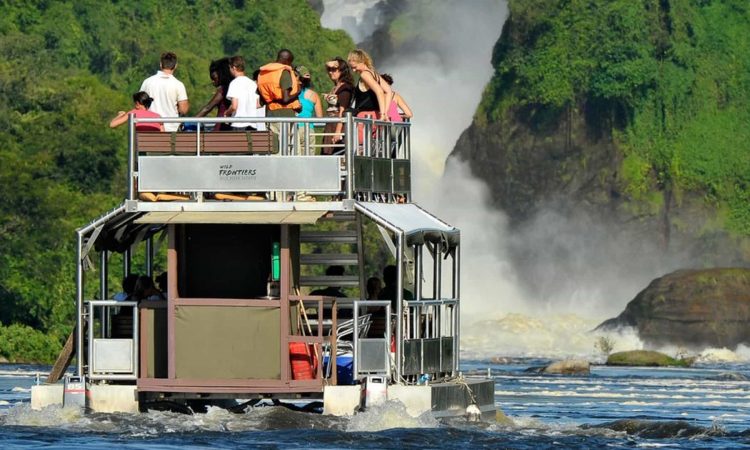
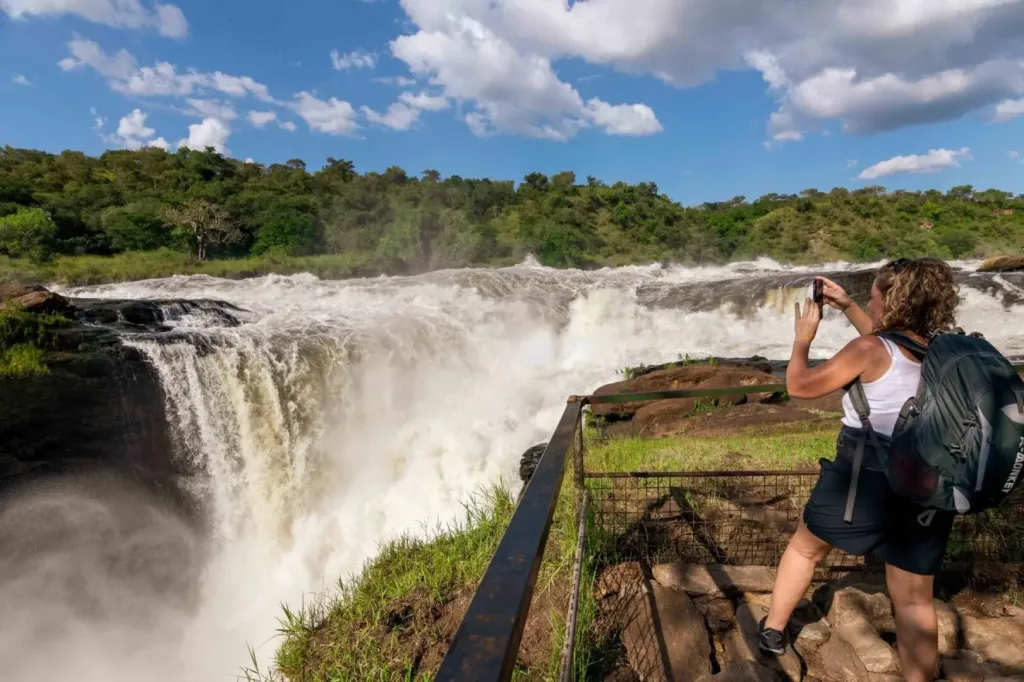
Murchison Falls National Park feels big, wild, and dramatic from the moment you enter. It is Uganda’s largest national park and home to one of Africa’s most powerful natural wonders—the Nile squeezing through a narrow gorge before exploding into a thunderous waterfall.
Standing at the top of the falls is one of those safari moments you don’t forget easily. The ground shakes, mist fills the air, and the river suddenly transforms into raw natural power. Downstream, boat safaris along the Nile reveal another side of the park, where hippos crowd the water, crocodiles sunbathe on the banks, and elephants often come down to drink.
Game drives in the northern sector feel like a classic African safari. Open savannah stretches into the distance, and wildlife is easier to spot compared to forested parks. Lions, giraffes, buffaloes, and antelopes are commonly seen, while leopards require a bit more luck and patience.
What makes Murchison especially appealing is the variety in a single destination. In one trip, you can experience river safaris, waterfalls, savannah game drives, and birdwatching in the Nile delta. It is a complete safari ecosystem rather than a single attraction.
If you are looking for drama, power, and big landscapes, this park usually becomes a top choice.
Queen Elizabeth National Park: Uganda’s Most Diverse Safari Experience
If there is one park in Uganda that feels like it has everything, it is Queen Elizabeth National Park. It is not just about wildlife—it is about variety. Rolling savannahs, crater lakes, wetlands, forests, and open plains all blend into one massive ecosystem.
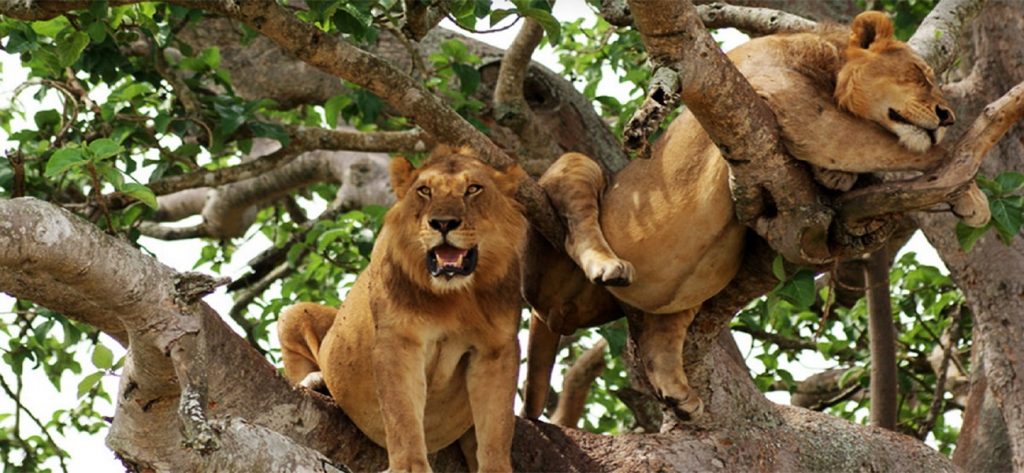
One of the park’s most famous attractions is the tree-climbing lions found in the Ishasha sector. Seeing a lion resting on a fig tree branch feels unusual and almost surreal. It is one of those sightings that photographers specifically travel here for.
Then there is the Kazinga Channel, a natural waterway that connects Lake Edward and Lake George. A boat cruise here brings you incredibly close to wildlife. Hippos line the shores in large numbers, crocodiles rest in the sun, and elephants often walk right down to the water. Birdlife is also extremely rich, making it one of the best birdwatching locations in East Africa.
Beyond that, the park supports elephants, buffaloes, lions, hyenas, and a wide variety of antelope species. In nearby Kyambura Gorge, visitors can even track chimpanzees, adding a primate experience to a traditional safari.
What makes Queen Elizabeth special is balance. It is not extreme in one direction—it offers wildlife, scenery, water-based safaris, and forest experiences all in one destination.
Lake Mburo National Park: Small, Peaceful, and Surprisingly Different
Lake Mburo National Park feels very different from the larger parks. It is smaller, more relaxed, and much easier to explore in a short time. Because of its size, wildlife encounters often feel closer and more personal.
The park is especially known for zebras and impalas, which are not commonly seen in the same numbers elsewhere in Uganda. Eland, buffaloes, warthogs, and giraffes also add to the experience, along with hippos in the lake.
One of the biggest differences here is the type of activities allowed. Unlike most national parks, Lake Mburo offers walking safaris and cycling experiences. Walking through the savannah while zebras graze nearby creates a very different safari feeling compared to staying in a vehicle.
Boat trips on Lake Mburo also provide a calm way to see hippos and birds, especially around sunset. Night game drives add another layer, giving visitors a chance to spot nocturnal wildlife.
Lake Mburo is often chosen by travelers who want a short safari, a stopover between destinations, or a softer introduction to Uganda’s wildlife without long travel times or heavy crowds.
Wildlife Experience: What You Will Actually See
Each park offers a slightly different wildlife focus, even though they all belong to Uganda’s savannah ecosystem.
Murchison Falls National Park is strongest for elephants, giraffes, lions, and river-based wildlife. The concentration around the Nile makes sightings predictable and rewarding.
Queen Elizabeth National Park offers the widest variety. Lions, elephants, hippos, crocodiles, and chimpanzees all exist within the same general ecosystem, making it the most diverse wildlife destination in Uganda.
Lake Mburo National Park is more specialized. It is the best place for zebras, impalas, and close-up wildlife encounters, especially during walking safaris.
Instead of asking which park has “the most animals,” it is more useful to ask what kind of experience you want—river safari, diverse ecosystem, or intimate walking safari.
Scenic Beauty and Landscape Differences
- The scenery in these parks is one of the biggest deciding factors for travelers.
- Murchison Falls is dramatic and powerful, defined by the Nile River and its famous waterfall.
- Queen Elizabeth feels expansive and varied, with crater lakes, savannah plains, and wetlands blending into each other.
- Lake Mburo is softer and more intimate, with rolling hills, small lakes, and open grasslands that feel peaceful rather than dramatic.
- Each landscape creates a different emotional experience, even if the wildlife overlaps.
Accessibility and Travel Style
- Travel time also plays a big role in choosing between these parks.
- Lake Mburo is the closest to Kampala and is ideal for short safaris or quick stopovers.
- Murchison Falls requires more travel time but rewards visitors with large landscapes and river-based experiences.
- Queen Elizabeth sits in the middle and is often combined with gorilla trekking in Bwindi, making it part of longer safari circuits.
Accommodation in Queen Elizabeth National Park vs Murchison Falls National Park vs Lake Mburo National Park
Accommodation in all three parks ranges from luxury lodges to budget camps, but the experience differs depending on location and park style.
In Murchison Falls National Park, most lodges are positioned near the Nile River or in the northern game drive sector. Luxury lodges often offer river views, boat access, and infinity pools overlooking wildlife corridors. Mid-range and budget options are also available near park gates, making it suitable for all travel budgets.
In Queen Elizabeth National Park, accommodation is widely spread across multiple sectors like Mweya, Kasenyi, and Ishasha. Many lodges sit near crater lakes or savannah plains, offering scenic views and easy access to game drives and boat cruises. This park has the widest range of accommodation styles, from luxury eco-lodges to simple community stays.
In Lake Mburo National Park, accommodation is smaller in scale but very scenic. Lodges are often located on hills or near the lake, offering peaceful views of zebras and open grasslands. Because of its compact size, most lodges provide quick access to walking safaris and boat rides.
Overall, accommodation in all three parks is well developed, but the experience ranges from dramatic (Murchison), diverse (Queen Elizabeth), to peaceful and intimate (Lake Mburo).
Queen Elizabeth National Park vs Murchison Falls National Park vs Lake Mburo National Park: How to Choose
Choosing between these parks depends on your travel goals rather than which one is “best.”
Choose Murchison Falls if you want:
- Waterfalls and Nile River safari
- Classic big game experience
- Dramatic landscapes
Choose Queen Elizabeth if you want:
- Maximum wildlife diversity
- Tree-climbing lions
- Boat safari + savannah + primates
Choose Lake Mburo if you want:
- Short and easy safari
- Walking or cycling experience
- Peaceful and less crowded park
Conclusion.
Comparing Queen Elizabeth National Park vs Murchison Falls National Park vs Lake Mburo National Park shows that Uganda does not offer one safari style—it offers three completely different experiences.
Murchison Falls National Park delivers power and dramatic river landscapes. Queen Elizabeth National Park offers the richest and most diverse safari ecosystem. Lake Mburo National Park provides the most relaxed and intimate wildlife experience.
The best choice depends on your time, budget, and travel style. Many visitors combine all three parks to experience Uganda’s full safari range—from waterfalls to savannahs and peaceful walking safaris.
No matter which you choose, each park reveals a different and unforgettable side of Uganda’s wilderness.