
Kanyanchu vs Kaniyo Pabidi Eco-Tourism Site: Which Chimpanzee Trekking Destination Is Best?
Kanyanchu vs Kaniyo Pabidi Eco-Tourism Site is a comparison that many travelers make when planning a chimpanzee trekking safari in Uganda. Both destinations offer exceptional opportunities to encounter wild chimpanzees in their natural habitat, yet they provide distinctly different experiences. From the dense tropical forests of Kibale National Park to the ancient mahogany forests of Budongo, each location appeals to a different type of traveler.
Uganda is often referred to as the primate capital of East Africa because of its incredible diversity of primate species and protected forest ecosystems. Chimpanzee trekking has become one of the country’s most sought-after wildlife activities, attracting photographers, researchers, conservation enthusiasts, and adventure travelers from around the world.
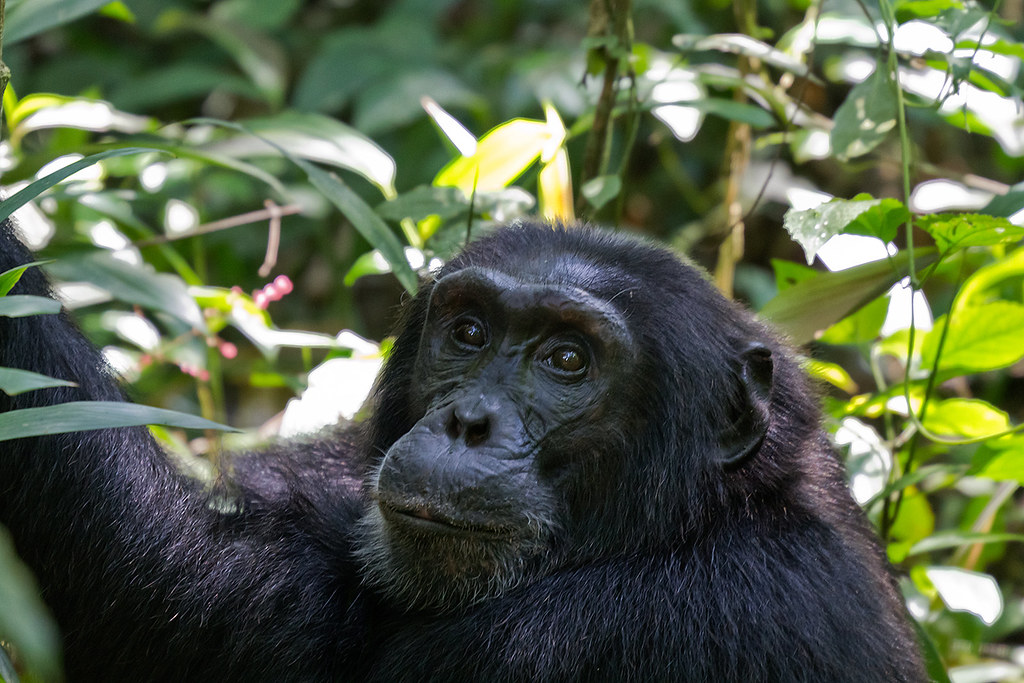
When comparing Kanyanchu vs Kaniyo Pabidi Eco-Tourism Site, factors such as chimpanzee sighting rates, accessibility, forest scenery, permit availability, biodiversity, and overall visitor experience become important. Some travelers prioritize the highest chance of seeing chimpanzees, while others seek a quieter and more immersive forest adventure.
This guide provides an in-depth comparison of Kanyanchu and Kaniyo Pabidi, helping you choose the destination that best matches your safari goals and travel preferences.
Kanyanchu: Uganda’s Premier Chimpanzee Trekking Destination
Location and Overview
Kanyanchu is located within Kibale National Park, one of Africa’s most important tropical rainforest ecosystems. The visitor center serves as the main starting point for chimpanzee trekking activities and is widely recognized as Uganda’s most famous chimpanzee tracking location.
The area has gained international recognition due to its large population of habituated chimpanzees and consistently successful tracking experiences. For many travelers, Kanyanchu represents the gold standard of chimpanzee trekking in Uganda.
Chimpanzee Tracking Experience
The chimpanzee trekking experience at Kanyanchu begins with a briefing from experienced park rangers. Visitors are then guided into the forest in search of habituated chimpanzee communities that are accustomed to human presence.
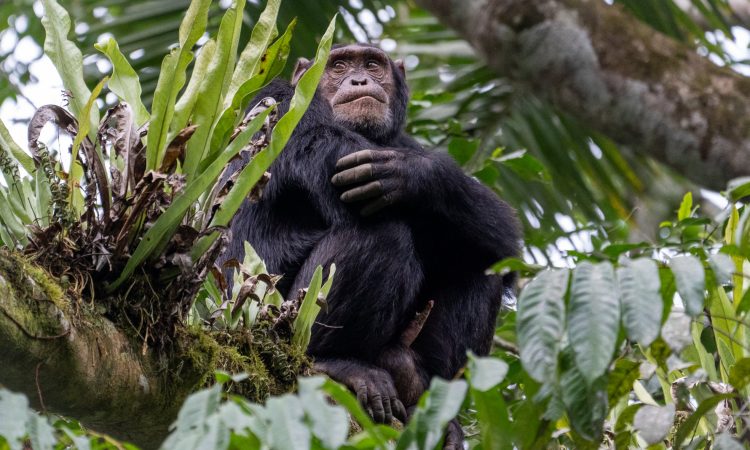
One of Kanyanchu’s greatest strengths is its high chimpanzee encounter rate. Rangers closely monitor chimpanzee movements, allowing visitors to locate groups relatively efficiently. Once found, trekkers are allowed to spend time observing the chimpanzees as they feed, groom, communicate, and move through the forest canopy.
The experience provides a fascinating insight into chimpanzee behavior and social dynamics.
Wildlife Beyond Chimpanzees
Kibale National Park is home to an extraordinary diversity of wildlife. During a trek, visitors may encounter:
- Red-tailed monkeys
- Black-and-white colobus monkeys
- Grey-cheeked mangabeys
- Olive baboons
- Forest elephants
- Hundreds of bird species
This rich biodiversity makes every trek unique and enhances the overall safari experience.
Why Kanyanchu Stands Out
Key advantages include:
- High chimpanzee sighting success rates
- Excellent tourism infrastructure
- Experienced ranger guides
- Rich biodiversity
- Easy integration into Uganda safari itineraries
For first-time chimpanzee trekkers, Kanyanchu often provides the most reliable and rewarding experience.
Kaniyo Pabidi Eco-Tourism Site: Budongo Forest’s Hidden Treasure
Location and Forest Environment
Kaniyo Pabidi Eco-Tourism Site is located within Budongo Forest Reserve in northwestern Uganda. Unlike the dense rainforest environment of Kibale, Budongo is famous for its majestic mahogany trees, diverse birdlife, and relatively quiet tourism atmosphere.
The forest forms part of the greater Murchison Falls Conservation Area, making it an excellent addition to wildlife safaris that include game drives and visits to Murchison Falls National Park.
Chimpanzee Tracking Experience
Chimpanzee trekking at Kaniyo Pabidi offers a more intimate and less crowded experience compared to Kanyanchu. Visitors often appreciate the peaceful atmosphere and lower visitor numbers.
The habituated chimpanzee groups in Budongo Forest provide excellent viewing opportunities, although tracking can sometimes require more time and effort depending on the location of the chimpanzees.
Many visitors describe the experience as authentic and immersive because of the forest’s natural setting and quieter trails.
Unique Biodiversity
Kaniyo Pabidi is renowned for its biodiversity. The forest supports numerous wildlife species and is considered one of Uganda’s top birdwatching destinations.
Wildlife commonly observed includes:
- Chimpanzees
- Blue monkeys
- Red-tailed monkeys
- Black-and-white colobus monkeys
- Rare forest birds
- Butterflies and reptiles
Bird enthusiasts particularly value Kaniyo Pabidi because it hosts several species that are difficult to find elsewhere in Uganda.
Why Travelers Choose Kaniyo Pabidi
Popular reasons include:
- Fewer crowds
- Scenic forest trails
- Strong conservation focus
- Excellent birdwatching opportunities
- Convenient combination with Murchison Falls safaris
For travelers seeking a quieter forest adventure, Kaniyo Pabidi is an excellent choice.
Comparing Chimpanzee Sighting Rates
Kanyanchu
Kanyanchu is widely regarded as having one of the highest chimpanzee sighting success rates in Uganda. Years of habituation and active monitoring contribute to consistently positive tracking experiences.
Visitors often locate chimpanzee groups within a relatively short time, making the destination especially attractive for travelers with limited schedules.
Kaniyo Pabidi
Kaniyo Pabidi also offers strong chimpanzee viewing opportunities. However, the experience can be less predictable because chimpanzees may travel longer distances through the forest.
Many visitors appreciate this unpredictability because it creates a more adventurous and authentic tracking experience.

Which Destination Offers Better Chances?
In terms of pure sighting probability, Kanyanchu generally has a slight advantage. However, both destinations provide excellent opportunities to encounter wild chimpanzees.
For travelers focused solely on maximizing sightings, Kanyanchu often comes out ahead. For those seeking a more immersive forest experience, Kaniyo Pabidi remains highly attractive.
Accessibility and Visitor Experience
Getting to Kanyanchu
Kanyanchu is located in western Uganda and is relatively easy to access from major tourism centers. Many safari itineraries include Kibale National Park alongside Queen Elizabeth National Park and Bwindi Impenetrable National Park.
The road network and tourism facilities are well developed, making travel straightforward for most visitors.
Getting to Kaniyo Pabidi
Kaniyo Pabidi is situated near Murchison Falls National Park, Uganda’s largest national park. This location allows visitors to combine chimpanzee trekking with game drives, boat cruises, and waterfall excursions.
The destination is particularly appealing for travelers who want to experience both forest wildlife and classic African safari activities.
Comparing Overall Experience
Kanyanchu offers:
- More established tourism infrastructure
- Higher visitor numbers
- Easier logistics
- Strong chimpanzee encounter rates
Kaniyo Pabidi offers:
- Fewer crowds
- Greater tranquility
- Combination with Murchison Falls
- Exceptional birdwatching
The better choice depends on individual travel preferences.
Biodiversity and Forest Scenery
Kibale National Park
Kibale’s rainforest is lush, dense, and exceptionally biodiverse. The forest is often described as one of the best places in Africa for primate viewing.
The atmosphere is vibrant, with towering trees, dense undergrowth, and abundant wildlife.
Budongo Forest
Budongo Forest has a distinctive character defined by ancient mahogany trees and open forest sections. The forest feels spacious and serene, creating a different but equally rewarding experience.
Photographers often appreciate Budongo’s natural lighting and forest structure.
Which Forest Is More Beautiful?
Beauty is subjective.
Travelers who love dense tropical rainforest environments often prefer Kibale. Those who appreciate ancient trees, tranquility, and open forest landscapes frequently favor Budongo.
Both forests provide exceptional opportunities for wildlife photography and nature appreciation.
Kanyanchu vs Kaniyo Pabidi Eco-Tourism Site: Which One Should You Choose?
Choosing between Kanyanchu vs Kaniyo Pabidi Eco-Tourism Site depends largely on your travel priorities.
Choose Kanyanchu if you want:
- The highest chimpanzee sighting success rates
- Excellent tourism infrastructure
- A world-famous chimpanzee trekking destination
- Access to numerous primate species
Choose Kaniyo Pabidi if you want:
- Fewer tourists
- A quieter forest experience
- Outstanding birdwatching
- Combination with Murchison Falls National Park
Neither destination is objectively better than the other. Instead, each caters to different travel styles and interests.
Conclusion.
After comparing Kanyanchu vs Kaniyo Pabidi Eco-Tourism Site, it becomes clear that both destinations rank among Uganda’s finest chimpanzee trekking locations.
Kanyanchu remains the leading choice for travelers seeking reliable chimpanzee encounters, professional guiding services, and a well-established tourism experience. Its reputation as Uganda’s premier chimpanzee trekking destination is well deserved.
Kaniyo Pabidi, on the other hand, appeals to travelers who value solitude, biodiversity, and the opportunity to combine chimpanzee trekking with a broader Murchison Falls safari experience. The forest’s peaceful atmosphere and remarkable birdlife create a unique wilderness adventure.
Ultimately, the best destination depends on your personal travel goals. Whether you choose Kanyanchu or Kaniyo Pabidi, you can expect unforgettable encounters with chimpanzees and a deeper appreciation for Uganda’s remarkable forest ecosystems.