
Responsible Gorilla Trekking Rules & Regulations — Volcanoes National Park
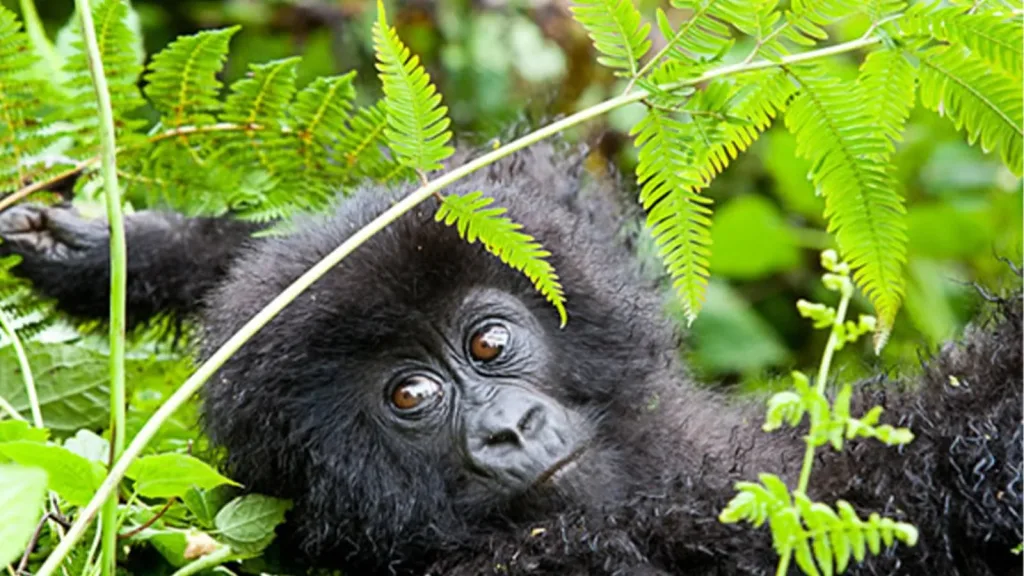
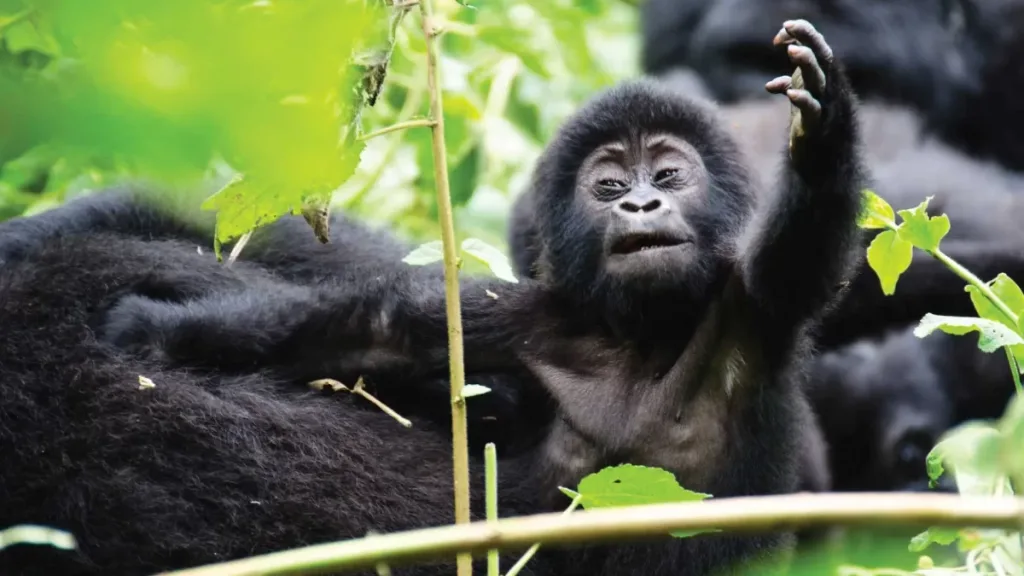
Responsible Gorilla Trekking Rules & Regulations, Trekking to see Mountain Gorillas in their natural habitat is one of the most breathtaking and transformative wildlife experiences on Earth. Deep within the misty rainforest of Volcanoes National Park, Rwanda, lies the rare opportunity to stand just meters away from a family of critically endangered mountain gorillas a moment that leaves a lasting impression on all who witness it.
Gorilla trekking in Rwanda’s Volcanoes National Park is a privilege that comes with firm rules designed to protect both people and mountain Gorillas. These regulations balance visitor experience with conservation and community wellbeing and they’re non-negotiable. Below is a detailed, practical guide to the rules and regulations you must know before you go, why each rule exists, and how to follow them to ensure your trek is safe, ethical, and truly meaningful.
In this blog, we’ll explore the key rules and regulations of responsible gorilla trekking in Volcanoes National Park, why they matter, and how you, as a visitor, can ensure your journey is ethical, respectful, and impactful.

Why Are Rules So Important in Gorilla Trekking?
Mountain gorillas are among the world’s most endangered great apes. They share about 98% of their DNA with us, making them highly susceptible to human diseases. Their population is small, habitat limited and under pressure from climate change, human encroachment, disease, and poaching.
Rwanda has built a model of conservation in Volcanoes National Park, where park authorities, researchers, local communities, and tourists all have roles to play. The rules are designed to:
Minimize stress on the gorillas
Avoid disease transmission from humans Reduce habitat disturbance
Keep gorillas wild and undisturbed by human behavior Ensure safety of visitors
Preserve the trekking experience for future generations
The Key Rules & Regulations
Age limit and eligibility
Visitors must be 15 years old or older. Children under 15 are not allowed. Young children may behave unpredictably (crying/screaming) which could alarm gorillas, increasing stress. Young children are more likely to panic or make sudden movements that could disturb the animals. In
addition to age, trekkers must present identification (usually a passport) and the printed or digital permit at registration.
Health precautions
Because gorillas share nearly 98% of our DNA, even common human respiratory infections can be lethal to them. For this reason, Sick people are barred from trekking. If you have a cough, fever, or other symptoms, you will not be allowed to participate.
Park authorities may require masks or other protective measures when visiting gorillas, especially during outbreaks of human respiratory disease. Always follow the latest guidance from park staff on the day of your trek.
Health rules are the frontline defense against zoonotic disease — protecting gorillas from the diseases we commonly carry.
Group Size Limit
Each habituated gorilla family may only be visited by one group of a maximum of 8 people per day. This minimizes human impact, reduces disease transmission risk, and avoids overwhelming the animals. To limit disturbance, reduce stress on gorillas, manage human impact on trails, and ensure quality experience. Smaller groups are easier to manage and less disruptive.
Distance and Interaction with Gorillas
Visitors must stay at least 7 meters (23 feet) away from the gorillas at all times. This reduces the chance of disease transmission and keeps the gorillas comfortable and unthreatened. Photographers must resist the impulse to close the gap for a better shot; park rangers and guides will enforce distance rules. If a gorilla approaches you, remain still and follow ranger instructions do not attempt to touch or feed the animals.
It Prevents disease transmission, ensures gorillas feel safe and unthreatened. It also helps avoid provoking reactions if humans approach too closely.
Time Limit with Gorillas
Visitors are permitted to spend a maximum of one hour with the gorillas once they are located. This time limit helps prevent stressing the gorillas and allows them to continue their natural activities without prolonged human interference.
To limit disturbance and stress on gorillas. Extended presence could disrupt feeding, resting, social behavior. Managing time ensures sustainable interactions.
Behavior in the presence of gorillas
When you find a gorilla family, remember the encounter rules: keep voices low, move slowly, switch off camera flash, and avoid direct eye contact (which can be interpreted as a threat).
Rangers will brief you on permitted behavior before you enter the forest — follow those instructions precisely. Photography is normally allowed, but flash is banned and rangers may direct where you can stand. These behaviors reduce stress on gorillas, prevent provoking them, shield them from undue human influence, and avoid disease spread. Keeping calm and following guide’s protocol ensures safety.
Environmental Responsibility
Visitors are expected to adhere to the principle of “Leave No Trace.” This includes: Carrying out all trash: Dispose of waste in designated bins at the park offices or lodges. Volcanoes National Park Rwanda
Using the restroom responsibly: If nature calls during the trek, inform your guide. They will assist in digging a hole at least 30 cm deep to bury human waste.
Avoiding the collection of plants, rocks, or artifacts: Removing items from the forest can disrupt the ecosystem and is prohibited.
Safety and Guide Protocol
Each trek is led by an experienced guide and accompanied by trackers. These professionals are trained to ensure the safety of both visitors and gorillas. Visitors should always follow the instructions of their guide, stay within the designated group, and avoid wandering off the trail.
Physical Fitness and Trek Preparation
Gorilla trekking can be physically demanding. Treks can range from 30 minutes to 6 hours, depending on where the gorillas are located. Prepare by: Wearing comfortable, waterproof hiking boots, dressing in long sleeves and trousers, Bringing rain gear and insect repellent, Hiring a porter to help with your bag (this also supports local communities) Your physical readiness helps prevent accidents and ensures you can enjoy the experience safely.
Penalties and enforcement
Violations of park rules such as getting too close to gorillas, feeding them, or attempting to bribe guides can result in immediate removal from the trek, fines, and even prosecution depending on severity. Park authorities take enforcement seriously because a single lapse can cause irreversible harm. Strict enforcement deters risky behavior and protects the long-term health of gorilla populations.
How These Rules Benefit All Stakeholders
For the gorillas: less risk of disease, less stress, more natural behavior maintained; habitat is disturbed less; longevity and population health preserved.
For visitors: safer trekking, more authentic experience, minimal risk of conflict or discomfort; high‑quality viewing; satisfaction knowing your experience is ethical.
For conservation & communities: steady revenue; local employment; trust and investment; stronger ecosystem protection; tourists help fund anti‑poaching and forest protection.
What Happens If Rules Are Broken
Visitors who violate rules (e.g. approaching too close, using flash, feeding gorillas, being sick but still trekking) may be asked to leave or have their viewing terminated early.
Tour operators or guides who encourage or allow rule violations can lose permits or face penalties.
Diseases introduced by humans could cause epidemics among gorillas, threatening entire families.
In Conclusion
Responsible gorilla trekking in Rwanda is built on clear rules and regulations designed to protect both the endangered mountain gorillas and their fragile habitat. By following guidelines such as maintaining a safe distance, avoiding trekking when ill, limiting group sizes, and respecting the environment, visitors play a vital role in supporting conservation efforts. These rules not only ensure the safety and well-being of the gorillas but also enhance the quality and sustainability of the trekking experience. In Rwanda, responsible tourism isn’t just encouraged, it’s essential for preserving this once-in-a-lifetime opportunity for future generations.