
Ecotourism and Conservation in Rwanda – Protecting Nature Through Responsible Travel
Rwanda, famously known as the “Land of a Thousand Hills,” has become a global leader in ecotourism and conservation. The country has transformed its tourism industry into a model of sustainability, where protecting wildlife and empowering communities go hand in hand. From gorilla trekking in Volcanoes National Park to reforestation projects and eco-friendly lodges, Rwanda proves that tourism can thrive while preserving nature.
The Role of Ecotourism in Rwanda
Ecotourism in Rwanda focuses on low-impact, high-value travel. Instead of mass tourism, Rwanda limits visitor numbers to sensitive areas, such as gorilla habitats, while charging permit fees that directly fund conservation. This ensures that tourism supports long-term protection rather than harming fragile ecosystems.
Visitors play an important role: every permit purchased helps conserve wildlife, improve infrastructure, and benefit local people living near protected areas.
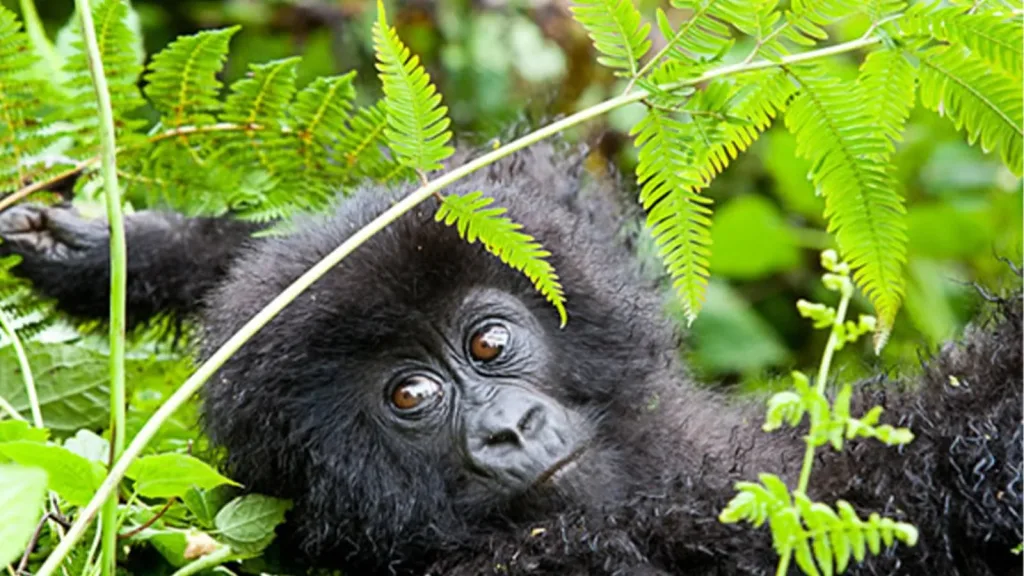
Gorilla Conservation – Rwanda’s Success Story
Mountain gorillas were once on the brink of extinction, but Rwanda’s conservation efforts have turned the tide. In Volcanoes National Park, gorilla trekking permits are priced to support anti-poaching patrols, veterinary care, and ranger salaries.
A portion of permit revenue also goes to local communities, funding schools, healthcare, and infrastructure. This has created harmony between people and gorillas, reducing conflicts and ensuring both thrive.
Community Involvement in Conservation
Rwanda’s model emphasizes community ownership of ecotourism. Villages near national parks benefit directly from tourism income, which discourages poaching and promotes conservation-friendly practices. Community-based projects, such as cultural performances, homestays, and handicraft cooperatives, provide additional income streams while keeping traditions alive.
National Parks as Conservation Hubs
Rwanda has invested heavily in restoring and protecting its natural heritage:
- Volcanoes National Park: Home to mountain gorillas and golden monkeys, it stands as Rwanda’s most iconic conservation area.
- Akagera National Park: Once depleted of wildlife, it has been restored with elephants, lions, rhinos, and giraffes through successful reintroduction programs.
- Nyungwe Forest National Park: A biodiversity hotspot protecting chimpanzees and hundreds of bird species while offering eco-friendly tourism like canopy walks.
- Gishwati-Mukura National Park: A reforested conservation success, linking fragmented habitats and protecting endangered primates.
These parks not only protect wildlife but also generate revenue to maintain ecosystems and support rural communities.
Eco-Friendly Lodges and Sustainable Practices
Rwanda promotes eco-conscious accommodation, from luxury lodges to community-owned camps. Many are built with local materials, run on solar power, and use water recycling systems. By staying in these lodges, travelers minimize their footprint and support sustainable development.
Reforestation and Green Initiatives
Rwanda is one of Africa’s greenest countries. Nationwide reforestation campaigns, plastic bag bans, and monthly community clean-up days (known as Umuganda) showcase Rwanda’s dedication to environmental protection. These initiatives complement ecotourism by keeping landscapes pristine and habitats intact.
Why Rwanda is a Model for Ecotourism
Rwanda demonstrates that conservation and tourism can work together to benefit people and nature. By investing in protection, involving communities, and promoting eco-friendly practices, Rwanda has turned its wildlife into a symbol of national pride and global admiration.
For travelers, ecotourism in Rwanda means unforgettable experiences – trekking with gorillas, hiking volcanic peaks, or exploring lush forests – all while contributing to a sustainable future.