
Best way of protecting Great Apes and their habitats.
Best way of protecting Great Apes and their habitats, In the remote rainforests of Africa, great apes – Chimpanzees, bonobos, Gorillas, and orangutans live complex, emotional lives. They form strong social bonds, use tools, show empathy, and even mourn their dead. These incredible creatures are our closest living relatives, sharing up to 98.7% of our DNA. And yet, every great ape species is endangered—some critically.
Protecting great apes is not just about saving animals; it’s about preserving some of the last fragments of the natural world where wildness still thrives. But how can we protect them and the forests they call home?
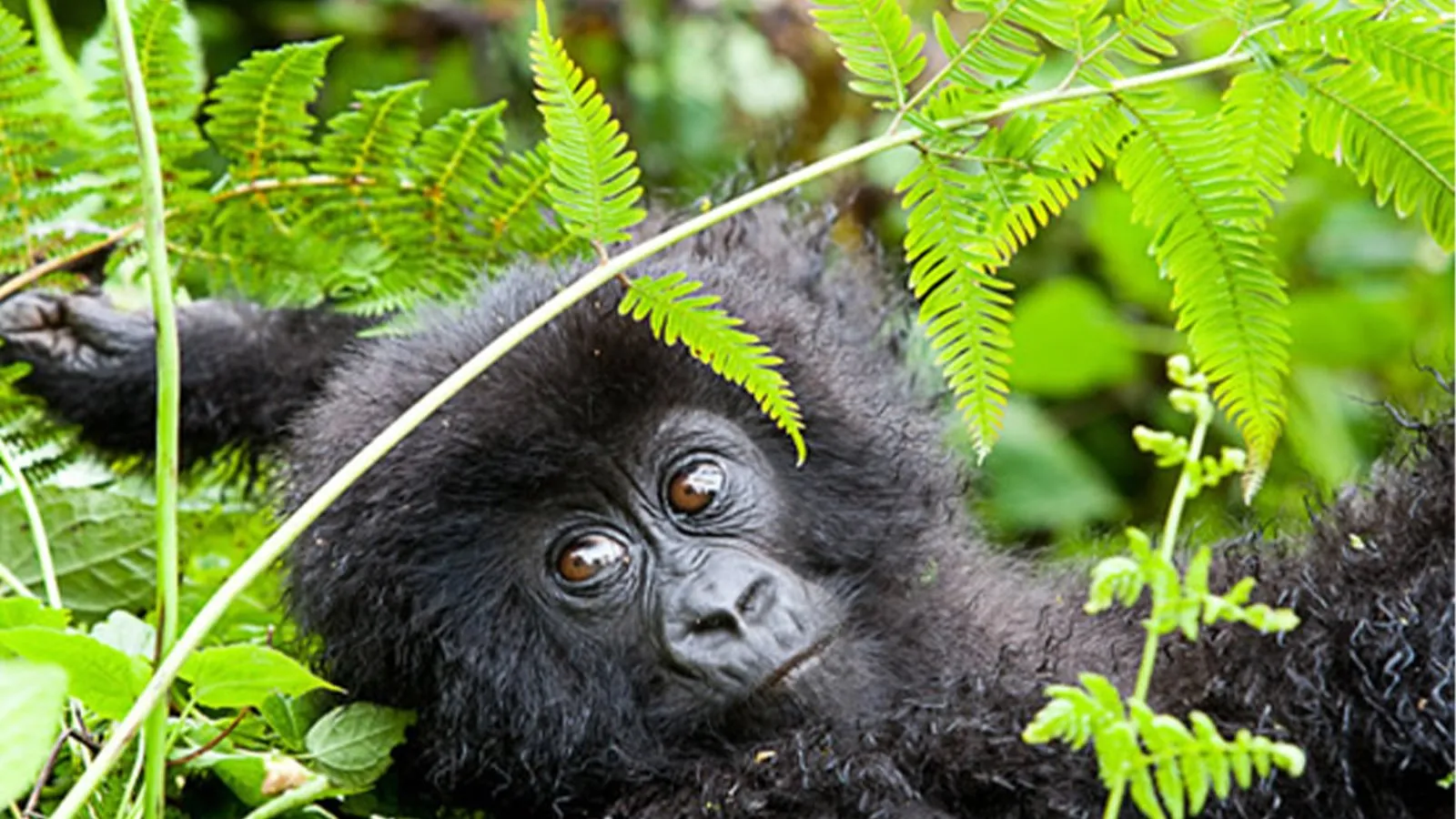
The best ways to protect great apes and their habitats
1. Safeguarding Forest Habitats
The first step in protecting great apes is protecting the forests they call home. From the misty mountains of Central Africa to the rainforests of Borneo, apes rely on vast, healthy ecosystems for food, nesting, and movement.
Establishing and expanding national parks: Countries like Rwanda and Uganda have set aside Gorilla strongholds such as Volcanoes National Park and Bwindi Impenetrable Forest. These safe havens are critical for survival.
Reforestation and habitat corridors: Where forests have been fragmented, planting trees to connect isolated populations gives apes more space and increases genetic diversity.
Stronger land-use planning: Governments can limit destructive activities like logging, mining, and palm oil plantations in ape habitats.
Protecting forests benefits more than apes. These ecosystems regulate water, capture carbon, and support thousands of other species.
2. Combating Poaching and Illegal Trade
Despite legal protection, great apes are still victims of poaching. They are hunted for bush meat, traditional medicine, or captured for the exotic pet trade. Even when not targeted directly, they are often injured by snares meant for other animals.
Solutions include:
Deploying anti-poaching patrols and ranger units trained to monitor forests and enforce laws. Introducing heavier penalties for those caught hunting or trafficking apes.
Engaging local communities as wildlife monitors, empowering them to protect what lives in their backyards.
Running education campaigns to reduce the demand for bush meat and illegal pets. When people see living apes as more valuable than dead ones, poaching can decline.
3. Reducing Human–Ape Conflicts
As human settlements expand, apes are forced closer to farms and villages. They may raid crops, damage property, or scare people. In response, some communities kill or injure them.
Conflict-reduction strategies:
Buffer crops: Planting tea, chili, or other plants unappealing to apes around farms.
Compensation schemes: Supporting farmers who lose crops so they don’t retaliate against wildlife.
Education and coexistence programs: Teaching farmers and children to respect apes and understand their behavior.
When humans and apes can live side by side peacefully, both communities and wildlife benefit.
4. Supporting Local Communities with Sustainable Livelihoods
For many communities near ape habitats, poverty drives destructive practices like logging and hunting. Conservation efforts succeed when people are offered alternative, sustainable ways to earn a living.
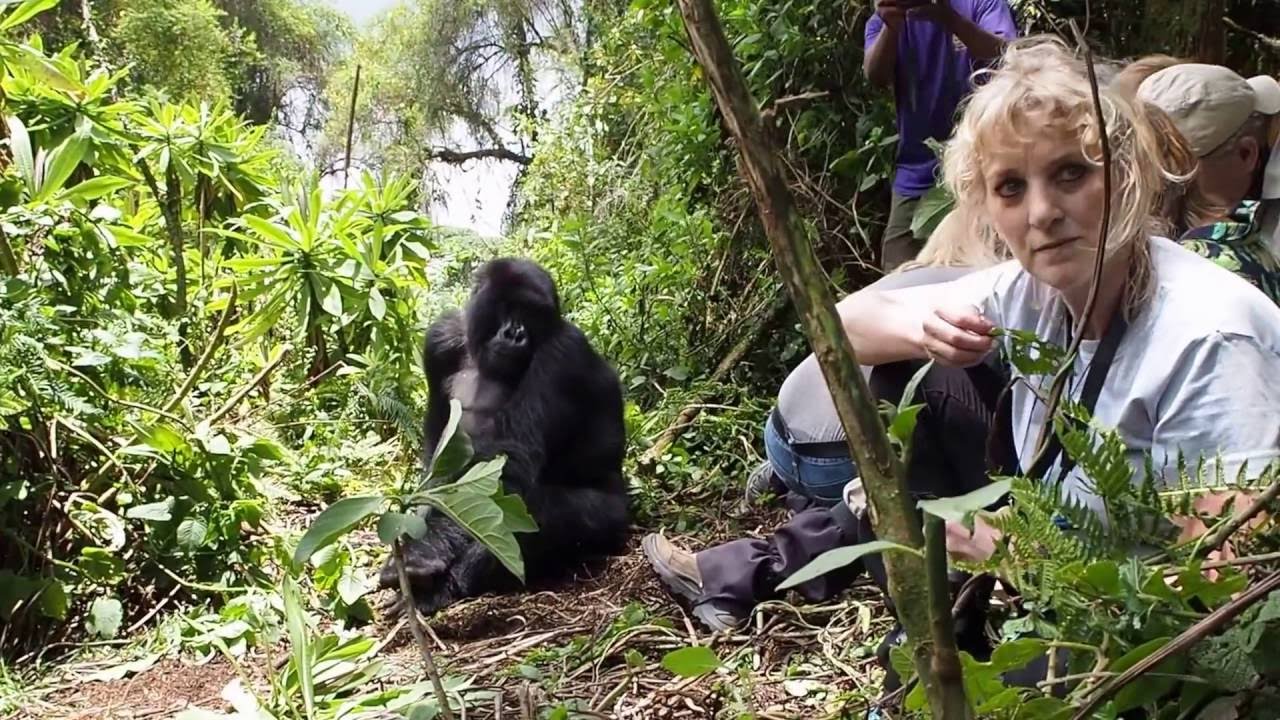
Eco-tourism: Gorilla trekking in Rwanda or orangutan tours in Borneo generate significant income. When local communities receive a fair share of this money, they become champions of conservation.
Employment opportunities: Hiring locals as rangers, trackers, or guides creates direct benefits.
Sustainable farming and resource use: Teaching farmers techniques that boost productivity without cutting more forest helps balance needs.
Conservation is strongest when it uplifts the people who live closest to apes.
5. Preventing Disease Transmission
Because apes are genetically so close to us, they are vulnerable to many of our illnesses. Even a human cold can spread and cause serious illness among apes. With more people visiting forests for tourism and research, disease prevention is vital.
Tourism guidelines: Rules that limit group size, enforce minimum distances, and require masks help reduce risk.
Veterinary care: Programs like Gorilla Doctors provide treatment when apes are injured or sick.
Limiting unnecessary contact: Researchers and visitors should follow strict protocols to avoid spreading pathogens.
Healthy apes mean thriving populations, which is the ultimate conservation goal.

6. Addressing Climate Change
Climate change is a global challenge, and it directly affects great apes. Altered rainfall patterns, extreme weather, and changing food availability make life more difficult for apes.
- Strategies to address climate impacts include:
- Preserving intact forests, which serve as natural carbon sinks.
- Restoring degraded ecosystems, helping apes adapt by providing more resilient habitats.
- International climate action, since reducing global emissions benefits tropical regions where apes live.
- By protecting ape habitats, we also help fight climate change — a win-win for people and nature.
7. Investing in Research and Education
Conservation must be guided by science. Long-term research has shaped much of what we know about apes, from Jane Goodall’s groundbreaking chimpanzee studies to Dian Fossey’s dedication to gorillas.
Behavioral research: Understanding how apes live, feed, and interact helps design better protection strategies.
Local education programs: Teaching schoolchildren about the importance of apes builds pride and responsibility in the next generation.
Global awareness campaigns: Social media, documentaries, and partnerships spread the message worldwide.
The more people know about apes, the more likely they are to protect them.
8. Encouraging International Cooperation
Great apes don’t recognize political borders. The Virunga Mountains, for example, span Rwanda, Uganda, and the Democratic Republic of Congo. Protecting them requires countries to work together.
Cross-border agreements: Joint ranger patrols and conservation strategies.
Global conventions: Agreements like CITES prevent international trade in great apes.
Funding and partnerships: Support from NGOs, research institutions, and foreign governments provides crucial resources.
Saving apes is not just a local issue — it is a global responsibility.

9. Promoting Responsible Tourism
Tourism can either harm or help apes. Done irresponsibly, it stresses them and damages habitats. Done well, it funds conservation and benefits communities.
Principles of responsible tourism include:
Keeping visitor groups small and limiting the time spent with apes. Following strict health and safety guidelines.
Supporting eco-friendly lodges and ethical tour operators. Ensuring that revenue is shared fairly with local communities.
When visitors travel responsibly, tourism becomes a tool for conservation rather than a threat.
Conclusion
Protecting great apes and their habitats is more than a conservation goal — it’s a moral duty to our closest living relatives and the ecosystems they help sustain. While the threats are real and urgent, so are the solutions. Through responsible tourism, habitat preservation, education, and community involvement, we can ensure that gorillas, chimpanzees, bonobos, and orangutans continue to thrive in the wild. The future of great apes is in our hands — and with collective action, it can be a future filled with hope, not loss.