
A journey to sustainable Tourism in Volcanoes National Park Rwanda: Protecting Nature, People, and Prosperity
A journey to sustainable Tourism in Volcanoes National Park Rwanda, In the highlands of northern Rwanda, Volcanoes National Park operates as a living classroom for sustainable tourism. Every trail, rule, and visitor experience reflects deliberate choices that place long-term balance above short-term gain. Tourism here does not exist to entertain alone. Instead, it functions as a system that protects landscapes, supports livelihoods, and strengthens social ties. Sustainable tourism in Volcanoes National Park shows how careful planning can turn travel into a tool for positive change.
The park hosts dramatic volcanoes, rich forests, and rare wildlife, yet these features face constant pressure from population growth and environmental change. Rather than allowing uncontrolled visitation, Rwanda chose a structured tourism model that limits harm and increases value. This approach ensures that each visitor contributes more while consuming less. Through guided access, regulated activities, and conservation funding, tourism supports protection rather than exploitation.
Sustainable tourism in Volcanoes National Park depends on three connected foundations: environmental care, economic opportunity, and social well-being. Forest protection keeps ecosystems healthy. Tourism income supports jobs, businesses, and public services. Cultural respect builds trust between visitors and host communities. Together, these pillars create a system where nature and people benefit equally.
Furthermore, sustainable tourism here shapes behavior and awareness. Visitors follow clear guidelines, learn from local guides, and engage with community projects. These interactions encourage responsibility and respect. Travelers leave with knowledge, not just memories.
Ultimately, Volcanoes National Park proves that sustainable tourism can succeed when management prioritizes balance over volume. The park offers a powerful example of how tourism can protect natural heritage, strengthen communities, and deliver meaningful experiences without compromise.

Environmental Pillar: Protecting Wildlife and Habitat
Sustainable tourism begins with protecting nature. Volcanoes National Park shelters rare species and rich ecosystems that few people get to see anywhere else. The park sits within the Virunga mountain range and holds forests, bamboo thickets, and volcanic slopes that house endangered animals. Tourism here places environmental care at the forefront as mentioned below.
Mountain Gorilla Conservation
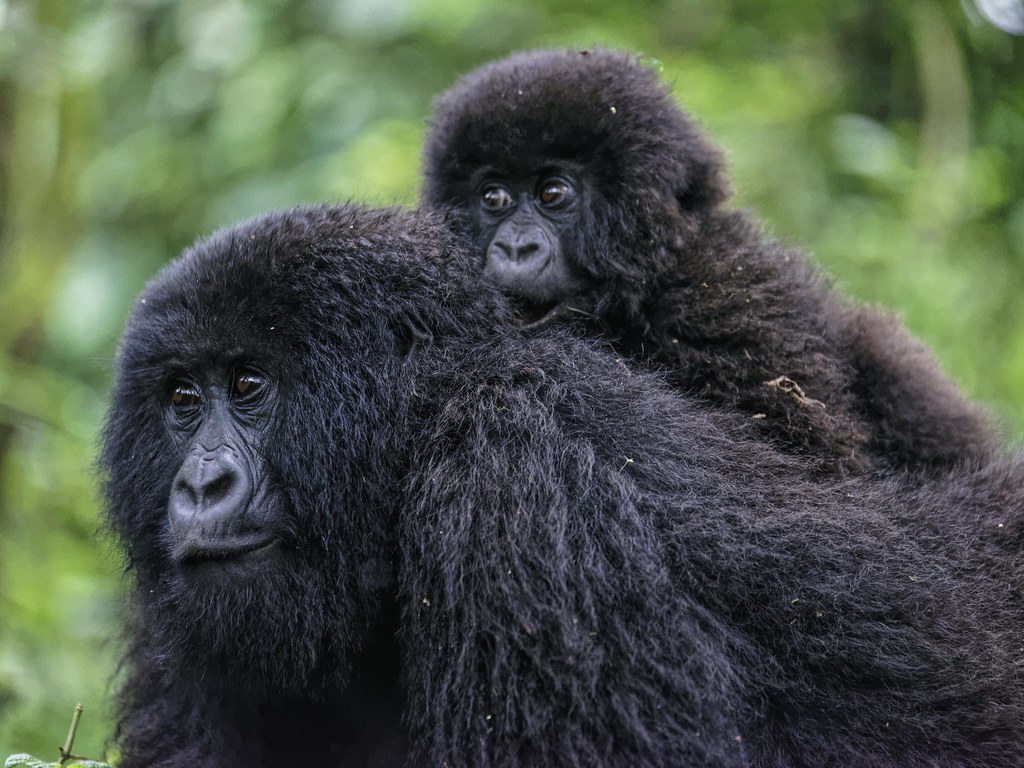
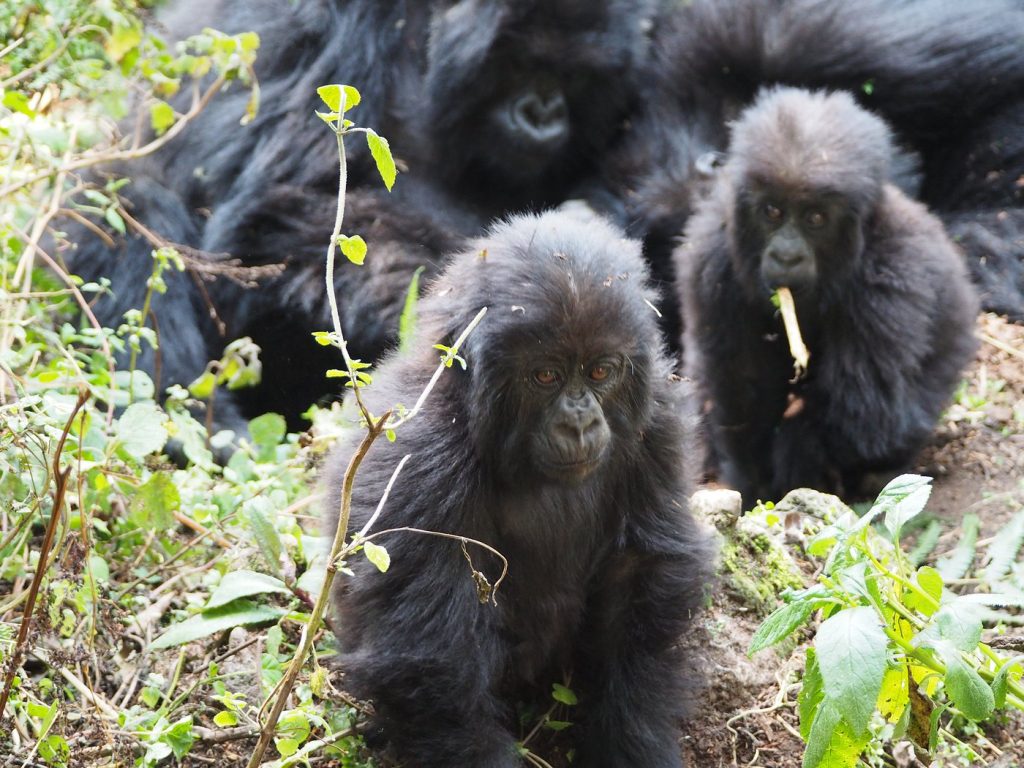
Mountain gorilla trekking remains the most powerful example of environmental protection through sustainable tourism. These mountain gorillas survive only in a few places, and Volcanoes National Park hosts one of the most famous populations. Without careful planning, human presence could harm these animals. Instead, sustainable tourism uses strict rules that limit daily visitor numbers of only eight individuals allowed to visit a gorilla family in a day, require guides, and enforce safe distances of 7 meters away from the mountain gorillas when they come across them. Tourism funds patrol teams that protect mountain gorillas from poachers and watch for signs of illness. In addition, park rangers monitor mountain gorilla groups closely to track movements and health. Because of these efforts, mountain gorilla numbers have grown over time. Tourists who pay permit fees directly support these programs, meaning wildlife protection continues even when conservation needs increase.
Forest Protection
Tourism also drives forest protection. Visitors enjoy nature walks and volcanic hikes. These activities bring income that pays forest guards and funds trail maintenance. Guards remove illegal snares and prevent forest clearing for farms. When travelers follow marked trails, they help conserve plants and prevent soil erosion. Guides point out rare tree species and explain their ecological roles. In turn, tourists gain valuable knowledge about the environment. This exchange strengthens respect for nature and encourages responsible behavior beyond the park’s boundaries.
Clean Energy and Waste Management
Sustainable tourism in the park includes clean energy projects. Many lodges use solar power, reducing reliance on wood fuel and cutting air pollution for example like at Singita Kwitonda, Bisate lodge, Virunga lodge among others. Tour operators teach guests to reduce waste. They encourage reusable bottles, organize recycling points, and collect litter after tours. These actions keep forests clean and protect water sources. Moreover, park managers work with scientists on research that studies how species adapt to climate changes. This research informs tourism policies that protect biodiversity for years to come.

Economic Pillar: Boosting Local Prosperity
Sustainable tourism brings income to the region and creates jobs that help families thrive. In places around Volcanoes National Park, tourism serves as a stable source of work and business growth. This economic pillar ensures that tourism contributes to prosperity while protecting nature.
Tourism Jobs and Local Businesses
Tourism creates many jobs around the park. Guides, porters, lodge staff, drivers, and craft sellers all depend on visitors. Local people receive training to work as professional tour guides. These guides know the trails, understand wildlife behavior, and teach visitors how to travel responsibly. Tour companies hire porters to assist hikers, giving women and young people income. Hotels and lodges hire cooks, cleaners, and managers from nearby villages. Because locals earn wages from tourism, they invest in homes, farms, and education. When visitors spend money with local businesses, shops sell crafts, textiles, and food items that reflect Rwandan culture. This cycle of spending strengthens the local economy and encourages families to support conservation because they see direct rewards.
Gorilla Permit Revenue Sharing
One of the most impactful economic examples ties tourism revenue to community projects. Rwanda divides a good portion of gorilla permit fees among communities near Volcanoes National Park. Where by individuals are given cows, and also local leaders use this money to build schools, improve health clinics, and fund clean water projects. These improvements raise living standards and reduce poverty. When the community see benefits from wildlife tourism, they protect both nature and the tourism industry that supports them. This revenue model motivates community members to guard forests and report threats like illegal logging. Tourists may never see these community investments directly, but each gorilla permit contributes to stronger regional development.

Tourism-Driven Small Enterprises
Small businesses thrive when tourism works responsibly. Women form cooperatives to sell baskets, jewelry, and hand woven textiles to visitors. Tourists often seek cultural souvenirs that reflect local heritage. These purchases help artisans earn reliable income and preserve traditional crafts. Additionally, local farmers supply fresh produce to lodges and camps. This demand encourages sustainable farming and keeps money within the region. Some community groups even offer homestays that allow tourists to experience daily life in Rwandan villages. Homestays generate income for families and promote cultural exchange. Through these diverse business activities, sustainable tourism expands economic opportunities without harming the environment.
Social Pillar: Respecting Culture and Strengthening Communities
Sustainable tourism respects people as much as the planet and the economy. At Volcanoes National Park, tourism builds social pride, protects cultural traditions, and fosters mutual respect between visitors and residents. This human-centered pillar ensures that travel enriches both tourists and local people.
Cultural Exchange and Learning
Visitors often join cultural tours that showcase Rwandan heritage. One popular example includes visits to cultural villages like Gorilla Guardian village where travelers learn about traditions, music, dance, and daily life. These experiences open opportunities for respectful dialogue. Tour guides explain the meaning behind songs and dances. Tourists learn about traditional healing practices and storytelling that connect families and ancestors. These exchanges deepen understanding and break down stereotypes. Travelers return home not just with photos, but with stories of human connection and cultural appreciation.
Community Empowerment
Sustainable tourism empowers communities by giving them a voice in tourism planning. Local leaders attend meetings with park officials to discuss how tourism should grow. Communities help decide how tourism revenues get spent on schools, clinics, and roads. This involvement makes local people true partners in tourism, not just observers. When families see tourism policies shaped by their voices, they feel responsible for protecting natural and cultural heritage.
Education and Youth Opportunities
Tourism also supports education. In villages near the park, some revenue feeds scholarship programs for youth. Students learn English, environmental science, and business skills that prepare them for future jobs. Tourism boosts confidence in young people, motivating them to protect wildlife and consider careers in conservation. When children grow up learning the value of nature and culture, communities benefit for generations. Tourists who interact with youth often leave inspired, knowing their visit supports long-term growth and opportunity.
Real Stories: How Sustainable Tourism Makes a Difference
Sustainable tourism in Volcanoes National Park transforms lives every day. Farmers once facing hardship now sell vegetables to lodges. Women artisans sell colorful baskets to travelers from distant lands. Guides share expert knowledge on gorilla behavior and plant ecology. Families use community funds to build schools and improve health services. Each of these outcomes ties back to tourism that values people, nature, and prosperity equally.
One memorable story comes from a guide who grew up near the park. He once had limited job options, but tourism training gave him skills to lead trekking groups. Today, he earns a steady income, supports his children’s education, and teaches visitors about conservation. This guide’s pride reflects how sustainable tourism can change futures.
Another story comes from a local craft cooperative. Women formed this group to create items that celebrate Rwandan art. Tourists love their baskets and jewelry. As profits grow, women reinvest in community gardens and support one another’s families. These small successes show how social and economic benefits multiply when tourism respects people.

Challenges and the Path Forward
No system remains perfect, and sustainable tourism at Volcanoes National Park still faces obstacles. Visitor numbers continue to rise, creating pressure on trails and camps. Climate changes shift rainfall patterns and alter habitats. To meet these challenges, park managers, community leaders, and tourism operators work together. They plan controlled visitor limits, invest in trail upgrades, and improve waste management. Local schools teach youth about environmental stewardship. Tourism companies adopt eco-friendly practices like solar power and water recycling. These ongoing efforts ensure that sustainable tourism adapts and improves with time.
Conclusion: A Model for the World
Volcanoes National Park in Rwanda shows how sustainable tourism can protect nature, grow the economy, and honor local culture. When visitors arrive, their dollars do more than buy tours. They fund gorilla protection, support community projects, and build cultural pride. Travelers leave with memories, understanding, and respect for a place that thrives when people and nature prosper together.

The three pillars environmental, economic, and social work in harmony here. Tourism becomes a positive force that protects forests, lifts families, and connects cultures. Volcanoes National Park stands not only as a destination but as a living example of tourism done right. As tourism grows worldwide, this Rwandan model offers lessons for every traveler, every community, and every nation that values sustainable growth. Visitors now and in the future will continue to enjoy Volcanoes National Park’s wonders because sustainable tourism ensures that beauty survives and succeeds.