
Azizi Cultural Life Experience: A Complete Journey through Traditions, Activities, and Living Heritage.
The Azizi Cultural Life Experience is a rich and engaging way of life that blends tradition, community, and creativity. It is not limited to one activity or event, but rather a full lifestyle shaped by shared values and practices. This cultural experience reflects how people interact, celebrate, learn, and grow together. It offers a deep connection to heritage while allowing space for modern ideas. People who take part in the Azizi Cultural Life Experience often describe it as both joyful and meaningful. It creates strong bonds between individuals and communities. It also gives a sense of identity that is hard to replace. From daily routines to grand celebrations, every activity carries purpose. These exercises are instructive as well as entertaining. They help pass knowledge from one generation to another. The Azizi Cultural Life Experience stands out because of its diversity. It includes music, food, art, storytelling, social gatherings, and many more elements. Each one adds value to the whole experience. Together, they form a vibrant cultural system that continues to evolve.
Daily Life Activities and Social Practices
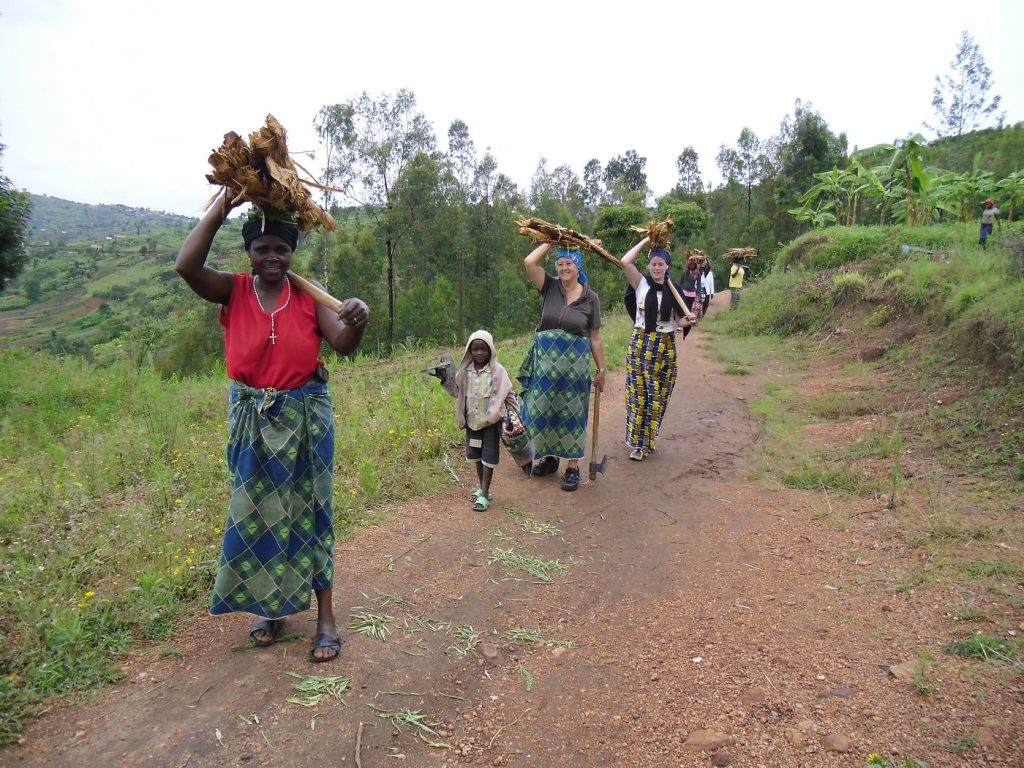
Daily life in the Azizi Cultural Life Experience is filled with meaningful activities. Each day begins with respectful greetings that show care and unity. These greetings are not rushed, and they often involve asking about family and well-being. Morning routines may include cleaning shared spaces and preparing meals together. This builds responsibility and teamwork. People often gather for breakfast, sharing simple but nourishing food. Conversations during meals strengthen relationships. Work and trade activities are also part of daily life. Many people engage in farming, craft making, or small businesses. These activities are often done in groups, encouraging cooperation. Markets are lively places where people buy, sell, and interact. Bargaining is common and seen as a social activity rather than a conflict. In the afternoon, people may visit neighbors or relatives. These visits are important for maintaining strong social ties. Evenings often bring relaxation and shared moments. Families gather to talk, laugh, and reflect on the day. Children play traditional games, learning teamwork and creativity. Adults may engage in light storytelling or music. These daily practices create a rhythm that feels both stable and fulfilling.
Cultural Festivals and Community Celebrations
Festivals are among the most exciting activities in the Azizi Cultural Life Experience. These events bring entire communities together in celebration. Preparation for festivals is an activity on its own. People clean their homes, prepare special clothing, and plan performances. Crafting decorations is a shared effort that builds excitement. During festivals, music and dance take center stage. Traditional drums, songs, and rhythmic movements fill the air with energy. Dance groups perform in coordinated styles, often telling stories through movement. Food preparation is another major activity. Families cook large quantities of traditional dishes to share with guests. Community feasts allow everyone to taste different foods. Storytelling and drama performances are also common. These activities educate and entertain at the same time. Children often participate in games and competitions. These may include races, singing contests, or cultural quizzes. Religious or spiritual rituals may also take place, depending on the nature of the festival. The celebration gains depth and significance from these customs. Modern elements like recorded music and stage lighting are sometimes included. This mix keeps festivals lively and appealing to all age groups.
Traditional Arts, Crafts, and Creative Activities
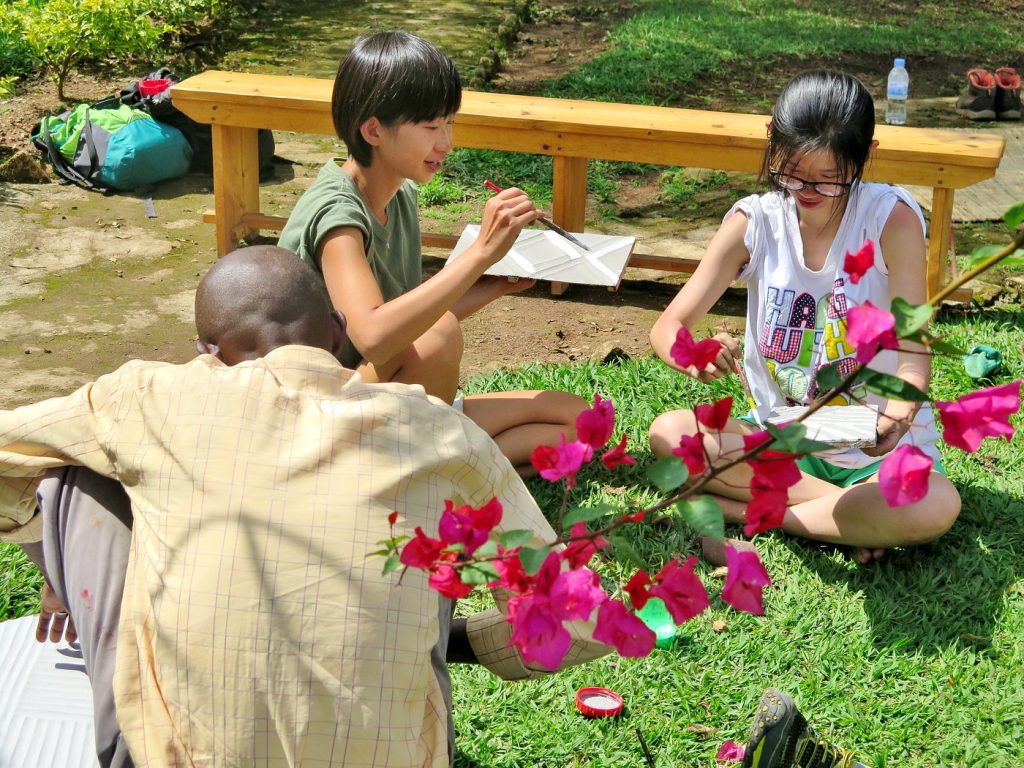
Creative expression is a major part of the Azizi Cultural Life Experience. Many activities focus on art and craftsmanship. People engage in weaving, pottery, carving, and painting. These crafts are often learned from elders through hands-on practice. Each item created has cultural significance. For example, woven baskets may represent unity or resourcefulness. Craft making is both a skill and a form of storytelling. Music is another important creative activity. People sing in groups or as individuals, often accompanied by drums and simple instruments. Songs are used to express emotions, share news, or celebrate events. Dance is closely linked to music and is practiced regularly. Various dances can be performed for various events. Storytelling remains a key activity, especially in the evenings. Elders share tales that teach values such as honesty, courage, and kindness. Young people listen and learn, sometimes acting out parts of the stories. In modern settings, creative activities may include recording music, filming performances, or sharing content online. This helps preserve culture while reaching new audiences.
Food Preparation and Culinary Activities
Food-related activities are central to the Azizi Cultural Life Experience. Cooking is not just a task but a shared activity that brings people together. Families often prepare meals as a group, with each person having a role. Some may gather ingredients, while others cook or serve. Traditional recipes are followed with care. These recipes are often passed down through generations. Preparing food for special occasions is a major activity. It may involve hours of cooking and teamwork. Community cooking events are also common. During these events, large meals are prepared for festivals or gatherings. Street food preparation is another lively activity. Vendors cook and serve food in open spaces, attracting locals and visitors. These vendors often become known for their unique flavors. Eating itself is a social activity. People sit together, share dishes, and enjoy conversations. Hospitality is highly valued, and guests are always welcomed with food. Trying new recipes and blending traditional and modern flavors is also encouraged. This keeps the culinary aspect fresh and exciting.
Music, Dance, and Performance Activities
Music and dance are constant elements in the Azizi Cultural Life Experience. These activities are not limited to special events. They are part of everyday life. People sing while working, cooking, or relaxing. Group singing creates harmony and connection. Dance is practiced in both formal and informal settings. People may dance during celebrations or simply for fun. Learning dance is an important activity for young people. They are taught specific movements and rhythms that reflect their culture. Performance groups often form within communities. These groups practice regularly and perform at events. Instruments such as drums and flutes are commonly used. Making these instruments is also an activity in itself. Performances may include drama, poetry, and storytelling. These forms of expression allow people to share ideas and emotions. Modern influences have added new styles and techniques. For example, traditional dance may be mixed with contemporary moves. This keeps performances engaging and relevant.
Building Culture and Architectural Traditions.
Building activities in the Azizi Cultural Life Experience are deeply connected to culture and identity. Construction is not only about creating shelters but also about expressing tradition and values. Homes and community structures are often designed with cultural patterns, symbolic shapes, and natural materials. This gives every building a unique identity.
A major activity is collective construction work, where community members gather to build houses, meeting halls, and cultural spaces. This is often done in stages, with everyone contributing according to skill. Elders guide design decisions, while young people assist in physical work. This helps pass knowledge across generations.
Decorating buildings is also an important activity. People paint walls, carve wooden designs, or create woven decorations. These designs often represent history, nature, or social values. Maintenance of buildings is done regularly as a shared responsibility.
Another growing activity is eco-building, where communities use environmentally friendly methods. Mud bricks, recycled wood, and natural roofing materials are commonly used. This connects construction to environmental care.
Visitors often join building activities as part of cultural tourism programs. They learn how traditional houses are made and sometimes help in simple tasks. This creates cultural exchange between locals and tourists. Through building, the Azizi Cultural Life Experience shows that construction can be both practical and meaningful.
Gardens, Farming, and Tourist Nature Experiences.
Gardening and farming are central activities in the Azizi Cultural Life Experience. These activities are not only for food production but also for learning, tourism, and cultural sharing. Families and community groups maintain gardens filled with vegetables, fruits, herbs, and flowers. Each garden reflects care, patience, and connection to the land.
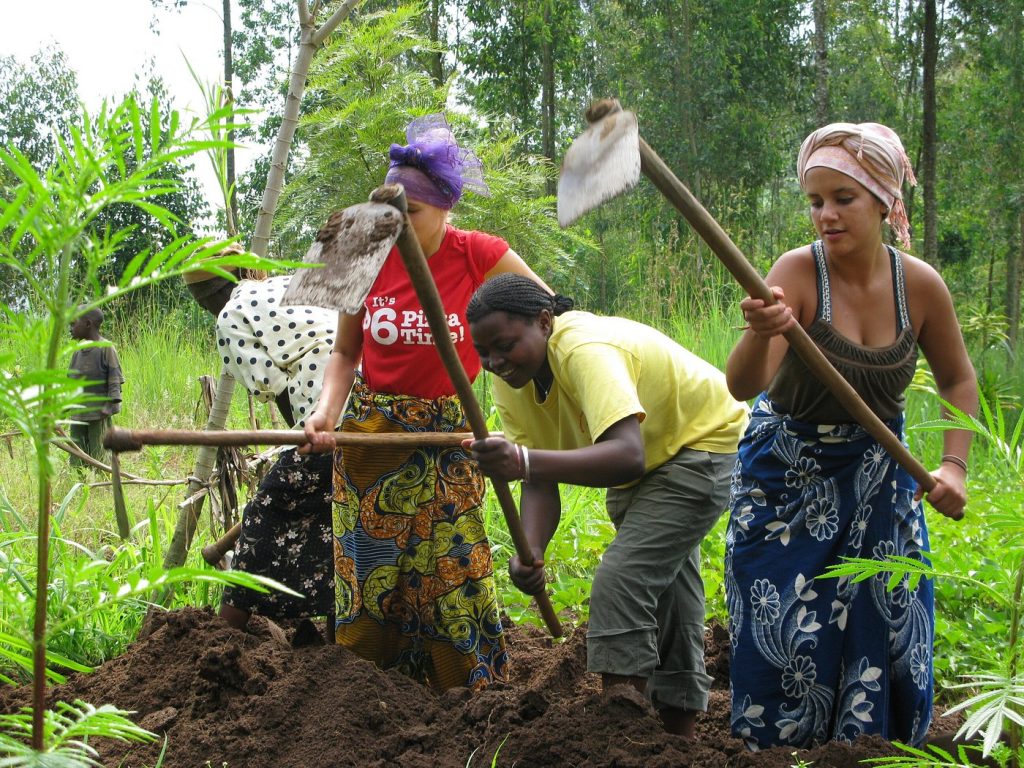
One important activity is community farming, where people work together on larger plots of land. They plant crops, water fields, remove weeds, and harvest produce as a group. This strengthens teamwork and ensures food security. Traditional farming methods are often used, combined with simple modern tools when needed.
Tourism plays a major role in garden life. Visitors are welcomed into cultural gardens where they can walk, learn, and participate. Tour guides explain planting methods, local crops, and traditional farming stories. Some tourists also join in planting seeds or harvesting crops. This hands-on experience makes the Azizi Cultural Life Experience more interactive.
There are also herbal gardens where medicinal plants are grown. Elders teach visitors and young people about their uses. Flower gardens are maintained for beauty and relaxation, often used for photography and cultural events.
Picnic activities, outdoor storytelling, and cultural workshops are often held in garden spaces. This makes nature a living classroom where culture and environment meet.
Education, Learning, and Knowledge Sharing Activities
Learning is a continuous activity in the Azizi Cultural Life Experience. Both informal and formal venues are used for education. Schools provide structured learning, while communities offer practical knowledge. Elders play a key role in teaching traditions and values. They guide young people through storytelling, demonstrations, and advice. Apprenticeship is a common method of learning. Young individuals learn skills such as farming, crafting, or cooking by working alongside experienced people. Cultural workshops and training sessions are also organized. These activities help preserve important skills. Reading, writing, and discussion are encouraged as well. Knowledge sharing happens during gatherings and meetings. People exchange ideas and learn from each other’s experiences. Modern tools like phones and the internet are also used for learning. This allows access to a wider range of information. The combination of traditional and modern education creates a well-rounded experience.
Spiritual and Ritual Activities
Spiritual life is an important part of the Azizi Cultural Life Experience. Various activities are dedicated to spiritual growth and connection. People may participate in prayer, meditation, or community worship. These activities provide a sense of peace and purpose. Rituals are performed during important life events such as births, marriages, and memorials. These rituals often involve symbolic actions, music, and gatherings. They help people mark important moments in life. Seasonal rituals may also take place, celebrating changes in nature. Spiritual leaders guide these activities and offer support to the community. Respect for beliefs and traditions is strongly emphasized. Even those who follow modern lifestyles often take part in these activities. This shows the lasting importance of spiritual connection.
Recreation, Games, and Social Entertainment
Recreation is a lively part of the Azizi Cultural Life Experience. People engage in various games and entertainment activities. Traditional games are popular among children and adults. These may include physical games, board games, or storytelling games. Sports activities are also common, bringing energy and excitement. Music and dance often serve as forms of entertainment. Social gatherings provide opportunities for relaxation and fun. People share jokes, stories, and experiences. Community events may include talent shows or competitions. These activities encourage creativity and confidence. Watching performances or participating in group activities creates joy and unity. Recreation helps balance work and responsibilities. It also strengthens relationships within the community.
Conclusion: A Rich Blend of Activities and Meaning
The Azizi Cultural Life Experience is a dynamic and inclusive way of life. It includes a wide range of activities that reflect tradition, creativity, and community values. From daily routines to grand festivals, every activity plays a role in shaping identity. These activities are not isolated; they are deeply connected. Together, they create a cultural system that is both strong and flexible. The ability to adapt while preserving tradition makes this experience unique. People continue to find meaning and joy through these practices. The Azizi Cultural Life Experience is more than a collection of customs. It is a living journey filled with activity, purpose, and connection.