
Discovering the Rwanda Art Museum: History, Art, and Memory
The Rwanda Art Museum, formerly known as the Presidential Palace Museum, stands as one of Kigali’s most compelling destinations. Located in Kanombe, just east of Kigali International Airport, it offers visitors a unique combination of historical, cultural, and artistic experiences. Originally the residence of President Juvénal Habyarimana, the site has witnessed some of Rwanda’s most pivotal moments. Today, it is not only a museum of contemporary art but also a space that preserves memories of the country’s recent past. Visitors are drawn by the architectural charm of the 1970s villa, the stories behind the plane crash that marked the beginning of the 1994 Genocide against the Tutsi, and the diverse art collection that celebrates Rwandan creativity. The museum appeals to both history enthusiasts and art lovers. With guided tours, visitors can explore hidden rooms, understand Rwanda’s political history, and appreciate the evolution of contemporary art. Whether you are a first-time visitor to Kigali or a seasoned traveler, the Rwanda Art Museum offers an insightful and memorable experience.
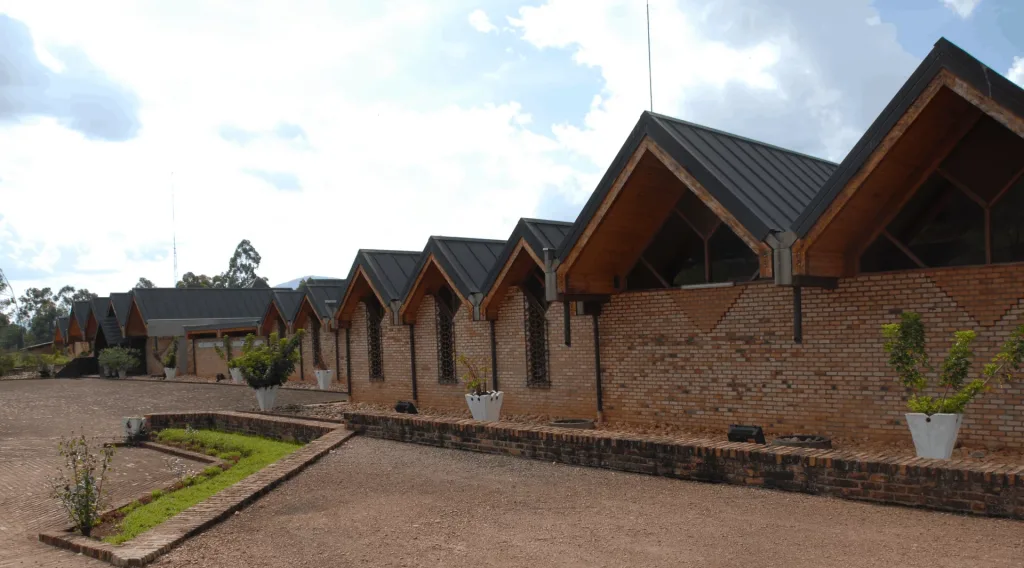
A Glimpse into History: From Presidential Residence to Museum
The Rwanda Art Museum was originally the residence of President Juvénal Habyarimana from 1980 until his death in 1994. The house reflects the style of a 1970s villa, complete with hidden rooms, built-in sensors, and even a former nightclub. On April 6, 1994, the Falcon 50 presidential plane carrying Habyarimana was shot down as it approached Kigali International Airport, crashing directly into the palace grounds and killing everyone on board. This tragic event became the spark for the 1994 Genocide against the Tutsi. Following this period, the residence was briefly used by President Pasteur Bizimungu. In 2009, the palace was transformed into a museum to preserve its historical significance and educate visitors about Rwanda’s past. Today, the museum stands as a symbol of resilience, memory, and the importance of learning from history. Walking through the villa and its surrounding gardens provides a deep sense of connection to the events that shaped modern Rwanda, making it a meaningful stop for anyone seeking to understand the country’s complex journey.
Exploring the Villa: Architecture and Hidden Stories
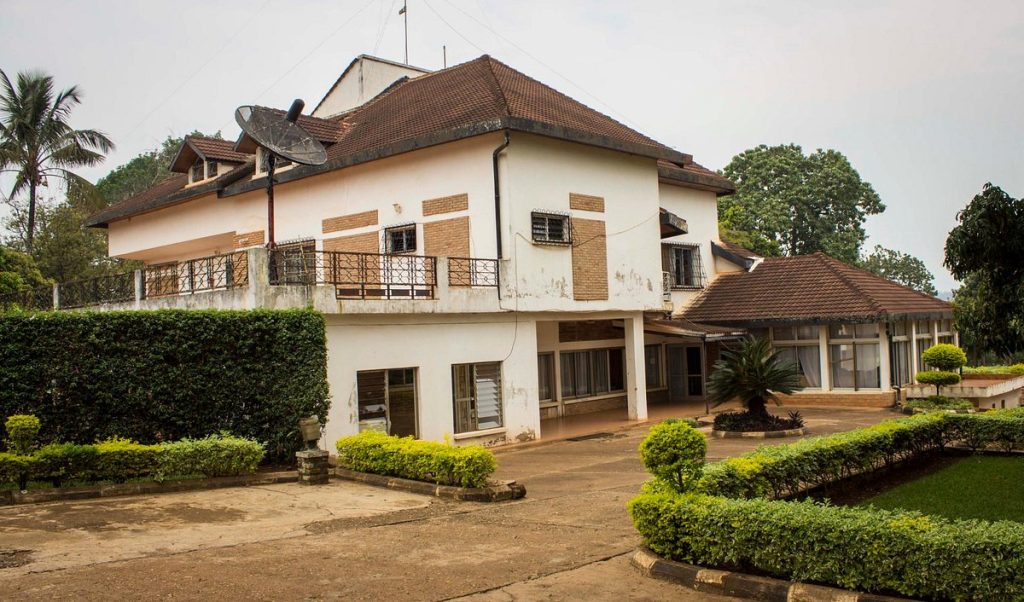
The main building of the Rwanda Art Museum is an excellent example of 1970s Rwandan architecture. Visitors can explore the villa’s design, which includes multiple secret rooms and passages, a feature once used for security purposes. The layout of the house tells a story of presidential life during Habyarimana’s era, combining both grandeur and strategic design. One of the unique aspects is the former nightclub, which showcases how even official residences included private spaces for leisure. Walking through the corridors, you can imagine the life of Rwanda’s political elite during that period. Guides provide fascinating insights into each room, explaining the purpose of various hidden compartments and security measures. The combination of architectural elegance and historical context makes exploring the villa a rich experience. It allows visitors not only to see how the past leaders lived but also to appreciate the careful planning and cultural elements embedded in the design.
The Aircraft Wreckage: Witness to a Turning Point
One of the most striking features of the museum is the Falcon 50 aircraft debris. Located in the garden where the plane crashed, this wreckage is a somber reminder of Rwanda’s tragic history. Visitors can pay a small additional fee to view the remains of the aircraft up close. The site provides a tangible connection to the events of April 6, 1994, and serves as a place for reflection. Guides often explain the circumstances of the crash and its significance in the country’s political timeline. Walking around the scattered pieces of the plane, visitors gain a deeper understanding of how a single event altered the course of a nation. The wreckage is surrounded by carefully maintained gardens, creating a space that encourages contemplation. By combining historical artifacts with natural surroundings, the museum ensures that this pivotal moment in Rwanda’s history is never forgotten.
Contemporary Art at the Rwanda Art Museum
Since 2018, the interior of the museum has been dedicated to Rwandan and international contemporary art. This transformation has added a vibrant cultural layer to the historical site. The collection includes paintings, sculptures, and installations from both emerging and established artists. Many works explore themes of memory, identity, and resilience, echoing the historical significance of the museum itself. The exhibition provides a platform for Rwandan artists to showcase their creativity while engaging with visitors in meaningful dialogue. Art enthusiasts will find the variety of styles and perspectives refreshing, as it blends traditional motifs with modern techniques. The museum also hosts temporary exhibitions, workshops, and events that encourage interaction between artists and the public. This focus on contemporary art ensures that the museum is not just a place of remembrance but also a living space for cultural growth and artistic expression.
Visiting the Museum: Practical Information
The Rwanda Art Museum is open daily from 9:00 AM to 5:00 PM, making it accessible for both tourists and locals. Entry fees are reasonable: non-residents pay Rwf 10,000, while residents are charged Rwf 5,000. The museum is conveniently located about 4 km from Kigali International Airport. Visitors should follow the airport road past the Kanombe military hospital; the road eventually turns to dirt before reaching the museum gate. The site is suitable for individual travelers, families, and educational groups. Guided tours are highly recommended to fully appreciate the historical and artistic narratives presented. Accessibility is straightforward, and the museum’s well-maintained facilities ensure a comfortable visit for all guests.
Rwanda Art Museum: Where History Meets Contemporary Art in Kigali
The Rwanda Art Museum, formerly known as the Habyarimana Museum or Presidential Palace Museum, is a fascinating destination that intertwines Rwanda’s rich history with its thriving artistic culture. Located just east of Kigali International Airport in Kanombe, the museum was originally the residence of President Juvénal Habyarimana. Visitors here can explore a 1970s villa with hidden rooms, sensors, and even a former nightclub, walk through the garden where the Falcon 50 presidential plane crashed in 1994, and experience a remarkable collection of Rwandan and international contemporary art. This museum allows travelers to reflect on the country’s turbulent past while celebrating its creative present. Its proximity to the airport makes it easily accessible, yet its atmosphere provides a deep sense of immersion and contemplation. For anyone visiting Kigali, it offers a rare combination of historical insight, cultural appreciation, and aesthetic pleasure. From architecture to exhibitions, the Rwanda Art Museum is both a place of remembrance and inspiration.
Historical Significance of the Rwanda Art Museum
The Rwanda Art Museum holds immense historical importance as the former residence of President Juvénal Habyarimana from 1980 until his death in 1994. On April 6, 1994, Habyarimana’s Falcon 50 presidential plane was shot down as it approached Kigali, crashing into the palace grounds and killing everyone on board. This tragic event is widely recognized as the trigger for the 1994 Genocide against the Tutsi. After the political transition, the palace briefly served as the residence of President Pasteur Bizimungu, before being converted into a museum in 2009. Initially known as the Habyarimana Museum, the site educated visitors on Rwanda’s political history and the events leading to the genocide. Today, it preserves both the villa and the plane wreckage as tangible reminders of Rwanda’s difficult past. Visiting this museum allows guests to connect deeply with history, understand the gravity of the events that unfolded, and appreciate Rwanda’s remarkable journey of resilience and recovery.
Exploring the Presidential Villa
The villa, built in the 1970s, is a stunning example of Rwanda’s architectural style during that era. Inside, visitors encounter “secret” rooms, security sensors, and a former nightclub that once entertained guests of the president. Each space within the villa offers a glimpse into the lifestyle of Rwanda’s political elite, illustrating both prestige and security concerns of the time. Surrounding the villa are manicured gardens that create a serene environment, offering a striking contrast to the tragic events associated with the location. Visitors can view original furniture, décor, and structural elements preserved to maintain authenticity. The villa provides an immersive experience, allowing one to reflect on Rwanda’s political history while appreciating the craftsmanship of the architecture. Exploring the villa is not just a tour of a building, but a journey into a significant period in Rwanda’s modern history, blending personal stories with national events in an engaging and thought-provoking way.
The Falcon 50 Presidential Plane Wreckage
A central feature of the museum is the wreckage of Habyarimana’s Falcon 50 plane, preserved exactly where it crashed in the palace gardens. Visitors can view the debris for an additional fee, and the site evokes a solemn and reflective atmosphere. The crash of the plane marked the start of the 1994 Genocide, making this site a significant historical landmark. The wreckage encourages contemplation on the fragility of peace and the consequences of political conflicts. Surrounding gardens enhance the memorial experience, providing a quiet setting for reflection. Photography is permitted in the outdoor areas, with fees applying. For visitors, standing near the plane wreckage creates a profound connection to Rwanda’s history, turning a museum visit into a deeply personal experience. Combined with the villa and art exhibitions, the plane remains serve as a reminder of Rwanda’s tragic past and inspiring resilience.
Contemporary Art at the Rwanda Art Museum
Since 2018, the museum has embraced Rwandan and international contemporary art, transforming its interior into dynamic exhibition spaces. Visitors can explore paintings, sculptures, and multimedia installations that celebrate creativity, culture, and identity. The collection highlights both traditional influences and modern interpretations, offering insight into Rwanda’s evolving artistic landscape. Temporary exhibitions feature international artists, creating opportunities for cross-cultural exchange. The museum’s art collection complements its historical context, allowing visitors to experience Rwanda’s present alongside its past. Guided tours are available to explain each artwork’s significance, providing a deeper understanding of the country’s cultural narrative. By blending historical storytelling with contemporary expression, the museum creates a rich and immersive experience, appealing to art enthusiasts, students, researchers, and general visitors alike.
Visiting Information and Practical Details
The Rwanda Art Museum is open daily from 9:00 AM to 5:00 PM. Entry fees are Rwf 6,000 for non-residents and Rwf 5,000 for residents, with an additional charge of Rwf 2,000 for outdoor photography. The museum is located just 4 km from Kigali International Airport, accessible via the airport road past Kanombe Military Hospital before the road turns to dirt near the gates. Guided tours are highly recommended, as they provide detailed explanations of the villa, plane wreckage, and art exhibitions. Whether visiting for history, art, or education, the museum offers a well-rounded experience. Its accessibility, combination of historical and artistic exhibits, and reflective environment make it a perfect stop for travelers seeking to understand Rwanda’s culture and history.
Cultural and Educational Significance
The Rwanda Art Museum functions as both a cultural landmark and an educational hub. Visitors, school groups, researchers, and tourists benefit from guided explanations of the historical events and artistic expressions on display. The museum fosters dialogue about Rwanda’s history, national identity, and the power of resilience through art. By combining historical architecture, poignant artifacts, and contemporary art, it provides a comprehensive experience that is both reflective and inspiring. Visitors leave with a deeper understanding of how culture, memory, and creativity intersect in shaping a nation. The museum emphasizes the importance of preserving history while nurturing artistic innovation, ensuring that Rwanda’s story is told through multiple lenses. It stands as a testament to how a country can honor its past while celebrating its creative present.
Conclusion: A Must-Visit Destination in Kigali
The sis more than just a museum; it is a living testament to Rwanda’s history, resilience, and cultural richness. From the presidential villa and hidden rooms to the aircraft wreckage and contemporary art collection, each element tells a story of transformation and creativity. Visitors can connect with Rwanda’s past while appreciating its artistic present. Whether exploring the villa, reflecting at the plane wreckage, or enjoying contemporary artworks, guests leave with a richer understanding of the nation’s journey. For travelers interested in history, art, and reflection, the museum offers an unforgettable experience. A visit to the Rwanda Art Museum is essential for any Kigali itinerary, providing insights, inspiration, and meaningful connection to Rwanda’s past and present.