
First Sight of a Silverback: The Moment That Defines Gorilla Trekking in Volcanoes National Park
First Sight of a Silverback, Gorilla trekking in Volcanoes National Park is often described as a bucket list adventure, but the true heart of the experience lies in one defining moment: the first sight of a silverback. Travelers picture mist-covered mountains, thick bamboo forests, and the rare chance to stand near mountain gorillas in the wild. They imagine the long hike, the mud on their boots, and the thrill of reaching a hidden gorilla family deep within the forest. What they rarely imagine is the emotional weight carried in that first encounter with the dominant male.
The journey toward that moment begins long before the silverback comes into view. There is quiet anticipation at the park headquarters as guides explain trekking rules and conservation practices. There is nervous excitement as small groups step into the forest with skilled trackers leading the way. Each careful step through dense vegetation builds expectation. The forest feels alive with distant bird calls and the soft crack of bamboo underfoot.
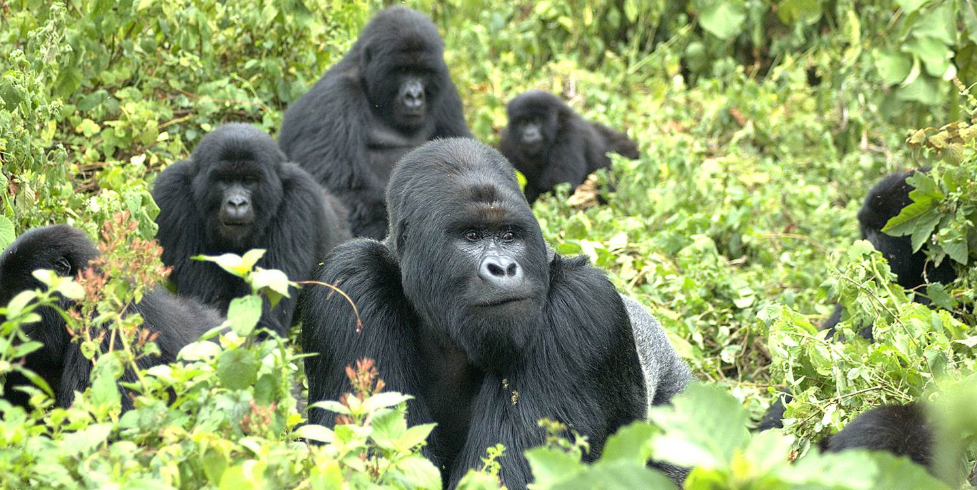
Then the talking stops. A guide raises a hand. A faint rustle moves through the leaves ahead. In that still pause, everything shifts. Gorilla trekking becomes more than a wildlife activity. It becomes personal, powerful, and deeply humbling. The first sight of a silverback does not arrive with noise or spectacle. It arrives with calm presence, and that presence changes the entire experience.
The Trek through the Misty Slopes
The hike through Volcanoes National Park is part of what makes gorilla trekking so meaningful. The landscape is rich and layered, with bamboo forests, open clearings, and steep volcanic slopes. Each gorilla trekking group is assigned a specific gorilla family, and the difficulty of the trek depends on where that family moved overnight. Some hikes are short and steady. Others demand endurance and patience.
Boots sink into soft mud after rainfall. Vines catch at sleeves. The air feels cool but heavy with moisture. Local porters walk alongside visitors, offering support and sharing stories of life near the park. Their presence reflects the strong link between conservation and community.
As the group climbs higher, conversation fades. Every broken branch or distant sound sparks curiosity. Trackers communicate in quiet gestures, reading signs left behind by the gorillas earlier that morning. Fresh nests on the ground show where the family rested. Half-eaten stems reveal their path.
The final approach is slow and careful. Heartbeats seem louder than footsteps. Gorilla trekking in Volcanoes National Park is not rushed. It is a gradual immersion into another world. By the time the guide signals that the gorillas are close, anticipation has turned into focused silence.
The First Sight of a Silverback
The first sight of a silverback rarely unfolds like a scene from a film. There is no dramatic music, no sudden charge through the trees. Instead, it begins quietly. A dark shape sits among broad green leaves. Light filters through the canopy and outlines a powerful frame.
Then the silver on his back becomes clear. That wide band of gray hair marks him as the dominant male of the group. His arms are thick and steady. His posture is relaxed but strong. He doesn’t respond violently or fearfully. He simply observes.
In that moment, gorilla trekking reaches its emotional peak. Visitors often freeze, unsure whether to lift a camera or simply stare. The silverback’s eyes move across the group with calm awareness. He seems to measure the situation without alarm. Around him, younger gorillas continue to feed and play, showing trust in his leadership.
The size of a silverback can be surprising. He is larger than most people expect, yet his movements are gentle. When he shifts position, the ground feels his weight, but there is no wasted motion. Power exists without threat. That balance leaves a deep impression on every trekker standing in that forest clearing.
The Role and Presence of the Silverback
Understanding the silverback adds depth to the experience of gorilla trekking in Volcanoes National Park. He is not simply the largest gorilla in the group. He is the leader, guide, and protector of his family. His decisions shape their daily life.
The silverback chooses feeding areas and nesting sites. He monitors the safety of mothers and infants. If another male approaches, he stands ready to defend his group. Most of the time, however, his leadership appears calm and steady rather than aggressive.
During a trekking encounter, visitors may see him grooming a younger gorilla or sitting quietly while others feed nearby. A low grunt from him can signal movement or call a wandering juvenile back to the group. The family responds to his presence with clear trust.
This quiet authority challenges common ideas about strength. True power in the forest does not require constant display. The silverback’s confidence creates stability for the entire group. Witnessing this dynamic gives visitors a deeper respect for gorilla social structure. Gorilla trekking becomes more than observation. It becomes insight into a complex and balanced family life.

The Hour That Changes Perspective
Each gorilla trekking permit allows one hour with the gorilla family. Sixty minutes may seem long before the encounter begins. Once face to face with a silverback, time moves differently.
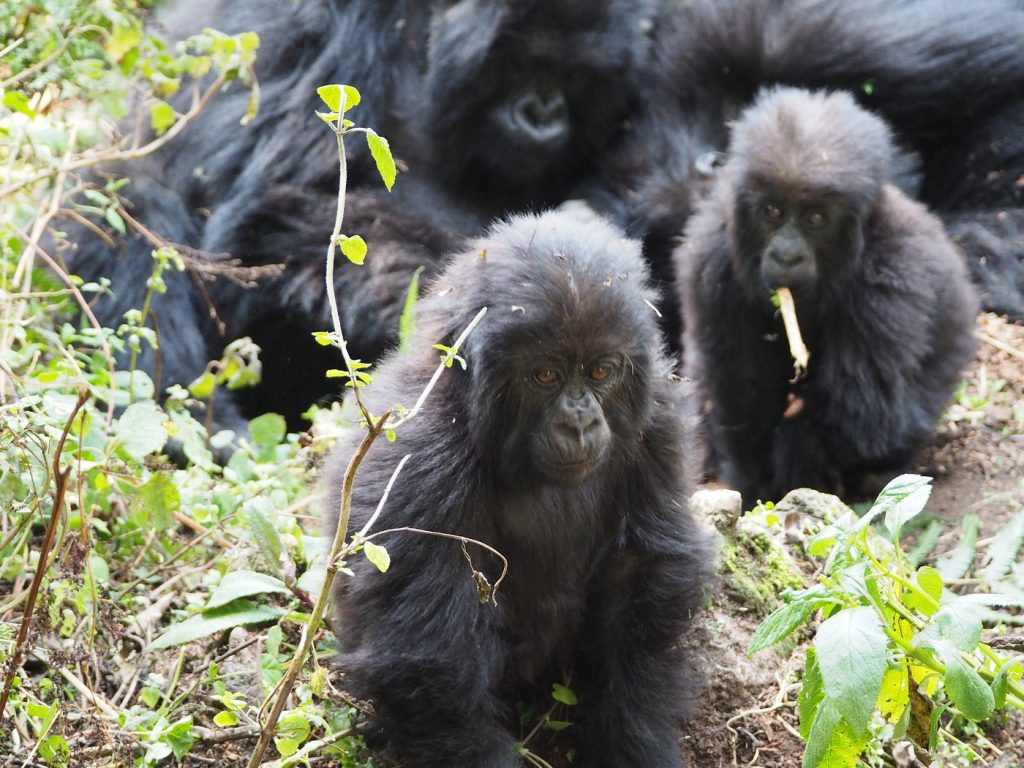
Juvenile gorillas tumble through the undergrowth with playful energy. Their movements feel familiar, almost human. Mothers cradle infants with careful attention. The babies cling tightly, wide-eyed and curious about the world around them.
The silverback often remains close, feeding on leaves or resting in a seated position. Occasionally he rises and moves with slow strength, reminding everyone of his size. Visitors watch in silence, aware of the privilege of standing just meters away.
There is a sense of equality in that space. Humans are present but not dominant. The gorillas continue their routine without performance. This natural behavior is what makes gorilla trekking in Volcanoes National Park so rare and meaningful.
When the guide signals the end of the hour, many visitors feel reluctant to leave. The forest begins to close behind them as they step back onto the trail. Yet the image of the silverback remains vivid. That first sight becomes a lasting memory, shaping how they see wildlife and their place within it.