
Gorilla naming Ceremony - Kwita Izina 2026
Gorilla naming Ceremony – Kwita Izina 2026, Rwanda, often referred to as the “Land of a Thousand Hills,” is home to one of the world’s most endangered species: The Mountain Gorilla. These majestic creatures, found predominantly in the dense forests of Volcanoes National Park in the Virunga Mountains, have become a symbol of Rwanda’s conservation success. Since the early 2000s, Rwanda has held an annual event that has garnered international attention, the Gorilla Naming Ceremony, also known as Kwita Izina. This ceremony, a unique cultural and conservation event, celebrates the birth of new baby gorillas and highlights the country’s commitment to wildlife preservation.
The Origins of the Gorilla Naming Ceremony
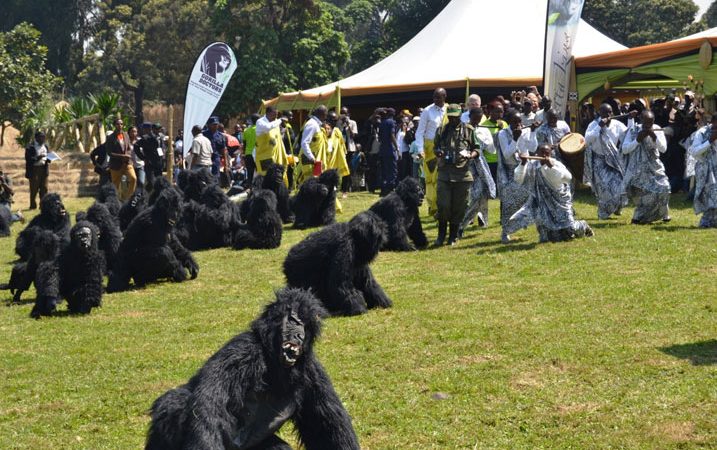
Kwita Izina, which translates to “naming ceremony” in Kinyarwanda, draws inspiration from an ancient Rwandan tradition in which newborns were given names by elders to symbolize their identity and the community’s connection to them. The modern-day Gorilla Naming Ceremony was inaugurated in 2005 by the Rwanda Development Board (RDB) as part of the country’s broader strategy to promote tourism, raise awareness about conservation, and honor the mountain gorillas as an integral part of Rwanda’s natural heritage.
This event not only serves to celebrate the gorillas’ births but also acknowledges the critical role local communities play in protecting these endangered animals. Rwanda is one of the few countries where Mountain Gorillas can still be found in the wild, and the naming ceremony underscores the country’s deep-rooted commitment to wildlife protection and biodiversity conservation.

Purpose of the Ceremony
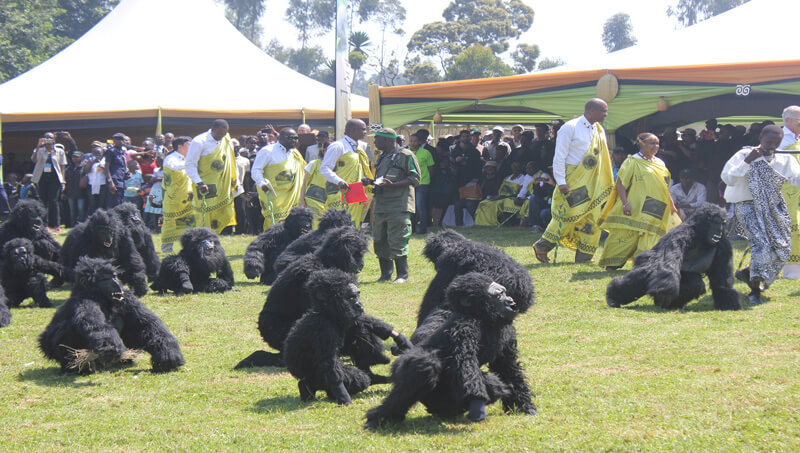
The Gorilla Naming Ceremony is more than just a fun event; it is a celebration of Rwanda’s success in wildlife conservation and a chance for the world to come together to raise awareness about the mountain gorillas’ conservation efforts.
Celebrating Conservation Success
In the early 1980s, mountain gorillas were on the brink of extinction, with only around 250 individuals left in the wild. But thanks to years of dedicated conservation efforts, including anti-poaching strategies, habitat restoration, and tourism management, the population has steadily increased to over 1,000. Kwita Izina is a testament to how far Rwanda has come in preserving these incredible creatures.
Bringing Global Attention
The ceremony has grown into a global event, attracting not just Rwandans but also international visitors, dignitaries, and conservationists. It’s a fantastic opportunity for Rwanda to showcase its leadership in wildlife protection and to engage with the international community on the importance of preserving endangered species.
Engaging Local Communities
Local Rwandans, especially those who live near Volcanoes National Park, play a vital role in the success of the ceremony. From park rangers who protect the gorillas to local guides and hoteliers who assist tourists, the community directly benefits from conservation efforts. Kwita Izina strengthens their bond with the gorillas and reinforces the message that these animals are an integral part of their cultural and economic well-being.
What to Expect?
The Kwita Izina ceremony is typically held in late September or early October, coinciding with the dry season when the gorillas are easier to spot. Here’s what you can expect if you attend this colorful event.
- The Naming Process
The highlight of the event is the naming of the newborn gorillas. The babies, who are born in the park over the course of the year, are brought to the ceremony, and each one is given a unique name by various guests. These names often carry deep meaning. For example, a baby might be named after a local landmark, a symbol of resilience, or a traditional word reflecting the gorilla’s personality. Celebrities, world leaders, and even ordinary citizens who have made significant contributions to conservation have the privilege of naming the gorillas.
- Traditional Music and Dance
Rwanda is known for its rich cultural heritage, and the Gorilla Naming Ceremony is a celebration of that. Traditional Rwandan music, drumming, and dance performances are an integral part of the event, showcasing the vibrancy of Rwandan culture. The energetic dances and rhythms set the tone for the ceremony, creating an atmosphere of excitement and joy.
- Celebrity Guests and Dignitaries
Over the years, the Kwita Izina ceremony has attracted high-profile guests, including Angelina Jolie, Brad Pitt, and Prince Harry, all of whom have been vocal supporters of wildlife conservation. These celebrities not only bring attention to the event but also help raise awareness about the importance of protecting the gorillas and other endangered species. They often take part in naming the gorillas, which is a moment of great significance.
- Gorilla Trekking and Tourism
For many visitors, attending the naming ceremony is the culmination of an unforgettable trip to Volcanoes National Park. Rwanda’s gorilla trekking experience is one of the most sought-after wildlife adventures in the world. Tourists can trek through the lush forest, following trained guides to find and observe gorilla families in their natural habitat. The proceeds from these trekking permits, which can cost upwards of $1,500, go directly toward conservation initiatives.
- Honoring Rangers and Conservationists
A significant part of the ceremony is the recognition of the rangers, scientists, and conservationists who dedicate their lives to protecting the gorillas. These individuals are often celebrated for their bravery and commitment to ensuring the survival of the mountain gorillas. It’s a reminder that conservation is a collective effort, and everyone involved from local communities to international supporters plays a role in the success of the program.

The Impact of the Gorilla Naming Ceremony
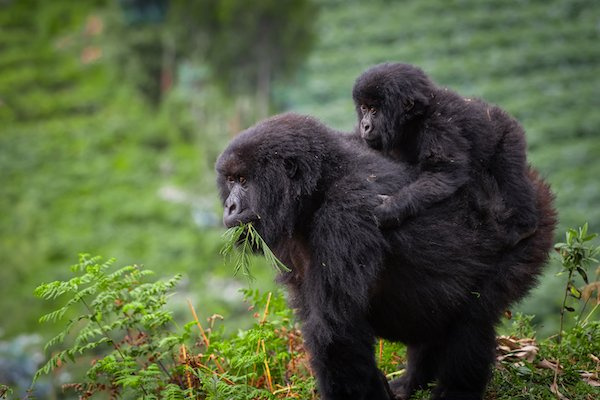
The Gorilla Naming Ceremony has had a profound impact on the conservation of mountain gorillas and the surrounding communities. Over the years, Rwanda has witnessed an increase in the mountain gorilla population, thanks to the integrated approach to conservation that combines anti-poaching measures, community engagement, and sustainable tourism.
Increase in Gorilla Population: According to the International Gorilla Conservation Programme (IGCP), the population of mountain gorillas in the wild has steadily risen from about 250 individuals in the 1980s to over 1,000 today. This success story is largely due to the concerted efforts of the Rwandan government, local communities, conservation organizations, and tourists who contribute to the protection and preservation of the species.
Economic Benefits: The tourism revenue generated from activities like gorilla trekking has contributed significantly to the local economy. It has created jobs in the hospitality, guiding, and transport sectors, providing livelihoods for thousands of Rwandans. The funds generated also go toward conservation efforts, such as anti-poaching programs, infrastructure development, and community outreach projects.
Global Conservation Partnerships: The ceremony has also helped build international partnerships for wildlife conservation. Rwanda’s success in conserving mountain gorillas has positioned the country as a model for sustainable wildlife tourism and conservation practices in Africa and beyond.
Challenges and the Road Ahead
While the Gorilla Naming Ceremony symbolizes the success of conservation efforts in Rwanda, challenges remain. The Virunga Mountains, home to the mountain gorillas, face threats such as habitat loss due to human encroachment, climate change, and the potential for disease transmission from humans to gorillas. Despite these challenges, Rwanda remains committed to the preservation of its gorilla population, with ongoing research, community engagement, and policy reforms designed to protect these endangered creatures.
In Conclusion
The Gorilla Naming Ceremony is far more than a fun and festive event; it’s a celebration of hope, resilience, and the deep connection between humanity and the natural world. By attending Kwita Izina, you’re not only witnessing an unforgettable cultural celebration but also contributing to the ongoing conservation efforts that are ensuring the survival of one of the world’s most iconic species the Mountain Gorilla.
In the end, the naming of each gorilla is not just about giving them a name it’s about honoring their place in the world, celebrating the resilience of their species, and reinforcing the deep connection between humanity and nature.