
Gorilla Trekking in Rwanda: An Unforgettable Journey into the Wild
Gorilla trekking in Rwanda is widely regarded as one of Africa’s most profound and exclusive wildlife experiences. Set against the dramatic backdrop of mist-covered volcanoes and emerald rainforest, this journey takes travelers deep into the natural habitat of endangered mountain gorillas. It is not a typical safari viewed from a vehicle. Instead, it is an intimate, on-foot adventure that combines physical exploration, emotional connection, and meaningful conservation impact.
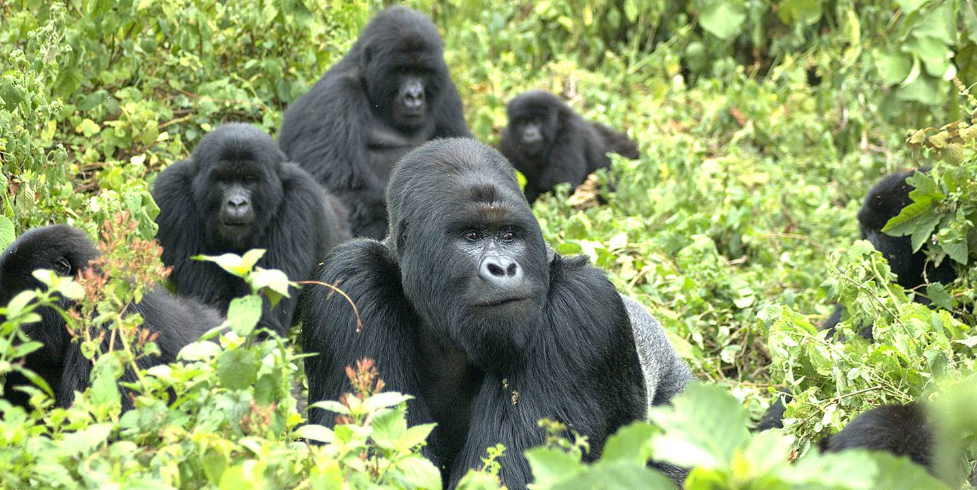
High on the forested slopes of Volcanoes National Park, visitors move through dense bamboo zones, moss-covered trees, and open clearings guided by expert trackers. Every step builds anticipation. The forest is alive with birdsong, golden light filtering through the canopy, and subtle signs of gorilla presence. Then, suddenly, you are there — standing quietly before a mountain gorilla family going about its daily life.
Rwanda has intentionally positioned itself as a high-value, low-volume tourism destination. Strict permit limits, professional ranger protection, and strong conservation policies ensure that each trek remains both sustainable and deeply personal. For many travelers, gorilla trekking is not simply an activity on their itinerary — it becomes the defining highlight of their entire African journey.
Where the Magic Happens: Inside Volcanoes National Park
All gorilla trekking in Rwanda takes place inside Volcanoes National Park, located in the country’s northwestern region near Musanze. The park forms part of the larger Virunga Massif ecosystem, which extends across Rwanda, Uganda, and the Democratic Republic of Congo. This transboundary mountain range is one of the last remaining strongholds of the endangered mountain gorilla.
The park is dominated by five majestic volcanic peaks: Karisimbi, Bisoke, Muhabura, Gahinga, and Sabyinyo. Their slopes are covered in high-altitude rainforest, bamboo forests, and afro-alpine vegetation that create a rich and biodiverse environment. Despite its relatively compact size, the park shelters several habituated gorilla families that are accessible for regulated tourism.
One of Rwanda’s strongest advantages is accessibility. Volcanoes National Park lies approximately two and a half hours by road from Kigali International Airport in Kigali. This convenient proximity allows visitors to arrive in Rwanda and reach gorilla territory the same day, minimizing travel fatigue and maximizing adventure time.
Face to Face with Giants: The Gorilla Trekking Experience
Gorilla trekking begins early in the morning at the Kinigi Park Headquarters, where visitors gather for registration and briefing. Park officials explain trekking guidelines, safety measures, and conservation protocols. Groups are limited to a maximum of eight people per gorilla family, ensuring minimal disturbance and an intimate encounter.
After the briefing, trekkers are assigned experienced rangers and trackers who lead them into the forest. The duration of the hike varies depending on where the gorilla family is located that day. Some treks may take just one hour, while others require several hours of steady climbing through thick vegetation and uneven terrain.
The moment the gorillas are located, everything slows down. Visitors are allowed one hour to observe the family at a respectful distance. You may witness playful juveniles tumbling through the undergrowth, mothers nurturing infants, and the dominant silverback calmly overseeing the group. It is immersive, emotional, and profoundly moving — a rare wildlife encounter that leaves a lasting impression.
Understanding the Gorilla Permit: An Investment in Conservation.
Rwanda’s gorilla permit currently costs approximately USD 1,500 per person. While premium in price, it reflects the country’s conservation-first tourism model designed to protect gorillas while delivering an exceptional visitor experience.
The permit includes park entry, expert ranger guidance, security, and conservation funding. A significant portion supports anti-poaching patrols, habitat protection, veterinary care, and research initiatives. Conservation organizations and veterinary teams monitor gorilla health and intervene when necessary.
Additionally, part of the revenue is shared with surrounding communities, funding schools, infrastructure, and local development projects. This model ensures that conservation benefits both wildlife and people.
By limiting visitor numbers and maintaining structured tourism policies, Rwanda protects the fragile gorilla habitat while sustaining long-term conservation success. Each permit purchased contributes directly to preserving one of the world’s most endangered species.
When to Go: Choosing the Best Time for Your Trek
Gorilla trekking takes place year-round in Volcanoes National Park, as mountain gorillas remain in the forest regardless of season. However, weather patterns influence hiking conditions and overall comfort.
The dry seasons — from June to September and December to February — typically offer firmer trails and easier trekking conditions. These months are popular, and permits often sell out in advance.
The rainy seasons — from March to May and October to November — transform the forest into a lush, vibrant landscape. Although trails can be muddy and more challenging, gorilla sightings remain consistent because families are tracked daily. Some travelers prefer this season for its dramatic scenery and fewer crowds.
There is no true off-season for sightings, as gorillas are monitored throughout the year. The ideal time depends on your comfort preference, photography goals, and travel schedule.
Preparing for the Adventure: Fitness, Gear & Expectations
Gorilla trekking requires moderate physical fitness due to the mountainous terrain and high elevation. Trails may involve steep slopes, dense vegetation, and uneven forest floors. Elevation ranges between 2,400 and 3,500 meters, which may require steady pacing.
Sturdy hiking boots, long-sleeved clothing, waterproof jackets, and gloves are highly recommended. Hiring a porter can significantly reduce strain and supports local employment within surrounding communities.
Rangers assign groups based on fitness levels, ensuring a manageable experience for all participants. Even travelers without extensive hiking experience can successfully complete the trek with preparation and guidance.
While physically engaging, the reward far outweighs the effort. Standing just meters away from a mountain gorilla family in their natural habitat makes every uphill step worthwhile.

Conservation in Action: How Your Visit Makes a Difference
Gorilla trekking in Rwanda directly funds wildlife conservation. Permit revenue supports ranger patrols that remove snares, deter poaching, and monitor gorilla families daily. Veterinary teams conduct health assessments and prevent disease transmission.
Revenue-sharing programs allocate a portion of tourism income to nearby communities, strengthening local support for conservation efforts. This integrated approach aligns environmental protection with economic opportunity.
Thanks to structured conservation strategies and responsible tourism policies, mountain gorilla populations have gradually increased over recent decades — a rare global conservation success.
Rwanda demonstrates that tourism, when properly managed, can protect endangered species while delivering life-changing experiences for visitors.
Beyond Gorillas: Enrich Your Rwanda Safari
Many travelers enhance their itinerary with additional experiences across Rwanda. Within Volcanoes National Park, visitors can hike to the former Karisoke Research Center established by Dian Fossey, gaining insight into early gorilla conservation history.
Golden monkey tracking offers another exciting primate encounter in the bamboo forests. For relaxation, travelers visit Lake Kivu, known for its scenic shores and tranquil atmosphere.
Adventure seekers often explore Nyungwe Forest National Park for chimpanzee trekking and canopy walks. Meanwhile, Kigali offers cultural attractions, museums, art galleries, and a vibrant culinary scene.
Rwanda’s compact geography allows visitors to combine wildlife, culture, and relaxation within a short, well-structured itinerary.

silverback gorilla diet
Why Rwanda Stands Out for Gorilla Trekking
Rwanda offers efficiency, organization, and premium hospitality. Short transfer times from Kigali to Volcanoes National Park reduce logistical complexity. Well-maintained infrastructure, professional ranger teams, and streamlined permit systems enhance visitor comfort.
The country’s high-value, low-volume tourism model preserves exclusivity and minimizes ecological stress. Luxury eco-lodges near the park provide refined accommodations while maintaining environmental responsibility.
Travelers seeking a seamless, conservation-driven, and professionally managed experience often choose Rwanda for its balance of adventure, safety, and sustainability.
Start Planning Your Gorilla Trek Today
VolcanoesNationalPark.com specializes in organizing seamless gorilla trekking experiences in Volcanoes National Park. We secure permits, coordinate lodge bookings, and arrange private transfers from Kigali to ensure a smooth and stress-free itinerary.
Whether you seek luxury comfort or a well-curated mid-range safari, our team designs personalized journeys tailored to your schedule and preferences.
If you are ready to experience Rwanda’s mountain gorillas in their natural habitat, contact VolcanoesNationalPark.com today and begin planning a once-in-a-lifetime African adventure.

Leave A Comment