
Discover Gorilla Trekking in Rwanda during the Dry Season
Gorilla Trekking in Rwanda during the Dry Season: Gorilla trekking in Rwanda is an unforgettable adventure year-round, but experiencing it during the dry season elevates comfort, safety, and scenery to a whole new level. For many travelers, particularly those seeking predictable hiking conditions and stunning photographic opportunities, the dry season provides the ideal combination of firm trails, clearer skies, and moderate temperatures. The journey unfolds in Volcanoes National Park, home to the iconic mountain gorillas who live permanently on the slopes of the Virunga volcanoes. While the gorillas themselves do not migrate, seasonal patterns dramatically influence the trekking experience, including trail conditions, forest visibility, and overall physical ease.
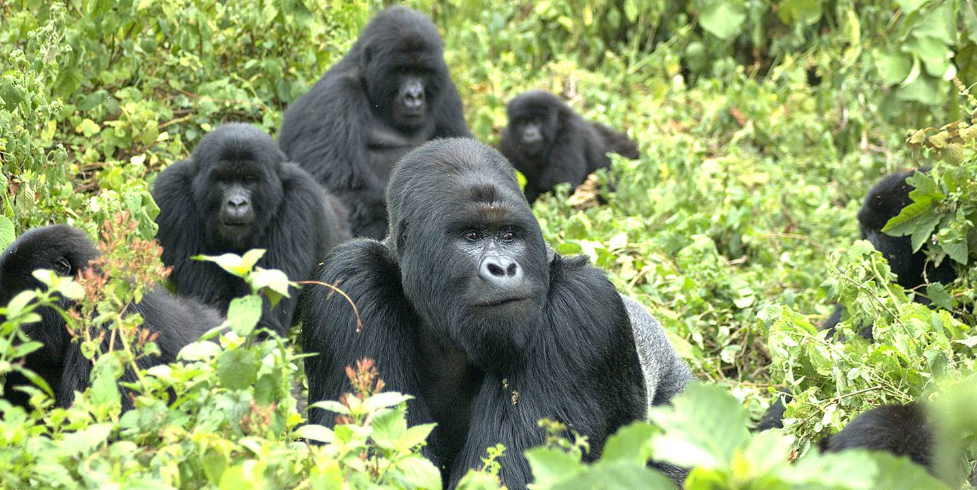 Rwanda’s structured tourism system ensures high-quality encounters with habituated gorilla families year-round, but the dry season is favored by travelers looking to minimize the challenges of steep, muddy terrain. The combination of professional rangers, porter assistance, and lodge proximity makes this an accessible and highly rewarding experience even for those new to trekking or travelers who prefer a smoother journey. For photographers, wildlife enthusiasts, and adventure seekers alike, the dry season presents an opportunity to witness these magnificent creatures in optimal conditions while enjoying Rwanda’s breathtaking volcanic landscape. Careful preparation, advance permit booking, and attention to gear selection ensure visitors can fully appreciate this once-in-a-lifetime wildlife encounter in both comfort and safety.
When to Go: The Prime Dry Season Windows
Rwanda experiences two main dry periods that are considered ideal for gorilla trekking: the long dry season from June to September and the shorter dry season from December to February. The long dry season is especially popular because rainfall decreases significantly, and trails that are usually slippery during the rainy months become firm and manageable. Temperatures remain moderate in the high-altitude rainforest, typically ranging from 10°C to 20°C, making hiking more comfortable for all levels of fitness. Travelers can expect clearer skies, better visibility for photography, and easier navigation along steep or uneven paths.
The short dry season, spanning December to February, also offers favorable conditions, though occasional light showers can still occur due to the montane rainforest’s microclimate. Both periods allow visitors to enjoy enhanced hiking conditions and a smoother trekking experience. These months also coincide with peak international travel, which means advance planning and early booking of gorilla permits and lodges are essential. Understanding these seasonal windows helps travelers balance comfort, trail stability, and scheduling availability, ensuring that their trek is as enjoyable and stress-free as possible. By choosing the dry season, visitors maximize both physical ease and the likelihood of capturing stunning photos of gorillas and their forested habitat.
Trail Stability and Comfort: Why the Dry Season Excels
One of the biggest advantages of trekking during Rwanda’s dry months is the stability and safety of the trails. Heavy rains can turn forest paths into muddy, slippery tracks, making ascents and descents physically demanding and exhausting. During the dry season, however, reduced rainfall produces firmer ground and fewer hazards, allowing trekkers to move at a comfortable pace without worrying excessively about slipping or losing footing. Steep slopes still require effort, but manageable trail conditions make the overall experience far more enjoyable for hikers of all fitness levels.
Lower humidity during the dry season can also reduce fatigue, particularly during extended hikes, and improves air circulation along densely vegetated paths. Clearer weather enhances visibility within the forest, providing better opportunities to observe gorillas, photograph the misty volcanic slopes, and enjoy Rwanda’s unique flora. Despite these advantages, hikers should still prepare for uneven terrain, bamboo thickets, and other natural obstacles that are part of the authentic trekking experience. With appropriate footwear, trekking poles, and sensible pacing, visitors can fully appreciate the dramatic landscapes, rich biodiversity, and unforgettable moments with mountain gorillas in the most physically comfortable way possible.
Gorilla Sightings in Peak Condition
Mountain gorillas do not migrate, and their presence is consistent year-round, but the dry season can make trekking to their locations easier and more comfortable. Rangers track habituated gorilla families daily, ensuring that every visitor has a high likelihood of an intimate encounter. Dry season conditions do not necessarily increase the chances of sightings, but they improve the trekking experience, allowing hikers to arrive at gorilla sites without fatigue and enjoy the observation period fully.
Additionally, vegetation tends to be slightly less dense after prolonged dry periods, which can marginally improve sightlines without affecting the immersive forest experience. Every gorilla family is limited to no more than eight visitors per day, preserving exclusivity and intimacy even during peak travel months. Whether standing quietly near a silverback or observing young gorillas play, the dry season ensures that visitors can focus on the emotional and visual highlights without distraction from challenging weather or treacherous trails. The combination of reliable wildlife tracking and comfortable trekking makes dry season gorilla encounters both rewarding and memorable.
Planning Ahead: Permits and Peak Demand
The dry season is the most popular time for gorilla trekking in Rwanda, especially the long dry season from June to September. This popularity coincides with strict daily quotas on gorilla permits, which often sell out months in advance. Travelers who plan their trip during this period must secure permits early to guarantee access, particularly if their travel dates are fixed. Lodge availability near Volcanoes National Park also becomes highly competitive during peak months, requiring early bookings to ensure convenient accommodations.
The short dry season from December to February also sees increased interest, particularly around the holiday period. Travelers who wish to enjoy the physical ease of dry season trekking without missing out on prime dates must prioritize early planning. Advanced preparation ensures not only availability but also access to professional guidance, porters, and curated itineraries that enhance comfort and safety. By securing permits and accommodations in advance, visitors can fully immerse themselves in the Rwanda trekking experience without concern for logistical challenges, making every moment in the forest more enjoyable.
Photography and Scenic Perfection
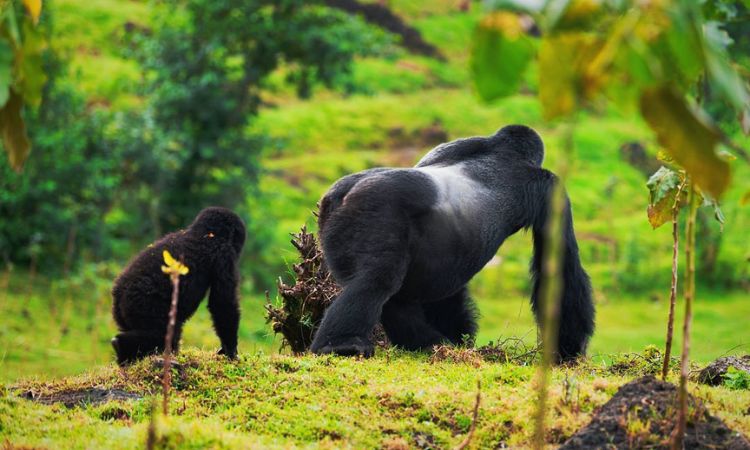
Dry season trekking offers ideal conditions for photography and sightseeing. Reduced rainfall lowers the risk of equipment exposure to heavy downpours, while clearer morning light produces stable, visually striking scenes. Mist occasionally drifts across volcanic slopes, creating dramatic contrasts without the interference of constant rain. Rolling hills, forest canopies, and gorilla interactions appear crisp and vibrant, allowing photographers and nature enthusiasts to capture high-quality images with minimal disruption.
The volcanic backdrop and panoramic vistas during the dry season provide unique opportunities for both landscape and wildlife photography. Visitors can linger at scenic spots, observe the gorillas’ natural behavior, and take advantage of better visibility throughout the forest. These visual benefits complement the comfort of firm trails and moderate weather, making the dry season an ideal period for travelers who want to combine adventure with photography, scenic appreciation, and memorable wildlife encounters.
Essential Gear for Dry Season Trekking
Even during the dry season, preparation remains essential. Lightweight, long-sleeved clothing protects against insects and scratches, while sturdy waterproof hiking boots provide stability on uneven terrain. Carrying a rain jacket is advisable, as sudden showers remain possible due to the montane rainforest climate. Gardening gloves or trekking poles can enhance grip through dense vegetation and steep slopes, while sufficient water and snacks help maintain energy during physically demanding treks.
Travelers should also plan for early mornings, fluctuating temperatures, and extended forest hikes. Packing efficiently ensures comfort and reduces fatigue, allowing visitors to focus on the wildlife experience rather than logistical or physical concerns. Thoughtful gear selection enhances safety, comfort, and enjoyment, enabling trekkers to take full advantage of the dry season’s optimal hiking conditions.
Dry Season vs Rainy Season: Making the Right Choice
The primary difference between dry and rainy season trekking is trail condition, not gorilla presence. Rainy months from March to May and October to November bring lush green scenery, fewer tourists, and dramatic forest beauty, but trails can become physically demanding and slippery. The dry season, in contrast, provides predictable weather, easier hiking, and increased competition for permits due to peak international travel.
Travelers must weigh convenience and physical comfort against fewer crowds and more vivid scenery. Both seasons offer extraordinary encounters with mountain gorillas, but for those prioritizing hiking ease, safety, and consistent trail conditions, the dry season is generally the preferred choice. Advanced planning and realistic preparation ensure a smooth, rewarding trek regardless of the season selected.
Final Reflections: Why the Dry Season Is Perfect
Gorilla trekking during Rwanda’s dry season offers the perfect balance of adventure, comfort, and accessibility. Trails are firmer, forest visibility improves, and photography opportunities abound, while mountain gorillas remain reliably present and approachable. Reduced rainfall makes the trek physically easier, enhancing overall enjoyment for all fitness levels.
While the experience is remarkable year-round, the dry season provides predictable conditions, smoother hiking, and easier logistics. Advance booking becomes essential due to high demand, but securing permits and accommodations ensures a memorable, stress-free journey. For travelers seeking optimal trekking conditions combined with Rwanda’s structured conservation model, the dry season offers one of the most rewarding ways to experience the majesty of Volcanoes National Park and its iconic gorilla inhabitants.
Plan Your Dry Season Gorilla Trek with Experts
At Volcanoes National Park, we specialize in professionally managed gorilla trekking experiences during Rwanda’s dry seasons. We secure permits early, recommend suitable lodges near Volcanoes National Park, and coordinate seamless transfers from Kigali. Our team crafts itineraries designed for comfort, exclusivity, and unforgettable wildlife encounters, ensuring every visitor can focus on the magic of gorilla trekking without worrying about logistics.
The dry seasons, from June to September and December to February, are the most suitable times for seniors to undertake gorilla trekking in Rwanda. Trails are firmer, hiking is safer, and there is a lower likelihood of slippery or muddy conditions. These months are ideal for maximizing comfort while still enjoying the beauty of the rainforest and high success rates for gorilla sightings.
While rainy seasons from March to May and October to November offer lush green scenery and fewer tourists, the increased mud and slippery trails can pose physical challenges for seniors. Because gorillas remain in the forest year-round, sightings remain consistently high regardless of the season, but seniors seeking a smoother, safer trekking experience generally prefer the dry months. Scheduling visits during optimal conditions ensures a comfortable, enjoyable, and memorable experience, allowing older travelers to focus on the unique and emotional encounter with the gorillas rather than worrying about difficult terrain.
Health and Safety Considerations
Mountain gorillas share close genetic similarities with humans, making health protocols essential. Seniors must ensure they are free from contagious illnesses before trekking, as park authorities strictly enforce health screenings. Carrying personal medications, staying hydrated, and pacing oneself throughout the trek are critical for maintaining physical stability and energy.
Rangers monitor all group members closely and provide rest breaks as needed, ensuring safety is a priority at every step. Emergency procedures are in place, though serious medical incidents are rare. Seniors should also be aware of altitude, moderate exertion levels, and forest conditions, adjusting pace and effort accordingly. These health and safety measures allow older travelers to enjoy a once-in-a-lifetime experience with peace of mind, ensuring that the trek remains rewarding, safe, and memorable.
Emotional and Personal Reward
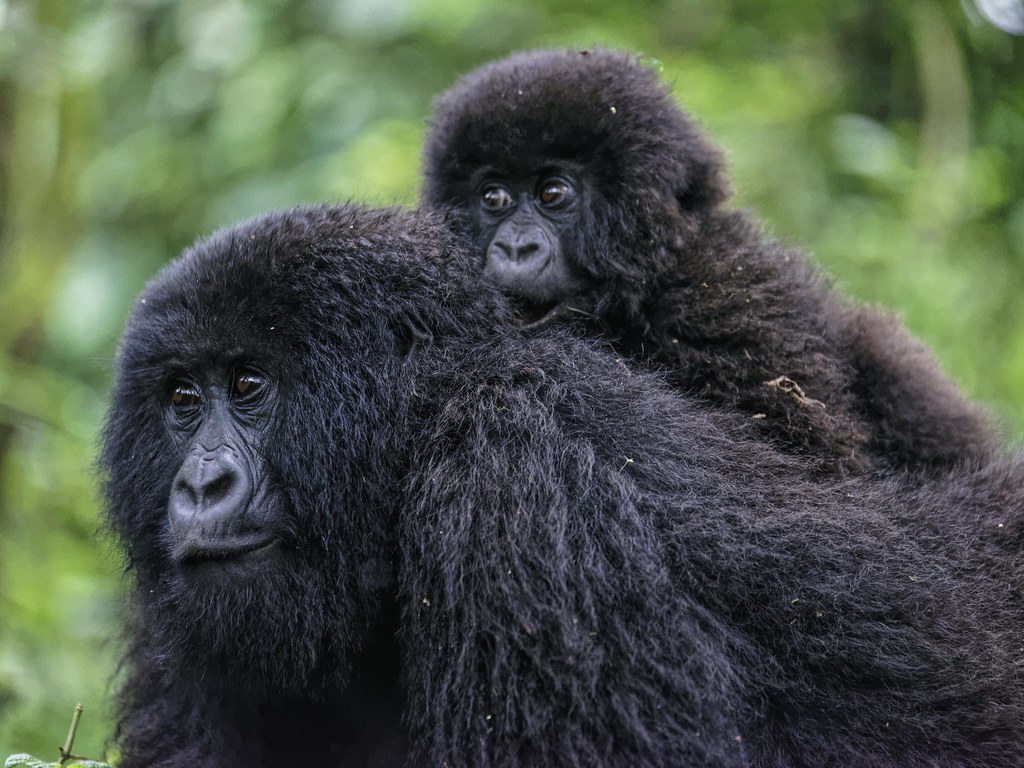
Gorilla trekking is more than a physical activity, it is an emotionally transformative experience, especially for seniors. Standing quietly within a few meters of a silverback gorilla, observing its calm presence and social interactions, often evokes profound reflection. Many older travelers describe the experience as deeply moving, offering a sense of fulfillment, awe, and connection with the natural world.
Completing a gorilla trek later in life symbolizes resilience, curiosity, and a commitment to meaningful travel. The experience creates memories that last a lifetime, offering both personal achievement and emotional reward. For seniors, the trek represents a chance to challenge oneself, engage with the natural world in a unique way, and witness one of Africa’s most extraordinary wildlife encounters. It is a journey that combines physical activity with introspection, leaving travelers with a sense of accomplishment and deep personal satisfaction.
Combining Trekking with Relaxation
Seniors often benefit from itineraries that balance trekking with relaxation. Following the forest adventure, lakeside retreats such as Lake Kivu provide peaceful scenery, calm waters, and opportunities to rest and rejuvenate. Kigali also offers comfortable accommodations and cultural visits that allow travelers to ease into or wind down from the adventure.
A carefully planned itinerary ensures sufficient rest between trekking days, allowing seniors to enjoy both the excitement of wildlife encounters and the tranquility of Rwanda’s scenic landscapes. Combining adventure and relaxation enhances comfort and overall satisfaction, ensuring the journey is memorable without being physically overwhelming. Customized planning that accounts for energy levels, recovery time, and pace ensures seniors can fully enjoy both the wildlife and cultural experiences that Rwanda offers.
Final Reflections
Gorilla trekking in Rwanda is entirely possible and deeply rewarding for seniors who maintain moderate fitness and mobility. Volcanoes National Park offers structured ranger guidance, safety measures, and group allocation systems that make trekking accessible and safe for older travelers. With proper preparation, porter assistance, and realistic expectations, seniors can experience one of the most extraordinary wildlife encounters in the world.
The emotional impact of standing face-to-face with a mountain gorilla is universal and age-independent. Many seniors describe this experience as one of the most meaningful and memorable journeys of their lifetime, combining adventure, reflection, and connection with nature in a way that few travel experiences can match.
Plan Your Senior-Friendly Gorilla Trek with Us
At Volcanoes National Park, we specialize in senior-friendly gorilla trekking itineraries. We secure permits, recommend comfortable lodges, arrange private transfers from Kigali, and tailor trekking plans based on fitness, pace, and personal preferences. With our expertise, seniors can enjoy a professionally structured safari that is safe, comfortable, and unforgettable. Contact us today to plan a once-in-a-lifetime gorilla trekking experience designed specifically for older travelers.