
Experience the Magic of Gorilla Trekking in Rwanda during the Rainy Season
Gorilla Trekking in Rwanda during the Rainy Season, Gorilla trekking in Rwanda is often associated with dry-season adventures, but the rainy season offers a completely unique and intimate way to experience the rainforest of Volcanoes National Park. For travelers who enjoy lush greenery, quieter trails, and a more immersive connection with nature, the rainy months provide a spectacular backdrop for observing endangered mountain gorillas. During this period, the forest is transformed into a vibrant, mist-filled world where every step unveils dense bamboo thickets, moss-covered trails, and the soothing sounds of rainfall echoing through the canopy.
Rwanda’s structured tourism model ensures that gorilla sightings remain consistently high year-round, so visitors during the rainy season can expect equally memorable encounters without compromising wildlife viewing. Fewer tourists during these months create a sense of exclusivity, allowing trekkers to feel closer to the gorillas and the forest itself. While trail conditions are wetter and more physically demanding, careful preparation, porter assistance, and proper gear make the trek both safe and deeply rewarding. For photographers, nature enthusiasts, and adventure seekers, the rainy season provides unparalleled scenery and softer lighting, enhancing the visual drama of the forest. With advance planning and the right mindset, trekking during the rainy season becomes an unforgettable journey, offering a raw and authentic experience that contrasts with the busier dry months.
When the Rains Fall: Understanding Rwanda’s Rainy Seasons
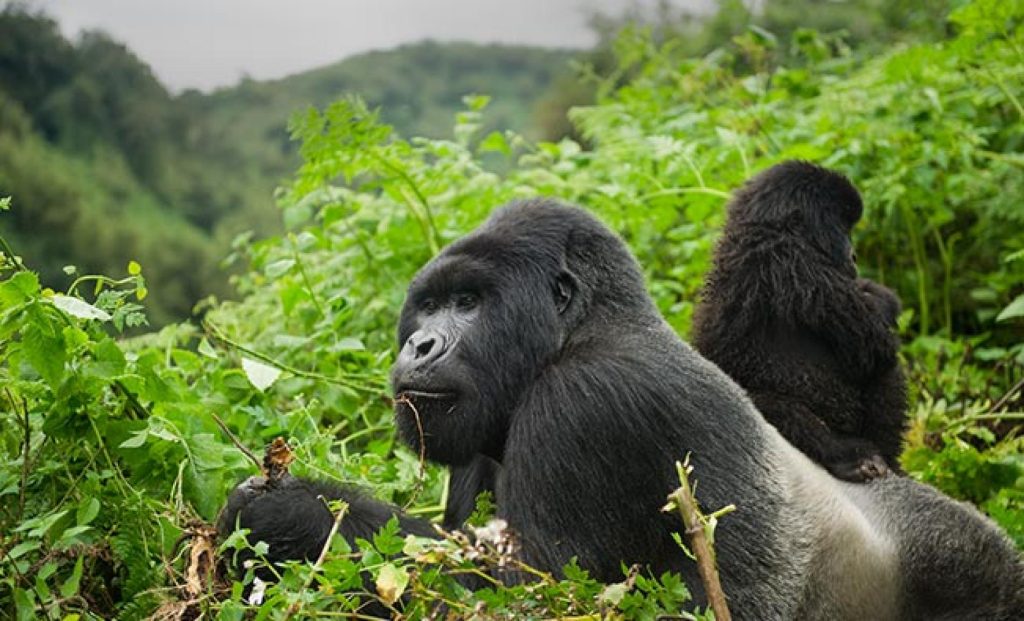
Rwanda experiences two distinct rainy seasons that bring their own character to the trekking experience. The long rains run from March through May, with April typically being the wettest month. During this period, sustained and heavy rainfall transforms Volcanoes National Park into a lush, emerald landscape. Forest paths may become muddy and slippery, and mist often hangs low, creating a mystical atmosphere. While these conditions make trekking more physically challenging, the scenery is unmatched, with dense vegetation and waterfalls accentuating the dramatic beauty of the Virunga slopes.
The short rainy season occurs from October to November. Rainfall is generally lighter and more intermittent, often falling in short bursts rather than prolonged downpours. Mornings can be clear and crisp before clouds gather in the afternoon, offering dynamic variations in light and atmosphere that make each day unique. Because Volcanoes National Park sits within a montane rainforest ecosystem at high altitude, rainfall can occur at any time of year. The rainy seasons simply bring greater frequency and intensity, providing an immersive, green forest experience. Travelers who understand the seasonal patterns can make informed choices based on their tolerance for wet trails, desire for solitude, and appetite for scenic immersion.
Trail Adventures: Navigating the Forest in Wet Conditions
Rainy season trekking introduces a different type of adventure. Trails in Volcanoes National Park become wetter and more slippery, requiring hikers to move with care and awareness. Steep slopes may be more challenging, and muddy paths demand steady footing. While this increases the physical effort required, it also adds a sense of accomplishment for trekkers who enjoy hands-on engagement with nature. Hiking during the rains is a chance to experience the forest in its most authentic and vibrant state, with every step revealing the rainforest’s life in full bloom.
Rangers maintain steady pacing and closely monitor group safety, ensuring that all visitors can complete the trek successfully. For seniors or travelers concerned about physical demands, hiring a porter is highly recommended. Porters provide support by carrying gear and helping maintain balance along slippery sections, reducing fatigue and enhancing comfort. Wearing waterproof boots, gaiters, and a high-quality rain jacket ensures that trekkers remain dry and protected while navigating wet terrain. Despite these challenges, hikers often describe rainy season trekking as more intimate and rewarding, offering a deeper connection with the forest and its inhabitants than during busier dry months.
Gorilla Sightings: Wildlife Encounters That Remain Unchanged
One of the most important points for travelers is that rainfall does not reduce the probability of seeing mountain gorillas. Habituated families remain within their territories year-round, and rangers track their movements daily to ensure successful encounters for all trekking groups. The rainy season sometimes encourages gorillas to move to slightly lower elevations due to vegetation changes, which can reduce hiking distances in certain instances.
The dense greenery resulting from the rains creates a spectacular backdrop for observing gorillas. Mist weaving through bamboo and moss-laden trees adds a cinematic quality to the encounter, enhancing both the emotional impact and photographic potential. Because the park limits each habituated gorilla family to no more than eight visitors per day, even during the rainy season, trekkers enjoy intimate, undisturbed wildlife viewing. Many visitors find that the serenity of the forest, combined with fewer fellow hikers, allows them to feel closer to the gorillas and more present in the natural environment. In the rainy season, every encounter feels private, immersive, and deeply memorable.
Fewer Crowds, Greater Flexibility: The Hidden Perks
One of the most compelling advantages of trekking in the rainy season is the reduction in visitor numbers. Dry-season months from June to September attract peak international tourism, often requiring months of advance booking. By contrast, rainy season trekking usually provides more flexibility in permit acquisition and accommodation availability. Travelers can often secure permits on shorter notice, and many lodges offer discounted rates to encourage visits during this quieter period.
The smaller crowds create a sense of tranquility throughout the forest. Trekkers can enjoy the sounds of rainfall, birdsong, and rustling leaves without competing with large groups of hikers. For those seeking a peaceful, immersive experience with the gorillas and the surrounding ecosystem, rainy season trekking offers unmatched serenity. Additionally, fewer visitors mean that park staff can provide more personalized guidance, enhancing the quality and safety of the trekking experience. For travelers who value exclusivity, flexibility, and a slower pace, rainy season visits offer an experience that dry-season trekking rarely matches.
 Capturing the Beauty: Photography in the Rain
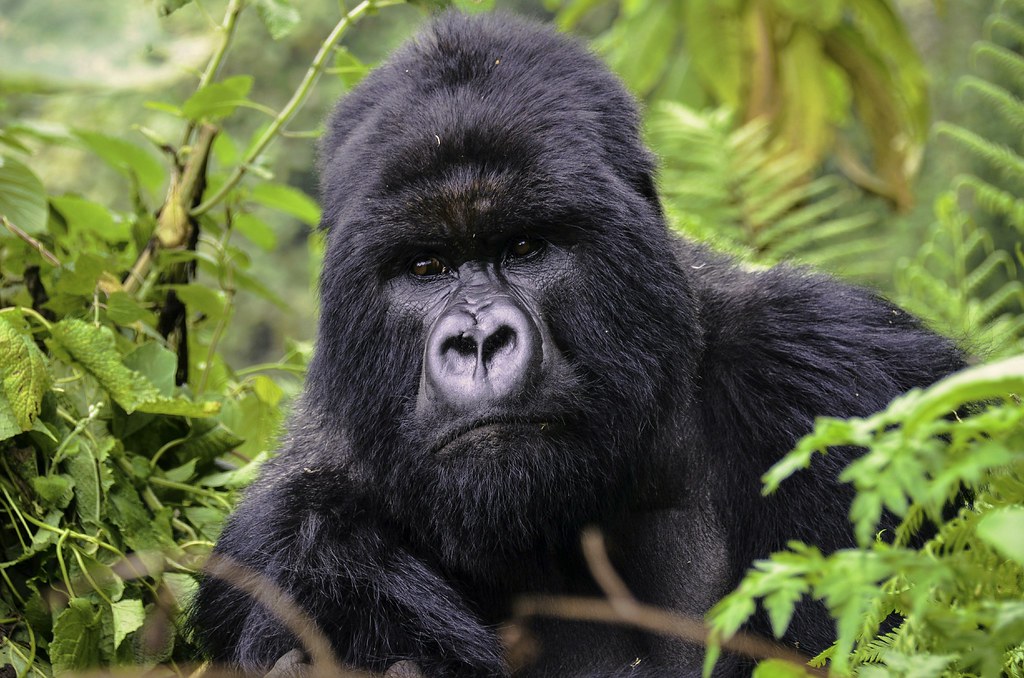
Photography during the rainy season presents both challenges and unique opportunities. Moisture levels necessitate careful protection of equipment using waterproof covers, sealed camera bags, and lens wipes to manage condensation. Despite these precautions, the diffuse lighting created by cloud cover and mist offers softer, more flattering illumination for photographing gorillas and forest scenery. Shadows are minimized, and details in gorilla fur and the surrounding foliage appear more pronounced.
The vibrant greenery, mist, and cascading water create atmospheric compositions that many photographers find more dramatic than dry-season conditions. Mist drifting through bamboo and volcanic slopes can evoke a storybook quality in images, while overcast skies soften the harsh contrast of direct sunlight. With patience and preparation, photographers can capture the raw essence of the rainforest, creating striking, memorable images that reflect the intimacy of the rainy-season experience. Rainy months challenge photographers but also reward them with unparalleled visual storytelling opportunities.
Packing Smart: Gear Essentials for Wet Conditions
Proper gear is critical for comfort and safety during rainy season trekking. Waterproof jackets with hoods, durable waterproof hiking boots, extra socks, and gaiters are essential. Long-sleeved clothing protects against insects and abrasive vegetation, while gloves aid in gripping wet bamboo stems or stabilizing on slippery inclines. Trekking poles provide additional balance and reduce strain on knees during wet descents.
Carrying sufficient water and snacks remains vital, as the cooler temperatures do not eliminate the physical demands of hiking in a rainforest environment. Waterproof storage for cameras and electronic devices ensures that memories are captured safely. By carefully preparing for wet conditions, trekkers can enjoy the immersive, lush environment of Volcanoes National Park without compromising comfort or safety. Effective packing turns the rainy-season challenge into an opportunity for deeper engagement with the forest and its iconic wildlife.
Rainy Season vs. Dry Season: Which Is Right for You?
The primary difference between Rwanda’s dry and rainy seasons lies in trail conditions, not gorilla behavior. Dry months offer firmer paths, easier hiking, and high demand, while rainy months present wetter trails, richer greenery, and a quieter, more immersive forest experience. Travelers comfortable with moderate physical challenges often prefer the rainy season for its intimacy and natural beauty, while those prioritizing convenience and trail stability may choose the dry months.
Both seasons offer extraordinary wildlife encounters, stunning scenery, and professional ranger guidance. The choice depends on personal preference for solitude, hiking conditions, and aesthetic priorities. Many visitors who embrace the rainy season report a deeper connection with the forest, more peaceful trekking experiences, and a heightened sense of adventure. Whether dry or wet, Volcanoes National Park guarantees encounters with mountain gorillas that leave lasting memories.
Final Thoughts: Why the Rainy Season Is Unforgettable
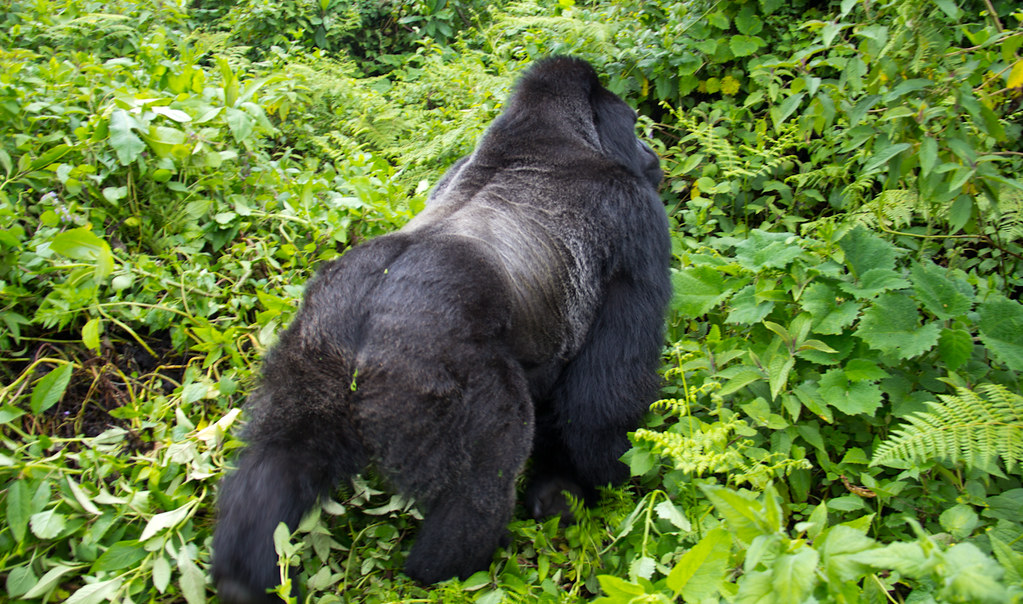
Gorilla trekking during Rwanda’s rainy season offers a vibrant, immersive, and often more intimate wildlife experience. Mist-covered slopes, thick bamboo growth, and dense forest create a dramatic setting for encounters with habituated mountain gorillas. Trails are more physically demanding, but the rewards—solitude, lush scenery, and photographic opportunities—make the effort worthwhile.
For travelers willing to embrace wet conditions and prepare adequately, the rainy season provides a raw, authentic experience of Volcanoes National Park. With high sighting success and fewer crowds, visitors can enjoy close and private encounters with gorilla families, while lodges and professional guides ensure comfort, safety, and convenience. The rainy season offers a unique perspective on one of Africa’s most iconic wildlife destinations, combining adventure, immersion, and tranquility in a way that is difficult to match during peak dry months.
Plan Your Rainy Season Gorilla Trek with Experts
At Volcanoes National Park, we specialize in professionally managed rainy-season gorilla trekking experiences. We secure permits, recommend lodges with optimal access, provide detailed packing guidance, and design itineraries that balance safety, comfort, and unforgettable wildlife encounters. Contact us today to plan a personalized rainy-season trekking adventure that allows you to experience Rwanda’s lush forests and mountain gorillas at their most enchanting.