
Gorilla Trekking Rwanda Packing List
Gorilla Trekking Rwanda Packing List, Preparing properly for gorilla trekking in Rwanda significantly improves your comfort, safety, and overall experience. Gorilla trekking takes place in the high-altitude rainforest of Volcanoes National Park, where terrain can be steep, muddy, and densely vegetated. The combination of altitude, dense vegetation, and rapidly changing weather means that treks can be physically demanding, even for experienced hikers. Hikes can last from one to several hours depending on the location of the gorilla family, making preparation essential to fully enjoy the experience.
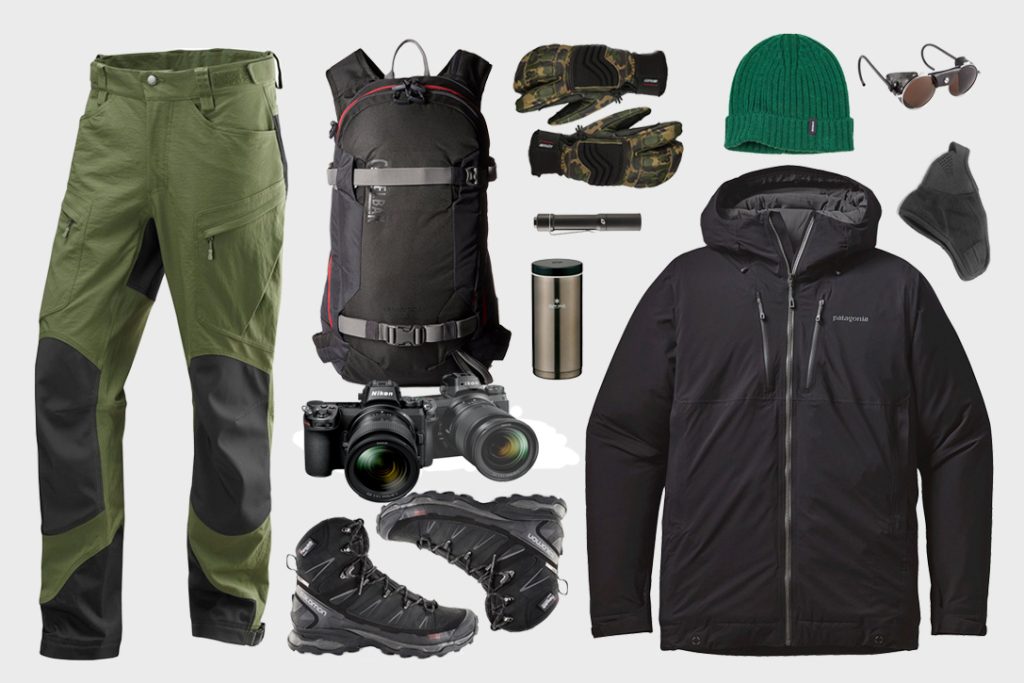
Packing correctly does not require excessive gear, but it does require thoughtful selection. The right clothing, footwear, and accessories protect you from rain, insects, slippery trails, and rough vegetation. In addition, items such as hydration packs, snacks, and camera equipment enhance comfort, performance, and the overall trekking experience. By carefully selecting gear, you ensure that you can focus entirely on observing the gorillas, capturing memorable photographs, and enjoying the stunning scenery without distractions. This guide explains what to pack for gorilla trekking in Rwanda, why each item matters, and how to optimize your experience depending on the season. Proper packing transforms a physically demanding hike into a safe, comfortable, and unforgettable adventure, allowing travelers to create lasting memories in one of Africa’s most iconic wildlife destinations.

Essential Clothing for Gorilla Trekking
Long-sleeved shirts and long trousers are essential for trekking in Volcanoes National Park. The forest contains thick undergrowth, stinging plants, and insects that can irritate or scratch your skin. Long clothing protects your arms and legs, preventing discomfort or injury while moving through bamboo and montane vegetation. Choosing lightweight, breathable fabrics that dry quickly is important because the rainforest environment is humid and rain showers can occur unexpectedly. Neutral colors like green, brown, or gray are best as they blend into the forest environment and reduce the risk of attracting insects. Bright colors or camouflage clothing are discouraged.
Layering is another key factor due to fluctuating temperatures at high altitude. Early mornings can feel cool before the sun rises, while hiking quickly generates heat that can make thick clothing uncomfortable. A moisture-wicking base layer combined with a light fleece or insulated jacket allows you to adapt to these changes efficiently. Avoid heavy cotton clothing, which retains moisture during rain and can cause chafing. Proper clothing ensures comfort and freedom of movement, allowing trekkers to focus fully on the gorillas rather than environmental obstacles. Dressing thoughtfully also reduces fatigue, helping hikers maintain energy and enjoyment throughout the trek.
Waterproof Jacket and Rain Protection
Even during the dry season, rain showers can develop quickly in Volcanoes National Park. A lightweight waterproof jacket with a hood is essential to keep you dry and comfortable. The rainforest canopy only partially blocks rainfall, so hikers may still get wet while trekking. Remaining dry improves overall comfort, prevents fatigue, and reduces the risk of chills, especially during long hikes. In addition to a jacket, a compact rain poncho can serve as additional protection for both the body and the backpack.
Protecting your daypack is equally important, as cameras, documents, and personal items can be damaged by sudden downpours. A waterproof cover or liner ensures your gear remains safe throughout the trek. During rainy months, waterproof trousers and gaiters help prevent mud from entering boots, keeping feet dry and comfortable. Rain protection not only increases physical comfort but also ensures that photographers can capture moments without worrying about equipment or clothing getting wet. Being well-prepared for rain transforms potentially challenging weather conditions into an enjoyable and immersive adventure.
Proper Hiking Boots
Sturdy, waterproof hiking boots with strong ankle support are critical for a safe and comfortable trek. Trails in Volcanoes National Park are often steep, uneven, and muddy, making traction and stability essential. Ill-fitting shoes or lightweight sneakers can cause blisters, foot fatigue, or injuries, making the trek much harder than necessary. Boots with reinforced soles provide stability on rocky or slippery surfaces, while thick, moisture-wicking socks reduce friction and increase comfort during long hikes.
It is important to break in boots before traveling to prevent discomfort. For trekkers with limited mobility or older travelers, the right footwear is even more essential to reduce strain and increase confidence on difficult trails. Good boots allow hikers to move with ease and focus on the primary goal of the trek: observing gorilla families in their natural environment. Proper footwear reduces fatigue, prevents injury, and ensures a more enjoyable trekking experience, allowing travelers to fully immerse themselves in one of the most iconic wildlife encounters in Africa.
Gardening Gloves for Grip and Protection
Lightweight gardening or trekking gloves offer both protection and comfort. During steep ascents and descents, hikers often use vegetation to maintain balance. Gloves protect hands from thorns, stinging plants, rough bamboo stalks, and other sharp objects found in the rainforest. They also provide a better grip on slippery surfaces, reducing the likelihood of falls or injuries.
In addition, gloves help prevent cold hands during rainy or misty weather. Breathable, flexible gloves allow free movement while providing essential protection. Many trekkers underestimate the benefits of gloves, but they make challenging sections of the trail easier and safer. Including gloves in your packing list improves both comfort and confidence, ensuring that trekkers can navigate terrain efficiently while staying focused on observing gorilla behavior and enjoying the surrounding natural beauty.
Backpack and Personal Essentials
A well-fitted, lightweight daypack is essential for carrying water, snacks, rain gear, and personal items comfortably. Padded shoulder straps reduce strain, making long hikes more manageable. At least one to two liters of water are recommended because high-altitude trekking can quickly lead to dehydration. Energy-rich snacks such as protein bars, nuts, or fruit help maintain stamina over longer treks.
Other essentials include sunscreen, lip balm, and insect repellent. Sunscreen protects from harmful UV rays, even on cloudy or misty days, while insect repellent minimizes bites in the lower forest sections. Organizing items in waterproof pouches ensures easy access and protects valuables from rain or humidity. By packing thoughtfully, trekkers can stay hydrated, energized, and comfortable, focusing on the unique wildlife encounters rather than worrying about supplies or personal discomfort.
Camera Equipment and Accessories
Photography is a highlight of gorilla trekking. Bringing a quality camera with adequate zoom (70–200mm lens recommended) allows close-range shots without disturbing the animals. Extra batteries and memory cards ensure uninterrupted shooting during the trek.
Flash photography is prohibited, so additional lighting is unnecessary. Humidity in the rainforest can damage cameras, making waterproof protective covers essential. Rainy mornings often provide misty, atmospheric scenes that enhance photographs. Being well-prepared with the right camera equipment allows travelers to capture once-in-a-lifetime memories safely while respecting the wildlife and the park’s strict conservation rules.
Gaiters and Trekking Poles
Gaiters are highly recommended during rainy months as they prevent mud, water, and debris from entering boots. Trekking poles provide stability on steep or slippery slopes and reduce strain on knees and legs during ascents and descents. Many operators provide wooden walking sticks at park headquarters, but personal poles offer greater control and comfort.
Additional items like hats, sunglasses, or compact binoculars enhance safety, comfort, and observation opportunities. These small items improve trekking efficiency, allowing hikers to navigate difficult sections confidently while staying alert to wildlife. Proper tools and protective gear help reduce fatigue, making the trekking experience safer, more comfortable, and more enjoyable.
Personal Identification and Permit Documents
Carrying a copy of your passport and gorilla trekking permit confirmation is essential. Rangers check documents during the morning briefing at Kinigi Park Headquarters, so having these items easily accessible ensures a smooth start to the trek.
Organizing your documents in a waterproof pouch prevents damage from rain or humidity. Keeping identification and permits secure allows trekkers to focus fully on the adventure ahead, eliminating unnecessary stress and ensuring compliance with park regulations. Proper documentation is critical for a seamless trekking experience.
Hiring a Porter
Although not a physical item, hiring a porter significantly enhances the trekking experience, particularly for seniors or travelers with heavy gear. Porters assist with carrying bags, provide stability on steep or slippery sections, and allow hikers to focus on the gorilla encounter. Their service contributes directly to local community income and is typically priced at USD 10–20 per trek.
Having a porter reduces fatigue, improves comfort, and allows travelers to navigate challenging terrain safely. By delegating heavy items to a porter, trekkers can concentrate on observing gorillas, capturing photographs, and enjoying the scenery. This practical support enhances both safety and enjoyment.
What Not to Pack
Avoid heavy or unnecessary items that reduce mobility. Trekking requires agility and lightness. Do not bring plastic bags, as Rwanda enforces strict environmental regulations against plastic. Flash photography equipment is prohibited, and strong perfumes or scented products should be avoided because they may disturb wildlife.
Overpacking can make the trek uncomfortable and physically taxing. Focus on essentials that support comfort, safety, and observation, and leave non-critical items behind. Packing smart ensures a smoother, more enjoyable trekking experience while respecting the park’s conservation efforts.
Seasonal Adjustments
During dry seasons (June–September and December–February), trails are firmer, but proper boots, rain gear, and hydration remain necessary. Sudden rainfall can still occur, so preparation is essential.
During rainy seasons (March–May and October–November), prioritize waterproof clothing, gaiters, gloves, and extra socks. Mud and slippery trails are more common, making traction and grip essential. Adapting packing to the season ensures comfort, safety, and enjoyment throughout the trek. Seasonally appropriate preparation can transform a challenging hike into a memorable adventure.
Final Reflections
A well-prepared packing list ensures comfort, safety, and enjoyment during gorilla trekking in Rwanda. Volcanoes National Park’s high-altitude rainforest requires sturdy footwear, protective clothing, and rain readiness.
Packing thoughtfully allows trekkers to focus fully on the magical experience of encountering a gorilla family. Proper gear supports physical endurance, enhances photographic opportunities, and transforms trekking from a demanding activity into a rewarding adventure. Preparation ensures that the emotional and immersive aspects of gorilla trekking can be experienced fully.
Plan Your Gorilla Trek with Us
Volcanoes National Park organizes professionally structured gorilla trekking experiences in Volcanoes National Park. We provide detailed pre-departure guidance, assist with permit booking, and recommend lodges based on season and comfort preferences.
If you are preparing for your gorilla trekking adventure and need expert advice tailored to your travel dates, contact Volcanoes National Park today. Our team ensures that you are fully prepared for a safe, comfortable, and unforgettable experience.