
Guide to Volunteer Opportunities in Volcanoes National Park Rwanda
Ultimate Guide to Volunteer Opportunities in Volcanoes National Park Rwanda explores the many ways travelers, students, conservation enthusiasts, researchers, and professionals can contribute to wildlife protection, community development, environmental conservation, and sustainable tourism while experiencing one of Africa’s most extraordinary landscapes.
Located in Rwanda’s Northern Province, Volcanoes National Park forms part of the greater Virunga Conservation Area and protects endangered mountain gorillas, golden monkeys, and a rich variety of wildlife. The park is surrounded by vibrant communities whose livelihoods are closely connected to conservation and tourism. Over the years, numerous organizations, community groups, research institutions, and conservation programs have created opportunities for volunteers to support both people and nature.
 Unlike traditional sightseeing holidays, volunteering allows visitors to leave a positive impact. Some volunteers help plant trees that restore wildlife habitats. Others assist with education programs in local schools, support women’s cooperatives, contribute to healthcare outreach activities, or help conservation organizations raise awareness about protecting endangered species. Every effort, no matter how small, contributes to the long-term sustainability of the region.
This Ultimate Guide to Volunteer Opportunities in Volcanoes National Park Rwanda highlights practical volunteer opportunities, important ethical considerations, required skills, and respected organizations such as SACOLA, the Dian Fossey Gorilla Fund, the Ellen DeGeneres Campus, Gorilla Doctors, community cooperatives, and environmental initiatives. Whether you are passionate about wildlife conservation, education, healthcare, culture, or community development, this guide will help you discover meaningful ways to get involved while supporting one of Africa’s greatest conservation success stories.
Why Volcanoes National Park Rwanda Is One of Africa’s Best Volunteer Destinations
One of the reasons the Ultimate Guide to Volunteer Opportunities in Volcanoes National Park Rwanda is important is because volunteering here offers far more than a typical travel experience. The park sits at the center of a unique conservation model where wildlife protection, tourism, and community development work together to create lasting benefits.
The mountain gorillas that attract visitors from around the world require healthy forests, secure habitats, and strong support from neighboring communities. Conservation efforts therefore extend well beyond the park boundaries. Schools, healthcare programs, women’s cooperatives, youth groups, cultural centers, and environmental organizations all play important roles in supporting the wider conservation landscape.
For example, a volunteer helping students improve their English skills may contribute to future tourism employment opportunities. Someone assisting a women’s cooperative with marketing strategies may help families earn sustainable incomes that reduce dependence on natural resources. Volunteers involved in reforestation projects directly support habitat restoration that benefits wildlife and local communities alike.
The diversity of opportunities makes Volcanoes National Park unique. Visitors can spend time learning about gorilla conservation while also supporting social development projects that improve education, healthcare, environmental awareness, and economic empowerment. This combination creates a volunteering experience that is both meaningful and rewarding.
The Ultimate Guide to Volunteer Opportunities in Volcanoes National Park Rwanda demonstrates that protecting wildlife is not only about animals. It is also about creating opportunities for people to thrive alongside nature.
Understanding How Volunteering Works Around Volcanoes National Park
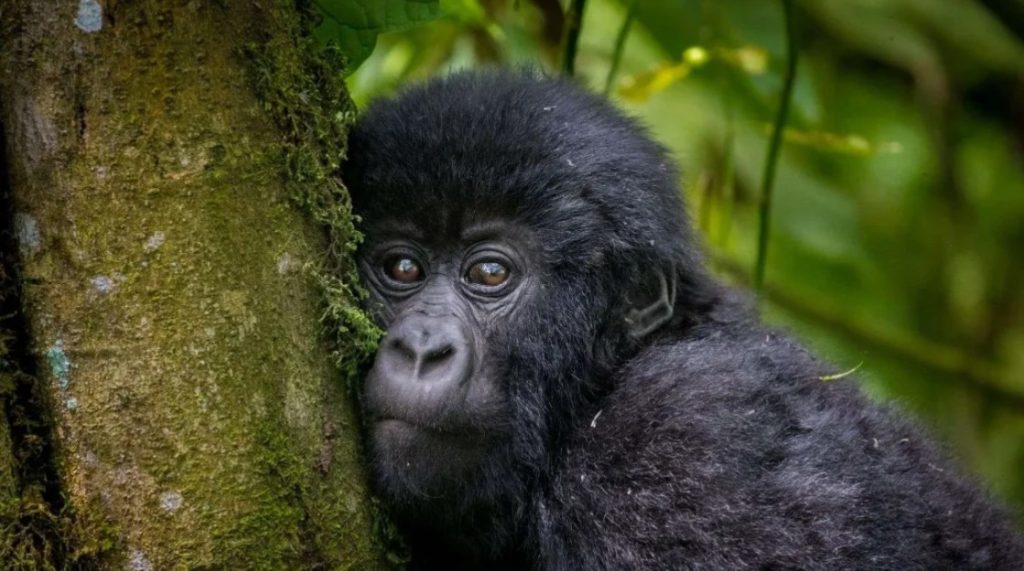
Many people imagine volunteering in Volcanoes National Park means spending every day with mountain gorillas. However, the reality is very different. Rwanda has some of the strictest conservation regulations in Africa, and direct interaction with gorillas is carefully controlled to protect them from disease, stress, and disturbance.
The Ultimate Guide to Volunteer Opportunities in Volcanoes National Park Rwanda explains that most volunteer activities take place in communities surrounding the park rather than inside the protected area itself. Volunteers support conservation indirectly by contributing to education, research support, environmental restoration, community development, and awareness programs.
For example, volunteers may work alongside local teachers in rural schools, assist community health campaigns, help maintain tree nurseries, support women-led businesses, or participate in conservation education initiatives. These projects strengthen local livelihoods while helping reduce pressures on the park’s natural resources.
Successful volunteering is based on partnership rather than charity. Volunteers work alongside local organizations and community leaders who understand the region’s needs and priorities. This approach ensures that projects remain sustainable and continue delivering benefits long after volunteers have returned home.
Understanding this model helps volunteers appreciate how their contributions fit into the larger conservation effort that has made Volcanoes National Park one of the world’s leading examples of successful wildlife protection.
SACOLA: Supporting Communities Through Conservation
The Sabyinyo Community Livelihood Association, commonly known as SACOLA, represents one of the most successful examples of community-based conservation in Rwanda. The organization was established to ensure that communities living near Volcanoes National Park directly benefit from tourism and conservation activities.
Volunteer opportunities with SACOLA often focus on community development, environmental awareness, education, and sustainable livelihood projects. Individuals with backgrounds in business, marketing, education, project management, or community development can provide valuable support to ongoing initiatives.
For example, a volunteer with marketing experience may help local cooperatives improve product branding and reach wider markets. Someone with teaching experience may support environmental education activities in schools or assist youth programs that promote conservation awareness.
SACOLA also supports projects that improve infrastructure, education, healthcare access, and income generation opportunities for local residents. By helping communities benefit from tourism revenue, the organization contributes to reducing human-wildlife conflict and strengthening support for conservation.
The Ultimate Guide to Volunteer Opportunities in Volcanoes National Park Rwanda highlights SACOLA as an excellent example of how conservation and community development can work together to create sustainable benefits for both people and wildlife.
The Dian Fossey Gorilla Fund, Ellen DeGeneres Campus, and Karisoke Research Center
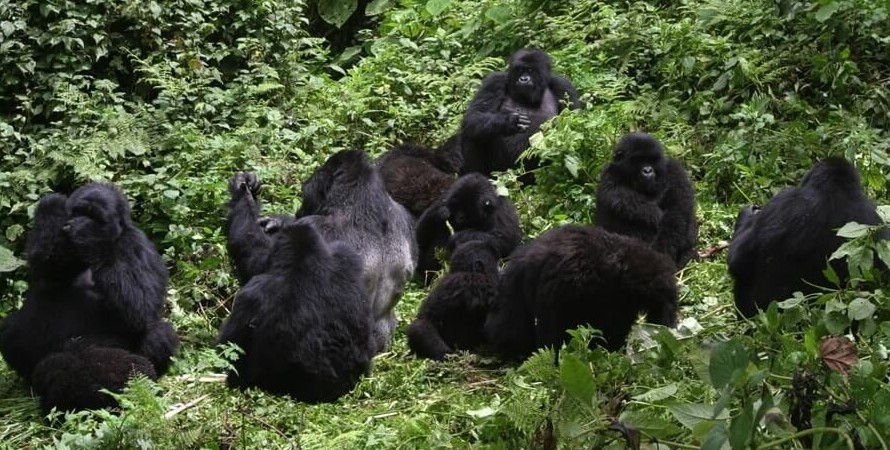
Few conservation organizations have shaped mountain gorilla protection as profoundly as the Dian Fossey Gorilla Fund. Established to continue the pioneering work of Dian Fossey, the organization plays a vital role in research, education, and conservation throughout the Virunga region. Its activities are supported through the modern Ellen DeGeneres Campus near Volcanoes National Park, which serves as a hub for learning, scientific research, and community engagement.
The Fund is also closely linked to the historic Karisoke Research Center, founded by Dian Fossey between Mount Karisimbi and Mount Bisoke. For decades, Karisoke has been at the forefront of gorilla monitoring and scientific studies that have contributed significantly to the survival of mountain gorillas.
Although direct volunteer work with gorillas may not be easily permitted, volunteers and interns may contribute through conservation education, research support, outreach programs, visitor engagement, and administrative activities. The campus welcomes visitors interested in understanding gorilla conservation through interactive exhibits and educational experiences. Together, the Dian Fossey Gorilla Fund, the Ellen DeGeneres Campus, and the Karisoke Research Center continue to inspire and strengthen long-term conservation efforts in Rwanda.
Education Volunteer Programs That Transform Communities
Education remains one of the most practical and rewarding volunteer opportunities highlighted in the Ultimate Guide to Volunteer Opportunities in Volcanoes National Park Rwanda. Many schools in communities surrounding the park welcome support from volunteers who can share knowledge, encourage learning, and help young people develop skills that improve future opportunities.
Volunteers often assist with English language instruction, reading programs, computer literacy training, environmental education, and extracurricular activities. Since tourism is one of the largest employers in the region, strong communication skills can open doors to future careers in hospitality, guiding, conservation, and business.
For example, a volunteer may spend several weeks helping students improve conversational English while also introducing lessons about wildlife conservation and environmental protection. Others may support school libraries, organize sports activities, or help establish educational clubs focused on leadership and sustainability.
Education volunteering does not require individuals to replace professional teachers. Instead, volunteers work alongside educators to strengthen existing programs and provide additional learning opportunities. These partnerships help schools expand their resources while exposing students to different cultures and experiences.
The Ultimate Guide to Volunteer Opportunities in Volcanoes National Park Rwanda recognizes education as one of the most effective ways to create lasting positive change because the benefits continue long after volunteers have completed their service.
Healthcare Outreach and Community Wellness Initiatives
Healthcare support is another important area covered in the Ultimate Guide to Volunteer Opportunities in Volcanoes National Park Rwanda. While medical treatment should always be delivered by qualified professionals, volunteers can make meaningful contributions through community health education and outreach programs.
Many rural communities near Volcanoes National Park benefit from initiatives that promote hygiene awareness, nutrition education, maternal health support, disease prevention, and sanitation practices. Volunteers often assist local organizations by helping prepare educational materials, supporting awareness campaigns, and participating in community workshops.
For example, a public health student may help organize sessions that educate families about clean water practices and disease prevention. Qualified healthcare professionals can sometimes assist with training programs, community screenings, or health awareness events coordinated by local health centers.
Improved healthcare contributes directly to conservation success. Healthy communities are better positioned to participate in sustainable development activities and environmental stewardship programs. This connection between human well-being and conservation is a central theme throughout the Ultimate Guide to Volunteer Opportunities in Volcanoes National Park Rwanda.
By supporting healthcare outreach initiatives, volunteers help improve quality of life while contributing to the broader goal of creating resilient communities around protected areas.
Community Clean-Up and Environmental Stewardship
Volunteers also have opportunities to participate directly in community clean-up and environmental conservation activities around Volcanoes National Park. These initiatives may include helping local residents collect litter in villages, cleaning public spaces, maintaining walking trails, and supporting waste management campaigns that promote a healthier environment. Some programs also organize park-edge clean-up exercises where volunteers work alongside conservation staff and community members to remove waste and raise awareness about environmental responsibility. By taking part in these hands-on activities, volunteers contribute to preserving the natural beauty of the region while strengthening relationships with local communities and supporting the long-term sustainability of tourism and conservation efforts.
Wildlife Conservation Projects Beyond Gorilla Trekking
Many visitors dream of working directly with mountain gorillas, but the Ultimate Guide to Volunteer Opportunities in Volcanoes National Park Rwanda explains that wildlife conservation involves much more than gorilla encounters.
Conservation organizations often need support with environmental education, biodiversity monitoring, habitat restoration, conservation awareness campaigns, and research assistance. These activities help protect not only mountain gorillas but also golden monkeys, birds, reptiles, and countless plant species that depend on healthy ecosystems.
For example, volunteers may participate in community conservation workshops that educate farmers about reducing human-wildlife conflict. Others may assist researchers with organizing data, preparing educational materials, or supporting biodiversity awareness events.
Tree planting programs and habitat restoration projects are also common conservation activities. Volunteers may help establish tree nurseries, plant indigenous species, or support initiatives that reconnect fragmented habitats around the park.
Although volunteers rarely have direct contact with gorillas, their contributions play an important role in ensuring the long-term survival of the entire ecosystem. The Ultimate Guide to Volunteer Opportunities in Volcanoes National Park Rwanda emphasizes that effective conservation depends on many different forms of support working together.
Gorilla Doctors and Specialized Conservation Opportunities
One of the most respected conservation organizations associated with Volcanoes National Park is Gorilla Doctors. This organization provides veterinary care to mountain gorillas across Rwanda, Uganda, and the Democratic Republic of Congo.
The Ultimate Guide to Volunteer Opportunities in Volcanoes National Park Rwanda explains that Gorilla Doctors does not operate traditional volunteer programs for the general public because mountain gorillas are highly vulnerable to diseases transmitted by humans. Protecting gorilla health requires strict professional standards.
However, highly qualified veterinarians, veterinary researchers, wildlife health specialists, and scientific professionals may have opportunities to contribute specialized expertise through training programs and technical collaborations.
For example, experienced veterinary professionals may assist with capacity-building initiatives that strengthen wildlife health monitoring and veterinary response systems. Researchers may contribute scientific knowledge that improves conservation outcomes.
For most visitors, the best way to support Gorilla Doctors is through educational engagement, conservation advocacy, fundraising initiatives, or awareness campaigns that highlight the importance of gorilla health.
The work carried out by Gorilla Doctors demonstrates how science, veterinary medicine, and conservation combine to protect one of the world’s most endangered primates.
Women Empowerment and Sustainable Livelihood Projects
The Ultimate Guide to Volunteer Opportunities in Volcanoes National Park Rwanda places significant emphasis on women empowerment because strong communities play a critical role in conservation success.
Across the region, many women participate in cooperatives focused on handicrafts, agriculture, small business development, hospitality, and tourism-related enterprises. These initiatives provide alternative sources of income while reducing pressure on natural resources.
Volunteers with backgrounds in business, marketing, accounting, entrepreneurship, or vocational training can make valuable contributions. For example, a volunteer may help a handicraft cooperative improve product packaging, develop online marketing strategies, or strengthen financial management practices.
Some programs focus on literacy training, leadership development, and skills-building workshops that help women expand economic opportunities for themselves and their families. Others support savings groups that encourage financial independence and community resilience.
By strengthening livelihoods, these initiatives create positive social and economic outcomes while reinforcing support for conservation efforts. The Ultimate Guide to Volunteer Opportunities in Volcanoes National Park Rwanda highlights women empowerment programs as powerful examples of how community development and environmental protection can advance together.
Youth Leadership and Community Development Programs
Young people represent the future of conservation in Rwanda. As a result, many volunteer opportunities focus on supporting youth development and leadership initiatives.
The Ultimate Guide to Volunteer Opportunities in Volcanoes National Park Rwanda highlights programs that encourage environmental awareness, entrepreneurship, education, and personal development among young people living near the park.
Volunteers may help organize leadership workshops, environmental clubs, sports activities, mentorship programs, or career guidance sessions. For example, a volunteer with experience in environmental science may help students establish conservation clubs that promote tree planting and wildlife awareness.
Youth programs often aim to inspire the next generation of conservationists, educators, entrepreneurs, and community leaders. By investing in young people today, communities strengthen their ability to address future challenges while continuing to protect natural resources.
These initiatives demonstrate how volunteering can create long-term impacts that extend far beyond a volunteer’s stay in Rwanda.
Reforestation and Environmental Restoration Projects
Environmental conservation extends far beyond protecting wildlife. The Ultimate Guide to Volunteer Opportunities in Volcanoes National Park Rwanda highlights reforestation and habitat restoration as some of the most meaningful ways volunteers can contribute to the long-term health of the region.
As communities grow and agricultural demands increase, maintaining healthy ecosystems becomes increasingly important. Several organizations working around Volcanoes National Park support tree-planting programs designed to restore degraded landscapes, improve biodiversity, reduce soil erosion, and strengthen wildlife corridors.
Volunteers may participate in establishing community tree nurseries, planting indigenous tree species, maintaining restoration sites, or assisting with environmental education campaigns. For example, a volunteer may spend a day working alongside local residents planting native trees that help reconnect fragmented habitats used by birds, monkeys, and other wildlife species.
Environmental restoration also benefits local communities. Healthy forests help regulate water sources, improve soil quality, and support sustainable agriculture. These outcomes strengthen local livelihoods while contributing to conservation goals.
The Ultimate Guide to Volunteer Opportunities in Volcanoes National Park Rwanda emphasizes that every tree planted represents an investment in the future of both people and wildlife. Small actions undertaken today can create environmental benefits that last for generations.
Cultural Tourism and Community Experiences at Gorilla Guardians Village
One of the most unique volunteer experiences featured in the Ultimate Guide to Volunteer Opportunities in Volcanoes National Park Rwanda involves supporting community-based cultural tourism initiatives such as Gorilla Guardians Village, formerly known as Iby’Iwacu Cultural Village.
Established by former poachers who chose conservation over illegal hunting, the village demonstrates how tourism can create sustainable livelihoods while protecting wildlife. Today, it serves as a powerful example of how local communities benefit directly from conservation.
Volunteers may assist with cultural education programs, community development projects, visitor engagement activities, language training, marketing initiatives, and skills-development workshops. For example, a volunteer with digital marketing experience may help promote community tourism products online, while another may assist artisans in expanding their craft businesses.
The experience often goes beyond volunteering. Many participants have opportunities to engage directly with local culture through traditional dance performances, storytelling sessions, farming activities, local cuisine preparation, and cultural exchanges with community members.
These experiences foster mutual understanding while generating income that supports conservation-friendly livelihoods. The Ultimate Guide to Volunteer Opportunities in Volcanoes National Park Rwanda recognizes Gorilla Guardians Village as one of the region’s most inspiring examples of community-led conservation and sustainable tourism.
Construction and Community Infrastructure Development
The Ultimate Guide to Volunteer Opportunities in Volcanoes National Park Rwanda also highlights infrastructure development projects that help improve living conditions in communities surrounding the park.
Some organizations coordinate volunteer programs focused on renovating schools, improving community centers, supporting sanitation projects, enhancing water access systems, and strengthening public facilities. These initiatives address practical community needs while creating environments that support education, healthcare, and social development.
For example, volunteers may work alongside local builders to improve classroom facilities, repair community gathering spaces, or support projects that increase access to clean water. Engineers, architects, project managers, and skilled tradespeople can often contribute specialized expertise, although many projects also welcome enthusiastic individuals willing to assist under professional supervision.
Successful infrastructure projects are always guided by local priorities. Communities identify their needs, and volunteers contribute support rather than imposing solutions. This collaborative approach ensures that projects remain relevant and sustainable long after construction work is completed.
Through these initiatives, the Ultimate Guide to Volunteer Opportunities in Volcanoes National Park Rwanda demonstrates how practical development projects can contribute to stronger, healthier, and more resilient communities.
Ethical Voluntourism in Volcanoes National Park Rwanda
Ethical volunteering is one of the most important themes throughout the Ultimate Guide to Volunteer Opportunities in Volcanoes National Park Rwanda. Good intentions alone are not enough. Volunteers must ensure that their contributions genuinely benefit local communities and conservation efforts.
Responsible volunteering begins with choosing reputable organizations that work closely with local communities and maintain long-term development goals. Volunteers should support projects that address genuine needs rather than activities designed solely to attract foreign participants.
For example, teaching positions should ideally be filled by qualified educators or volunteers working under professional guidance. Similarly, healthcare initiatives should involve trained personnel rather than unqualified individuals attempting tasks beyond their expertise.
Respect for local culture is equally important. Volunteers should take time to learn about Rwanda’s traditions, customs, and history. Listening carefully, showing humility, and following local leadership create more meaningful partnerships and reduce the risk of misunderstandings.
The Ultimate Guide to Volunteer Opportunities in Volcanoes National Park Rwanda encourages volunteers to view themselves as collaborators rather than saviors. Sustainable change happens when communities lead development efforts and volunteers contribute skills and support that strengthen existing initiatives.
Requirements, Skills, and Practical Considerations for Volunteers
The Ultimate Guide to Volunteer Opportunities in Volcanoes National Park Rwanda explains that volunteer requirements vary depending on the organization and the nature of the project.
Many community development and environmental conservation programs primarily require enthusiasm, adaptability, cultural sensitivity, and a willingness to learn. These opportunities are often suitable for students, travelers, and individuals seeking meaningful experiences.
Specialized programs may require professional qualifications. For example, healthcare projects may seek medical professionals, while conservation research initiatives may prefer applicants with scientific backgrounds. Business development programs often benefit from volunteers experienced in entrepreneurship, finance, marketing, or project management.
International volunteers should research visa requirements, accommodation options, transportation arrangements, and program costs before applying. Most volunteer opportunities require participants to cover their own travel expenses, meals, and accommodation. Some organizations may offer support services or discounted housing arrangements.
Volunteers should also prepare physically and mentally for life in rural communities. Flexibility, patience, and openness to new experiences contribute significantly to successful placements.
The Ultimate Guide to Volunteer Opportunities in Volcanoes National Park Rwanda emphasizes that the most valuable qualification is often a genuine commitment to learning, respecting local communities, and contributing positively to shared goals.
How Volunteering Benefits Local Communities and Conservation
The success of volunteering around Volcanoes National Park can be measured through its impact on both people and nature. The Ultimate Guide to Volunteer Opportunities in Volcanoes National Park Rwanda highlights how carefully designed volunteer programs create benefits that extend far beyond individual projects.
Education initiatives help young people develop skills that improve future employment opportunities. Healthcare programs contribute to healthier communities. Women’s empowerment projects strengthen household incomes and economic resilience. Environmental restoration improves ecosystem health and biodiversity. Cultural tourism initiatives preserve traditions while generating sustainable livelihoods.
At the same time, conservation benefits emerge through stronger community support for wildlife protection. When local residents see tangible benefits from conservation and tourism, they become active partners in protecting natural resources.
For example, communities that benefit from tourism revenue are often more willing to participate in anti-poaching efforts, habitat restoration programs, and conservation awareness activities. This partnership has played a major role in Rwanda’s remarkable success in protecting mountain gorillas and promoting sustainable tourism.
The relationship between community development and conservation remains one of the most important lessons within the Ultimate Guide to Volunteer Opportunities in Volcanoes National Park Rwanda.
Final Thoughts on Volunteering in Volcanoes National Park Rwanda
The Ultimate Guide to Volunteer Opportunities in Volcanoes National Park Rwanda demonstrates that volunteering in this remarkable region offers much more than a chance to visit one of Africa’s most famous national parks. It provides an opportunity to contribute to meaningful projects that improve lives, strengthen communities, and protect one of the world’s most important conservation landscapes.
Whether supporting SACOLA’s community initiatives, learning from the conservation work of the Dian Fossey Gorilla Fund and the Ellen DeGeneres Campus, assisting with environmental restoration, participating in education programs, supporting women-led enterprises, contributing to healthcare outreach, or helping cultural tourism projects thrive, volunteers play an important role in sustaining the region’s success.
Every volunteer experience is different, but the common thread is partnership. Meaningful contributions occur when volunteers work alongside local communities, respect local leadership, and support initiatives that address genuine needs. Through this collaborative approach, volunteering becomes a powerful tool for positive change.
Ultimately, the Ultimate Guide to Volunteer Opportunities in Volcanoes National Park Rwanda shows that conservation is not only about protecting wildlife. It is about supporting people, preserving culture, restoring ecosystems, creating opportunities, and building a future where communities and nature thrive together. For those seeking a rewarding and impactful experience, Volcanoes National Park Rwanda offers countless ways to make a difference while becoming part of one of Africa’s greatest conservation success stories.