
Mountain Gorilla Conservation in Rwanda
Mountain gorilla conservation in Rwanda stands as one of the most disciplined and inspiring wildlife protection efforts in Africa. From teetering on the edge of extinction in the late 20th century to seeing measurable population growth today, Rwanda has created a conservation system that harmonizes ecological protection, scientific research, sustainable tourism, and community development. The country’s success demonstrates that endangered species recovery is achievable when governance, funding, and local communities work together over decades.
The mountain gorillas of Rwanda inhabit Volcanoes National Park, a high-altitude rainforest that forms part of the larger Virunga Massif, shared with Uganda and the Democratic Republic of Congo. This transboundary ecosystem is the only natural habitat in Rwanda where mountain gorillas survive, making its protection a national and global priority. Safeguarding the species requires a combination of strict law enforcement, veterinary monitoring, habitat management, and carefully regulated tourism. Rwanda has committed to all of these pillars, creating a model for conservation studied around the world.
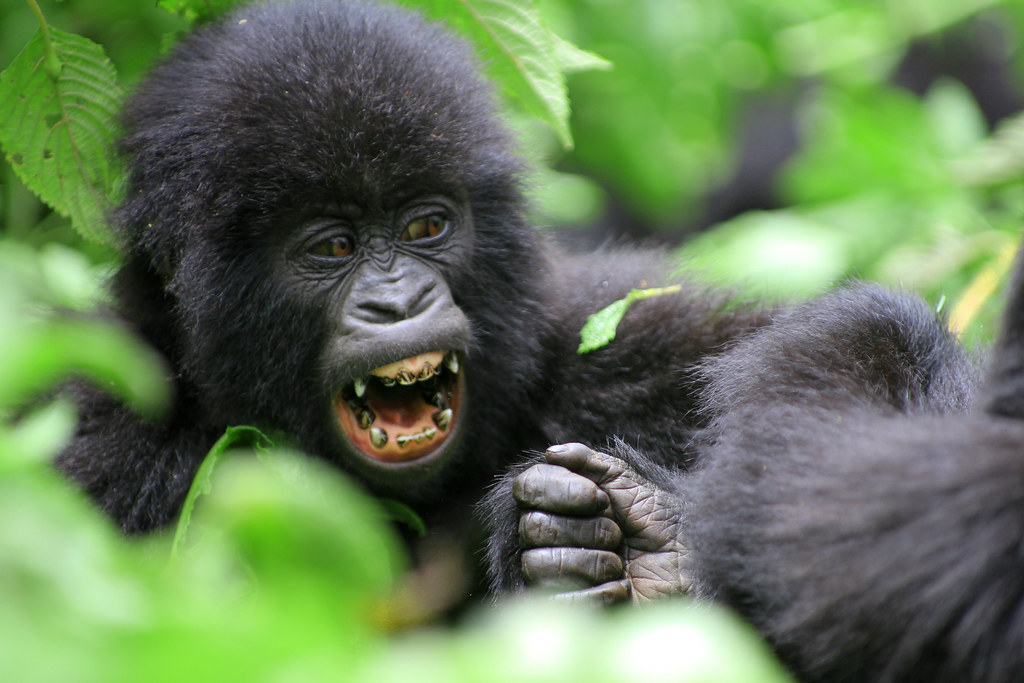
Over the years, Rwanda’s integrated approach has evolved into a blueprint for global conservation. By combining long-term scientific research with proactive protection strategies, the country has not only increased gorilla numbers but also improved the welfare of local communities surrounding the park. Today, the mountain gorillas of Rwanda are a symbol of resilience, a testament to what structured conservation, patience, and ethical management can achieve. Visitors to Volcanoes National Park can witness firsthand how careful planning and human dedication have restored a species once on the brink of disappearance.
From Crisis to Recovery: Historical Threats to Mountain Gorillas
Mountain gorillas in Rwanda faced extreme threats throughout the mid-20th century, bringing them dangerously close to extinction. Expanding agricultural lands and human settlements reduced forest cover, fragmenting habitats and isolating gorilla families. Poaching for trophies, bush meat, and the illegal wildlife trade further increased pressures on an already vulnerable species. Political instability in the region weakened law enforcement, leaving gorillas exposed to exploitation and habitat encroachment. By the late 1980s, the global population of mountain gorillas had dwindled to fewer than 300 individuals, sounding alarms across the international conservation community.
Early scientific research, notably led by Dian Fossey, helped bring global attention to the crisis. Fossey’s groundbreaking work at the Karisoke Research Center revealed the complexity of gorilla social structures, their intelligence, and emotional depth, dispelling myths of aggressive, unpredictable behavior. However, awareness alone could not save the species. Rwanda recognized that long-term protection required structured funding, institutional capacity, and local engagement.
The introduction of regulated gorilla tourism became a turning point. By monetizing controlled access to habituated gorilla families rather than exploiting forest resources, Rwanda created a sustainable financial mechanism for conservation. This strategy has proven critical in ensuring that mountain gorillas not only survive but thrive. Historical threats highlight the importance of combining research, protection, and community participation in achieving long-term conservation success.
Regulated Tourism: Turning Visits into Conservation
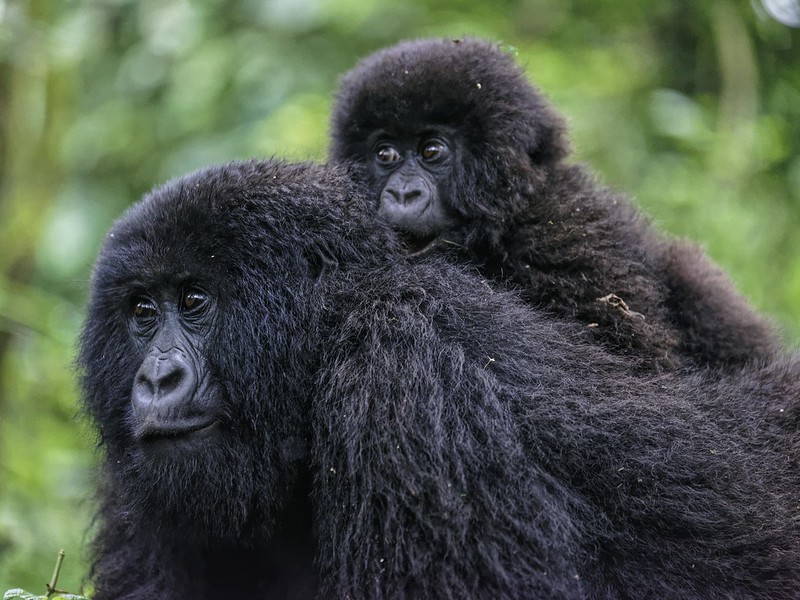
Rwanda’s conservation model relies heavily on high-value, low-volume tourism to protect mountain gorillas while funding essential park operations. Only eight visitors are allowed to visit a single habituated gorilla family each day, and encounters are strictly limited to one hour. These measures reduce stress on the gorillas, prevent disruption of their natural behavior, and minimize the risk of disease transmission.
Permit fees are intentionally set at a premium, reflecting the exclusivity of the experience. Rather than increasing visitor numbers, Rwanda focuses on maximizing conservation revenue per visitor. Funds generated from permits support ranger patrols, veterinary interventions, habitat protection, and community development programs. By carefully regulating tourism, Rwanda has created a system where visitor interest directly strengthens conservation rather than threatening it.
Structured tourism not only protects wildlife but also educates visitors about conservation challenges. Hikers and trekkers gain a deeper understanding of gorilla behavior and the complexities of preserving their habitat. This approach demonstrates that tourism can be an effective tool for ecological sustainability, balancing the needs of wildlife, local communities, and global travelers in a single, integrated system.
Rangers on the Frontline: Protecting Gorillas and Habitats
The constant presence of rangers in Volcanoes National Park is critical to safeguarding mountain gorillas. Patrol teams move daily through the forest to monitor gorilla families, remove snares, and prevent illegal encroachment. Although large-scale poaching has decreased, vigilance remains essential, particularly along park boundaries that intersect with farmland.
Rangers combine endurance, terrain knowledge, and rapid response skills to protect wildlife effectively. Their work also benefits from cross-border cooperation with Uganda and the Democratic Republic of Congo, ensuring unified protection across the Virunga Massif. This is especially important as gorilla families often move between countries, requiring coordinated enforcement strategies.
Permit revenue directly funds ranger operations, ensuring consistent protection year-round. Rangers not only safeguard gorillas but also protect biodiversity, enforce park boundaries, and maintain safe conditions for visitors. Their dedication exemplifies the human effort required to sustain endangered species and highlights the importance of disciplined, well-supported conservation teams.
Veterinary Care: Ensuring Gorilla Health
Mountain gorillas share nearly 98% of human DNA, making them highly susceptible to human-transmitted diseases. Rwanda has established specialized veterinary teams to monitor gorilla health year-round, providing rapid response for injuries and illnesses. These teams often operate in difficult forest conditions, delivering medical care directly in the wild.
Health monitoring also tracks reproductive success, disease outbreaks, and overall population well-being. Strict visitor health protocols further protect the gorillas: trekkers showing signs of illness are barred from participation, and distance regulations minimize the risk of transmission.
Integrating veterinary science into conservation policy has strengthened Rwanda’s long-term protection strategy. By ensuring the health of individual gorillas, the program improves overall population resilience and survival. The combination of medical care, preventive measures, and research highlights the importance of biological as well as environmental protection in successful wildlife conservation.
Community Engagement: Sharing Benefits with Local Populations
Rwanda’s conservation model recognizes that community support is essential. A portion of gorilla permit revenue is allocated to local communities surrounding Volcanoes National Park, funding schools, healthcare facilities, water access projects, and small businesses. These initiatives align local economic interests with conservation goals, giving residents a tangible stake in wildlife protection.
When communities benefit from conservation, they are more likely to support park management and protect wildlife. Employment opportunities in guiding, lodges, and park operations further integrate residents into conservation efforts. This partnership reduces human-wildlife conflicts and strengthens long-term stewardship of mountain gorilla habitats.
By investing in people as well as wildlife, Rwanda demonstrates that successful conservation depends on inclusive, sustainable development. Communities and gorillas thrive together, creating a model where environmental and social outcomes reinforce each other.
Habitat Protection: Safeguarding Forests and Ecosystems
Maintaining the health of Volcanoes National Park is crucial for mountain gorilla survival. The montane rainforest, shaped by volcanic soils and frequent rainfall, requires careful monitoring and active management. Authorities repair trekking routes, restore buffer zones, and protect critical bamboo forests that serve as essential food sources for gorillas.
Biodiversity conservation ensures year-round food availability, supports stable gorilla populations, and protects water systems that local communities rely on. Active habitat management reduces conflict between humans and wildlife and maintains ecological balance.
Rwanda’s approach illustrates that habitat protection is inseparable from species survival. By managing the environment proactively, authorities provide gorillas with the conditions they need to thrive while maintaining ecosystem integrity for surrounding communities.
Population Recovery: Measurable Success
Rwanda’s integrated conservation approach has yielded tangible results. From fewer than 300 individuals in the late 20th century, mountain gorilla populations have grown to over 1,000 across the Virunga and Bwindi ecosystems. Volcanoes National Park hosts a significant portion of this population, reflecting the effectiveness of long-term protection measures.
Steady births, improved survival rates, and reduced poaching have contributed to population growth. The reclassification of mountain gorillas from critically endangered to endangered highlights the success of Rwanda’s conservation strategy. Continuous monitoring ensures populations remain stable, demonstrating that structured protection, tourism, and community engagement can reverse the decline of even the most vulnerable species.
Challenges Ahead: Ensuring Long-Term Sustainability
Despite successes, mountain gorillas remain endangered. Habitat is limited, human population growth near park boundaries increases pressure, and climate change introduces ecological uncertainty that may affect vegetation and food supply.
Sustaining population growth requires continued funding, strict enforcement, veterinary care, and adaptive management. Conservation is not a static achievement but an ongoing effort that must evolve with emerging environmental and social challenges. Rwanda’s experience demonstrates that long-term success depends on vigilance, consistency, and the ability to anticipate threats while maintaining existing protections.
Final Reflections: Lessons from Rwanda’s Conservation Model
Mountain gorilla conservation in Rwanda is a model of integrated strategy. By combining regulated tourism, rigorous enforcement, veterinary care, habitat protection, and community engagement, Rwanda has transformed a species once on the brink of extinction into a symbol of conservation resilience.
Volcanoes National Park stands as a testament to what careful planning, sustained commitment, and ethical management can achieve. Every gorilla trekking permit purchased directly contributes to research, protection, and community development. The recovery of mountain gorillas demonstrates that structured, long-term conservation can deliver measurable and lasting results, offering lessons for endangered species management worldwide.

Support Conservation: Make Your Visit Count
Responsible tourism directly supports mountain gorilla conservation. Volcanoes National Park organizes guided gorilla trekking experiences in Volcanoes National Park, ensuring that every permit contributes to the protection of wildlife and local communities.
Visitors enjoy close encounters with gorillas while knowing their participation funds ranger patrols, veterinary care, and community projects. Professional guides manage logistics from permits to accommodations, providing a seamless experience. By visiting responsibly, travelers actively contribute to one of Africa’s most successful conservation programs, witnessing firsthand the remarkable recovery of this iconic species.

Leave A Comment