
Threats to Mountain Gorillas in Volcanoes National Park: Understanding Conservation Challenges
Mountain gorillas are among the world’s most endangered primates, and Volcanoes National Park in Rwanda is a critical sanctuary for their survival. Trekking to observe habituated gorilla families offers a unique wildlife experience, yet every visit intersects with significant conservation challenges. Threats such as limited habitats, human encroachment, disease, environmental degradation, social disruptions, political instability, and ecological changes all influence gorilla survival and visitor safety.
The park covers only 160 square kilometers of the Virunga Massif rainforest, home to mountain gorillas, golden monkeys, forest elephants, and other rare species. These confined boundaries, combined with pressures from surrounding human populations and climate-driven ecological changes, make gorilla conservation complex. Understanding these threats allows visitors to approach trekking responsibly, contribute to conservation, and witness the resilience of one of the planet’s most iconic species.
 Limited Habitat Size: Crowded Conditions Threaten Gorilla Survival
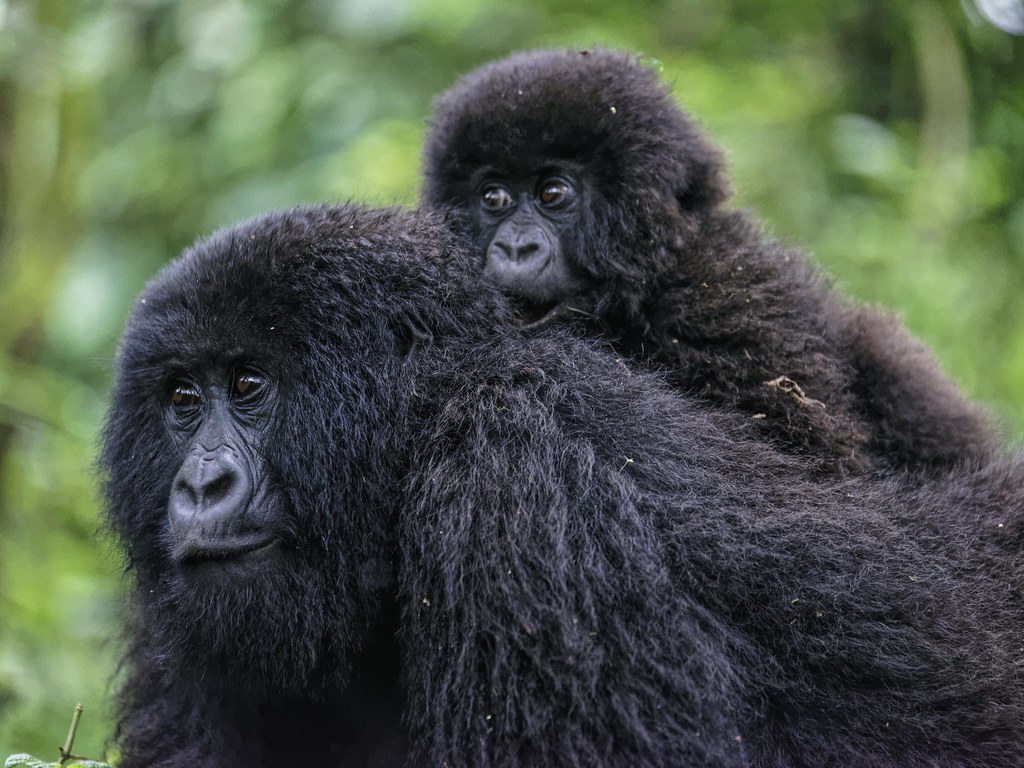
The compact size of Volcanoes National Park is a fundamental challenge for mountain gorilla conservation. Spanning only 160 square kilometers, the park must accommodate growing gorilla populations along with other wildlife such as golden monkeys, forest elephants, and rare bird species. Each gorilla family requires sufficient territory for feeding, nesting, and social interaction. When populations increase in a limited space, competition for resources can lead to stress, territorial disputes, and sometimes displacement of weaker family groups. This pressure affects both gorilla health and the predictability of trekking encounters, as animals may relocate to less accessible areas to avoid conflicts.
For conservation teams, managing limited habitat involves daily GPS tracking, behavioral observation, and vegetation mapping to anticipate movements. Reforestation programs and buffer zones help expand usable habitat, but space constraints remain a permanent threat to gorilla welfare. For trekkers, this means that encounters are not guaranteed, and the duration or difficulty of treks may vary depending on natural movements of the gorillas. Understanding habitat limitations highlights the delicate ecological balance that must be maintained to ensure gorilla survival and demonstrates how visitor behavior can either support or disrupt these efforts.
Ultimately, limited habitat illustrates the fragility of mountain gorilla populations. Responsible tourism—staying on trails, following guides, and minimizing disturbances—plays a vital role in mitigating these pressures while supporting long-term conservation. Every trek is not just a wildlife experience but a direct interaction with a species surviving under constrained ecological conditions.
Human Population Pressure: Encroachment Threatens Gorilla Habitats
Volcanoes National Park is surrounded by densely populated communities, creating continuous pressure on gorilla habitats. Locals depend on agriculture, firewood, and forest resources for their livelihoods, which can lead to encroachment into protected areas. Even minor intrusion into feeding zones or nesting areas can disrupt gorilla behavior, particularly affecting infants and juveniles, and may force entire families to relocate. Such disturbances not only threaten gorilla welfare but also make trekking routes less predictable and sometimes more hazardous.
To address this, park authorities have implemented extensive community-based programs. Revenue-sharing initiatives, employment opportunities in tourism, and education projects provide alternatives to forest exploitation. By aligning community needs with conservation objectives, these programs reduce encroachment and improve habitat protection. Rangers patrol park boundaries to prevent unauthorized activities and ensure that habituated gorilla families remain undisturbed.
Visitors also play a critical role in minimizing pressure on habitats. Respecting trail boundaries, following guides’ instructions, and supporting community-focused programs, such as tree-planting and educational initiatives, help reduce human impact. Observing the influence of local populations on gorilla behavior reinforces the interconnectedness of human and wildlife systems. Responsible trekking becomes part of a broader conservation strategy, where visitor choices help mitigate human-induced threats to one of the world’s most vulnerable primate species.
 Non-Habituated Silverbacks: Social Conflicts Disrupt Gorilla Groups
Mountain gorilla families are organized around dominant silverbacks, whose leadership ensures group cohesion, protection, and reproduction. Occasionally, non-habituated silverbacks—males not monitored by conservation teams—intrude into established families. Such intrusions can lead to temporary instability, displacement of resident males, stress for infants and juveniles, and changes in feeding or movement patterns. These social conflicts pose a real threat to population stability and influence trekking experiences, as gorilla groups may relocate to avoid confrontation, sometimes into more challenging or distant terrain.
Conservation teams carefully monitor these interactions, documenting takeovers while minimizing human intervention to prevent additional stress. Understanding these dynamics is crucial for visitors to appreciate the natural vulnerabilities of gorilla populations. Observing family responses—such as protective postures, increased vigilance, or shifts in feeding behavior—provides rare insight into gorilla intelligence and complex social organization.
Responsible trekking behavior is essential to prevent exacerbating these social pressures. Maintaining distance, avoiding sudden movements, and respecting visit time limits minimize human interference. Witnessing the impacts of silverback conflicts highlights the fragility of social structures in gorilla populations. These encounters not only educate visitors about natural behavior but also emphasize the importance of conservation measures designed to reduce threats to both family stability and individual welfare.
Water Pollution and Soil Erosion: Environmental Degradation Threatens Gorillas
Mountain gorillas depend on healthy ecosystems for survival, yet streams, rivers, and soil in Volcanoes National Park face significant threats. Pollution from agriculture, sedimentation due to soil erosion, and human disturbances reduce vegetation quality, affecting food availability and nutritional balance for gorilla populations. Unstable soils also endanger trekking trails, causing slippery paths and restricted access to feeding or nesting areas, posing both safety risks for visitors and long-term habitat degradation.
Conservation measures target these environmental threats through reforestation, erosion control, and community education on sustainable agricultural practices. Rangers maintain trails and actively restore degraded areas to protect both gorillas and trekking conditions. Monitoring water quality ensures that essential food sources remain viable, supporting stable gorilla populations.
Visitors experience these environmental threats directly during treks, observing degraded streams or eroded trails. Understanding the link between ecosystem health and gorilla survival reinforces the importance of responsible tourism practices, such as staying on designated paths and minimizing human impact. Healthy ecosystems are crucial for the longevity of both wildlife and trekking infrastructure. Protecting water and soil integrity safeguards gorilla habitats while allowing visitors to enjoy safe, predictable encounters.
Breeding and Nursery Habitat Disturbance: Infant Gorillas at Risk
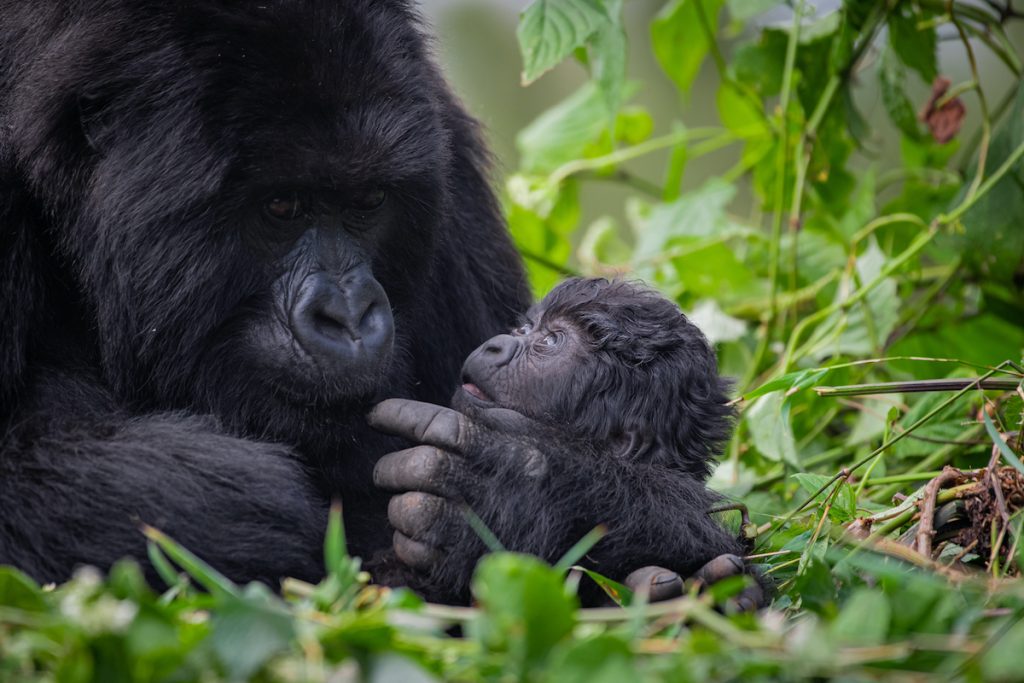
Infant and juvenile gorillas are highly vulnerable to disturbances in breeding and nursery areas. Habitat degradation, trail proximity, or human intrusion can compromise these zones, threatening reproductive success and long-term population growth. Disturbances may cause stress to mothers, reduce feeding efficiency, and expose infants to potential dangers, directly impacting population stability.
Conservation teams implement strict protections for these sensitive areas, restricting visitor access when necessary, monitoring maternal and infant health, and conducting habitat restoration and enrichment programs. Reforestation ensures adequate food supply and cover for infant safety, while minimal human disturbance supports natural development and social learning.
For trekkers, observing nursery zones provides a unique opportunity to witness early life stages of gorillas, but adherence to guidelines is critical. Visitors must maintain distance, move quietly, and follow ranger instructions. Protecting breeding and nursery areas is essential to sustain stable, healthy populations and ensure trekking remains a safe and meaningful experience. These measures demonstrate the vulnerability of gorillas’ youngest members and the ongoing responsibility of humans to mitigate threats to reproductive success.
Disease Transmission Risks: Human Illnesses Threaten Gorilla Populations
Mountain gorillas are extremely susceptible to human diseases, sharing almost 98% of our DNA. Respiratory infections, even mild colds, can quickly spread through gorilla families, causing severe illness or death. Tourism, if poorly managed, significantly increases disease transmission risks, representing a direct threat to population survival.
Strict protocols, including visitor health screenings, mask requirements, minimum distance rules, and visit time limits, are designed to minimize these risks. Rangers and veterinary teams monitor gorilla health continuously, responding promptly to any signs of disease. Visitors play a crucial role by adhering to these rules and maintaining hygiene during their treks.
Disease outbreaks not only threaten gorilla welfare but can disrupt tourism, as sick groups may become inaccessible. Awareness of these risks emphasizes the fragility of gorilla populations and the responsibility of humans to protect them. Responsible trekking supports population stability, ensuring that both habituated families and visitor experiences remain safe, ethical, and sustainable.
Political Instability: Regional Conflicts Threaten Conservation Efforts
Volcanoes National Park is part of the transboundary Virunga Massif, extending into Uganda and the Democratic Republic of Congo. Political instability in neighboring regions poses significant threats, including increased poaching, disrupted conservation programs, and challenges in monitoring cross-border gorilla movements. These risks can affect both population survival and trekking logistics, influencing permit availability, trail safety, and overall visitor experience.
Conservation authorities coordinate cross-border patrols, intelligence sharing, and joint monitoring to mitigate threats from instability. Despite these efforts, regional conflicts remain a constant challenge to maintaining secure habitats and protecting gorilla populations.
Visitors benefit from these protective measures, but political risks highlight the vulnerability of mountain gorillas to factors beyond the park’s immediate control. Understanding the impact of regional instability emphasizes the broader conservation context and reinforces the importance of responsible tourism as part of a collective effort to safeguard endangered species.
Low Tourist Turnout in Low-Seasons: Financial Shortfalls Threaten Conservation
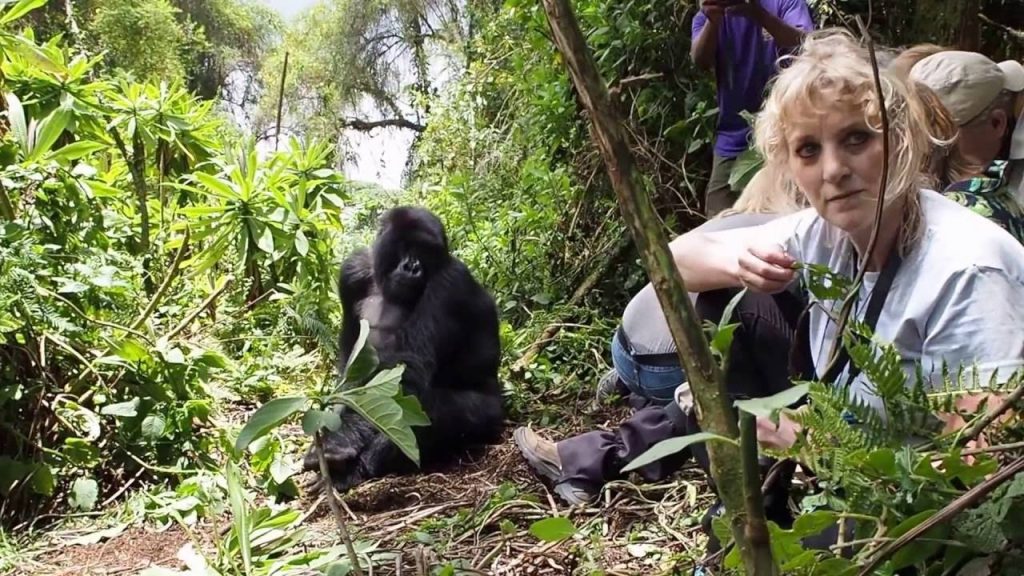
Tourism revenue is a critical source of funding for ranger patrols, veterinary care, habitat restoration, and community projects. During low-seasons, low visitor numbers reduce available funds, which can compromise trail maintenance, monitoring, and gorilla protection activities. Financial shortfalls pose a subtle but real threat to conservation efforts, as gaps in resources may leave vulnerable populations at greater risk.
To counter this, park authorities promote low-season visits, maintain essential operations, and ensure that conservation initiatives continue uninterrupted. Visitors traveling during quieter months provide crucial support for sustaining ranger programs, habitat restoration, and community-based conservation.
Awareness of these financial dynamics emphasizes the direct connection between tourism and gorilla protection. Each responsible visitor contributes to mitigating threats, highlighting how even reduced human presence can have indirect negative impacts on long-term conservation if support is lacking.
Emerging Endemic Species: Ecological Changes Threaten Gorilla Food Sources
Climate change and habitat modification can trigger the emergence of new endemic species that compete with gorillas for food, alter vegetation composition, or introduce pathogens. These ecological changes may force gorillas to adapt feeding patterns, relocate temporarily, or face nutritional stress, affecting both population health and trekking predictability.
Conservation teams engage in continuous ecological monitoring to anticipate shifts, ensuring food availability and habitat stability. Understanding these emerging threats is critical for adaptive management strategies that protect gorilla populations from unforeseen ecological pressures.
Visitors witnessing these changes gain insight into the fragility of rainforest ecosystems and the ongoing environmental challenges that mountain gorillas face. Trekking becomes both an immersive wildlife experience and an educational lesson in ecosystem stewardship, demonstrating the direct link between ecological change and species vulnerability.
Final Reflections on Gorilla Trekking Challenges
Gorilla trekking in Volcanoes National Park exposes visitors to the many threats these primates face. Limited habitats, human encroachment, social disruptions, environmental degradation, disease, political instability, and ecological shifts all jeopardize population stability and trekking reliability. Conservation requires vigilant monitoring, adaptive management, and community collaboration.
Visitors gain a deeper understanding of gorilla resilience, the fragility of their habitats, and the complex planning necessary for safe encounters. Responsible tourism transforms trekking into an act of conservation, mitigating threats while supporting long-term species survival.
Support Sustainable Gorilla Trekking with Your Visit
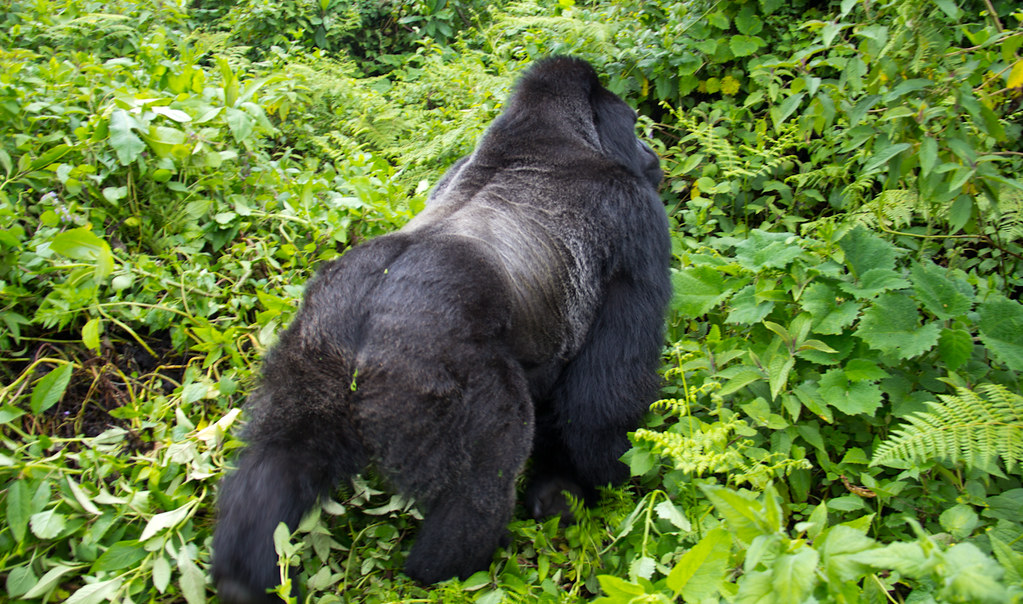
Every gorilla trekking permit purchased through licensed operators directly funds ranger patrols, veterinary care, habitat restoration, and community programs. Visitors who follow park rules, participate in educational initiatives, and respect wildlife boundaries actively help reduce the threats gorillas face.
Responsible tourism turns each trekking experience into a contribution to long-term conservation, ensuring that future generations can continue to witness these extraordinary primates in their natural habitats.