
Ultimate Guide to Film and Photography in Volcanoes National Park Rwanda
Ultimate Guide to Film and Photography in Volcanoes National Park Rwanda is a complete resource for filmmakers, photographers, travel influencers, and documentary creators who want to capture one of Africa’s most visually powerful and protected destinations. Located in northwestern Rwanda, Volcanoes National Park is globally known for its rare mountain gorillas, playful golden monkeys, dramatic volcanic peaks, and dense green bamboo forests that create a naturally cinematic environment. Every corner of this park offers strong visual storytelling potential, from mist-covered slopes to close wildlife encounters guided by expert rangers.

The Ultimate Guide to Film and Photography in Volcanoes National Park Rwanda explains everything you need to plan a successful and responsible shoot in this unique conservation area. It covers how to obtain filming permits, follow park regulations, respect wildlife, and work ethically within protected ecosystems. It also highlights how creators can capture high-quality images and video without disturbing animals or local communities.
Whether you are producing a wildlife documentary, travel vlog, photography project, or commercial film, this guide ensures you understand the rules, expectations, and best practices. Ultimately, the Ultimate Guide to Film and Photography in Volcanoes National Park Rwanda helps you balance creativity with conservation while showcasing the beauty of Rwanda responsibly.
Why Volcanoes National Park Rwanda Is a Filmmaker’s Paradise
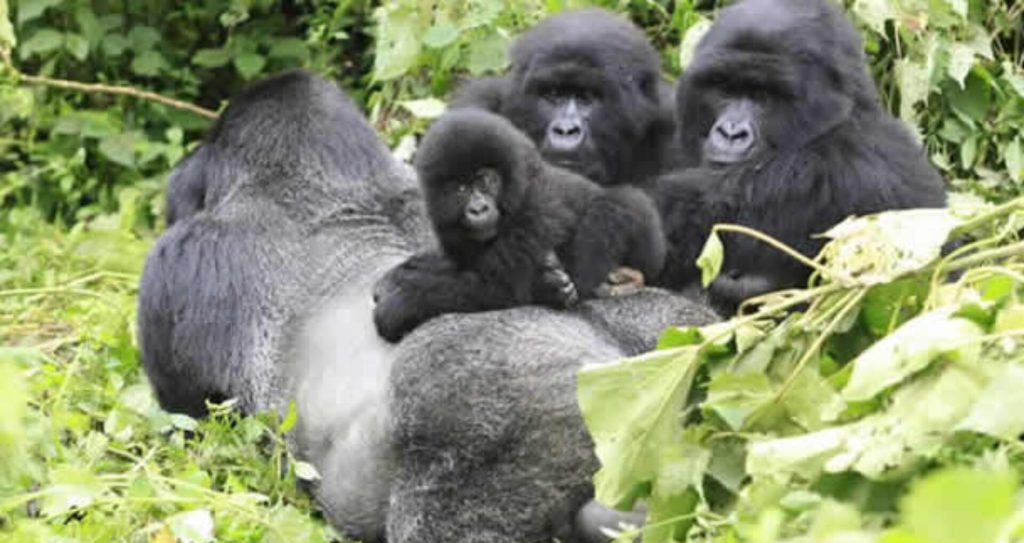
The Ultimate Guide to Film and Photography in Volcanoes National Park Rwanda starts by showing why this destination stands out as one of the best filming locations in Africa. The park offers rare and closely managed encounters with endangered mountain gorillas living freely in their natural habitat, making it a dream setting for wildlife storytelling and documentary work.
Its landscape is equally powerful. Volcanoes National Park is shaped by dramatic peaks like Mount Bisoke, Mount Karisimbi, and Mount Sabyinyo. These volcanic mountains, combined with mist-covered forests and dense bamboo zones, create a natural cinematic backdrop that changes with light, weather, and altitude throughout the day.
Filmmakers are drawn here for different reasons. Wildlife creators focus on gorilla behavior and family interactions, while travel filmmakers capture trekking journeys and ranger-guided experiences. This variety of visual opportunities is why the Ultimate Guide to Film and Photography in Volcanoes National Park Rwanda remains essential for anyone planning professional or creative media work in Rwanda.
 Proper Planning for a Successful Production
A key message in the Ultimate Guide to Film and Photography in Volcanoes National Park Rwanda is that successful filming begins with early and careful planning. Every photography or film project must be organized well in advance so that approvals, logistics, and park coordination can be completed smoothly without last-minute challenges.
Small-scale productions may need several weeks of preparation, while larger commercial or documentary projects often require months of advance notice. This time allows park authorities to properly review requests, allocate guides, and ensure all conservation rules are followed.
For example, a crew planning to film a gorilla trekking experience should confirm permits early, arrange ranger support, and schedule filming hours based on trekking availability. Planning ahead also helps creators choose the best season for clear visibility, favorable weather, and active wildlife behavior.
Without proper preparation, projects may face delays, restrictions, or missed opportunities. That is why the Ultimate Guide to Film and Photography in Volcanoes National Park Rwanda strongly highlights advance planning as an essential foundation for every successful production.
Permits, Permissions, and Legal Requirements
The Ultimate Guide to Film and Photography in Volcanoes National Park Rwanda clearly explains that no professional filming or photography should take place without official authorization.
Depending on the nature of your project, you may need different types of approvals, including:
- Filming permits for commercial productions
- Photography authorization for professional equipment
- Special permissions for large crews or setups
Even social media creators or vloggers may need permits if their content is monetized or promotional.
For instance, a YouTube channel producing sponsored travel videos would be considered commercial content and must follow permit regulations.
Following these rules ensures legal compliance while also contributing to park conservation funding, a key principle of the Ultimate Guide to Film and Photography in Volcanoes National Park Rwanda.
Ethical Wildlife Filming and Respectful Observation
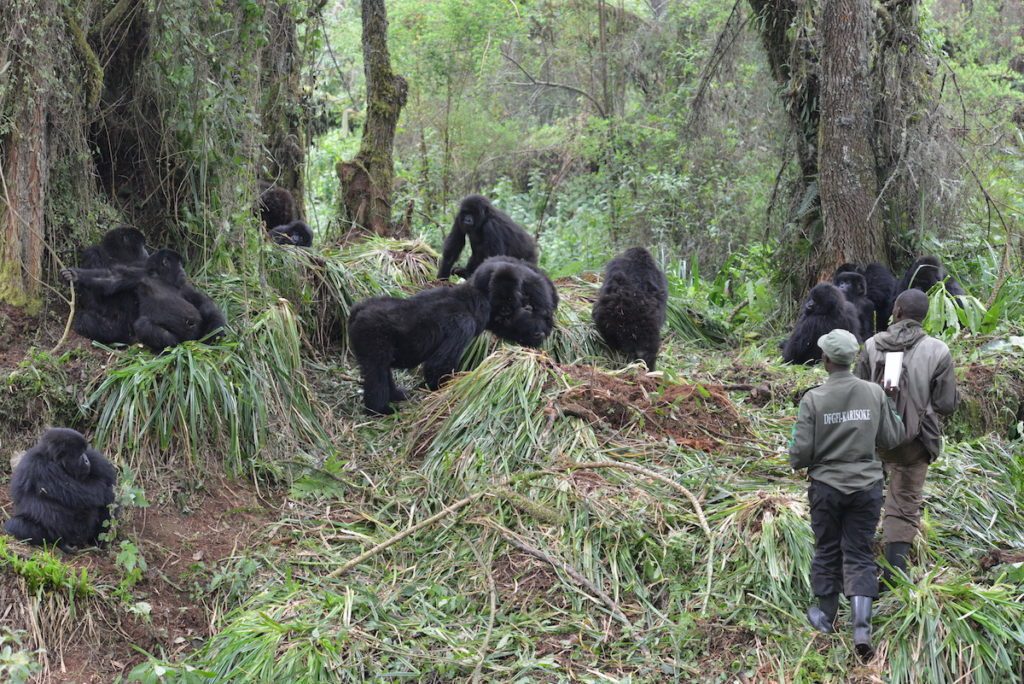
Wildlife protection is at the core of the Ultimate Guide to Film and Photography in Volcanoes National Park Rwanda. Mountain gorillas and other animals must always be treated with respect and caution.
Visitors must maintain safe distances and avoid any behavior that could disturb natural activity. Actions such as feeding, chasing, or making loud noises are strictly prohibited.
For example, if gorillas move deeper into the forest, filmmakers must follow ranger instructions instead of attempting to follow too closely.
Telephoto lenses and long-range equipment are recommended to capture close-up visuals without interfering with wildlife and flashlights should be avoided when with these mountain gorillas as these behavior stress them.
Patience is essential, and natural behavior always produces the most powerful footage. This is a key lesson within the Ultimate Guide to Film and Photography in Volcanoes National Park Rwanda.
Staying on Approved Trails and Filming Zones
Another important rule in the Ultimate Guide to Film and Photography in Volcanoes National Park Rwanda is staying within designated areas.
All filming must take place on marked trails or approved locations under ranger supervision. Restricted zones exist to protect sensitive habitats and should never be entered.
For example, certain bamboo areas are important feeding zones for gorilla families and are carefully protected.
Respecting these boundaries helps preserve the ecosystem while still allowing filmmakers to capture stunning visuals safely.
The Ultimate Guide to Film and Photography in Volcanoes National Park Rwanda ensures that creativity never compromises conservation.
The Role of Rangers and Local Guides
The Ultimate Guide to Film and Photography in Volcanoes National Park Rwanda highlights the essential role of park rangers and local guides in every filming experience.
These experts understand animal behavior, terrain conditions, and safety procedures. Their knowledge ensures both safety and better storytelling opportunities.
For instance, a ranger may position a group in the best viewing spot while ensuring minimal disturbance to gorillas.
Local guides also enrich storytelling by sharing cultural and environmental insights that improve documentary depth.
This collaboration is a core part of the Ultimate Guide to Film and Photography in Volcanoes National Park Rwanda.
Drone Use is restricted and not allowed at Volcanoes National Park.
Drone use in Volcanoes National Park is highly restricted and not allowed due to wildlife safety concerns. The Ultimate Guide to Film and Photography in Volcanoes National Park Rwanda advises creators to avoid drones unless officially approved.
Drones can disturb gorillas, birds, and other wildlife, as well as disrupt visitor experiences.
Instead, filmmakers can use:
- Natural elevated viewpoints
- Stabilized handheld cameras
- Pre-approved aerial footage from official sources
For example, wide cinematic shots of the Virunga Volcanoes can be captured from designated observation points.
This ensures safety while still allowing creative flexibility, as emphasized in the Ultimate Guide to Film and Photography in Volcanoes National Park Rwanda.
Respecting Local Communities Around the Park
The communities living around Volcanoes National Park play a vital role in conservation and tourism.
The Ultimate Guide to Film and Photography in Volcanoes National Park Rwanda encourages respectful engagement with these communities at all times.
Always request permission before filming individuals or cultural activities. Many community experiences, such as traditional dances or village visits, require consent and respect.
For example, filming a cultural performance should be done with approval and proper acknowledgment of participants.
This respectful approach strengthens the relationship between tourism and conservation, a key value of the Ultimate Guide to Film and Photography in Volcanoes National Park Rwanda.
Leave No Trace Principle in Filming
Environmental protection is a major focus of the Ultimate Guide to Film and Photography in Volcanoes National Park Rwanda.
All production teams must ensure they leave no waste or damage behind during filming activities.
Responsible practices include:
- Removing all trash after shoots
- Avoiding damage to plants or soil
- Not altering natural landscapes for visual effect
For example, filmmakers should use natural scenery instead of rearranging vegetation for better composition.
This ensures the park remains untouched and beautiful for future generations, a core message of the Ultimate Guide to Film and Photography in Volcanoes National Park Rwanda.
Tips for High-Quality Visual Storytelling
The Ultimate Guide to Film and Photography in Volcanoes National Park Rwanda also focuses on improving visual quality while respecting the environment.
Recommended practices include:
- Filming during early morning light for soft natural tones
- Keeping noise levels minimal during shoots
- Following animal movement patterns for better framing
- Using lightweight and mobile gear for flexibility
For example, early morning gorilla treks often provide ideal lighting and active wildlife behavior for filming.
These techniques allow creators to produce cinematic content while respecting nature, as outlined in the Ultimate Guide to Film and Photography in Volcanoes National Park Rwanda.
Avoiding Unsafe and Irresponsible Content
The Ultimate Guide to Film and Photography in Volcanoes National Park Rwanda strongly discourages any content that promotes unsafe tourism behavior.
This includes:
- Getting too close to wildlife
- Leaving designated trails
- Ignoring ranger instructions
- Encouraging risky visitor behavior
For example, content showing physical interaction with gorillas should never be produced or shared.
Responsible storytelling protects both visitors and wildlife while maintaining conservation integrity.
This principle is central to the Ultimate Guide to Film and Photography in Volcanoes National Park Rwanda.
Promoting Conservation Through Storytelling
Filming in Volcanoes National Park should support conservation awareness and education.
The Ultimate Guide to Film and Photography in Volcanoes National Park Rwanda encourages creators to highlight:
- Gorilla conservation programs
- Anti-poaching efforts
- Community conservation projects
- Sustainable tourism initiatives
For example, documenting ranger patrols can help audiences understand the challenges of wildlife protection.
This type of storytelling increases global awareness and supports conservation funding, a key goal of the Ultimate Guide to Film and Photography in Volcanoes National Park Rwanda.
Final Thoughts on Responsible Filming in Rwanda
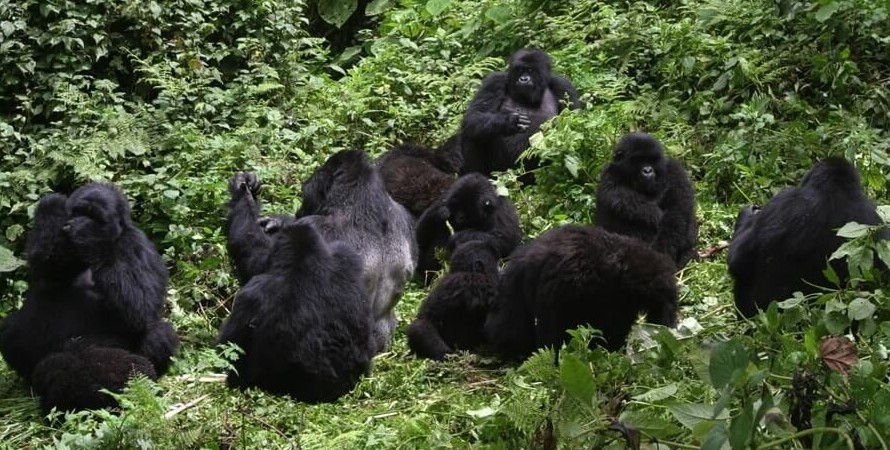
The Ultimate Guide to Film and Photography in Volcanoes National Park Rwanda is more than a set of guidelines—it is a framework for ethical, impactful, and creative storytelling.
By respecting permits, protecting wildlife, engaging local communities, and following conservation rules, filmmakers can produce world-class content while preserving one of Africa’s most important natural habitats.
Ultimately, this ensures that every visual story contributes positively to conservation, education, and sustainable tourism in Rwanda.
Volcanoes National Park remains a place where creativity and responsibility must always work together.