
Unveiling Ecotourism in Volcanoes National Park: A Journey into Rwanda’s Natural Wonder.
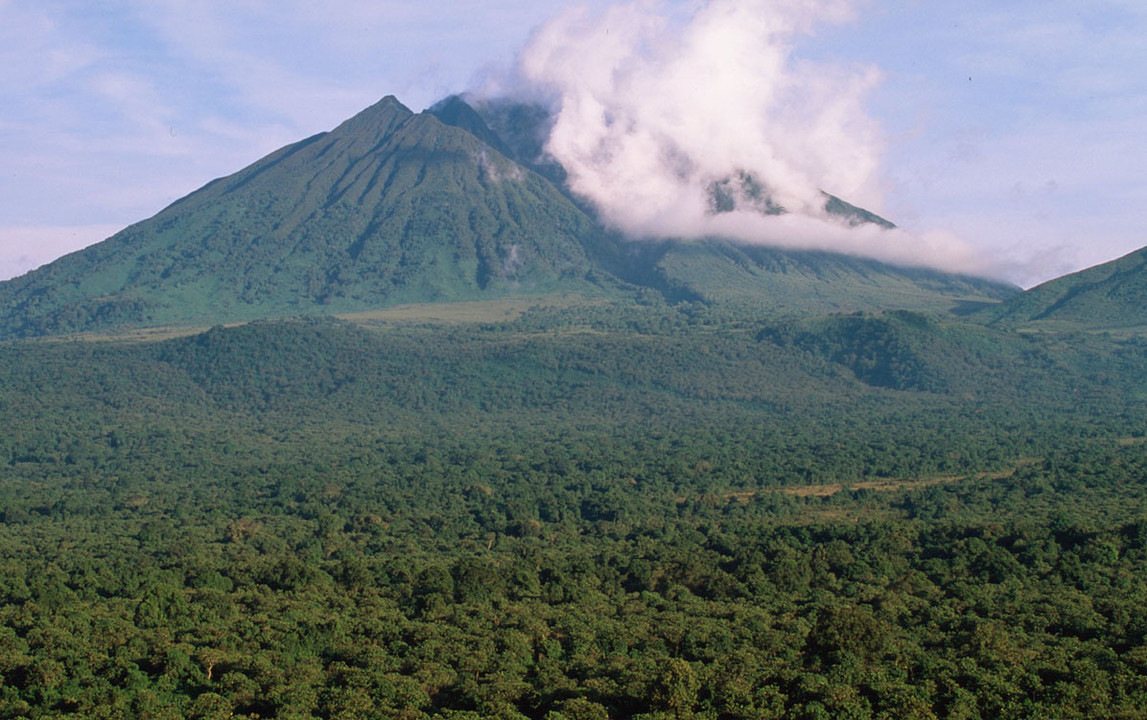
Unveiling Ecotourism in Volcanoes National Park: Volcanoes National Park stands as one of Africa’s most powerful symbols of successful ecotourism. Located in northern Rwanda, this protected area blends dramatic volcanic landscapes with rich biodiversity and deep cultural value. Travelers from around the world visit the park not only for adventure but also for meaningful travel experiences that protect nature and support local communities. Ecotourism in Volcanoes National Park shows how tourism can thrive without damaging the environment.
The park forms part of the greater Virunga ecosystem, a region known for its mist-covered mountains and rare wildlife. These landscapes create a natural sanctuary for endangered species, especially the mountain gorilla. However, the park offers much more than wildlife encounters. It represents a living example of responsible tourism where conservation, education, and community development work together. Because of this balance, Volcanoes National Park has become a global reference point for sustainable travel.

Ecotourism here focuses on low-impact activities that preserve ecosystems while delivering long-term benefits. Visitors follow strict guidelines that protect animals and forests. At the same time, tourism revenue funds conservation programs, healthcare services, and education projects in surrounding villages. As a result, local residents see wildlife as a shared resource rather than a threat. This connection strengthens conservation efforts and reduces human-wildlife conflict.
Moreover, ecotourism in Volcanoes National Park creates emotional connections between travelers and nature. Guided treks, cultural visits, and conservation talks transform tourists into informed participants. Instead of passive sightseeing, visitors gain knowledge and appreciation for fragile ecosystems. This approach encourages responsible behavior both inside and outside the park.
Ultimately, Volcanoes National Park proves that tourism can protect natural heritage while improving lives. Through carefully managed ecotourism, the park preserves its forests, safeguards endangered species, and empowers nearby communities. This unique model continues to inspire sustainable tourism initiatives across Africa and beyond.
Discovering the Magic of Volcanoes National Park
Volcanoes National Park is famous for its lush forests, volcanic peaks, and, most notably, the endangered mountain gorillas. Spanning approximately 160 square kilometers, the park is part of the Virunga mountain range that extends into Uganda and the Democratic Republic of Congo. Visitors can explore five towering volcanoes: Karisimbi, Bisoke, Muhabura, Gahinga, and Sabyinyo. Each volcano provides unique hiking trails and ecosystems, making every trek an unforgettable journey.
Ecotourism thrives here because the park’s management emphasizes sustainable travel. Tourists experience the wilderness while contributing directly to habitat preservation. This approach ensures that nature remains pristine for future generations and wildlife receives protection against poaching and habitat loss.
Gorilla Trekking: A Heartbeat of Ecotourism
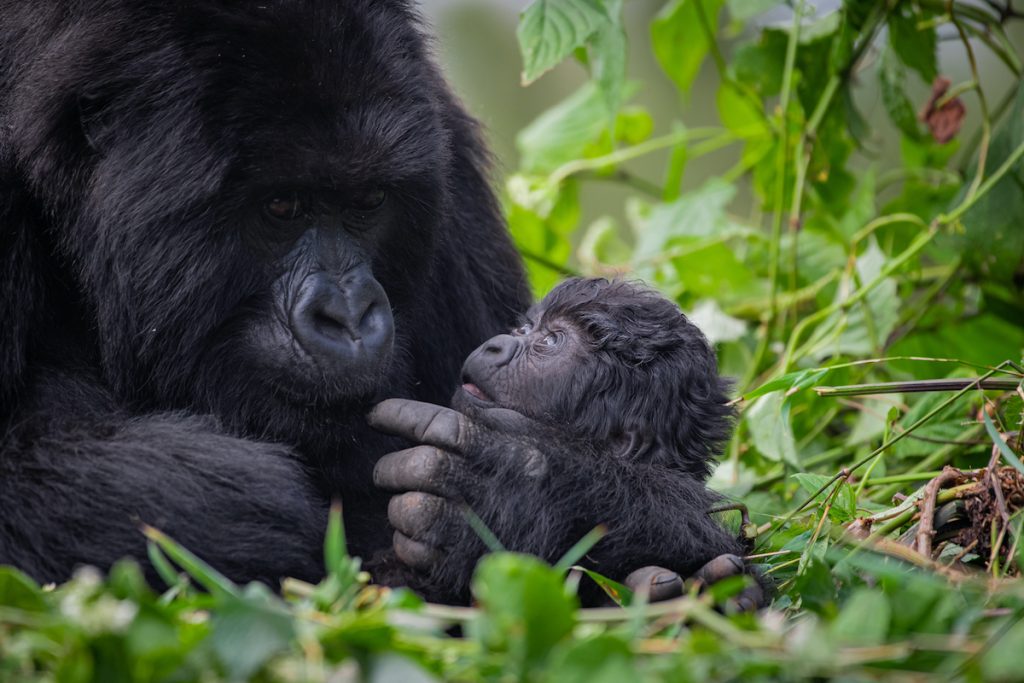
No visit to Volcanoes National Park is complete without gorilla trekking. This activity has become synonymous with Rwanda’s ecotourism success. Mountain gorillas live in tight-knit family groups, and observing them in their natural habitat creates a deep connection between humans and wildlife.
Gorilla trekking requires permits, which regulate the number of visitors as 8 allowed to visit a gorilla family in a day and minimize stress on the animals. During the trek, guides educate tourists on gorilla behavior and the importance of conservation. The experience supports local communities as well, because a significant portion of permit fees funds education, healthcare, and development projects nearby.
For example, the twin gorilla families, Susa and Volcanoes, have welcomed many trekkers, giving travelers rare opportunities to see playful interactions among mountain gorillas. Observing these creatures in the wild instills respect for nature and motivates visitors to advocate for conservation.
Bird Watching and Botanical Treasures
Beyond mountain gorillas, Volcanoes National Park hosts over 200 bird species. Birdwatchers can spot rare species like the golden-backed weaver and the Rwenzori turaco. Trails wind through diverse habitats, from bamboo forests to mossy hillsides, each supporting unique wildlife.
The park’s flora also fascinates ecotourists. Giant lobelias, endemic orchids, and towering ferns create an enchanting landscape. Guided walks allow tourists to learn about traditional uses of plants and their ecological importance. For instance, the giant lobelia not only attracts birdlife but also contributes to soil preservation in high-altitude areas. These experiences make every step educational and immersive.

Volcanic Hikes: Adventure Meets Conservation
Adventure enthusiasts find Volcanoes National Park irresistible. Hiking the volcanoes requires stamina but rewards trekkers with panoramic views. Mount Bisoke, with its emerald crater lake, exemplifies how nature’s beauty intersects with geology. Visitors climb through dense vegetation, cross bamboo forests, and encounter unique wildlife such as golden monkeys.
Volcano hiking strengthens ecotourism by combining physical activity with environmental awareness. Guides explain how volcanic soil supports diverse plant life and how lava flows shape the ecosystem. By engaging in responsible hiking, tourists minimize their impact, ensuring the park remains undisturbed.
For example, the trek to Mount Karisimbi, Rwanda’s tallest volcano, takes two days. The journey passes through cloud forests and high-altitude moorlands, giving hikers a firsthand look at the park’s ecological diversity. These adventures illustrate the balance between tourism and conservation.
Community Involvement in Ecotourism
Volcanoes National Park sets an example in integrating local communities into ecotourism. Villages surrounding the park offer cultural experiences, including traditional dances, crafts, and storytelling. These activities allow tourists to connect with Rwandan culture while providing economic benefits to residents.
Local guides and porters play a vital role in the ecotourism experience. Their knowledge ensures safe and educational treks, while their livelihoods depend on sustainable tourism. By promoting local involvement, the park reduces human-wildlife conflict and encourages community-led conservation initiatives.
One notable project is the Karisoke Research Center, which employs locals to monitor gorilla populations. Tourists can learn about research efforts, creating a deeper understanding of how ecotourism directly contributes to conservation.
Responsible Tourism Practices
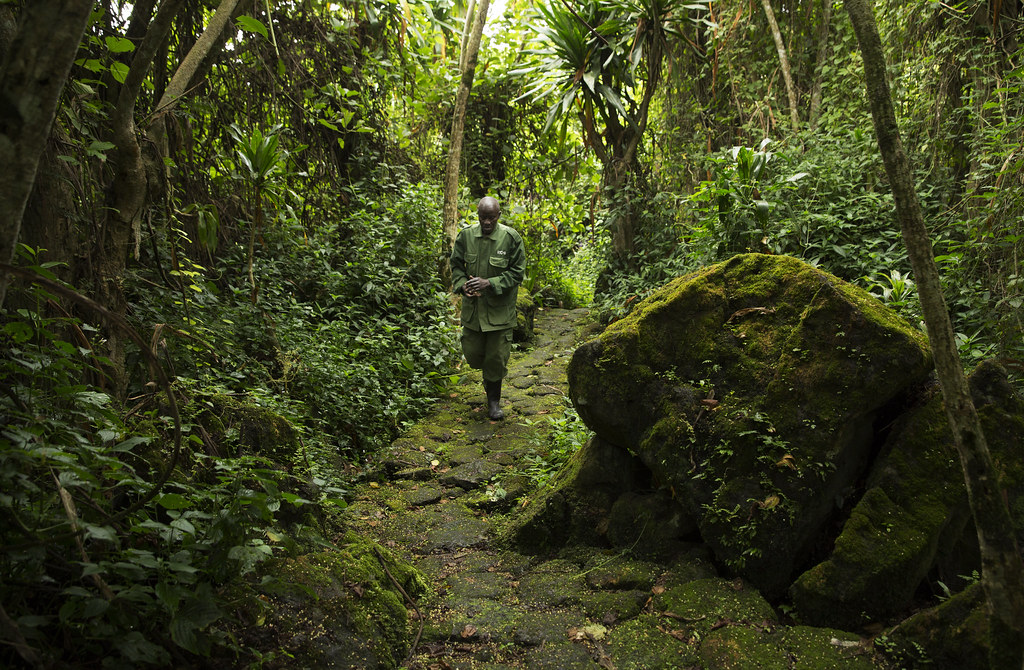
Volcanoes National Park emphasizes responsible tourism. Visitors receive guidance on minimizing their ecological footprint, such as carrying out waste, avoiding loud noises, and keeping distance from wildlife. These practices preserve the park’s pristine environment and protect its inhabitants.
For example, when trekking mountain gorillas, visitors are limited to one hour with the animals. This rule prevents stress and ensures mountain gorillas maintain natural behavior. Similarly, hiking trails are carefully maintained to avoid soil erosion and protect plant life. Such measures demonstrate that tourism can thrive without harming nature.
Ecotourism beyond Adventure
While adventure and wildlife draw visitors, Volcanoes National Park also offers opportunities for relaxation and reflection. Scenic viewpoints, tranquil forests, and crater lakes create peaceful retreats. Tourists can enjoy birdwatching, photography, or simple walks through nature.
These quieter experiences highlight the holistic benefits of ecotourism. Visitors gain mental rejuvenation, cultural enrichment, and a sense of responsibility toward the environment. By connecting emotionally to nature, tourists often become long-term advocates for conservation.
Challenges and Opportunities
Despite its success, ecotourism in Volcanoes National Park faces challenges. Climate change, illegal logging, and poaching threaten wildlife habitats. However, these challenges also create opportunities for innovation.
Tour operators increasingly adopt eco-friendly practices, including solar-powered lodges and sustainable waste management. Conservation organizations collaborate with local communities to create educational programs and alternative livelihoods. These initiatives strengthen ecotourism’s positive impact while ensuring the park’s long-term survival.
For instance, tree-planting campaigns and wetland restoration projects involve tourists and locals alike. Such activities not only protect the environment but also enhance visitor experiences by allowing them to participate actively in conservation efforts.
Examples of lodges in Volcanoes National Park that use renewable energy sources and are eco-friendly.
- Bisate lodge mostly uses solar energy for general operations, water heating, and electricity. It also plays a significant role in community initiatives and reforestation.
- The Singita Kwitonda Lodge The property, which was built with sustainability in mind, mostly relies on solar energy and other energy-saving technology.
- The Virunga Lodge employs solar energy and other environmentally friendly methods, such as rainwater collection and local food procurement.
- Wilderness Sabyinyo lodge: This lodge operates on solar power and contributes to the community through the SACOLA Trust, which utilizes lodge profits to fund development initiatives like water systems and electrification. In addition, the resort has a generator for backup power and is linked to the national grid.
- The One and Only Gorilla’s Nest. This upscale lodge incorporates eco-friendly methods, such as habitat restoration, local sourcing, and energy-efficient technologies.
- Amakoro Songa Lodge described as an opulent, sustainable haven built with the newest energy-efficient technologies.
- Volcanoes Ecolodge in Tiloreza Another choice that prioritizes environmental methods is this resort.
- Le Bambou gorilla lodge. The facility emphasizes eco-friendly methods and community involvement, and it was built using local, eco-friendly resources like bamboo.

Why Ecotourism Matters
Ecotourism in Volcanoes National Park is more than a travel trend. It fosters environmental awareness, supports endangered species, and empowers local communities. Every tourist contributes to a system that preserves Rwanda’s natural heritage.
Mountain gorillas, golden monkeys, and rare birds thrive because ecotourism generates funding for research and protection. Local communities benefit from jobs, training, and cultural promotion. Tourists gain unforgettable experiences that deepen their appreciation for nature and humanity.
Ultimately, Volcanoes National Park demonstrates how responsible travel can balance exploration with conservation. Visitors leave not just with photographs but with stories of resilience, biodiversity, and collaboration.
In Conclusion
Volcanoes National Park represents a model of sustainable ecotourism. From thrilling gorilla treks to serene forest walks, it offers experiences that educate, inspire, and connect people to the natural world. By combining adventure with responsibility, the park ensures that its treasures endure for generations.
Travelers seeking meaningful adventures will find Volcanoes National Park a perfect destination. The park proves that ecotourism can protect wildlife, empower communities, and create lasting memories. Every visit supports a bigger mission: preserving Rwanda’s wild heart while allowing people to experience it fully and responsibly.