
Walking with Gorillas in Rwanda at Volcanoes National Park: A Life-Changing Adventure
Walking with Gorillas in Rwanda at Volcanoes National Park: Few wildlife experiences can match the thrill, wonder, and profound connection of walking with gorillas in Rwanda at Volcanoes National Park. This adventure is not simply a hike through the forest; it is an intimate encounter with one of the world’s most extraordinary and gentle creatures the mountain gorilla. From the moment you step onto the lush green trails to the time you spend observing habituated gorilla families in their natural habitat, every step is a mixture of anticipation, respect, and awe.
Volcanoes National Park, located in the misty Virunga Mountains, is the crown jewel of Rwanda’s wildlife conservation efforts. It is world-famous for hosting mountain gorillas that have been carefully habituated for safe human interaction. Trekking here is carefully controlled, providing an experience that balances adventure, wildlife observation, and the park’s essential conservation goals. Walking with gorillas in Rwanda at Volcanoes National Park is more than just tourism; it is a transformative journey that leaves visitors with memories and emotions that last a lifetime.
The park itself is a living, breathing ecosystem. Dense forests of bamboo, towering tree ferns, and moss-covered trunks create a natural cathedral where every rustle or distant gorilla call heightens the sense of wonder. As you hike, you are surrounded by the sights, sounds, and scents of an untouched environment, reinforcing the feeling that you are walking alongside some of the planet’s most remarkable wildlife.

The Trekking Experience of walking with the gorillas in Rwanda.
The adventure of walking with gorillas in Rwanda at Volcanoes National Park begins the moment you enter the forest. Mist drifts through bamboo groves, sunlight filters through towering trees, and moss carpets the ground. The fresh scent of the forest, combined with distant gorilla calls, creates an atmosphere of anticipation and wonder.
Experienced guides lead visitors through the forest, using subtle signs to locate the gorillas. Footprints in mud, broken bamboo stems, nests, and fresh feeding sites indicate a family’s presence. Trekking times vary, sometimes taking only an hour or extending to six hours depending on the location and movement of the gorilla group. This unpredictability adds excitement and a sense of adventure to the experience.
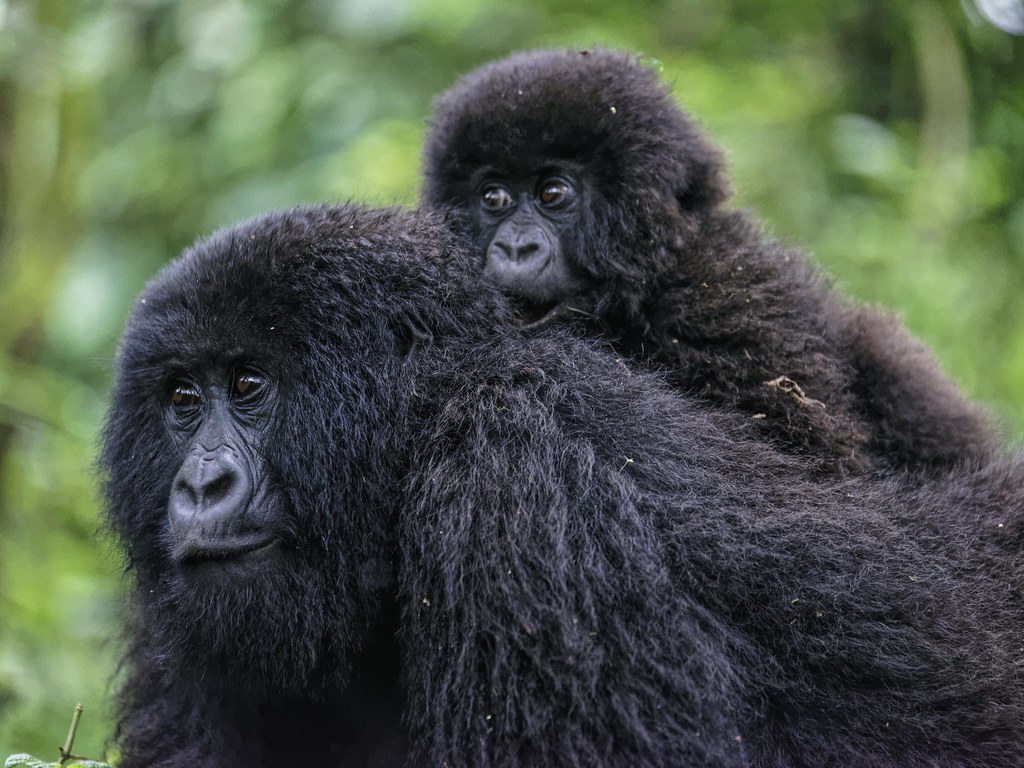
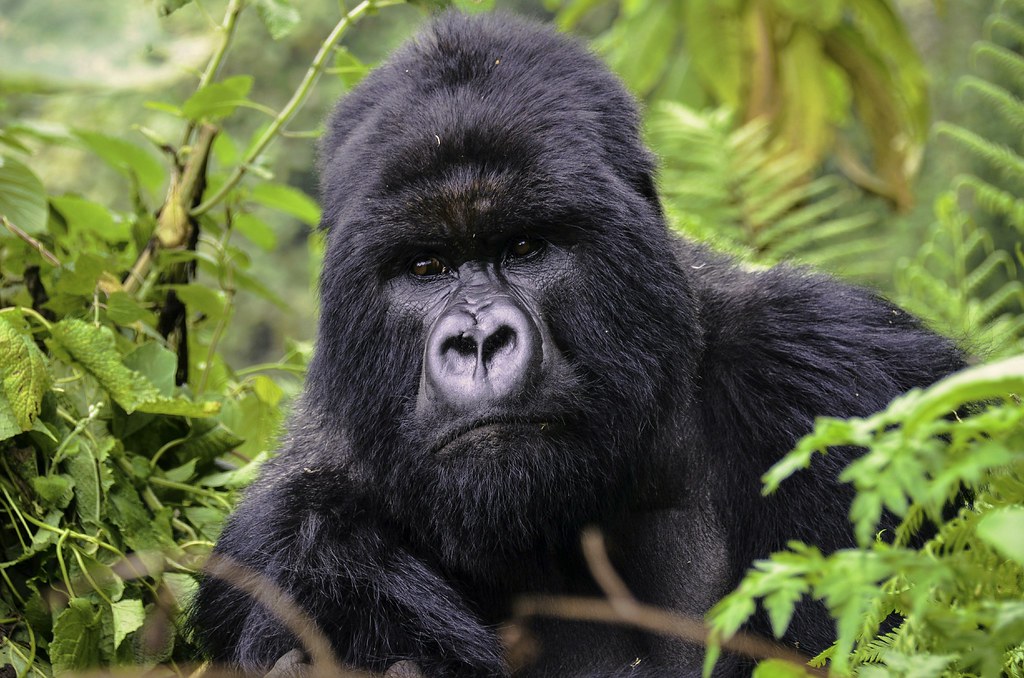
When the gorilla family finally appears, the moment is unforgettable. A silverback may sit calmly while juveniles play nearby, adult females feed, and young gorillas explore their surroundings curiously. Observing these interactions offers profound insights into their intelligence, social bonds, and emotional depth. From playful antics to nurturing behavior, every movement and glance is a reminder of the gorillas’ gentle nature.

Preparing for Walking with Gorillas in Rwanda at Volcanoes National Park.
Proper preparation is essential for a safe and enjoyable gorilla trekking experience. Trails in Volcanoes National Park can be steep, muddy, and slippery. Having the right gear makes the difference between an exhausting trek and an immersive adventure. Essential items include:
- Sturdy hiking boots: Thick-soled boots with strong tread are crucial for uneven, muddy trails and occasional rocky terrain.
- Waterproof jackets and pants: Sudden rain showers and mist are common in the tropical mountain environment. Waterproof clothing ensures you remain dry and comfortable.
- Long-sleeve shirts and trousers: Dense forest undergrowth can scratch exposed skin. Long sleeves protect against bamboo, nettles, and insects.
- Trekking poles: Useful for stability on steep slopes, river crossings, and muddy patches, and they reduce knee strain during long hikes.
- Gloves and a hat: Gloves protect hands from thorns and rough surfaces, while a hat provides sun protection in forest clearings.
- Gaiters: Essential to protect shoes and lower legs from mud, water, and insects.
- Masks: Recommended for protecting gorillas from human-borne diseases, especially in times of illness or cold.
- Backpack with water and snacks: Treks can last 1–6 hours, so staying hydrated and energized is essential.
Physical fitness is equally important. Trails may not be technically difficult, but the combination of altitude, incline, and uneven terrain can make trekking physically demanding. Visitors should be ready for sustained walking and occasional climbing. Proper preparation allows you to focus entirely on observing the gorillas.
Health is another key factor. Because gorillas share over 98% of human DNA, they are highly vulnerable to human diseases. Anyone with a cough, cold, flu, or other contagious illness should postpone trekking. Staying calm, quiet, and following your guide’s instructions ensures both your safety and the gorillas’ wellbeing.
Booking Permits for Walking with Gorillas in Rwanda at Volcanoes National Park
A permit is required for walking with gorillas in Rwanda at Volcanoes National Park, and only a limited number are issued each day. This ensures the gorilla habitat remains undisturbed and allows each visitor an intimate, safe experience with the animals.
Visitors are strongly encouraged to reserve permits months in advance, especially during peak travel seasons such as June–September and December–February. Early booking not only guarantees access but also supports Rwanda’s ongoing conservation programs.
Permit fees are essential for protecting the gorillas and the park’s ecosystem. Funds from permits contribute directly to:
- Anti-poaching patrols, keeping gorillas safe from illegal hunting
- Habitat restoration projects, maintaining the forest and bamboo zones the gorillas rely on
- Community development programs, providing jobs, education, and economic opportunities for local communities
By purchasing a permit, visitors are not simply gaining access they are actively participating in the preservation of Rwanda’s endangered mountain gorillas. Without a permit, trekking is strictly prohibited, and the number of visitors is controlled to minimize impact on the ecosystem.
Gorilla Families Accepted for Public Viewing
Not all gorilla families in Volcanoes National Park are open to visitors. Only habituated families, accustomed to human presence, can be safely visited by 8 individuals per day for each gorilla family. Commonly visited families for walking with gorillas in Rwanda at Volcanoes National Park include:
- Susa Group: Known for playful juveniles and a calm silverback. Juveniles often wrestle or climb trees while adults watch.
- Hirwa Group: Found in higher forest elevations, showcasing silverback leadership and protective behavior.
- Ugenda Group: Peaceful and composed, ideal for first-time trekkers with longer observation opportunities.
- Pablo Group: Noted for a sociable silverback and playful young gorillas that interact frequently, offering dynamic and fun observation.
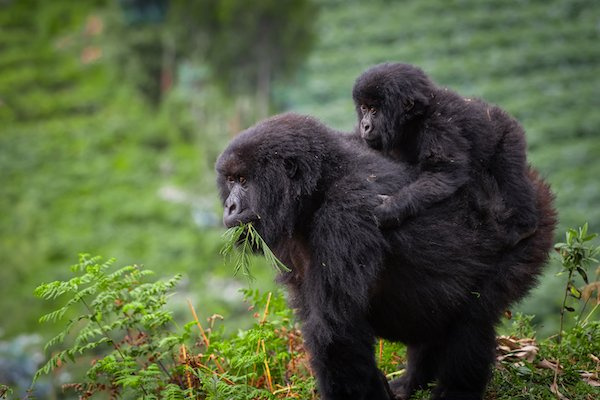
- Amahoro Group: Calm and approachable, often found near bamboo thickets; they demonstrate remarkable maternal care.
- Sabyinyo Group: One of the older families, known for its large silverback and intricate social bonds among females and juveniles.
- Agashya Group: A medium-sized group with active juveniles, providing excellent photographic opportunities.
- Kwitonda Group: Famous for its strong, confident silverback and harmonious interactions between family members.
Each family has its own story, personality, and social hierarchy. Guides provide information on lineage, behavior, and interactions, enriching the trek and transforming it into an emotional, educational, and unforgettable wildlife encounter.

Conservation and Community Impact
Walking with gorillas in Rwanda at Volcanoes National Park is not only an adventure—it is a meaningful contribution to conservation. Permit fees fund anti-poaching patrols, habitat protection, research, and community programs. Local communities benefit from education, employment, and sustainable tourism initiatives, creating a harmonious relationship between humans and wildlife.
These conservation efforts have been successful. Gorilla populations in Rwanda have steadily increased, demonstrating that responsible tourism, when carefully managed, can make a real difference. Every visit strengthens human connection to wildlife and reinforces the importance of protecting one of Earth’s most endangered species.
Conclusion: A Transformative Adventure
Walking with gorillas in Rwanda at Volcanoes National Park is more than just a trek—it is a life-changing journey. From selecting the right gear and securing permits to adhering to safety guidelines, visiting habituated gorilla families, and choosing the optimal season, every aspect ensures a safe, educational, and awe-inspiring adventure.
The sights, sounds, and stories of gorillas leave a lasting impact. Visitors depart with unforgettable memories, a deeper appreciation for conservation, and a strong connection to some of the world’s most intelligent and gentle animals. For anyone seeking adventure, education, and inspiration, walking with gorillas in Rwanda at Volcanoes National Park offers a rare chance to step into the heart of the wild and witness nature at its most extraordinary.
Age Requirements and Accessibility
For safety and conservation, walking with gorillas in Rwanda at Volcanoes National Park has strict age restrictions. Visitors must be at least 15 years old. This ensures that participants can handle the physical demands of trekking and behave responsibly around gorillas. Younger children are not allowed because unpredictable movements or noise could stress the animals and pose safety risks.
Trek groups are kept small, usually no more than eight participants per guide. This small group size ensures a personal, immersive experience while limiting the impact on the environment. Visitors must adhere to several rules:
- Maintain a distance of at least 7 meters from gorillas
- Move slowly and quietly to avoid startling the animals
- Avoid sudden movements or loud noises
- Never touch gorillas under any circumstances
These measures create a safe, respectful environment, allowing visitors to witness gorillas naturally and without causing them stress.
The Best and Worst Time to Walk with Gorillas in Rwanda
Timing can make a huge difference for those walking with gorillas in Rwanda at Volcanoes National Park. Rwanda experiences two main seasons:
- The Dry Seasons: June to September and December to February are the best times for gorilla trekking. Trails are less muddy, visibility is better, and gorillas are easier to locate. Dry conditions make trekking more comfortable, and mist is less dense, allowing better observation and photography. Peak dry months often coincide with tourist seasons, so permits should be booked well in advance.
- The Rainy Seasons: March to May and October to November are considered the worst times for trekking. Trails become slippery and challenging, and some areas may be inaccessible due to mud or flooding. Heavy rains can also limit visibility, making gorilla spotting more difficult. However, the forest is lush and vibrant during these months, and fewer tourists mean a quieter, more private experience. Some avid trekkers choose rainy months for a more adventurous and intimate connection with nature.
Understanding the timing helps visitors plan their trip for comfort, safety, and the best possible wildlife encounter.
Tips for a Successful Trek
To maximize your experience walking with gorillas in Rwanda at Volcanoes National Park, follow these tips:
- Start early: Increases your chances of finding gorilla families.
- Bring a camera with zoom: Capture close-ups without disturbing the animals.
- Stay quiet and patient: Gorillas are sensitive to noise; calm observation is essential.
- Wear proper clothing and footwear: Misty conditions, muddy trails, and dense undergrowth require sturdy boots and protective clothing.
- Use gaiters and masks: Gaiters protect legs and shoes, while masks help prevent disease transmission to gorillas.
- Prepare physically: Moderate fitness and prior hiking experience improve stamina and enjoyment.
Above all, remember the focus is on observation, learning, and conservation. Every sound, glance, and movement in the forest becomes part of the shared experience with these magnificent animals.