
Best Time for Gorilla Trekking in Volcanoes National Park, Choosing the best time for gorilla trekking in Rwanda requires more than simply checking a weather chart. Gorilla trekking in Volcanoes National Park takes place in a high-altitude rainforest environment where climate, trail conditions, vegetation density, and visitor demand all shift throughout the year. Mountain gorillas live permanently within this protected volcanic landscape, which means sightings remain consistent across seasons. Unlike savannah wildlife that migrates in search of water or grazing areas, gorillas maintain established territories that are monitored daily by experienced ranger teams.
What truly changes month by month is the trekking experience itself. Rainfall levels affect how muddy or manageable the forest trails become. Visitor numbers influence permit availability and lodge occupancy. Scenic conditions vary from misty and dramatic during wet months to clearer and brighter during drier periods. Rwanda experiences two dry seasons and two rainy seasons, each offering its own advantages. Some travelers prefer firm trails and predictable sunshine, while others appreciate lush greenery and quieter trekking groups.
Understanding these seasonal differences allows you to match your travel dates with your comfort level, physical preparedness, photography interests, and budget expectations. Below is a detailed seasonal breakdown to help you determine the best time for your gorilla trekking adventure in Rwanda.

Rwanda’s Climate and Gorilla Habitat in the Virunga Highlands
Volcanoes National Park lies within the dramatic Virunga mountain range at elevations between approximately 2,400 and 4,500 meters above sea level. This altitude creates a cool and refreshing climate compared to Rwanda’s lower regions. Temperatures typically range between 10°C and 20°C throughout the year. Mornings can feel crisp, especially before sunrise briefings, while afternoons often remain mild and comfortable for hiking.
Rainfall patterns shape the trekking environment more than temperature changes. Rwanda experiences two rainy seasons, from March to May and October to November. The two dry seasons usually occur from June to September and December to February. However, because the park sits within a montane rainforest ecosystem, light showers can occur even during drier months. Mist frequently drifts across the forest canopy, creating dramatic scenery and adding to the sense of adventure.
Mountain gorillas remain within dense forest habitats year-round. Rangers track habituated families daily, ensuring reliable sightings regardless of season. The climate influences trail difficulty rather than wildlife presence. Understanding these highland weather patterns helps travelers prepare appropriate clothing, footwear, and expectations before beginning their trek.
Extended Dry Season: June to September – The Main Gorilla Trekking Window.
The period from June to September is widely regarded as the most popular time for gorilla trekking in Rwanda. During these months, rainfall decreases significantly, resulting in firmer and less slippery trails. Hiking conditions become more manageable, particularly for travelers concerned about steep or muddy terrain. Reduced rainfall often leads to clearer forest paths and slightly improved visibility through the vegetation.
Photographers appreciate the more stable lighting conditions during this period. Although the rainforest canopy still filters sunlight, heavy downpours are less frequent, reducing the risk of water exposure for cameras and equipment. The overall trekking experience feels more predictable and physically comfortable.
However, this is also the busiest season. It coincides with summer holidays in Europe and North America, increasing international visitor numbers. Gorilla permits can sell out months in advance, particularly for preferred dates and larger travel groups. Luxury lodges near the park also reach high occupancy levels. Travelers planning to visit during this period should secure permits and accommodation early to avoid disappointment.
While competition for permits is higher, the dry season offers optimal trail conditions and remains a top choice for many visitors.

Short Dry Season: December to February – Balanced Weather and Flexible Travel
December to February forms Rwanda’s secondary dry season and presents an appealing balance between comfort and availability. Rainfall decreases compared to the heavy October and November rains, improving trail conditions and reducing mud levels. Hiking during these months tends to feel less strenuous than in the peak rainy season, making it suitable for travelers seeking manageable terrain without the highest visitor pressure.
The forest landscape remains lush and green following earlier rains. Vegetation appears vibrant, and the volcanic slopes maintain their dramatic beauty. Morning mist may still occur, adding atmospheric depth to photography and scenic views. The cooler highland temperatures continue to provide comfortable trekking conditions.
Visitor demand during this period is generally lower than the June to September peak, although the holiday season around late December can increase bookings temporarily. Travelers may find slightly greater flexibility in permit selection and lodge availability.
For those seeking a combination of decent weather, scenic richness, and moderate crowd levels, December to February offers a well-balanced window for gorilla trekking in Volcanoes National Park.
The Long Wet Season: March to May – Vibrant Rainforest and Reduced Crowds.
The long rainy season from March to May brings heavier and more consistent rainfall to the Virunga highlands. Trails can become muddy and slippery, requiring careful footing and good physical preparation. Hiking may feel more demanding during this time, particularly on steeper slopes. Waterproof gear and sturdy hiking boots become essential.
Despite wetter conditions, gorilla sightings remain highly reliable. Rangers track habituated families each morning, ensuring that trekking groups reach known locations regardless of rainfall. Gorillas do not migrate seasonally, and they continue their daily routines within established territories.
One major advantage of this season is reduced visitor numbers. Fewer travelers mean quieter trekking groups and greater availability of permits. Some lodges may offer seasonal promotional rates, making this period attractive for budget-conscious visitors. The forest appears especially lush and vibrant, with thick vegetation and dramatic mist covering the volcanic landscape.
For adventurous travelers who do not mind rain and appreciate immersive rainforest scenery, March to May provides a peaceful and visually striking trekking experience.

Short Wet Season: October to November – Vibrant Landscapes and Greater Flexibility
October and November mark the shorter rainy season in Rwanda. Rainfall is present but often less intense than during the March to May period. Trail conditions can vary depending on daily weather patterns, with some days offering manageable hiking and others presenting muddy sections.
The forest becomes richly green during this time, enhancing the beauty of the volcanic terrain. Mist frequently drapes across the slopes, creating dramatic photographic opportunities. While trekking may require extra care, the visual rewards can be impressive.
Visitor numbers during these months tend to be lower than during peak dry seasons. Permit availability is generally better, allowing travelers more flexibility in planning. Lodge occupancy also decreases, which can create a more intimate and relaxed atmosphere.
For travelers seeking a quieter environment and vibrant scenery without the heavier rains of March to May, the short rainy season offers a compelling alternative. Proper preparation ensures that the experience remains comfortable and rewarding.
Gorilla Sightings throughout the Year – Consistency and Daily Monitoring
One of the most reassuring aspects of gorilla trekking in Volcanoes National Park is the consistency of sightings throughout the year. Mountain gorillas do not migrate long distances. They live permanently within defined territories inside the park’s protected boundaries.
Each morning, experienced trackers leave early to locate habituated gorilla families before visitor groups depart. By the time trekkers begin hiking, rangers already have updated information about gorilla movements. This structured monitoring system ensures a very high success rate in encounters regardless of season.
Weather conditions may influence hiking comfort, but they do not significantly affect the likelihood of seeing gorillas. Whether visiting during a dry month or a rainy period, travelers can expect a close and carefully managed encounter with a gorilla family.
This reliability allows visitors to base their timing decision on climate preference, crowd levels, and travel schedule rather than concerns about wildlife visibility.
Permit Availability and Advance Planning – Timing Your Booking Wisely
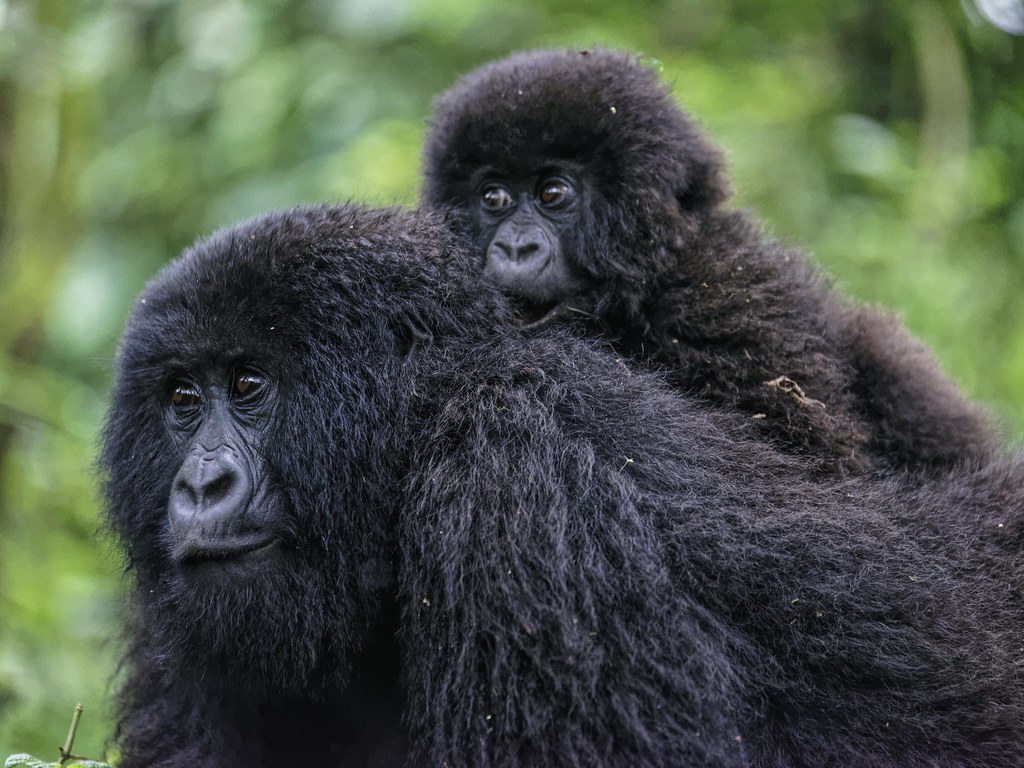
Gorilla trekking permits in Rwanda are strictly limited. Each habituated gorilla family may be visited by a maximum of eight guests per day. This regulation protects gorillas from stress while preserving an intimate viewing experience.
During peak dry months, particularly June to September, permits often sell out several months in advance. Travelers planning for these periods should secure permits early to guarantee preferred dates. Lodge availability can also become limited during high-demand seasons.
Rainy months generally offer greater flexibility, but advance booking remains advisable. Even during quieter periods, the daily permit quota remains fixed. Early planning ensures smoother coordination of accommodation, transport, and trekking schedules.
Because permit availability directly influences travel dates, consulting experienced operators early helps align seasonal conditions with logistical planning.
Final Reflections – Choosing the Season That Matches Your Style
The best time for gorilla trekking in Rwanda ultimately depends on personal priorities. Trekking is less challenging and more prevalent during the dry seasons. Rainy seasons provide lush scenery and fewer visitors. Gorilla sightings remain consistent year-round in Volcanoes National Park.
Rwanda’s mild highland climate allows trekking in every month. With proper preparation and realistic expectations, each season delivers a memorable encounter with mountain gorillas.
Selecting the right timing enhances comfort and overall satisfaction, but no specific month guarantees better wildlife viewing than another. Gorilla trekking remains extraordinary at any time of year.

Leave A Comment