
Fishing Experience in Rwanda: Tourism, Adventure, and Culture on the Water
Fishing Experience in Rwanda, the fishing experience in Rwanda is becoming one of the most unique tourism activities in East Africa. It offers a blend of peaceful nature, exciting adventure, and strong cultural connection. Visitors are drawn to Rwanda not only for wildlife and landscapes but also for its lakes and fishing traditions. Fishing tourism in Rwanda combines sport fishing, local practices, and scenic exploration. This creates a full travel experience that goes beyond simple leisure.
Fishing in Rwanda offers a blend of adventurous sport fishing for Nile Tilapia in Akagera National Park and immersive cultural experiences with local fishermen on Lake Kivu or Lake Ruhondo. This combination makes the country special for both adventure seekers and cultural tourists. Some visitors prefer the thrill of catching fish, while others enjoy learning from local communities.
Tourism operators now include fishing as part of travel packages. These experiences often combine lake tours, cultural interaction, and relaxation. Travelers can enjoy early morning fishing or peaceful evening trips. This flexibility makes fishing tourism suitable for many types of visitors. The fishing experience in Rwanda continues to grow because it is simple, natural, and deeply engaging.
Top Fishing Locations and Tourism Experiences
Rwanda offers several key fishing locations that attract tourists from different parts of the world. Each destination provides a unique experience. Akagera National Park, especially Lake Shakani, is known as the best place for sport fishing. Tourists can fish from the shores while enjoying views of wildlife. This experience is special because it can be combined with game drives. Visitors may see hippos and crocodiles while fishing, which adds excitement to the trip.
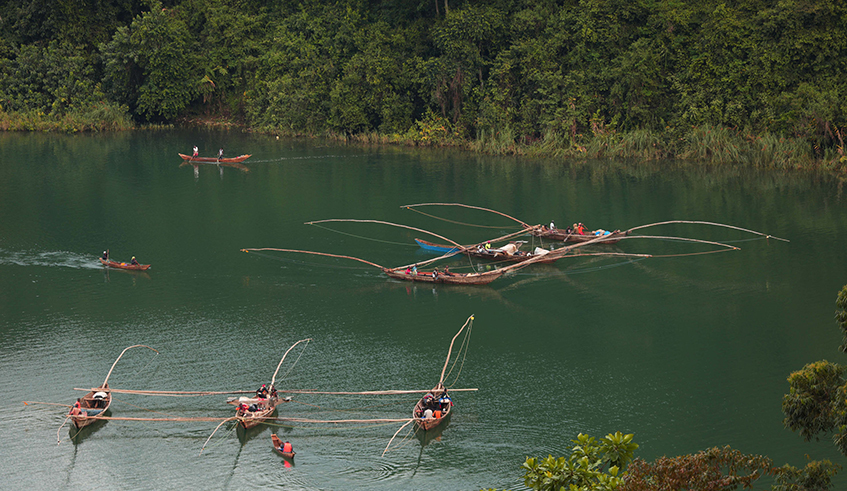
Lake Kivu in western Rwanda is another major tourism destination. It is famous for its “singing fishermen.” This nighttime fishing experience is both cultural and relaxing. Fishermen use lanterns and traditional methods to catch sambaza. The songs and coordinated movements create a beautiful scene on the water. Tourists often describe this as one of the most memorable parts of their trip.
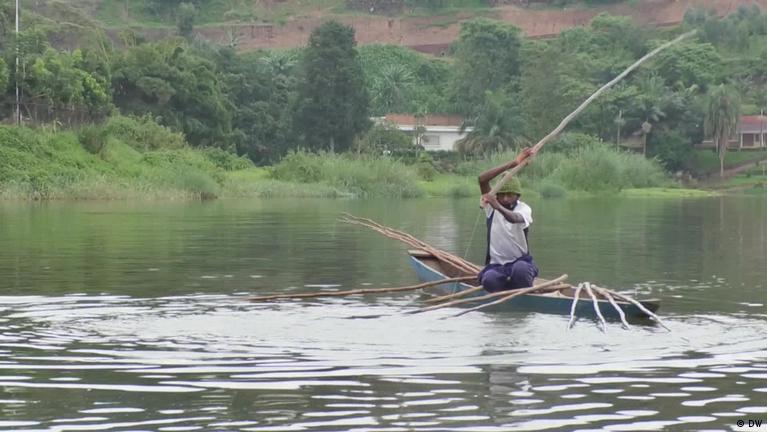
Lake Ruhondo and Lake Muhazi offer a more traditional and quiet experience. These lakes are ideal for visitors who want to see daily fishing life. Activities include mending nets and using wooden canoes. These simple methods give tourists a deeper understanding of local culture.
Each of these locations supports fishing tourism in Rwanda by offering different styles of experience. This variety makes the country attractive to a wide range of travelers.
Fishing Methods and Cultural Tourism Activities
Fishing tourism in Rwanda is closely connected to traditional methods and cultural practices. Visitors are not only observers but also participants in these activities. Common techniques include angling with hooks, net fishing, spearing, and the traditional lampara method. Each method reflects local knowledge and skill.
Night fishing on Lake Kivu is one of the most popular tourism activities. Fishermen use lanterns to attract fish, especially sambaza. A serene and lovely ambiance is produced by the light. Groups of fishermen work together while singing. Tourists join these trips and experience the rhythm and teamwork. This makes fishing both cultural and entertaining.
In lakes like Ruhondo and Muhazi, tourists experience more hands-on activities. They learn how to repair nets and paddle wooden canoes. These activities are simple but meaningful. They allow visitors to connect with local life.
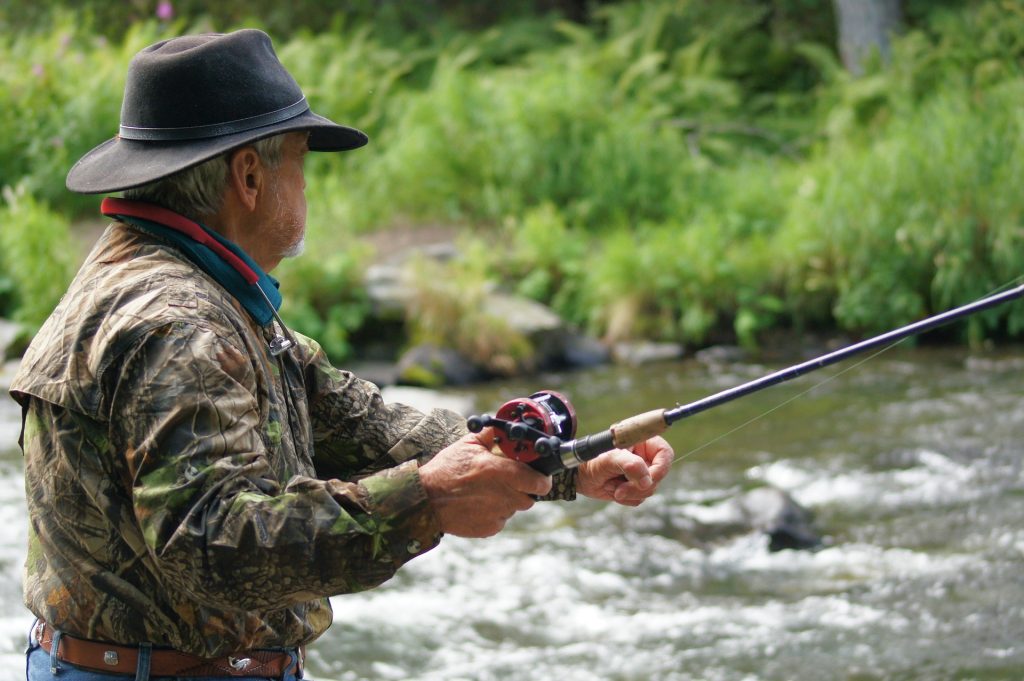
Sport fishing in Akagera National Park uses modern techniques. Visitors use rods and reels to catch fish like tilapia and catfish. This type of fishing attracts adventure lovers.
These methods show how fishing tourism in Rwanda combines tradition and modern practices. It creates a balanced experience that is both educational and enjoyable.
Fish Species and What Tourists Can Catch
The fishing experience in Rwanda includes a variety of fish species that attract tourists. The most common fish is Nile Tilapia. It is widely found and popular for both sport fishing and food. Many visitors enjoy catching tilapia because it is both challenging and rewarding.
Catfish are also common in Rwandan lakes. They are larger and provide a more exciting fishing experience. Sport fishers often target catfish because of the effort required to catch them.
Another important species is sambaza, a small sardine-like fish found mainly in Lake Kivu. Sambaza fishing is usually done in large groups using nets and lights. This makes it more of a cultural activity than a sport. Tourists enjoy watching and sometimes joining this process.
Fishing tourism allows visitors to experience these different types of fishing. Some prefer catching large fish, while others enjoy group fishing activities.
The variety of fish species adds value to the tourism experience. It ensures that every visitor finds something interesting. This diversity makes fishing in Rwanda both exciting and educational.
Practical Information for Fishing Tourists
Fishing tourism in Rwanda requires some preparation to ensure a smooth experience. The dry seasons are the ideal times to go fishing. These run from June to September and December to February. During these periods, the water is clearer and conditions are calmer. This improves the chances of a successful fishing trip.
Tourists are advised to bring their own fishing equipment. Items such as rods, reels, and tackle may not always be available for rent. Having personal gear ensures comfort and reliability.
Permits are required for fishing in certain areas, especially in national parks like Akagera. These permits can be arranged through park authorities or tour operators. It is important to follow all regulations to protect the environment.
Safety is also a key consideration. While Lake Kivu is free from hippos and crocodiles, other areas like Akagera may have wildlife. Tourists should always follow local guides and instructions.
Respecting local rules and communities is important. This helps maintain good relationships and supports sustainable tourism.
With proper planning, fishing tourism in Rwanda becomes a safe and enjoyable experience. It allows visitors to fully enjoy nature and culture.
Tourism Impact and Community Benefits
Fishing tourism in Rwanda has a positive impact on local communities. It creates jobs and new income opportunities. Fishermen can work as guides or provide boat services to tourists. This improves their livelihoods and supports families.
Local markets benefit as tourists buy fresh fish and other products. Restaurants near lakes serve meals prepared from local catches. This adds economic value to the community.
Cultural exchange is another benefit. Tourists learn from locals, and locals gain new perspectives. This creates mutual respect and understanding. Communities feel proud to share their traditions.
Tourism also encourages environmental protection. Lakes and fish populations are managed carefully. Sustainable practices ensure that resources are not overused.
Government and tourism organizations support these efforts. They promote responsible tourism and provide training to local communities.
Fishing tourism in Rwanda is not just about visitors. It strengthens communities and protects culture. This makes it an important part of the country’s tourism development.
Conclusion: A Complete Fishing Tourism Experience
The fishing experience in Rwanda offers a perfect mix of adventure, culture, and relaxation. From sport fishing in Akagera National Park to cultural fishing on Lake Kivu, every experience is unique. Visitors can explore different lakes, learn traditional methods, and enjoy natural beauty.
Fishing tourism continues to grow because it offers something real and meaningful. It connects people to nature and to each other. With proper planning and respect for local practices, it becomes a rewarding journey.
Rwanda’s fishing experience stands out as a peaceful yet exciting tourism activity. It is a perfect choice for travelers looking for both adventure and cultural connection.

Leave A Comment