
How Gorilla Permits Fund Conservation: Protecting Africa’s Gentle Giants
How Gorilla Permits Fund Conservation, Gorilla trekking permits are often perceived simply as tickets granting access to witness the awe-inspiring mountain gorillas of Africa. However, these permits are far more than entry passes—they are powerful tools for conservation. Every permit purchased directly contributes to protecting endangered mountain gorillas, preserving the fragile rainforest ecosystems they inhabit, and supporting the rangers, veterinarians, and communities that make sustainable conservation possible.
In Rwanda, gorilla trekking takes place in the misty highlands of Volcanoes National Park, while in neighboring Uganda, the treks occur within Bwindi Impenetrable National Park and Mgahinga Gorilla National Park. Together, these parks form part of the larger Virunga ecosystem, which is home to fewer than 1,100 mountain gorillas in the wild. The survival of this species is intricately linked to tourism revenue generated by gorilla permits.
Purchasing a gorilla permit is more than a personal wildlife adventure—it is a tangible contribution to a multi-faceted conservation strategy. Permit fees fund ranger patrols, veterinary care, habitat protection, research, and community development projects. They also enable cross-border cooperation, ensuring the long-term protection of gorillas that move freely across Rwanda, Uganda, and the Democratic Republic of Congo. By understanding the critical role of these permits, travelers can appreciate that their adventure is also an investment in preserving one of the planets’ most endangered and remarkable species.
Direct Funding for Ranger Protection
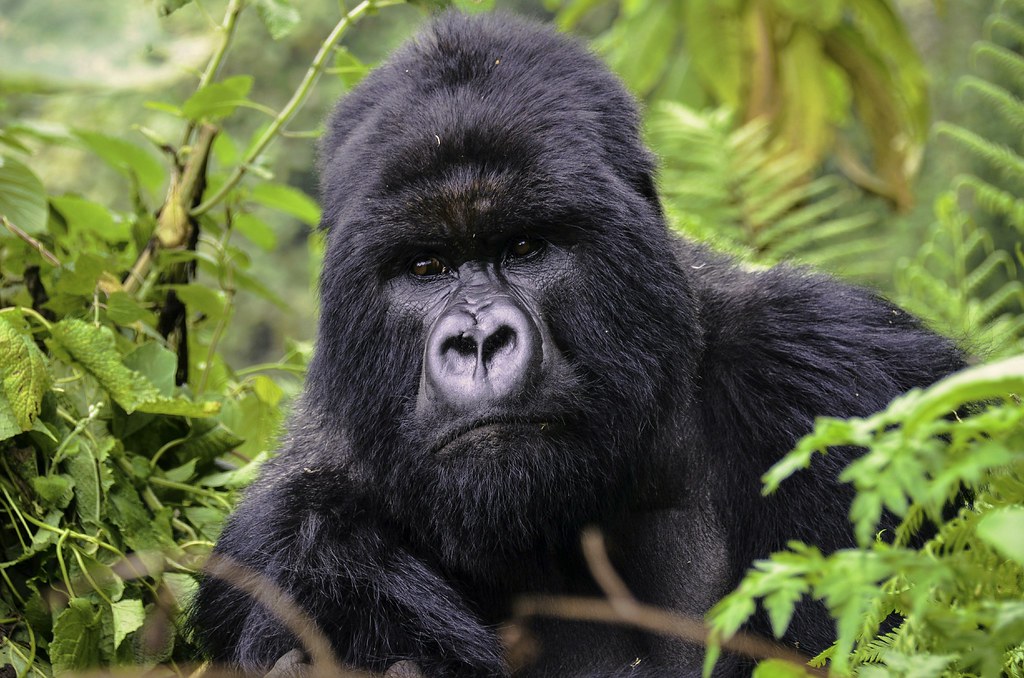
A substantial portion of gorilla permit revenue is allocated to protecting the forest guardians—the rangers. These highly trained professionals patrol forest boundaries daily to prevent poaching, illegal logging, and human encroachment, acting as the first line of defense for mountain gorillas. Rangers are essential because gorillas face numerous threats, from snares intended for other wildlife to opportunistic poachers. Without consistent funding, patrols would weaken, leaving gorillas vulnerable to injury, displacement, or death.
Permit revenue supports rangers’ salaries, continuous training, and field operations, ensuring that teams remain highly capable and motivated. Rangers conduct regular sweeps to locate and remove snares, monitor forest health, and respond to potential threats. They also engage with local communities to discourage wildlife crimes, raising awareness about the importance of conservation.
By financing ranger operations, gorilla permits ensure that these protected areas remain safe havens for wildlife. Visitors’ contributions directly empower individuals who risk their lives daily to safeguard endangered species. In this way, each trekker’s purchase becomes a vital component in a broader conservation strategy, sustaining one of the most successful wildlife protection programs in Africa and preserving the mountain gorilla population for generations to come.

Veterinary Monitoring and Gorilla Health
Mountain gorillas share approximately 98 percent of their DNA with humans, making them particularly susceptible to human-transmitted illnesses. Veterinary monitoring is therefore a critical aspect of their survival, and gorilla permit revenue ensures that specialized veterinary teams can maintain the health of these endangered animals.
In Rwanda, trained veterinarians regularly track gorilla health, conduct routine check-ups, and respond swiftly to injuries or illness. When a gorilla is caught in a snare, injured, or falls ill, permit-funded veterinary teams are able to enter the forest safely and provide treatment. These interventions save lives and prevent potential population declines. Beyond emergency care, revenue from permits also supports research initiatives, medical equipment, and long-term health monitoring programs, ensuring that gorillas remain healthy and populations continue to grow.
The presence of veterinary teams also allows conservationists to study gorilla behavior, disease patterns, and overall wellbeing, contributing to global knowledge of primate health and conservation management. By purchasing a gorilla permit, trekkers indirectly fund these critical interventions, allowing humans and wildlife to coexist responsibly while ensuring the ongoing protection and care of one of the planet’s most vulnerable species.
Habitat Protection and Forest Management
Mountain gorillas thrive in dense tropical forests that require constant protection and careful management. Gorilla permit revenue plays a critical role in preserving and restoring these habitats. In Volcanoes National Park, Bwindi Impenetrable National Park, and Mgahinga Gorilla National Park, funds are used to maintain trails, repair park infrastructure, monitor biodiversity, and enforce park boundaries.
Habitat protection is vital for gorillas’ survival. These forests provide food, nesting sites, and secure territories necessary for breeding and population growth. Permit funding also supports reforestation programs along park perimeters, helping to restore degraded areas and strengthen the ecosystem’s resilience. Effective forest management prevents soil erosion, maintains water quality, and ensures the rainforest remains a thriving sanctuary for gorillas and other wildlife.
Without this financial support, the delicate balance of these ecosystems would be at risk. Degraded habitats, deforestation, and encroachment would threaten gorilla survival and limit conservation success. By purchasing a gorilla permit, visitors directly contribute to the maintenance of these vital forests, ensuring that mountain gorillas have safe, sustainable habitats where populations can thrive for generations.
Community Revenue Sharing
One of the most innovative aspects of Rwanda’s conservation model is its integration of local communities. A portion of gorilla permit revenue is allocated to community development initiatives, creating tangible benefits for people living near protected areas. These funds support schools, healthcare facilities, clean water projects, and small business initiatives, ensuring that communities directly benefit from conservation success.
This approach transforms local residents into conservation allies. When communities see value in protecting wildlife, they are more likely to prevent poaching, avoid illegal logging, and promote sustainable land use. Economic incentives reduce human-wildlife conflicts and foster long-term support for conservation programs. Children gain access to education, families have improved healthcare, and communities thrive alongside protected wildlife.
Revenue sharing not only strengthens local livelihoods but also creates a sustainable conservation model where humans and gorillas coexist harmoniously. By purchasing a gorilla permit, trekkers indirectly contribute to community well-being, demonstrating that responsible tourism can simultaneously protect wildlife and improve human lives.
Research and Long-Term Monitoring
Gorilla permit revenue fuels critical scientific research and long-term monitoring programs. Conservationists use these funds to study gorilla family dynamics, feeding habits, disease patterns, and population growth. This research provides the data needed to adapt conservation strategies in real-time, ensuring that protection efforts remain effective and evidence-based.
Monitoring programs track individual gorillas, document births and deaths, and assess threats to their environment. These studies inform habitat management decisions, ranger patrol strategies, and veterinary interventions, creating a feedback loop of continuous improvement in conservation. The success story of mountain gorilla population recovery over recent decades is a direct result of sustained research funded in part by tourism revenue.
By purchasing a permit, travelers support these ongoing programs, helping conservationists make informed decisions that safeguard gorillas and their ecosystem. Permit revenue guarantees that monitoring remains robust, and that critical knowledge about these rare primates continues to expand, ensuring that future generations can witness mountain gorillas in the wild.
Limiting Visitor Numbers to Protect Gorillas
Mountain gorilla conservation relies on a high-value, low-volume tourism approach. Each habituated gorilla family receives no more than eight visitors per day. This strict quota limits stress on the animals and reduces the risk of disease transmission, preserving both gorilla health and the quality of the visitor experience.
Because the number of visitors is deliberately capped, permit prices are set higher to maintain consistent funding levels. This controlled model ensures that conservation programs, ranger operations, veterinary care, and habitat management continue without relying on mass tourism. Rather than increasing the number of visitors, Rwanda prioritizes sustainable funding and minimal disturbance, balancing ecological responsibility with economic sustainability.
This approach also enhances the trekking experience, allowing travelers to enjoy intimate, personal encounters without overcrowding. By purchasing a permit, visitors actively support a system designed to protect gorillas while maintaining a steady flow of funds necessary for long-term conservation success.
Cross-Border Conservation Cooperation
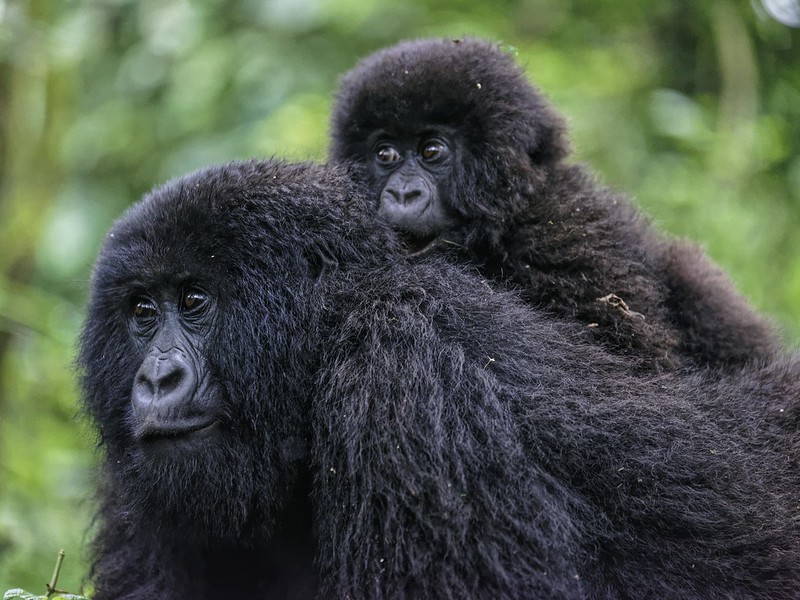
Mountain gorillas inhabit the Virunga ecosystem, which spans Rwanda, Uganda, and the Democratic Republic of Congo. Their protection requires cross-border cooperation, and gorilla permit revenue plays a pivotal role in supporting collaborative conservation initiatives.
Funds enable joint patrols, shared research programs, and regional wildlife monitoring. Rangers and researchers coordinate across borders to track gorilla movements, address threats, and implement consistent protection strategies. This collaboration ensures that gorillas can move freely while remaining safe from poaching and habitat destruction.
Permit revenue strengthens regional partnerships, creating a unified approach to conservation that transcends political boundaries. By trekking responsibly and purchasing a permit, visitors contribute to this broader, transnational conservation effort, reinforcing the protection of the Virunga ecosystem as a whole.
Evidence of Conservation Success
Mountain gorillas were once critically endangered, with populations declining dramatically in the late 20th century. Today, their numbers are steadily increasing, a testament to sustained conservation investment, strict tourism management, and community engagement.
This success story demonstrates that well-regulated wildlife tourism can provide effective protection without compromising species survival. Gorilla permits have transformed crisis management into long-term sustainability, funding ranger protection, veterinary care, research, and habitat preservation.
Visitors’ contributions are directly linked to these conservation achievements. Each permit purchased helps maintain the momentum of mountain gorilla recovery, ensuring that future generations can witness these extraordinary primates in their natural habitats.
Final Thoughts
Gorilla permits are far more than access passes they are a direct investment in the conservation of one of Africa’s most iconic and endangered species. They fund ranger patrols, veterinary care, habitat management, research, and community development, creating a holistic model of sustainable wildlife protection.
By purchasing a permit, travelers support structured, ethical tourism practices that balance ecological responsibility with unforgettable wildlife experiences. Gorilla trekking becomes both a personal encounter and a meaningful contribution to global conservation efforts, ensuring that mountain gorillas thrive for generations to come.
Plan Your Conservation-Focused Gorilla Trek with Us
VolcanoesNationalPark.com offers professionally managed gorilla trekking experiences in Volcanoes National Park. Our team secures permits, coordinates accommodation, and ensures your visit directly supports Rwanda’s conservation framework.
If you want your gorilla trek to make a real difference, contact VolcanoesNationalPark.com today. We will design a seamless journey that combines breathtaking wildlife encounters with meaningful contributions to the protection and preservation of mountain gorillas.

Leave A Comment