
Karisoke Research Center History
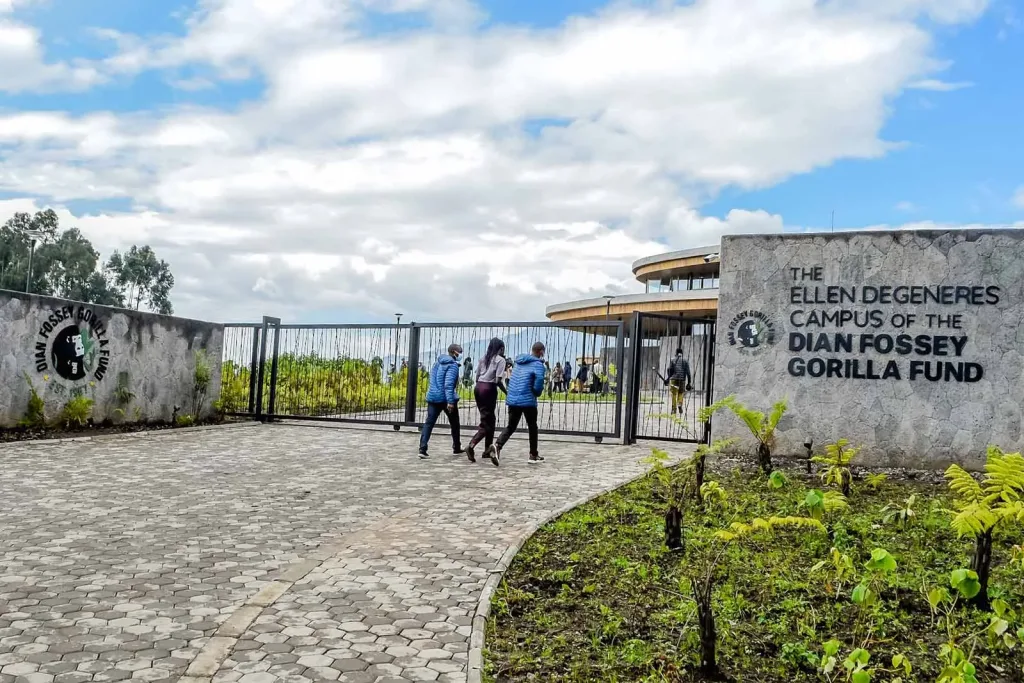
Nestled high in the misty peaks of Rwanda’s Virunga Mountains, the Karisoke Research Center stands as one of the most iconic symbols of wildlife conservation in the world. Established in 1967, this center emerged at a critical moment when mountain gorillas were teetering on the brink of extinction, largely unknown to science, and under relentless pressure from poaching and habitat destruction. More than just a research station, Karisoke became a beacon for long-term, dedicated study of these remarkable great apes, and its legacy continues to shape modern conservation efforts globally.
The story of Karisoke is inseparable from the pioneering work of Dian Fossey, a tenacious primatologist whose vision transformed the way humans understand and protect gorillas. By choosing a remote site between Mount Karisimbi and Mount Bisoke, Fossey established a base that allowed continuous observation, helping bridge the gap between human curiosity and ecological responsibility. The research center’s creation also marked the beginning of structured conservation strategies, combining rigorous scientific study with anti-poaching initiatives and controlled ecotourism. Today, Karisoke is more than a historical site it is a living testament to what long-term commitment, courage, and science can achieve in saving endangered species. Visitors, conservationists, and researchers alike recognize it as the birthplace of modern gorilla conservation, where the world first saw the intelligence, social complexity, and emotional depth of these extraordinary animals.
The Origins of Karisoke
In the 1960s, mountain gorillas faced unprecedented threats, and the global understanding of these creatures was limited and riddled with misconceptions. Poaching, habitat loss, and disease had pushed their numbers dangerously low, while most scientific research consisted of short-term, observational trips that offered little insight into their complex social lives. It was within this precarious context that Dian Fossey arrived in Rwanda with a vision that went far beyond casual fieldwork. She sought not just to observe but to live alongside gorillas for extended periods, allowing her to uncover the true nature of their society.
Fossey carefully selected a site between the majestic Mount Karisimbi and Mount Bisoke, a location so remote and challenging that it discouraged casual visitors but allowed for meaningful, uninterrupted study. The name “Karisoke” cleverly combines elements of the two mountains, symbolizing the union of environment and research. The early days of the camp were physically grueling researchers lived in makeshift huts, contended with harsh weather, and navigated steep, often treacherous terrain. Yet these hardships were embraced as necessary sacrifices for long-term scientific observation. The isolation enabled close monitoring of gorilla families while minimizing human interference, creating a unique environment where trust between humans and gorillas could slowly develop. Karisoke’s origins are thus not just about a research station but the beginning of a revolutionary approach to wildlife study, one grounded in patience, persistence, and deep respect for the natural world.
Early Research and Habituation Efforts
Karisoke Research Center quickly became the world’s first permanent station dedicated solely to mountain gorilla research, setting a new standard for primatology. Before this, gorillas were largely misunderstood, often depicted as aggressive and unpredictable. Dian Fossey and her team shattered these misconceptions through meticulous observation, revealing that gorillas exhibit complex social structures, emotional depth, and remarkable intelligence. Researchers documented how family groups function, how silverbacks maintain leadership, how mothers care for their young, and how communication among group members manifests in subtle gestures and vocalizations.
One of Karisoke’s most significant contributions was its habituation program. Fossey introduced herself gradually to the gorillas, maintaining a consistent, non-threatening presence so that the animals would grow accustomed to human observers. This painstaking process required years of patience, discipline, and careful attention to the animals’ behavior, setting a precedent for controlled wildlife tourism that would emerge decades later. By habituating gorilla families to human presence without causing stress, Karisoke allowed scientists to gather detailed behavioral data, while also laying the groundwork for ethical tourism practices that could generate revenue for conservation. The insights gained at Karisoke fundamentally changed global perceptions, showing that gorillas are not fearsome brutes but intelligent, social beings with personalities, emotions, and intricate social bonds.
Anti-Poaching Campaigns and Conservation Activism
As research at Karisoke progressed, Dian Fossey realized that observation alone could not ensure the survival of mountain gorillas. Poaching remained the gravest threat, with hunters targeting animals for trophies and snares meant for other wildlife causing serious injury or death. Fossey’s response was bold and uncompromising: she transformed Karisoke into a hub not just for science, but for active conservation enforcement. Her approach involved patrolling forests, dismantling snares, and engaging with local communities and international audiences to advocate for stronger wildlife protections.
Fossey’s activism was sometimes controversial, drawing criticism locally, yet it generated global support that helped rally the international community around the plight of mountain gorillas. Her anti-poaching campaigns demonstrated that scientific research and proactive intervention could operate hand in hand, effectively reducing threats to wildlife in the Virunga region. Karisoke became a model for combining ecological study with actionable conservation strategies, showing the importance of protecting habitats, monitoring animal populations, and enforcing wildlife laws. These early efforts laid the groundwork for Rwanda’s modern conservation policies and established Karisoke as both a center of knowledge and a frontline in the fight to save one of the world’s most endangered species.
Tragedy and Legacy
The Karisoke Research Center faced one of its darkest moments in 1985 when Dian Fossey was tragically murdered near the camp she had built from the ground up. Her death sent shockwaves through the conservation community and captured international attention, highlighting the dangers faced by those working to protect endangered species. Fossey was laid to rest near the gorillas she loved, including her favorite silverback, Digit, whose story had inspired global interest in gorilla conservation.
Despite this loss, Karisoke endured. Her vision did not die with her; instead, it became the foundation upon which future conservation efforts were built. Partnerships with international organizations, academic institutions, and local authorities ensured that research continued, even expanding in scope to include population monitoring, disease prevention, and ecological studies. Fossey’s dedication to long-term observation, ethical interaction, and anti-poaching activism inspired generations of conservationists to carry forward her mission. Today, her legacy is visible not just in Karisoke’s ongoing research but in Rwanda’s broader success in protecting mountain gorillas and fostering responsible tourism that funds continued scientific and conservation work.
Evolution into a Modern Research Institution
Following Dian Fossey’s death, Karisoke transitioned from a pioneering field camp into a modern research institution with formal affiliations to universities and conservation organizations worldwide. The center broadened its focus beyond habituation and behavioral studies to include advanced ecological monitoring, population surveys, and health assessments for mountain gorillas across the Virunga Massif. It also became a hub for cross-border collaboration with Rwanda, Uganda, and the Democratic Republic of Congo, reflecting the transnational nature of gorilla conservation.
Modern Karisoke conducts long-term demographic studies, tracking birth rates, mortality, and group dynamics. It monitors disease risks, studies habitat use, and evaluates the impact of tourism and human activity on gorilla behavior. By collecting and sharing this data with governments and conservation partners, Karisoke informs policy decisions and supports strategies for habitat protection, anti-poaching measures, and sustainable tourism. Today, Karisoke represents a model of integrated conservation science, blending rigorous research, community engagement, and practical conservation action to ensure that mountain gorillas not only survive but thrive in their natural habitat.
Impact on Gorilla Tourism
The emergence of gorilla tourism owes much to Karisoke’s early habituation research. By demonstrating that gorillas could safely coexist with human observers under controlled conditions, Karisoke laid the foundation for ethical, sustainable wildlife tourism. This model protects both the animals and visitors, ensuring minimal stress on gorilla populations while generating vital revenue for conservation initiatives.
Rwanda’s tourism policies, including visitor limits, strict health protocols, and one-hour viewing periods, are directly informed by Karisoke’s findings. Permit fees from gorilla trekking now fund research, habitat management, and anti-poaching patrols, creating a self-sustaining cycle where tourism directly supports conservation. This framework has elevated Rwanda as a global leader in wildlife tourism, offering visitors an unparalleled opportunity to witness mountain gorillas in their natural environment while contributing to their protection. Karisoke’s pioneering work demonstrates how scientific research, ethical practice, and community engagement can intersect to produce a model that benefits both humans and wildlife.
Present-Day Significance
Today, the Karisoke Research Center continues to influence conservation efforts, scientific research, and tourism in Rwanda and across the Virunga region. Mountain gorilla populations have gradually increased thanks to decades of dedicated protection, research, and the sustainable funding provided by tourism. The site where Fossey’s camp once stood has become both a place of remembrance and a symbol of hope, attracting visitors eager to learn about the origins of modern gorilla conservation.
Karisoke’s legacy extends beyond its historical achievements. It serves as an enduring reminder that long-term dedication, backed by structured research and ethical stewardship, can reverse the decline of even the most threatened species. The center has inspired countless conservationists, researchers, and tourists, demonstrating that human intervention, when guided by science and compassion, can produce lasting positive outcomes. For anyone visiting Volcanoes National Park, the story of Karisoke offers a window into the courage, perseverance, and vision that transformed mountain gorilla conservation from an uncertain endeavor into a global conservation success story.

Leave A Comment