
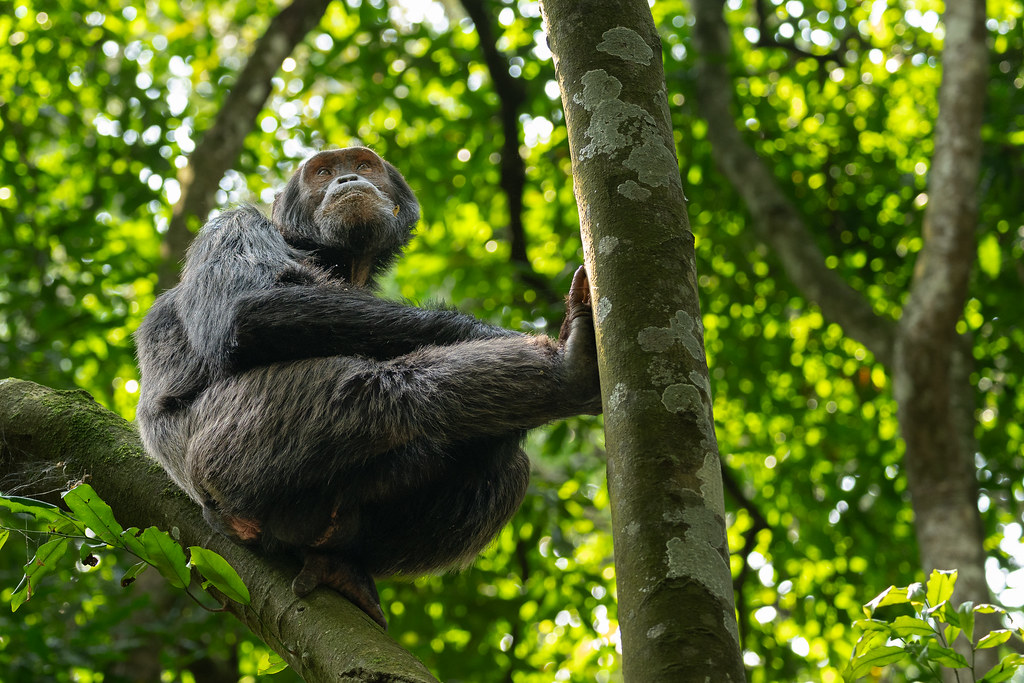
1-Day Chimpanzee Habituation Experience in Nyungwe National Park.
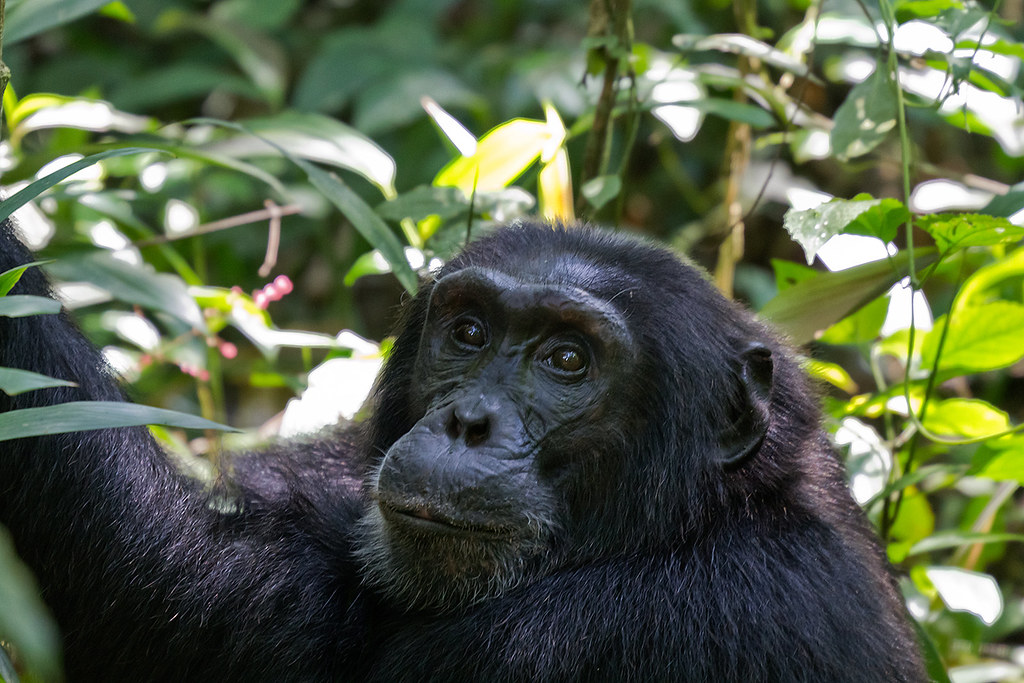
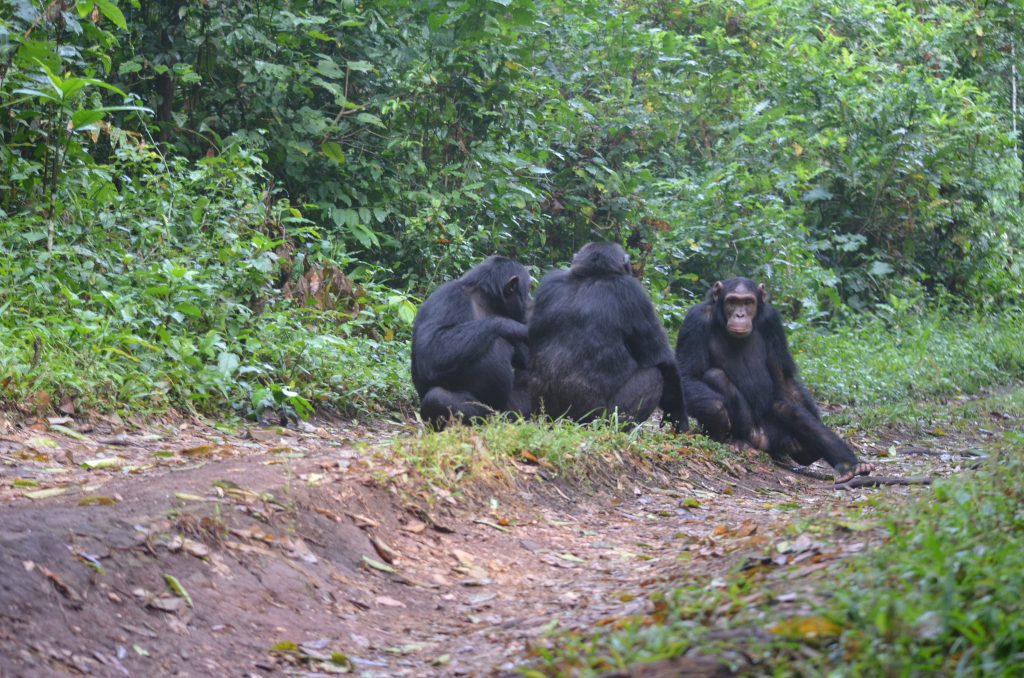
1-Day Chimpanzee Habituation Experience in Nyungwe National Park: This one-day chimpanzee habituation experience in Nyungwe National Park is carefully designed for travelers who want a more in-depth and meaningful encounter with primates within a limited time. Unlike standard chimpanzee trekking, which only allows a short viewing period, habituation offers a rare opportunity to spend four hours or more with a chimpanzee group in their natural habitat. During this time, visitors accompany researchers and trackers as they follow the chimpanzees and observe their daily behavior, including feeding, grooming, communication, and movement. This extended interaction makes the experience more engaging, educational, and rewarding.
Because the activity starts very early in the morning, often before sunrise, it is highly recommended that visitors spend the night within or close to the park. Accommodation options around Nyungwe or nearby areas such as Kamembe make it easier to reach the starting point on time without the stress of long-distance travel in the early hours.
The day begins with a detailed briefing led by park staff, where participants are introduced to chimpanzee behavior, safety guidelines, and the purpose of habituation. After the briefing, small groups—limited to only a four individuals—enter the forest with experienced guides and trackers who closely monitor chimpanzee movements daily. This ensures a well-organized, exclusive, and immersive wildlife experience from start to finish.
Trip Overview of 1-Day Chimpanzee Habituation Experience in Nyungwe National Park.
- 5:00am am – 5:30 am: Early morning briefing at the park headquarters before sunrise
• 5:30 am – 6:00 am: Entry into the forest with trackers and researchers
• Morning: Following and extended observation of chimpanzees (4 hours or more once located)
• Afternoon: Return trek from the forest depending on chimpanzee location, Lunch, relaxation, optional activities, or transfer to Kigali / Kigali International Airport
Detailed Itinerary
Your day begins in the early hours of the morning while it is still dark by 5:00am. You will report to the park station for a briefing conducted by experienced guides and researchers by around 5:00am or 5:30am. During this session, you will learn about the purpose of chimpanzee habituation, which is a gradual process of helping wild chimpanzees become familiar with human presence without altering their natural behavior.
After the briefing, you will head into the forest accompanied by trackers who have already identified the nesting areas where chimpanzees spent the previous night. The walk into the forest can be physically demanding, involving steep slopes, dense vegetation, and uneven ground. However, the experience is rewarding as you follow fresh signs such as calls, footprints, and feeding remains.
Chimpanzee habituation is limited to only four visitors per day per chimpanzee group, making it an exclusive and less crowded experience. Once the chimpanzees are located, you will spend four hours or more in their presence. During this time, you will observe a wide range of behaviors, including feeding, grooming, social interactions, vocal communication, and movement through the forest. Because chimpanzees are highly active and constantly on the move, the experience is dynamic and engaging.
After your time with the chimpanzees, you will begin your trek back out of the forest. Depending on how far the chimpanzees traveled, this return journey may take some time. Once you exit the forest, you will head back to your lodge or a nearby location for lunch and relaxation.
Later in the day, you may choose to participate in optional activities or begin your journey back to Kigali International Airport.
Meal Plan
- Lunch provided
Safari Inclusions
- Airport or hotel pickup and drop-off
• Professional English-speaking driver-guide
• Transport in a 4×4 safari vehicle
• Chimpanzee habituation permit
• Transfers to and from Nyungwe National Park
• Lunch
• Government taxes
Safari Exclusions
- Visa fees
• Tips and gratuities
• Porter services (optional)
• Drinks and beverages
• Flights
• Donations
• Accommodation
• Personal expenses
Packing List for Chimpanzee Habituation Experience in Nyungwe National Park
Preparing for chimpanzee habituation requires thoughtful packing since you will spend several hours in a humid, rugged rainforest with changing conditions. Below is a clearly structured and fully guide starting with each item:
- Waterproof hiking boots with strong traction – These are essential for safely navigating Nyungwe’s steep, muddy, and uneven trails. Because you may walk for long hours while following chimpanzees, boots with good grip help prevent slipping and provide the support needed for comfort and stability throughout the experience.
- Long-sleeved shirt and long trousers (neutral colors) – Lightweight clothing that covers your arms and legs protects against insect bites, scratches from vegetation, and irritation from plants. Choosing colors like green or khaki also helps you blend into the forest environment without drawing attention from wildlife.
- Rain jacket or poncho – Sudden rain showers are common in rainforest environments, regardless of the season. A reliable waterproof layer keeps you dry, prevents chills, and allows you to remain comfortable during extended hours in the forest.
- Gaiters – These are worn over your boots and lower legs to block mud, water, and insects from entering your footwear. They are especially helpful when moving through dense undergrowth or wet trails, making your trek cleaner and more comfortable.
- Drinking water and energy snacks – Since the habituation experience can last several hours, staying hydrated and energized is very important. Carry enough water and simple snacks like energy bars to maintain strength and avoid fatigue while in the forest.
- Comfortable daypack (with rain protection) – A small, well-fitting backpack allows you to carry all your essentials conveniently. A waterproof cover or lining ensures your belongings remain dry during unexpected rainfall.
- Extra pair of hiking socks – Wet feet can quickly become uncomfortable during long walks. Having an extra pair of socks allows you to change if needed, helping to prevent blisters and maintain comfort.
- Insect repellent – The rainforest environment has a high presence of insects, including mosquitoes. Applying repellent helps protect your skin from bites and reduces irritation during the trek.
- Sunscreen – Although much of the trek is under forest cover, there are moments when sunlight breaks through open areas. Sunscreen protects exposed skin from sunburn during these periods.
- Lightweight gardening/protective gloves – Gloves are useful when holding onto branches, vines, or uneven surfaces. They protect your hands from scratches and improve grip while moving through dense vegetation.
- Light warm layer (fleece or sweater) – Early mornings in Nyungwe can be cold due to altitude and mist. A warm layer keeps you comfortable before your body warms up from walking.
- Small first aid kit – Carry basic supplies such as plasters, pain relief, and blister care. These are useful for handling minor injuries that may occur during long hours of trekking.
- Identification documents and permit – Your passport or ID and chimpanzee habituation permit are required for park entry and verification. Keeping them in a waterproof pouch ensures they remain safe and dry.
- Camera or smartphone (no flash) – Capturing your experience is important, but avoid using flash as it can disturb the chimpanzees. Extra batteries or a power bank can be helpful due to long hours in the field.
- Avoid bright clothing, perfumes, and open shoes – Bright colors and strong scents can disturb wildlife or attract insects, while open footwear is unsafe on muddy terrain. Neutral, practical gear ensures a safer and more respectful experience in the forest.
Activities after Chimpanzee Habituation that you can engage in in case you come back early from the 1 day chimpanzee habituation experience.
After spending several hours with chimpanzees, most visitors prefer activities that are either relaxing or offer a different type of experience.
Canopy walk: The canopy walkway is a popular option that allows you to walk across a suspended bridge above the forest. After being on the forest floor during habituation, this gives you a completely different view of Nyungwe, allowing you to appreciate the vastness of the rainforest from above.
Zip Lining: For those still interested in adventure, zip lining provides an exciting way to move across the forest canopy. It is less physically demanding than trekking but still offers a thrilling experience with wide scenic views.
Rope Course: The rope course is another engaging activity, involving suspended obstacles that test balance and coordination. It is suitable for visitors who still have energy after the long morning but want something shorter and more controlled.
Bird watching: If you prefer a calmer experience, bird watching is a great option. Nyungwe is home to many unique bird species, and this activity allows you to slow down and appreciate the quieter aspects of the forest.
A visit to the tea plantations near Gisakura: This offers a peaceful change of scenery. The open landscapes and fresh air provide a relaxing contrast to the dense forest, and you can learn about tea production while enjoying the views.
Murambi Genocide Memorial site: On your way back, you may also visit the Murambi Genocide Memorial Centre, where you can gain a deeper understanding of Rwanda’s history. This experience is reflective and educational, offering important context about the country’s past and its path toward recovery.
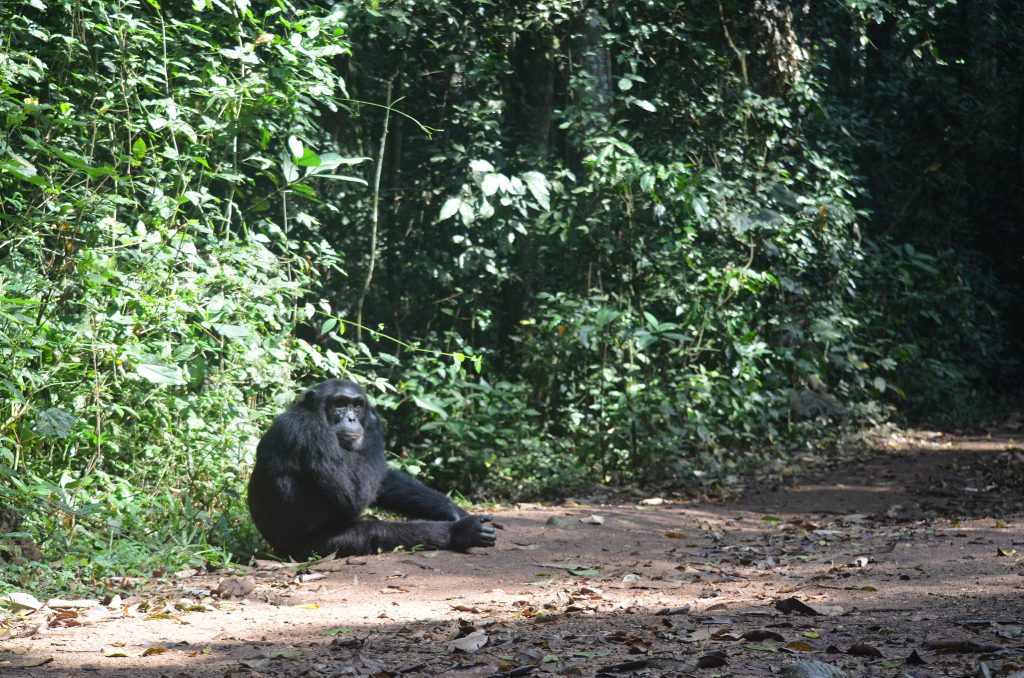
Best Time for a 1-Day Chimpanzee Habituation Experience
The most suitable time for chimpanzee habituation in Nyungwe National Park is during the relatively dry months, which usually occur from June to September and December to February. During these periods, rainfall is lower, making the forest easier to navigate and reducing the difficulty of following chimpanzees over long distances.
Since habituation involves spending four hours or more with the chimpanzees, comfortable trail conditions are especially important. Drier ground improves movement and reduces fatigue, allowing you to focus more on observing the chimpanzees.
However, Nyungwe remains a rainforest, meaning weather conditions can change quickly at any time of the year. Visitors should always be prepared for rain regardless of the season. Even so, the dry months generally provide the most favorable conditions for a longer and more comfortable experience.