
Kwita Izina: Rwanda’s Living Tradition of Naming and Protecting Gorillas
Kwita Izina is one of Rwanda’s most unique and meaningful ceremonies. It is a tradition where newborn mountain gorillas are given names in a public event. This ceremony draws inspiration from an ancient Rwandan practice where families name their children in the presence of loved ones. Over time, the idea has been adapted to celebrate wildlife, especially the endangered mountain gorilla. The event takes place every year near Volcanoes National Park, where these gorillas live. It attracts conservationists, tourists, and leaders from around the world.
The ceremony is more than just naming animals. It reflects Rwanda’s deep commitment to protecting nature. Each name given to a gorilla carries meaning and tells a story. Some names describe behavior, while others highlight the environment or honor individuals. For example, a playful gorilla may receive a name that reflects joy, while a strong one may be named after courage. This adds emotional value to conservation.
Kwita Izina has grown into a global symbol of wildlife protection. It connects people to nature in a personal way. By celebrating gorillas, Rwanda encourages responsibility and pride in preserving biodiversity. This cultural event blends tradition with modern conservation efforts in a powerful and inspiring way.
The History behind Kwita Izina
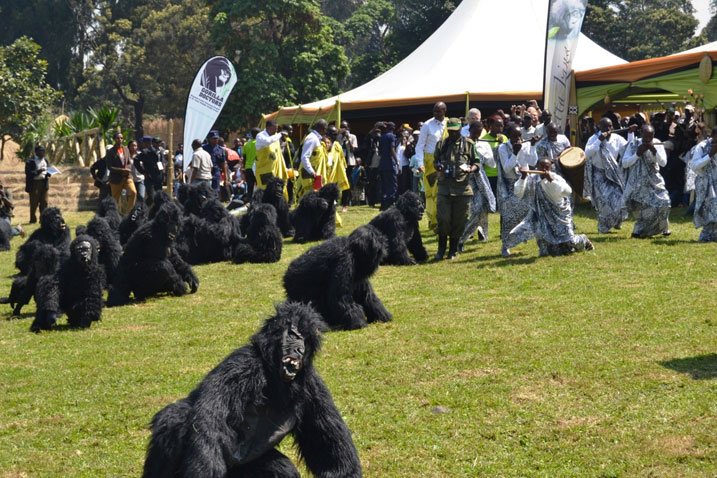
The origins of Kwita Izina date back centuries in Rwandan culture. Traditionally, families gathered to name newborn children. The ceremony involved storytelling, blessings, and community participation. Names were chosen carefully because they carried identity and meaning. This same philosophy is applied to gorilla naming today.
The modern Kwita Izina ceremony began in 2005 as part of Rwanda’s conservation strategy. At that time, mountain gorillas were facing serious threats from poaching and habitat loss. Rwanda needed a creative way to raise awareness and protect these animals. By introducing a naming ceremony, the country created a strong connection between people and wildlife.
Since its launch, Kwita Izina has become an international event. Conservation organizations, celebrities, and local communities participate each year. Each edition of the ceremony highlights progress in gorilla conservation. For instance, the increasing number of gorilla births is celebrated as a success story. This shows that protection efforts are working.
The ceremony also serves as a reminder of past challenges. It encourages continued effort to ensure the survival of gorillas. By combining history with modern conservation, Kwita Izina stands as a powerful example of how culture can support environmental protection.
How the Ceremony Unfolds
Kwita Izina is carefully organized and follows a structured program. The event usually takes place in Kinigi, close to Volcanoes National Park. It begins with cultural performances that showcase Rwanda’s rich heritage. Traditional dances, songs, and drumming create an energetic atmosphere. These performances help connect the audience to the country’s identity.
After the performances, the main event begins. Selected individuals are invited to name the baby gorillas. These individuals can be conservationists, community leaders, or international guests. Each person is given the honor of choosing a name and explaining its meaning. This moment is highly symbolic. It reflects a commitment to protecting the gorilla and its habitat.
For example, a gorilla born during a peaceful season may receive a name that symbolizes unity. Another born in a challenging time may be named to represent resilience. These names often carry messages that go beyond the animals themselves. They reflect human values and hopes.
The ceremony also includes speeches from government officials and conservation experts. These speeches highlight achievements and future goals. The event ends with a sense of celebration and responsibility. Everyone leaves with a deeper understanding of the importance of conservation.
The Role of Communities in Conservation
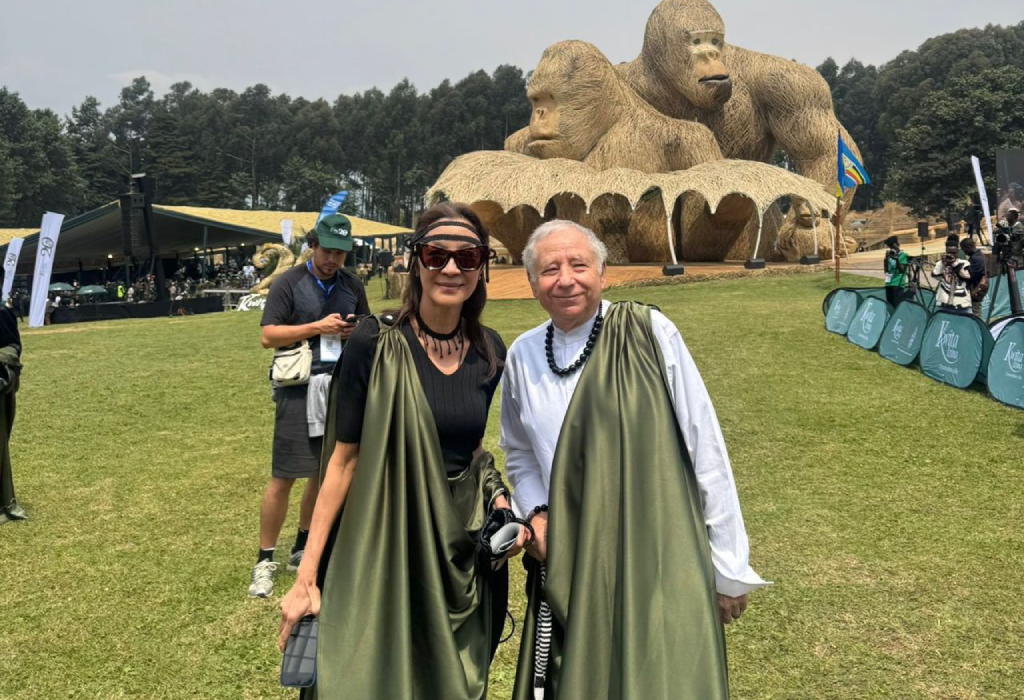
Local communities play a vital role in the success of Kwita Izina. People living near Volcanoes National Park are directly involved in conservation efforts. They benefit from tourism, which creates jobs and improves livelihoods. This connection encourages them to protect gorillas rather than harm them.
Kwita Izina strengthens this relationship. Community members participate in the ceremony and share in its success. They perform dances, sell crafts, and interact with visitors. Participation fosters a feeling of pride and ownership. People feel that they are part of something meaningful.
For example, a local farmer may benefit from tourism income and become more supportive of conservation policies. Schools in the area also teach students about wildlife protection. This helps build a new generation that values nature.
The ceremony also addresses challenges faced by communities. Issues such as land use and human-wildlife conflict are discussed openly. Solutions are developed through collaboration. This approach ensures that conservation efforts are sustainable.
By involving communities, Kwita Izina creates a balanced system. Both people and wildlife benefit from the initiative. This makes it a model for conservation programs around the world.
Tourism and Economic Impact
Kwita Izina has become a major attraction for tourists visiting Rwanda. Each year, thousands of people travel to witness the ceremony. This boosts the country’s tourism industry and generates revenue. Visitors also explore other attractions, which further supports the economy.
The presence of tourists creates opportunities for local businesses. Hotels, restaurants, and tour operators benefit from increased demand. For example, a small guesthouse near the park may experience full bookings during the event. This income helps improve living standards.
The ceremony also enhances Rwanda’s global image. It positions the country as a leader in conservation and sustainable tourism. This attracts investors and partners who support environmental projects. The economic benefits extend beyond the event itself.
In addition, tourism revenue is reinvested into conservation efforts. Funds are used to protect gorilla habitats, train rangers, and support research. This creates a cycle where tourism supports conservation, and conservation attracts tourism.
Kwita Izina demonstrates how cultural events can drive economic growth. It shows that protecting nature can also create financial opportunities. This balance is essential for long-term success.
Global Recognition and Influence
Kwita Izina has gained international recognition as a model for conservation. Many countries look to Rwanda for inspiration. The ceremony shows how culture can be used to promote environmental awareness. It proves that conservation does not have to be limited to scientific approaches.
Global organizations often participate in the event. Their involvement helps spread the message to a wider audience. Media coverage also plays a role in raising awareness. Stories about Kwita Izina reach people across the world.
For example, documentaries and news reports highlight the success of Rwanda’s conservation efforts. These stories inspire individuals and organizations to take action. Some countries have even adopted similar initiatives to protect their wildlife.
The ceremony also encourages partnerships. Governments, NGOs, and private companies work together to support conservation. This collaboration strengthens global efforts to protect endangered species.
Kwita Izina’s influence goes beyond gorillas. It promotes a broader understanding of the importance of biodiversity. It reminds the world that protecting nature is a shared responsibility.
The Future of Kwita Izina
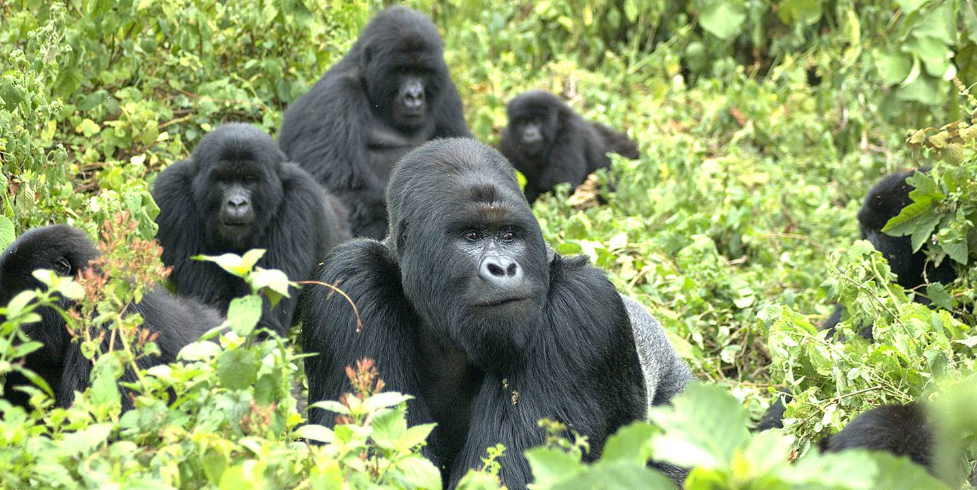
The future of Kwita Izina looks promising. The ceremony continues to grow in scale and impact. More gorilla births are being recorded, which is a positive sign for conservation. This success motivates further efforts to protect wildlife.
However, challenges still exist. Climate change, habitat loss, and human activities threaten gorilla populations. Addressing these issues requires continuous commitment. Kwita Izina plays a role in keeping these challenges in focus.
The ceremony is also evolving. New ideas and technologies are being introduced to enhance conservation. For example, digital platforms are used to share the event with a global audience. This increases awareness and engagement.
Education remains a key focus. Teaching young people about conservation ensures long-term success. Kwita Izina inspires future leaders to care for the environment.
Looking ahead, the ceremony will continue to unite people around a common goal. It will remain a symbol of hope and progress. By celebrating gorillas, Rwanda reminds the world of the importance of protecting our planet.

Leave A Comment