
Gorilla Trek Africa: Discover the Thrill of Meeting the Gentle Giants of the Forest.
Gorilla Trek Africa, Gorilla trekking in Africa is one of the most remarkable wildlife experiences on the planet. The adventure takes visitors deep into mountain forests where endangered mountain gorillas live in small family groups. These powerful yet gentle primates share many traits with humans, which makes the encounter both exciting and emotional. Watching a gorilla family in the wild offers a rare chance to observe their daily life up close.
The activity mainly takes place in three countries in East and Central Africa. Rwanda, Uganda, and the Democratic Republic of Congo protect the remaining populations of mountain gorillas. These countries have established national parks where trained guides lead visitors through forests to find habituated gorilla families. A habituated family is a group that has become accustomed to the presence of humans through careful conservation programs.
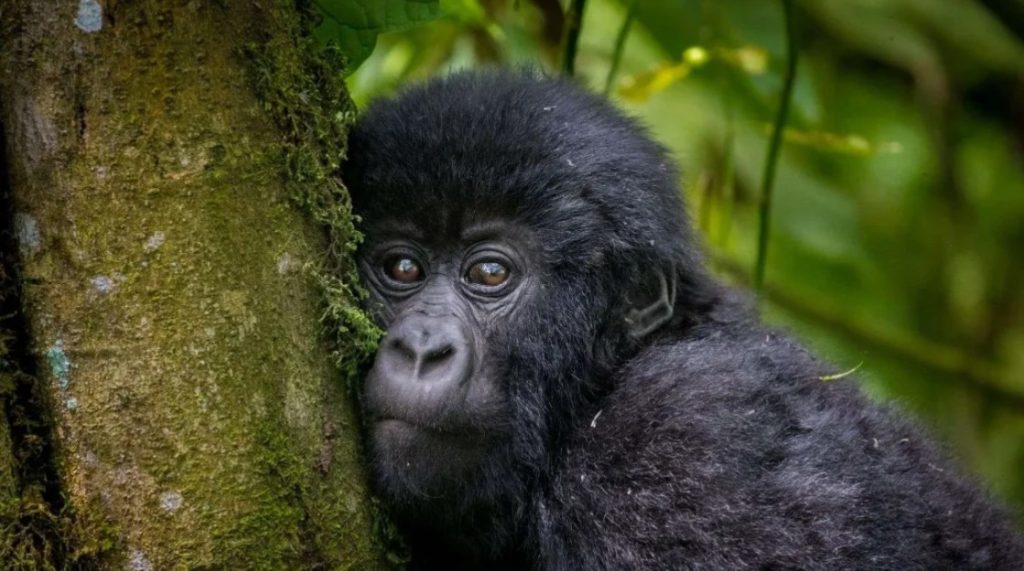
The trekking experience is not only about seeing gorillas. The journey itself introduces visitors to beautiful landscapes filled with thick vegetation, bamboo forests, and misty mountains. Trekkers often encounter birds, monkeys, and colorful plants along the way. These natural features make the trek feel like a true wilderness adventure.
Gorilla trekking also plays an important role in conservation. Tourism income supports wildlife protection, anti-poaching patrols, and community development. This balance between tourism and conservation has helped mountain gorilla populations slowly recover. As a result, gorilla trekking in Africa has become both a thrilling travel experience and an important tool for protecting wildlife.
Where Gorilla Trekking Takes Place in Africa.
Africa offers several locations where travelers can enjoy gorilla trekking. Each destination provides unique landscapes and trekking conditions while protecting the same endangered species. Rwanda is one of the most famous destinations for this activity. Its mountain forests provide a safe habitat for several habituated gorilla families. Treks in Rwanda are known for shorter hiking distances and well-organized tourism services.
Uganda is another popular country for gorilla trekking. Large protected forests create an ideal environment for mountain gorillas to live and move freely. The forests are dense and full of wildlife, making each trek feel like a deep jungle expedition. Visitors often enjoy longer hikes here, which adds to the sense of adventure.
The Democratic Republic of Congo also offers gorilla trekking experiences in remote mountain forests. The landscape in this region is dramatic, with volcanic mountains and thick tropical vegetation. Trekkers who visit this destination often enjoy a more adventurous and less crowded experience it is the only East African country with low land gorillas.
Although the countries are different, the core experience remains the same. Visitors hike through forests with trained guides to locate gorilla families that have been carefully monitored by researchers and park rangers. Once the gorillas are found, visitors spend one hour observing them in their natural environment.
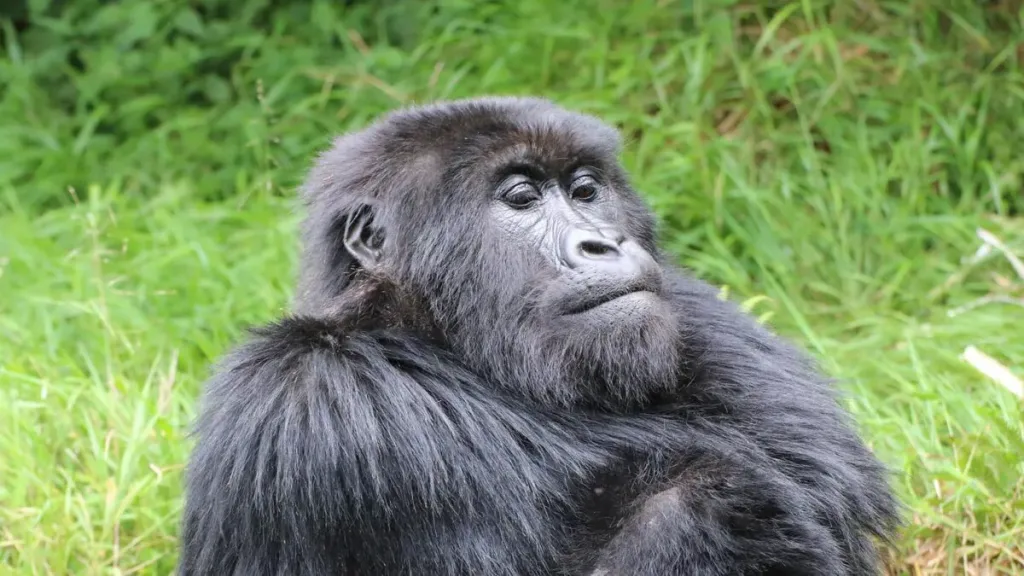
These destinations together form the heart of gorilla trekking in Africa and play a key role in protecting the remaining populations of mountain gorillas.
Cost of Mountain Gorilla Trekking in Each Country.
The cost of mountain gorilla trekking in Africa varies depending on the country where the activity takes place. Rwanda, Uganda, and the Democratic Republic of Congo are the only countries where travelers can see mountain gorillas in their natural habitat. Each country issues a limited number of trekking permits each day to protect the gorillas from too much human contact. Because the permits are limited, travelers are encouraged to book them well in advance.
Rwanda offers one of the most organized gorilla trekking experiences. A gorilla trekking permit in Rwanda costs US$1,500 per person during peak season and in the low season it costs USD it costs USD500 afro East African residents and Africans and it costs USD200 for East Africans. The permit allows visitors to spend one hour with a habituated gorilla family in the forest. Although the price is higher than in other countries, Rwanda is known for its well-developed tourism services and shorter trekking distances in many areas.
Uganda provides a more affordable option for travelers. A gorilla trekking permit in Uganda costs $800 per person for foreign non-residents. Uganda also offers a unique gorilla habituation experience that allows visitors to spend more time with the gorillas, although this permit is more expensive.
The Democratic Republic of Congo offers the lowest permit price among the three countries. A gorilla trekking permit there usually costs about $400 per for foreign non-residents. This destination attracts adventurous travelers who want a more remote trekking experience.
Despite the different prices, all permits contribute to conservation efforts. The funds support wildlife protection, ranger patrols, research, and community development programs. Gorilla trekking therefore benefits both visitors and the long-term survival of mountain gorillas in Africa.
The Gorilla Trekking Experience.
A gorilla trekking adventure usually begins early in the morning. Visitors gather at park headquarters for a briefing led by experienced rangers. During this session, guides explain safety rules and conservation guidelines. Visitors are also assigned to specific gorilla families that they will track during the trek.
After the briefing, small groups of trekkers enter the forest with guides and trackers. The hike can take one hour or several hours depending on where the gorillas are located that day. Trackers often move ahead to find signs such as broken branches, footprints, or fresh nests that indicate the location of the gorilla family.
The trek itself is an exciting journey through nature. Trekkers walk through thick vegetation, cross small streams, and climb forested hills. The sounds of birds and insects fill the forest, creating a rich natural atmosphere. The moment when the gorillas are finally located is often unforgettable.
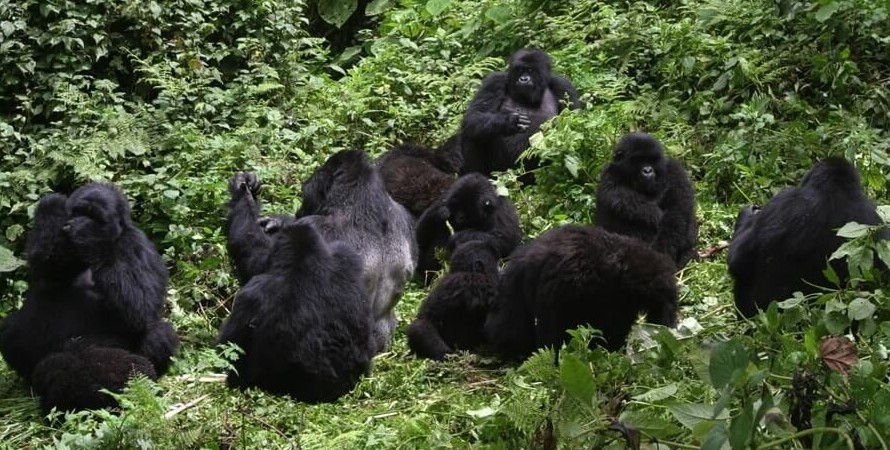
The gorilla family is open for visitors to see for an hour. During this time, trekkers watch the animals feed, rest, groom each other, and care for their young. A large silverback usually sits nearby while protecting the group.
This close encounter allows visitors to appreciate the intelligence and calm nature of these animals. Many travelers describe the experience as one of the most powerful wildlife encounters in the world.
Gorilla Family Life and Behavior.
Mountain gorillas live in organized social groups known as families. A dominant male known as a silverback leads each family. The silverback earns his name from the silver hair that grows across his back as he becomes older. This leader protects the group, guides their movements, and settles conflicts within the family.
A gorilla family often includes several adult females and their young. Mothers spend most of their time caring for infants and keeping them safe. Young gorillas remain close to their mothers during the early months of life. As they grow older, they become playful and energetic members of the group.
Playful young gorillas often provide the most entertaining moments during trekking. They climb trees, roll through vegetation, and chase each other across the forest floor. These playful actions strengthen social bonds within the family.
Adult gorillas spend much of their day feeding on leaves, shoots, stems, and fruit. They also groom one another by cleaning their fur, which strengthens relationships within the group. These peaceful interactions show the strong social connections that exist among gorillas.
Watching these behaviors in the wild helps visitors understand how similar gorillas are to humans. Their family structure, emotions, and communication patterns reflect a complex social life that fascinates scientists and travelers alike.
The Role of Gorilla Trekking in Conservation.
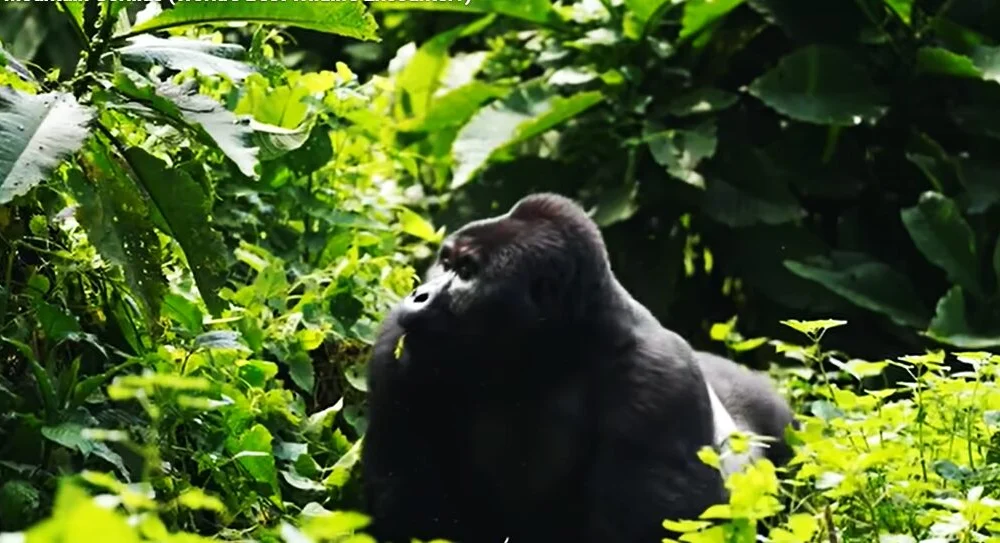
Gorilla trekking in Africa has become an important tool for wildlife conservation. Many years ago, mountain gorillas faced serious threats from habitat loss and illegal hunting. Their population dropped to dangerously low numbers. Conservation programs supported by tourism have helped protect these animals and their forest homes.
Revenue from gorilla trekking permits supports many conservation activities. Park authorities use these funds to train rangers who patrol the forests and protect gorillas from poachers. Conservation programs also provide veterinary care for injured gorillas and support scientific research.
Local communities also benefit from gorilla tourism. Many residents work as guides, trackers, porters, or lodge staff. These jobs create income and improve living conditions for families near national parks. When communities benefit from conservation, they become partners in protecting wildlife.
Education programs funded by tourism also teach people about the importance of protecting forests and wildlife. This awareness encourages sustainable practices that reduce pressure on natural resources.
As a result of these efforts, mountain gorilla populations have slowly increased in recent years. Gorilla trekking therefore serves as both a unique tourism activity and a powerful conservation success story.
Conclusion: A Rare Wildlife Adventure in Africa.
Gorilla trekking in Africa offers an extraordinary journey into one of the world’s most unique ecosystems. The experience allows visitors to step into dense mountain forests and witness the daily lives of endangered mountain gorillas. Watching these animals interact in their natural environment creates memories that last a lifetime.
The adventure combines physical exploration with deep wildlife appreciation. Each trek introduces travelers to breathtaking landscapes filled with misty mountains, towering trees, and diverse wildlife. The moment of meeting a gorilla family in the wild often becomes the highlight of the entire journey.
Beyond the adventure, gorilla trekking also contributes to the protection of one of the world’s most endangered species. Tourism revenue supports conservation programs that safeguard gorillas and their habitats. This partnership between tourism and conservation has helped ensure that future generations can continue to experience these remarkable animals.
For travelers seeking a meaningful wildlife experience, gorilla trekking in Africa offers something truly special. It is more than a safari activity. It is a powerful encounter with nature that connects people to the wild in a profound way.

Leave A Comment