
Budget Gorilla Trekking Rwanda – Volcanoes National Park
Budget gorilla trekking in Rwanda is entirely possible with thoughtful planning, careful decision-making, and realistic expectations. While Rwanda positions itself as a premium gorilla trekking destination, travelers can enjoy a meaningful and unforgettable experience without overspending. The key lies in understanding the structure of costs, making smart accommodation and transport choices, and timing the visit to take advantage of seasonal opportunities.
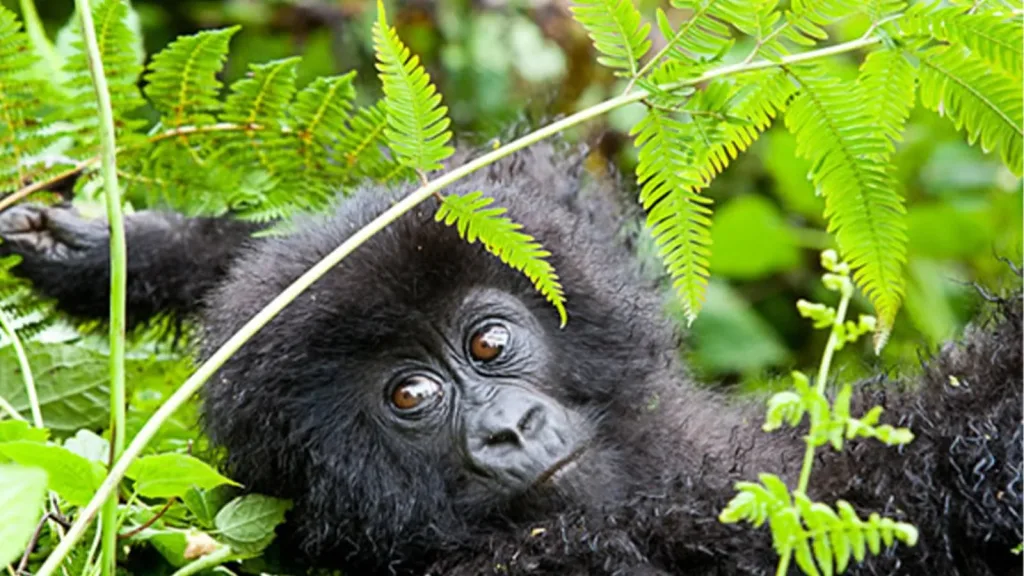
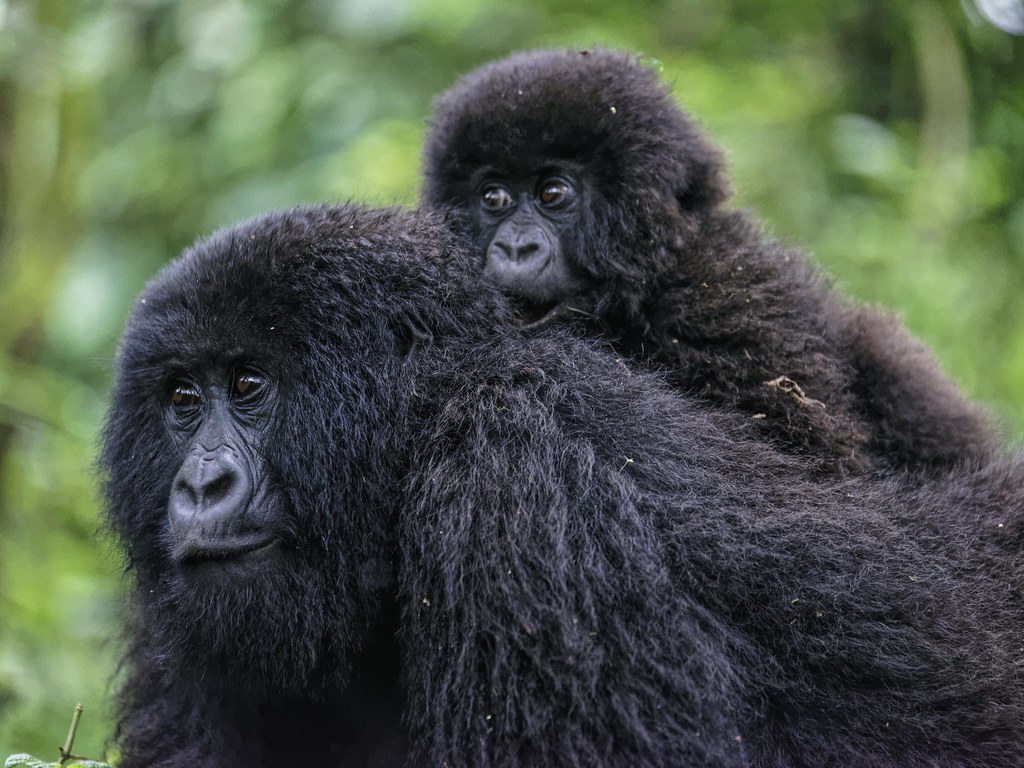
Mountain gorillas inhabit the volcanic slopes of the Virunga Massif in Volcanoes National Park, and sightings remain reliable year-round thanks to careful monitoring by experienced rangers. Because gorillas are permanent residents and trekking follows standardized conservation protocols, the quality of the wildlife encounter remains the same regardless of lodge class or season.
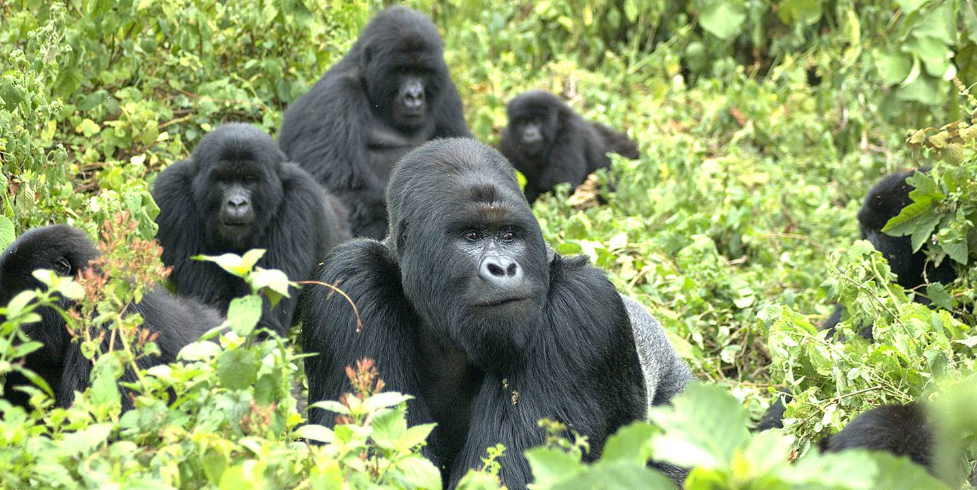
The main expense for any gorilla trek is the fixed permit fee, which supports anti-poaching patrols, veterinary programs, and community initiatives. Budget-conscious travelers can reduce overall expenditure by selecting modest lodges, traveling during off-peak periods, optimizing transportation, and designing efficient itineraries. This guide explores all aspects of budget planning for gorilla trekking in Rwanda while maintaining safety, comfort, and conservation standards.
Understanding the Fixed Permit Cost
The gorilla permit forms the foundation of your trekking budget and is non-negotiable. Rwanda’s standard permit currently costs approximately USD 1,500 per person for a single trek. This fee covers park entry, experienced ranger guidance, security, and direct contributions to conservation and community programs. The funds from each permit support anti-poaching patrols, veterinary interventions for injured gorillas, habitat protection efforts, and revenue-sharing initiatives that benefit local communities.
Because the permit price is fixed, budget planning must focus on other expenses such as accommodation, transportation, meals, and additional activities. Attempting to reduce the permit cost is not feasible, so travelers should instead optimize surrounding logistical costs. For example, selecting cost-effective lodging, shared transfers, and off-peak travel dates can significantly lower overall trip expenses without compromising trekking quality.
Understanding the permit structure also helps travelers appreciate the value of their investment. The fee directly supports conservation and ensures a highly controlled and exclusive trekking experience. By recognizing that this cost contributes to the long-term survival of mountain gorillas, travelers can approach budgeting with a clear perspective: savings in surrounding areas will not diminish the extraordinary experience of encountering these endangered primates in their natural habitat.

Choosing Budget-Friendly Accommodation
Accommodation is one of the easiest ways to reduce the overall cost of a gorilla trekking trip. Lodges near Volcanoes National Park range from ultra-luxury villas to modest guesthouses. Budget-friendly options provide clean, safe, and comfortable rooms with essential amenities such as hot showers, basic dining, and convenient access to park headquarters.
Staying in Musanze town, rather than premium lodges perched on volcano slopes, can lower accommodation costs significantly. Many budget guesthouses offer private rooms or small cottages with quiet gardens, creating a relaxing environment for pre- and post-trek recovery. Choosing midweek travel dates or off-peak months can also improve availability and may unlock discounted rates.
Even on a budget, lodges often provide meals or half-board packages, which help travelers avoid unexpected dining expenses. While these properties may lack spa facilities, expansive decks, or dramatic views, they allow visitors to focus on the gorilla experience itself—the primary purpose of the trip. For budget travelers, modest accommodation ensures comfort and safety while allocating more resources toward the permit, transfers, and trekking essentials.
Selecting the right property involves balancing comfort, location, and cost. With careful choice, budget-conscious travelers can enjoy a meaningful stay near Volcanoes National Park while maintaining a responsible and affordable itinerary.
Reducing Transportation Costs
Transportation from Kigali to Volcanoes National Park, approximately a two-and-a-half to three-hour drive, can be a significant part of the overall budget. Private vehicles or chartered transfers add convenience but also increase costs substantially. Budget travelers can save money by using shared transfers arranged through tour operators or coordinating group transport with fellow trekkers.
Public transportation exists between Kigali and Musanze, though it requires careful planning and additional local transfers to reach the park headquarters. While public buses are cheaper, they are less predictable and often slower. Most budget travelers prefer shared safari vehicles, which balance affordability with convenience and comfort.
Avoiding helicopter transfers or private charters dramatically reduces expenses while still providing efficient travel. Some operators combine transportation with guided services, further improving cost-effectiveness. Group travel also spreads the expense across multiple passengers, allowing a reliable and comfortable ride without paying for individual transport.
 By planning transfers carefully and opting for shared or group transport, budget-conscious travelers can minimize travel costs without compromising safety. Smart transportation choices allow travelers to focus resources on the gorilla permit and lodging while ensuring timely arrival for morning trek briefings.
Traveling During the Rainy Season
The rainy seasons in Rwanda—March to May and October to November—offer strategic opportunities for budget travelers. Fewer international visitors arrive during these months, and many lodges offer promotional rates to encourage bookings. While trail conditions may become muddy and hiking more strenuous, gorilla sightings remain highly reliable year-round.
Experienced trekkers prepared for wetter conditions can benefit from reduced accommodation rates, more flexible permit availability, and a quieter forest atmosphere. Lush vegetation, mist-covered slopes, and vibrant greenery create striking photographic opportunities, enhancing the trekking experience despite minor inconveniences.
Off-peak timing allows travelers to save significantly on both lodging and sometimes guided services. Being prepared with waterproof gear, sturdy hiking boots, and light rain protection ensures that trekking remains comfortable and safe. This strategy provides a practical balance: travelers maintain the core wildlife experience while optimizing cost savings.
By planning visits during these quieter months, budget trekkers can reduce overall expenses, avoid heavy crowds, and enjoy a more intimate encounter with Rwanda’s mountain gorillas.
Structuring a Short Itinerary
Budget-conscious travelers often benefit from designing a concise and efficient itinerary. A three-day trip typically provides the most cost-effective structure: travel from Kigali to Volcanoes National Park on day one, trek the following day, and return to Kigali on day three. This approach limits accommodation nights, reduces transportation costs, and keeps additional park fees minimal.
Extending a trip to include other national parks or long cultural excursions can significantly increase total expenditure. By focusing primarily on gorilla trekking, travelers prioritize what matters most while remaining budget-conscious. Planning additional activities independently or selectively ensures cost control without sacrificing enjoyment.
A well-structured itinerary also improves convenience. Staying close to park headquarters minimizes early morning stress and optimizes trekking timing. Travelers can combine transfers, accommodations, and meals in a streamlined schedule, reducing unnecessary expenses.
Efficient itinerary planning ensures that budget travelers maximize the gorilla trekking experience while minimizing peripheral costs. With careful timing and focus, a short and concentrated schedule provides a meaningful encounter while staying within financial constraints.
Hiring a Porter: A Small but Valuable Investment
Hiring a porter during gorilla trekking costs approximately USD 10–20, a relatively small investment compared to the permit. Porters provide significant physical support, carrying backpacks and helping with stability on steep or muddy sections of the trail. This service can make the trek safer and more comfortable, particularly for less experienced hikers or those carrying heavier gear.
Beyond convenience, employing porters supports local community income. Porters are trained by park authorities and earn a livelihood through tourism activities. Budget travelers often find that the small additional cost greatly enhances trekking comfort while contributing meaningfully to the local economy.
Skipping this service saves little relative to the overall permit cost. Most budget-conscious trekkers still include a porter in their plan because the benefits outweigh the minor expense. Hiring a porter ensures a smoother, more enjoyable trekking experience while aligning with ethical tourism practices in Rwanda.
Managing Food and Additional Expenses
Food and incidental expenses can add up if not carefully managed. Many budget lodges include half-board or full-board meal plans, providing reliable nutrition and reducing daily dining costs. Confirming meal arrangements in advance prevents surprises and ensures travelers can plan spending accurately.
Carrying reusable water bottles helps manage daily hydration costs and aligns with Rwanda’s strict environmental policies. Avoiding unnecessary add-on activities, such as helicopter tours, premium cultural excursions, or high-end spa services, keeps the budget focused on the core wildlife encounter.
Strategic food planning and disciplined expense management allow budget travelers to allocate resources toward the gorilla permit, accommodation, and essential services, maximizing the value of the trip without sacrificing safety, comfort, or conservation impact.
Comparing Rwanda Budget Trekking to Uganda
Many travelers consider Uganda as a lower-cost alternative for gorilla trekking. While Uganda’s permit fees are lower, the overall logistical costs—including longer internal travel, transfers, and accommodations—can offset the savings. Rwanda’s Volcanoes National Park offers short, efficient transfers from Kigali and well-coordinated trekking logistics.
Budget planning requires evaluating both permit costs and surrounding expenses. Choosing Rwanda may be slightly higher in permit price but can save time, reduce travel stress, and ensure reliable trekking services. Considering total cost rather than individual line items helps travelers make informed decisions when prioritizing efficiency and comfort.

Is Budget Gorilla Trekking in Rwanda Realistic?
Yes—budget gorilla trekking in Rwanda is realistic but not inexpensive. The fixed permit remains the largest single expense, and careful planning focuses on reducing secondary costs such as lodging, transport, meals, and additional activities. The core gorilla encounter remains identical regardless of accommodation tier or season.
By traveling during rainy seasons, selecting modest lodges, hiring shared transportation, and keeping itineraries concise, budget-conscious travelers can enjoy a full and meaningful gorilla experience. Proper preparation, realistic expectations, and cost-conscious decision-making make Rwanda accessible without compromising safety or conservation standards.
Final Reflections
Budget gorilla trekking in Rwanda requires thoughtful planning, realistic expectations, and strategic choices. Volcanoes National Park maintains strict conservation standards, supported directly by the fixed permit cost. By controlling accommodation, transport, and itinerary, travelers can experience one of Africa’s most extraordinary wildlife encounters responsibly and affordably.
Budget trekking allows visitors to focus on the most meaningful part of the journey—the close encounter with mountain gorillas—while ensuring comfort, safety, and conservation impact.
Plan Your Budget Gorilla Trek with Us
VolcanoesNationalPark.com designs cost-conscious gorilla trekking itineraries tailored to your travel dates, comfort preferences, and budget. We secure permits, recommend budget-friendly lodges, and coordinate efficient transfers from Kigali.
For a professionally managed budget gorilla trekking experience in Rwanda, contact Volcanoes National Park Our team ensures your trip balances affordability with unforgettable wildlife encounters.