
Ebola Crisis in East Africa, Uganda, Rwanda and Congo
A rare and deadly Ebola outbreak caused by the Bundibugyo virus (BVD) has swept through the northeastern Democratic Republic of the Congo (DRC), crossed international borders into Uganda, and raised alarm across the entire East and Central African region. On 16 May 2026, the World Health Organization (WHO) declared the outbreak a Public Health Emergency of International Concern (PHEIC) — the highest level of global health alert — after rapidly rising case counts, multiple deaths among healthcare workers, and the detection of cases in Goma, a major DRC border city shared with Rwanda-backed M23 rebel control. As of 19 May 2026, nearly 500 suspected cases and over 116 deaths have been recorded, with confirmed spillover into Uganda’s capital, Kampala.
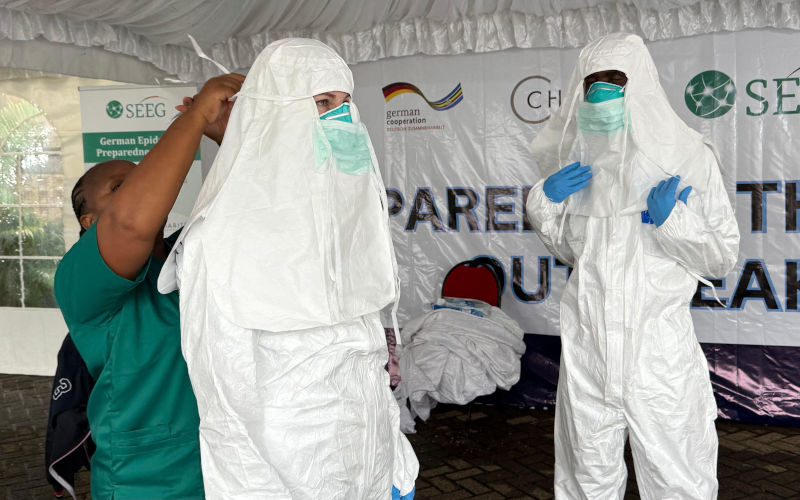
The Bundibugyo strain is only the third such occurrence in recorded history, and critically, there is currently no approved vaccine or therapeutic to treat it. Regional governments — Uganda, Rwanda, South Sudan, Burundi and beyond — have activated emergency protocols, while the United States CDC, WHO, and Médecins Sans Frontières (MSF) have deployed rapid response teams. The crisis is unfolding against a backdrop of armed conflict in eastern DRC, displacement, porous borders, and strained health systems.
Key Facts at a Glance (as of 19 May 2026)
Indicator | Data |
Virus strain | Bundibugyo virus (BVD) — rare Orthoebolavirus species |
Date outbreak confirmed | 14 May 2026 (lab); first symptoms ~25 April 2026 |
PHEIC declared | 16 May 2026 by WHO Director-General Tedros Adhanom Ghebreyesus |
Total suspected cases (DRC) | ~500 (as of 19 May 2026) |
Total deaths (DRC) | 116+ |
Confirmed cases (DRC) | 10 laboratory-confirmed |
Cases in Uganda | 2 confirmed (1 death) in Kampala |
Cases in Goma (DRC border) | 1 confirmed (wife of deceased Bunia patient) |
Healthcare workers affected | 4 deaths within 4 days at Mongbwalu Hospital |
Detection gap | ~4 weeks between first symptom and lab confirmation |
Vaccine available? | No approved vaccine or therapeutic for Bundibugyo strain |
Case fatality rate (Bundibugyo) | Estimated 25–40% (vs 50–90% for Zaire strain) |
DRC outbreak history | 17th Ebola outbreak in DRC since 1976 |
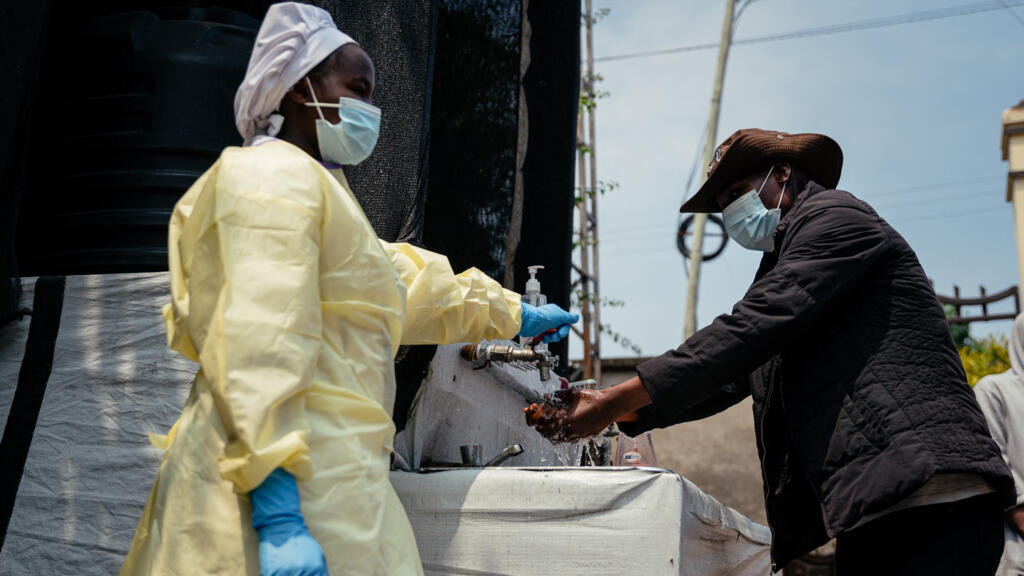
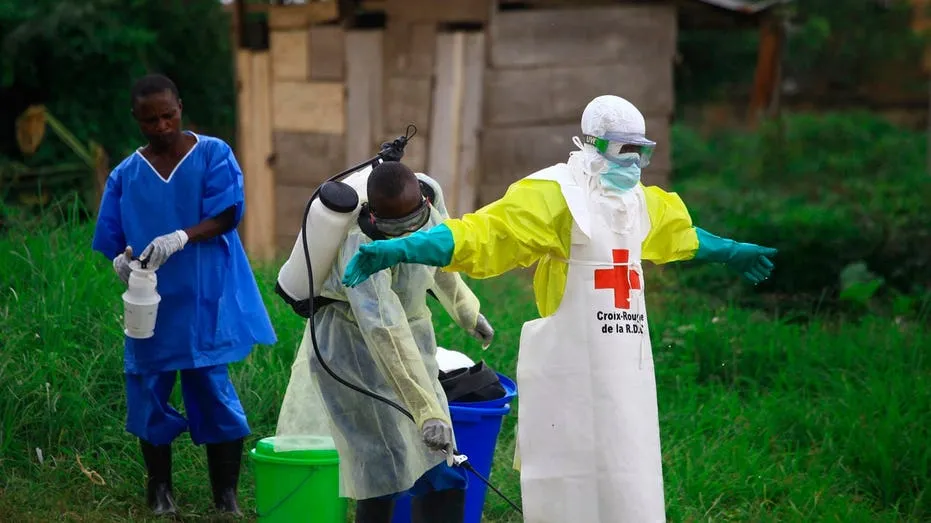
Background: Ebola and the Bundibugyo Strain
Ebola virus disease (EVD) is a severe, often fatal hemorrhagic fever caused by viruses in the family Filoviridae. First identified in 1976 near the Ebola River in what was then Zaire (now the DRC), the disease has since caused more than 20 major outbreaks primarily across sub-Saharan Africa. The DRC alone has now experienced 17 outbreaks — more than any other country on Earth.
Several distinct species of Orthoebolavirus exist: Zaire (the most common and deadly), Sudan, Bundibugyo, Tai Forest, and Reston. The 2026 crisis is driven by the Bundibugyo strain, one of the rarest. Before this outbreak, Bundibugyo virus had only been detected twice in history: first in Uganda’s Bundibugyo District in 2007–2008, where it infected 149 people and killed 37; and second in the DRC’s Province Orientale in 2012. This third emergence represents an unprecedented return of this rare pathogen.
Transmission: Ebola spreads through direct contact with the bodily fluids — blood, saliva, sweat, urine, or vomit — of an infected person who is already showing symptoms. It does not spread through casual contact or air. Funeral and burial practices involving contact with deceased bodies pose particularly high transmission risks. Bushmeat handling and exposure to infected animals (such as fruit bats, the suspected reservoir) are also risk factors.
Symptoms: Initial symptoms mirror common illnesses: sudden-onset fever, severe headache, sore throat, muscle pain, and extreme fatigue. Within days, the disease progresses to vomiting, diarrhea, rash, impaired kidney and liver function, and in some cases, internal and external bleeding. The Bundibugyo strain has a case fatality rate of approximately 25 to 40 percent — lower than the Zaire strain’s 60 to 90 percent, but still profoundly lethal.
The 2026 Outbreak: Timeline and Origins
Detection and the Critical Four-Week Gap
The presumed index case — the first patient from whom the virus spread — is believed to have developed symptoms around 25 April 2026. However, the outbreak was not laboratory-confirmed until 14 May 2026, meaning the virus circulated undetected for nearly four weeks. This delayed detection was driven by several compounding factors: the co-circulation of other febrile illnesses including arboviruses and influenza-like diseases, which masked Ebola’s initial presentation; a low clinical index of suspicion among local healthcare providers unfamiliar with the rare Bundibugyo strain; and the remote, conflict-affected terrain of Ituri Province, which hampers rapid sample collection and transport.
The alarm was formally raised on 5 May 2026, when WHO received an alert about an unknown illness with high mortality in Mongbwalu Health Zone, Ituri Province. In a catastrophic signal, four healthcare workers at Mongbwalu General Referral Hospital died within a single four-day span — a sign of serious infection prevention and control (IPC) failures and likely nosocomial (hospital-based) transmission. By 14 May, laboratory tests confirmed the Bundibugyo virus, and WHO was immediately notified.
Geographic Spread: Ituri Province, DRC
The epicenter of the outbreak is Ituri Province, a remote and conflict-wracked area in northeastern DRC bordering Uganda to the east. As of 19 May 2026, cases have been confirmed across nine health zones within Ituri. The province is home to ongoing armed conflict involving multiple rebel groups, which severely restricts the movement of surveillance teams, impedes Rapid Response Teams (RRTs), and hinders the secure transport of laboratory samples to testing facilities. A large number of community deaths have been reported, potentially linked to unsafe burial practices common in contexts with limited public health infrastructure.
A particularly alarming development came when a laboratory-confirmed case was reported in Goma — the major eastern DRC city under the control of the Rwanda-backed AFC/M23 rebel coalition. The case involved the wife of a man who died of Ebola in Bunia, who traveled to Goma after her husband’s death while already infected. Goma is a densely populated urban center with heavy cross-border traffic with Rwanda, dramatically raising the risk of international spread.
Spillover into Uganda: Kampala on Alert
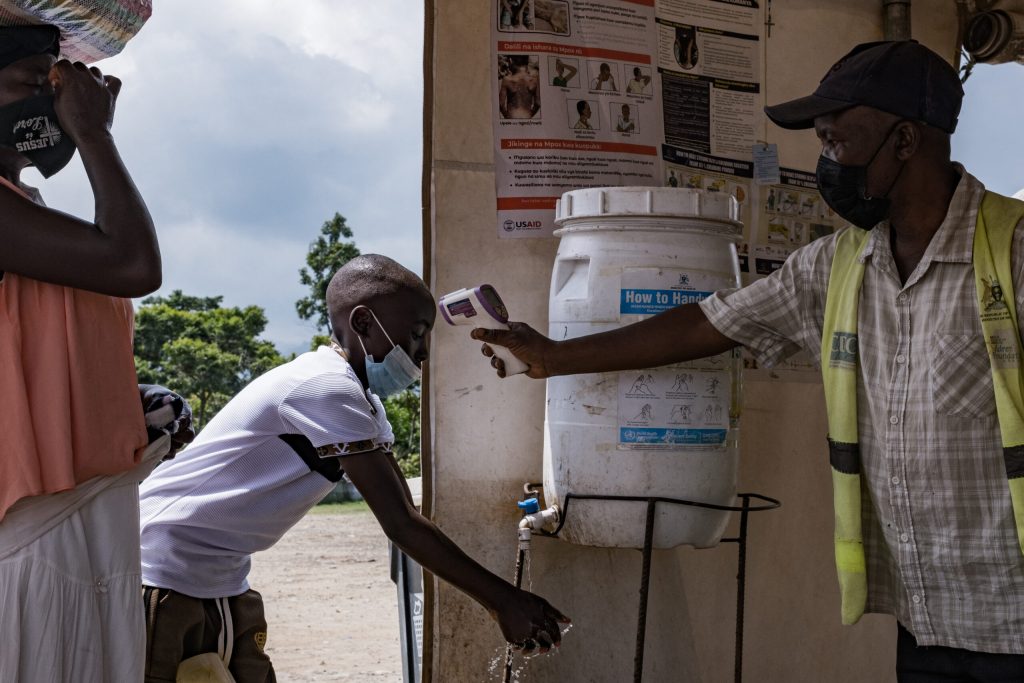
Uganda confirmed its first imported case of Bundibugyo virus on 16 May 2026: a Congolese national who had crossed from DRC and died in Kampala, the Ugandan capital, after receiving care at a hospital. A second laboratory-confirmed case was subsequently identified in the capital. Uganda’s Ministry of Health activated emergency protocols, set up isolation facilities, and began contact tracing. Health workers at Kibuli Muslim Hospital and other Kampala facilities began rigorous temperature screening of all incoming patients.
Uganda has encountered Ebola before — most recently during the 2022 Sudan strain outbreak in Mubende District — and its health system has developed considerable institutional knowledge in outbreak response. However, the Bundibugyo strain’s arrival in a major urban center like Kampala introduces complexities absent from rural outbreak management, including high population density, extensive informal housing, and challenges in contact tracing across crowded urban spaces.

The International Dimension: Rwanda and Neighboring States
Rwanda has no confirmed Ebola cases as of 19 May 2026, but the country is on maximum alert. The DRC-Rwanda border sees approximately 45,000 crossings per day at key points in Rubavu and Rusizi. Rwanda’s Ministry of Health has implemented temperature screening at all border posts, issued travel advisories discouraging non-essential travel to affected DRC regions, and activated trained volunteer and medical responder networks. At the height of the 2019 DRC Ebola outbreak, Rwanda had trained over 23,600 medical personnel, police officers, and Red Cross volunteers — a foundation now being rapidly expanded.
The confirmation of a case in Goma — directly bordering Rwanda’s Rubavu district — has intensified Rwandan preparations dramatically. The Rwanda-DRC border was reported closed except for holders of international flight tickets on 18–19 May 2026. Rwanda’s Health Minister visited Rubavu District personally to assess local preparedness and reinforce community messaging. South Sudan, Burundi, and Tanzania have also heightened surveillance given the region’s complex cross-border mobility patterns.
WHO Declaration: Public Health Emergency of International Concern
On 16 May 2026, WHO Director-General Dr. Tedros Adhanom Ghebreyesus consulted with affected State Parties and formally declared the Ebola Bundibugyo outbreak in DRC and Uganda a Public Health Emergency of International Concern (PHEIC) — the highest alert classification under the International Health Regulations (IHR). Dr. Tedros clarified that the outbreak does not yet meet the criteria for a ‘pandemic emergency,’ but that neighboring countries face elevated risk of further spread.
WHO’s rationale for the PHEIC declaration included several key factors:
- A rapidly growing case count, with suspected cases rising from initial dozens to nearly 500 within days of confirmation.
- Multiple deaths among healthcare workers, signaling institutional transmission and IPC breakdown.
- The Bundibugyo strain’s status as a rare pathogen for which no approved vaccine or drug exists.
- Confirmed cross-border spread to Uganda, with a case detected in Goma threatening further urban and cross-border propagation.
- Ongoing armed conflict and humanitarian crisis in the epicenter area limiting response capacity.
- A four-week detection gap resulting in uncontrolled community transmission before the outbreak was formally identified.
The declaration triggers international obligations under IHR for all member states to cooperate with WHO’s response coordination. Temporary recommendations for State Parties have been issued, covering surveillance, cross-border preparedness, travel health guidance, and resource mobilization.

International Response and Containment Efforts
WHO and Partners
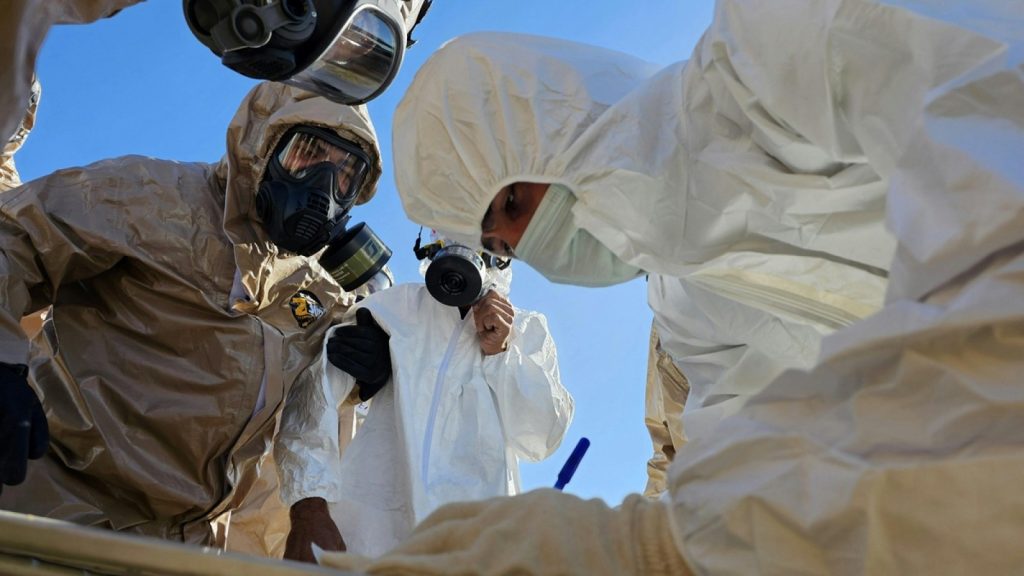
WHO has deployed Rapid Response Teams to Ituri Province and is coordinating case management, laboratory confirmation networks, and community engagement activities. Safe treatment centers are being established in affected health zones. WHO is also supporting cross-border preparedness with Uganda, Rwanda, South Sudan, and Burundi.
United States CDC
The United States Centers for Disease Control and Prevention activated its incident management structure immediately upon notification and deployed experts from its DRC and Uganda country offices. On 18 May 2026, CDC and the Department of Homeland Security implemented enhanced travel screening and entry restrictions under Title 42 — a public health law enabling the suspension of entry rights during communicable disease emergencies. Non-US passport holders who have traveled to DRC, Uganda, or South Sudan within the previous three weeks now face heightened scrutiny at US ports of entry.
Notably, an American — identified by the international charity Serge as Dr. Peter Safford, a Christian missionary physician — tested positive for Bundibugyo virus on 17 May 2026. CDC confirmed the positive result and coordinated with the US State Department to evacuate the patient and six other Americans at high risk from DRC to Germany, which has previous experience treating Ebola patients and offers shorter flight times from Central Africa. CDC assessed the immediate risk to the American public as low.
Médecins Sans Frontières (MSF)
MSF noted that this is only the third detected outbreak involving the Bundibugyo strain, underscoring the urgent need for research and therapeutic development. MSF teams are embedded in the affected zones providing clinical care and training local health workers in appropriate IPC protocols.
African Union and Africa CDC
The Africa Centres for Disease Control and Prevention (Africa CDC) has activated its Emergency Operations Center and is coordinating with DRC and Uganda national health authorities on supply chain logistics — including personal protective equipment (PPE), diagnostic reagents, and deployment of trained responders through the Africa CDC’s Emergency Medical Teams framework.
Key Challenges Complicating the Response
No Approved Vaccine or Therapeutic
Unlike the Zaire strain of Ebola — for which two vaccines (rVSV-ZEBOV and Ad26.ZEBOV/MVA-BN-Filo) and one approved treatment (Inmazeb/Atoltivimab) exist — the Bundibugyo strain has no approved preventive or curative medical countermeasures. This absence fundamentally limits the conventional outbreak response toolkit that proved effective in controlling previous DRC outbreaks. Researchers are now racing to assess whether any existing experimental candidates could be repurposed, but no near-term solution is expected.
Conflict and Insecurity in Ituri Province
Eastern DRC is one of the world’s most protracted conflict zones. Armed groups operating across Ituri Province regularly restrict the movement of humanitarian workers, disrupt supply chains, and create an environment of fear that deters communities from seeking healthcare or engaging with contact tracers. The M23 rebel coalition’s control of Goma further complicates governance, healthcare delivery, and international coordination in the city where a case has already been confirmed.
Unsafe Burial Practices and Community Transmission
Traditional burial practices across parts of eastern DRC and Uganda involve close contact with deceased bodies, creating high-risk transmission events. Health communicators and community health workers face significant social and cultural resistance when attempting to implement safe and dignified burial protocols, particularly in communities with limited trust in formal health systems or foreign responders.
Urban Spread Risk
The detection of a case in Kampala — a city of over three million people — and in Goma — a densely populated urban hub — represents a qualitative escalation compared to rural outbreaks. Urban Ebola transmission is exponentially harder to contain due to population density, high mobility, informal settlements with limited sanitation, and the difficulty of comprehensive contact tracing. The 2014-2016 West Africa Ebola epidemic, which killed over 11,000 people and spread internationally, demonstrated the catastrophic potential of urban Ebola transmission if containment fails.
Delayed Detection and Alert Fatigue
The four-week gap between the index case’s symptom onset and laboratory confirmation is a critical systemic failure. In communities burdened by malaria, typhoid, and other febrile diseases, Ebola’s early symptoms are indistinguishable without laboratory testing. Building clinical index of suspicion requires sustained training, functioning rapid diagnostic capacity, and communication systems — all of which remain insufficient in Ituri Province.
Historical Context: Ebola in East and Central Africa
Year | Country/Region | Strain | Cases | Deaths | Outcome |
1976 | DRC (Zaire) | Zaire | 318 | 280 | Contained |
1995 | DRC (Kikwit) | Zaire | 315 | 254 | Contained |
2000–01 | Uganda (Gulu) | Sudan | 425 | 224 | Contained |
2007–08 | Uganda (Bundibugyo) | Bundibugyo | 149 | 37 | Contained — first BVD detection |
2012 | DRC (Province Orientale) | Bundibugyo | 77 | 36 | Contained — second BVD detection |
2014–16 | West Africa (Guinea, Sierra Leone, Liberia) | Zaire | 28,616 | 11,310 | International epidemic |
2018–20 | DRC (North Kivu / Ituri) | Zaire | 3,481 | 2,299 | Largest DRC outbreak ever |
2022 | Uganda (Mubende) | Sudan | 164 | 55 | Contained |
Sep–Dec 2025 | DRC (Kasai Province) | Zaire | 64 | 45 | Ended December 2025 |
May 2026– | DRC (Ituri) & Uganda | Bundibugyo | ~500+ | 116+ | ONGOING — PHEIC declared |
Public Health Measures Across the Region
Democratic Republic of the Congo
- Activation of national incident management coordination with the Ministry of Health and INRB (Institut National de Recherche Biomédicale).
- Deployment of Rapid Response Teams to all nine affected health zones in Ituri.
- Establishment of three Ebola Treatment Centers (ETCs) in Bunia and surrounding areas.
- Strengthened laboratory confirmation capacity and specimen transport protocols.
- Community engagement campaigns to promote safe burial practices and symptom reporting.
- Contact tracing operations, hampered by conflict but ongoing in accessible areas.
Uganda
- Identification and isolation of the index case in Kampala; immediate contact tracing initiated.
- Temperature screening and Ebola protocol activation at Kibuli Muslim Hospital and other Kampala facilities.
- Alert notifications sent to all health facilities nationwide.
- Enhanced surveillance at all borders, particularly the DRC border crossings.
- WHO travel health notice issued for Uganda.
Rwanda
- Temperature screening reinstated at all border posts with DRC (Rubavu-Goma, Rusizi) and Uganda (Gatuna, Kagitumba).
- Border closure implemented for non-essential travelers; open only to international flight ticket holders.
- Travel advisories issued discouraging visits to affected DRC regions.
- Ministry of Health deployed teams to Rubavu District; Minister personally visited the border area.
- Activation of existing trained responder network of over 23,600 personnel.
- Community sensitization campaigns distributing brochures on Ebola symptoms and prevention.
United States
- CDC invoked Title 42 on 18 May 2026, restricting entry of non-US passport holders from DRC, Uganda, and South Sudan.
- Enhanced arrival screening at US airports for travelers from affected regions.
- Evacuation of American cases and high-risk contacts to Germany for treatment.
- CDC travel health notice issued for DRC and Uganda.
Outlook and Risk Assessment
The 2026 Ebola Bundibugyo outbreak is the most serious Ebola event in Africa since the 2018–2020 DRC North Kivu/Ituri epidemic. Several factors make the coming weeks critical:
- Whether transmission chains in Goma can be rapidly identified and broken before the virus spreads further in that urban center or across the Rwanda border.
- Whether contact tracing and ring surveillance in Kampala can prevent further spread in Uganda’s capital.
- Whether the international medical and humanitarian response can penetrate insecurity-affected areas of Ituri Province effectively enough to interrupt community transmission.
- Whether accelerated research efforts can identify any existing therapeutic or vaccine candidate that could be deployed under emergency authorization for the Bundibugyo strain.
WHO has explicitly stated that while this is a PHEIC, it does not meet the criteria for a ‘pandemic emergency’ at this stage. However, with a growing case count, an urban footprint, cross-border spread, and no medical countermeasures, the window for effective containment is narrow. The international community must heed lessons from the 2014-2016 West Africa epidemic: delayed, under-resourced responses to initially ‘small’ outbreaks can result in catastrophic humanitarian consequences.
For East Africa and the broader region, the 2026 Bundibugyo outbreak is a stark reminder that the region’s complex interplay of armed conflict, porous borders, under-resourced health systems, and high population mobility creates a uniquely challenging environment for epidemic disease control. Sustained investment in health system strengthening, surveillance infrastructure, community health worker training, and research into neglected viral hemorrhagic fevers is not merely a public health imperative — it is a regional security necessity.
Conclusion
The Ebola Bundibugyo outbreak of 2026 has rapidly evolved from an undetected cluster of deaths in a remote Congolese hospital into a declared international public health emergency, with confirmed cases in Uganda’s capital and a case in Goma — a border city adjacent to Rwanda. The absence of any approved vaccine or treatment, the four-week detection delay, ongoing armed conflict in the epicenter, and the risk of urban and cross-border spread collectively define this as one of the most challenging Ebola scenarios East Africa has confronted.
The response now underway — by WHO, CDC, MSF, Africa CDC, and the governments of DRC, Uganda, and Rwanda — is the most critical it can be. Every day of delay in breaking transmission chains increases exponentially the risk of wider geographic spread. The world is watching East Africa, and the health systems of the region are being tested in ways that will define their institutional capacity and global credibility for years to come.
Is it safe to travel ? Country – Specific Guidance
Democratic Republic of Congo — High Risk
DO NOT TRAVEL TO ITURI PROVINCE OR GOMA (DRC) The US State Department and CDC advise against all non-essential travel to Ituri Province. CDC Travel Notice: Level 2 — Enhanced Precautions for all of DRC. Outbreak epicenters (Bunia, Mongbwalu, Rwampara) are in conflict zones with collapsed healthcare. A confirmed case in Goma escalates risk in a major transit and commercial hub. Non-US passport holders who travel to DRC face a 21-day US entry ban upon return. No approved vaccine or treatment is available for the Bundibugyo strain. |
The DRC outbreak area presents multiple compounding risks: active Ebola transmission, armed insecurity, extreme pressure on under-resourced health facilities, and extremely limited evacuation options. All tourism activities in eastern DRC — including gorilla trekking in Virunga National Park — should be cancelled or indefinitely postponed.
If you must travel to DRC for essential humanitarian, diplomatic, or medical purposes: consult your government’s travel advisory, obtain comprehensive medical evacuation insurance, register with your embassy before departure, and coordinate closely with your organization’s security and health teams.
Uganda — Exercise Caution
UGANDA: EXERCISE HEIGHTENED CAUTION — MONITOR ACTIVELY CDC Travel Health Notice: Level 1 — Practice Usual Precautions (for Uganda overall). Two confirmed Ebola cases were detected in Kampala; no further confirmed spread as of May 18. Avoid all non-essential travel within 50 km of the DRC border. Kampala and major tourist areas remain open but require heightened personal vigilance. The situation is rapidly evolving — check advisories before and during your trip. Comprehensive travel insurance including medical evacuation coverage is strongly recommended. |
Uganda has a functioning health system with well-established Ebola response protocols, developed through previous outbreaks in 2000, 2007, 2012, and 2022. Kampala as a whole remains accessible for essential travel, but travelers should avoid unnecessary crowded settings and maintain rigorous hygiene practices.
Popular tourist destinations such as Bwindi Impenetrable National Park (gorilla trekking), Queen Elizabeth National Park, and Murchison Falls are geographically distant from the current outbreak areas and remain accessible with caution. Key regions to avoid include areas near the DRC border: Bundibugyo District, Kasese (near Rwenzori), and areas near the South Sudan border.
Rwanda — Monitor Closely
RWANDA: MONITOR SITUATION — NORMAL TRAVEL WITH AWARENESS No confirmed Ebola cases in Rwanda as of May 19, 2026. Rwanda is categorized HIGH RISK by WHO due to a confirmed case in adjacent Goma, DRC. Enhanced screening is active at Kigali International Airport and all DRC border crossings. Avoid non-essential travel to border districts (Rubavu/Gisenyi district near Goma). Kigali and most of Rwanda remain at low direct risk for now. Stay updated through Rwanda’s Ministry of Health and WHO advisories before and during travel. |
Rwanda possesses one of the strongest public health systems in sub-Saharan Africa, with a proven track record of rapid outbreak response. Kigali remains functional and relatively safe for ordinary business and tourism travel at this time.
However, travelers planning to cross into eastern DRC from Rwanda — a common route for NGO workers, researchers, and some tourists visiting Virunga National Park — are strongly advised to postpone those plans until the situation stabilizes. The DRC-Rwanda border crossing at Rubavu/Gisenyi is directly adjacent to Goma where a case has been confirmed.
Essential Traveler Health Advice
How to Protect Yourself
- Avoid all direct contact with bodily fluids of any person who is ill, especially those with fever, rash, or unexplained bleeding.
- Do not attend traditional burials or funerals in outbreak areas where contact with the deceased may occur.
- Wash hands frequently with soap and water, or use an alcohol-based hand sanitizer (at least 60% alcohol).
- Avoid contact with wildlife — including bats, non-human primates, and other wild animals — which can carry ebolaviruses.
- Avoid consuming or handling bushmeat (wild animal meat), which may be a source of infection.
- Seek medical attention immediately if you develop any symptoms within 21 days of traveling to an affected area.
- Inform your healthcare provider of your recent travel history if you feel unwell after returning home.
Before You Travel
- Consult your government’s official travel advisory: US State Department, UK FCDO, Canada Global Affairs, Australian DFAT.
- Purchase comprehensive travel insurance that includes medical treatment and emergency medical evacuation.
- Register with your country’s embassy or consulate in the destination country before departure.
- Visit a travel medicine clinic or your doctor for country-specific health recommendations.
- Download and bookmark WHO and CDC outbreak update pages for real-time information during your trip.
If You Develop Symptoms After Travel
- Monitor yourself for fever, rash, muscle pain, weakness, vomiting, and diarrhoea for 21 full days after leaving an affected area.
- If symptoms develop, call ahead to a healthcare facility before going — do NOT walk in without prior warning.
- Inform medical staff immediately of your recent travel history to Uganda, DRC, or Rwanda.
- Avoid public transport and minimize contact with others while awaiting medical assessment.