
Gorilla Conservation in Rwanda: Protecting Giants in the Heart of Africa
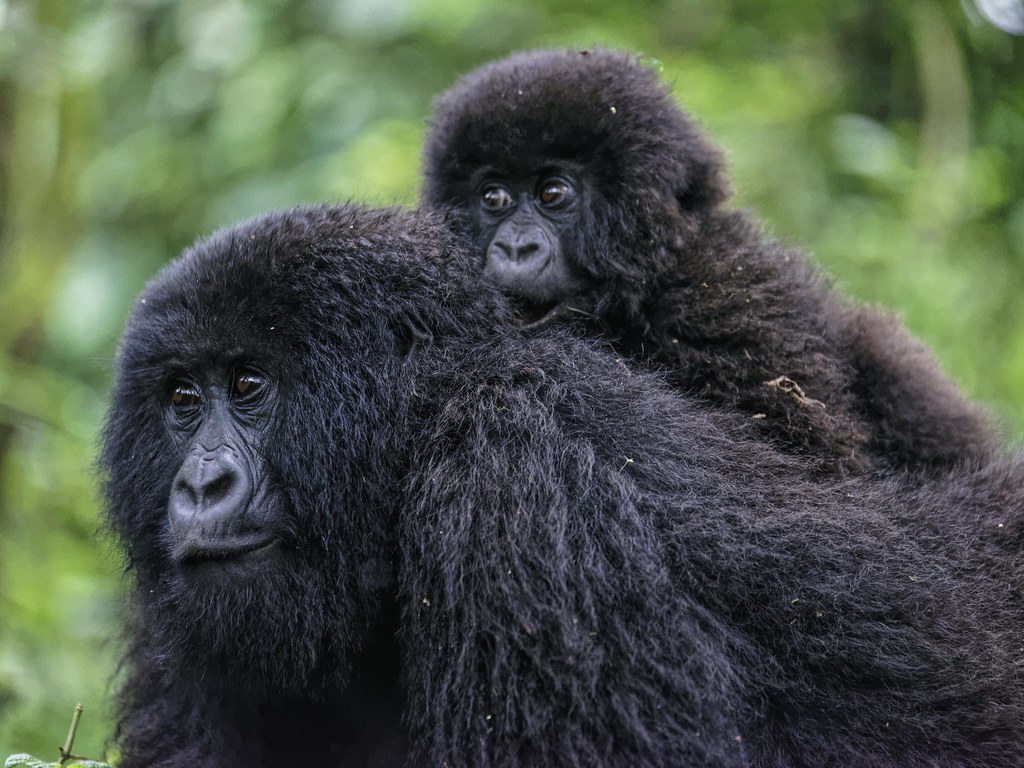
Gorilla conservation in Rwanda stands as a shining example of how science, policy, and community collaboration can come together to protect some of the planet’s most endangered species. Rwanda has become a global leader in wildlife protection, and nowhere is this more evident than in the safeguarding of its mountain gorillas. Volcanoes National Park, home to these magnificent primates, represents a triumph of structured conservation strategies that combine regulated tourism, ecological management, veterinary care, and economic incentives for local communities.
The story of Rwanda’s success begins with understanding the enormity of the challenge. Mountain gorillas are critically endangered, confined to a small, fragile habitat within the Virunga Massif, which stretches across Rwanda, Uganda, and the Democratic Republic of Congo. Protecting these primates requires constant vigilance, sustainable funding, and a forward-thinking approach that carefully balances human development with wildlife preservation.
What makes Rwanda’s model truly innovative is how it integrates ecological protection with economic sustainability. Every visitor to the park, every gorilla permit purchased, and every tourism activity directly contributes to the protection of gorilla populations while benefiting surrounding communities. By turning tourism into a tangible conservation tool, Rwanda demonstrates that responsible, regulated travel can generate long-lasting impact, ensuring these gentle giants survive for generations to come.

From Crisis to Conservation Success: Historical Threats and Turning Points
Mountain gorillas were once on the brink of extinction. In the mid-20th century, rampant habitat destruction, political instability, and poaching decimated populations. Forests were cleared for agriculture, snares were set for bush meat, and illegal wildlife trade created additional pressure. By the 1980s and early 1990s, the global mountain gorilla population had dwindled to critically low numbers, sparking international concern.
The turning point in Rwanda came through research, advocacy, and structured intervention. Pioneers like Dian Fossey brought global awareness to the plight of gorillas, highlighting the urgent need for protection. Yet awareness alone could not ensure survival. Rwanda recognized that conservation required sustainable financing, strong institutional support, and strict regulatory frameworks.
This realization led to the introduction of regulated gorilla tourism. Unlike mass tourism models, Rwanda implemented a low-volume, high-value approach that limited visitor numbers, ensured guided interactions, and generated significant revenue for conservation. By restricting access and establishing strict permit controls, the country created a financial backbone capable of supporting anti-poaching patrols, veterinary teams, and habitat protection programs. This disciplined approach transformed gorilla conservation from emergency crisis management into a sustainable, science-driven system.
Tourism as a Force for Conservation: Regulated Gorilla Tourism
Rwanda’s approach to gorilla tourism exemplifies how travel can directly support wildlife protection. Only eight visitors are allowed per gorilla family per day, and viewing sessions are strictly limited to one hour. Health protocols ensure minimal disease transmission, reflecting Rwanda’s commitment to scientific management rather than guesswork.
Permit fees are intentionally set at a premium, ensuring that revenue generation prioritizes conservation over tourist volume. Each visitor becomes an active contributor, funding anti-poaching patrols, ranger salaries, veterinary services, and community projects. This high-value, low-volume model keeps gorilla encounters intimate, sustainable, and safe while generating significant resources for long-term protection.
Tourism revenue is carefully allocated. It is not absorbed into general budgets but used to fund operational essentials and community programs that reinforce the link between wildlife conservation and human well-being. Guided treks are strictly monitored to maintain safety and minimize environmental impact. This system transforms each tourist experience into a meaningful act of conservation, ensuring that Rwanda’s gorilla population continues to grow while local communities see tangible benefits from wildlife protection.
Guardians of the Forest: Anti-Poaching Patrols and Security
The frontline of Rwanda’s gorilla protection is its dedicated ranger corps. Rangers patrol Volcanoes National Park daily, removing snares, monitoring gorilla groups, and preventing illegal entry into the forest. Their work requires physical endurance, in-depth knowledge of terrain, and constant communication with park headquarters.
Although poaching has decreased significantly in recent years, vigilance remains critical. The park is bordered by agricultural land, which increases the risk of encroachment. Rangers maintain clear boundary lines, respond swiftly to illegal activity, and ensure that gorillas can roam safely within their habitat.
Rwanda also collaborates with Uganda and the Democratic Republic of Congo to monitor cross-border gorilla populations in the Virunga Massif. Mountain gorillas do not recognize national borders, so regional cooperation strengthens conservation efforts and ensures that security protocols are consistent across the entire ecosystem.
The success of these patrols relies on sustainable funding, rigorous training, and community support. Tourism revenue guarantees operational continuity, allowing rangers to maintain an effective, well-equipped, and highly motivated conservation force dedicated to safeguarding Rwanda’s most iconic wildlife.
Protecting the Health of Giants: Veterinary Monitoring and Disease Management
Mountain gorillas face unique health risks because of their close genetic relationship to humans. Respiratory infections, parasites, and injuries from snares pose constant threats to their survival. Rwanda’s conservation model incorporates specialized veterinary teams that actively monitor gorilla health and intervene when necessary.
Veterinary interventions have saved countless gorillas over the years. Teams carefully remove snares, treat injuries, and provide critical care during illness outbreaks. Rapid response is essential when disease threatens a group, preventing further mortality and ensuring population stability.
Tourism protocols reinforce health safeguards. Visitors showing symptoms of contagious illness are denied participation, and minimum-distance rules help minimize disease transmission. This integration of veterinary science into conservation policy demonstrates Rwanda’s commitment to proactive, evidence-based protection rather than reactive measures.
By combining rigorous monitoring, medical intervention, and preventive strategies, Rwanda has set a global benchmark for wildlife health management, ensuring mountain gorillas thrive in a safe, well-protected environment.
Sharing the Wealth: Community Revenue and Local Partnerships
Rwanda recognizes that long-term conservation success depends on community support. A percentage of gorilla permit revenue is allocated directly to local communities surrounding Volcanoes National Park. These funds finance schools, clinics, clean water projects, and small business initiatives, creating tangible economic incentives for residents to protect wildlife.
Employment opportunities in guiding services, lodges, and park operations further embed conservation into the local economy. By linking livelihoods directly to wildlife preservation, Rwanda ensures that communities have a vested interest in protecting the gorillas and their habitat.
This revenue-sharing model also fosters pride and stewardship. Residents no longer view the park as restricted land but as a shared asset providing long-term economic benefits. Aligning conservation and development has proven one of Rwanda’s most effective strategies, demonstrating that protecting wildlife and supporting human communities can be mutually reinforcing.
Protecting Their Home: Habitat Management and Ecological Care
Volcanoes National Park encompasses high-altitude rainforest shaped by volcanic soils, frequent rainfall, and unique biodiversity. Protecting this fragile ecosystem requires active management to maintain vegetation health, prevent erosion along trekking routes, and restore degraded buffer zones.
Bamboo forests, a primary food source for gorillas, are carefully monitored to ensure year-round availability. Reforestation programs restore areas impacted by human activity, supporting both wildlife and watershed stability. Maintaining plant diversity ensures that gorillas, birds, and other species thrive in a balanced ecosystem.
Habitat protection also safeguards vital water systems flowing into surrounding agricultural communities. Rwanda treats forest management as both an environmental responsibility and a national priority, recognizing that healthy ecosystems sustain wildlife populations and human livelihoods simultaneously.
Measuring Success: Population Growth and Conservation Achievements
The effectiveness of Rwanda’s conservation model is evident in the measurable recovery of mountain gorilla populations. Over recent decades, their numbers have steadily increased, reversing historic declines. Although the species remains endangered, the upward trend demonstrates the impact of sustained protection, scientific management, and community engagement.
International organizations recognize Rwanda’s achievements. The mountain gorilla’s status improved from critically endangered to endangered, reflecting tangible recovery. Each step forward illustrates the power of disciplined policy, adequate funding, and adaptive management.
While the success is remarkable, it is not complete. Continuous monitoring, patrol enforcement, and veterinary care remain essential. Rwanda’s approach proves that long-term planning and structured conservation strategies produce measurable, lasting results for endangered species.
Facing the Future: Ongoing Challenges and Long-Term Responsibility
Despite tremendous progress, challenges remain. Habitat space is limited, human population growth near park borders continues, and climate change may affect food availability and vegetation patterns. Disease remains a constant concern, requiring ongoing vigilance.
Rwanda’s conservation framework must remain adaptive. Continued investment in ranger patrols, veterinary science, and community programs is essential. Tourism management must balance ecological capacity with visitor demand to prevent overuse of fragile habitats.
Long-term success depends not on short-term achievement but on sustained commitment. Rwanda demonstrates that wildlife recovery requires continuous effort, collaboration, and strategic planning to ensure mountain gorillas thrive for generations to come.
Final Reflections: Rwanda’s Model for Global Conservation
Gorilla conservation in Rwanda is a testament to what structured, science-based, and community-aligned strategies can achieve. By combining strict visitor regulations, ranger protection, veterinary care, and local revenue-sharing, Rwanda has created a system that benefits wildlife and people simultaneously.
The forests of Volcanoes National Park serve as living proof that endangered species recovery is possible when conservation policy aligns with financial sustainability and community partnership. Every gorilla permit purchased directly supports this ongoing success, turning tourism into a meaningful contribution to global biodiversity preservation.
Support Gorilla Conservation with Your Visit
Volcanoes National Park organizes professionally managed gorilla trekking experiences in Volcanoes National Park. Every permit secured through us directly funds ranger patrols, veterinary care, and community programs, ensuring your visit supports conservation.
We coordinate all logistics, including lodge accommodations and guided treks, creating a seamless, responsible, and memorable safari experience. By visiting Rwanda, travelers become part of one of Africa’s most successful wildlife protection stories.

Leave A Comment