
Gorilla Conservation Success Stories in Rwanda
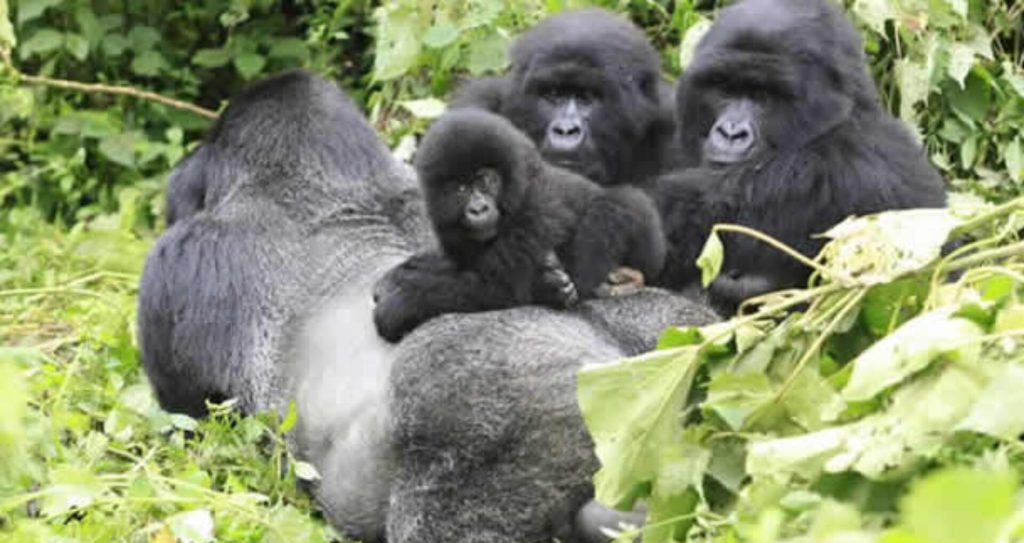
Gorilla Conservation Success Stories in Rwanda: Gorilla conservation in Rwanda is one of the most inspiring wildlife success stories of the modern era. Over the past several decades, a combination of scientific research, structured tourism, and community-driven initiatives has transformed the fate of one of Africa’s most iconic species, the mountain gorilla. Once on the brink of extinction, these gentle giants have now seen a steady rise in population, thanks to persistent conservation efforts. The story of their recovery is not only about saving a species; it is a testament to the power of disciplined intervention, regional collaboration, and long-term planning. Rwanda, particularly through Volcanoes National Park, has become a model of how human determination can restore balance to fragile ecosystems while creating economic opportunities for local communities. Visitors from around the globe now have the rare privilege of observing gorillas in their natural habitat, knowing that their tourism fees directly support the ongoing protection and welfare of these animals. This story is emblematic of what is possible when conservation is integrated with science, sustainable tourism, and local engagement. The mountain gorilla is no longer just a symbol of what is endangered, it represents hope, resilience, and the tangible success of carefully designed environmental policies that benefit both wildlife and people.

Population Recovery from Critical Decline
The dramatic recovery of mountain gorilla populations in Rwanda is nothing short of remarkable. In the late 20th century, the global population of mountain gorillas had dwindled to fewer than 300 individuals, primarily due to habitat destruction, poaching, and regional instability. These threats were compounded by human encroachment, deforestation, and the use of deadly snares, which often caught unintended targets such as gorillas. Through decades of coordinated conservation, these trends have reversed. Today, the global mountain gorilla population exceeds 1,000 individuals, with Rwanda hosting a significant portion within Volcanoes National Park. This turnaround reflects a shift from reactive emergency interventions to proactive population management. Conservation strategies have included habitat protection, anti-poaching patrols, and veterinary care, all backed by rigorous scientific research. The species’ reclassification from “critically endangered” to “endangered” marks an unprecedented achievement in African wildlife recovery, demonstrating that focused funding and policy enforcement can halt even severe declines. Population growth is now closely monitored, ensuring that each gorilla family remains healthy and that new generations are thriving. Rwanda’s success provides a blueprint for other countries facing wildlife crises, showing that structured and sustained efforts can transform a species’ future from near extinction to a thriving, stable population.
The Role of Long-Term Research
Scientific research has been at the heart of mountain gorilla conservation in Rwanda. The foundation of this work began with the pioneering efforts of Dian Fossey at the Karisoke Research Center, where years of meticulous observation revealed crucial insights into gorilla behavior, social structures, and health. Long-term studies enabled conservationists to develop safe habituation methods, which later allowed controlled tourism to flourish without harming the gorillas. Research also provided data on reproductive patterns, family hierarchies, and the impacts of environmental changes, forming the basis for informed management strategies. Today, research teams continue to monitor gorilla families meticulously, tracking birth and mortality rates, health trends, and disease outbreaks. This constant stream of data allows interventions to be timely and precise, ensuring the long-term survival of these animals. Moreover, research informs veterinary care, anti-poaching strategies, and even tourism policies, demonstrating how science and conservation can work hand in hand. By combining decades of observation with modern technology, Rwanda has created a conservation model in which knowledge directly translates into effective action. The mountain gorilla is not only protected but understood, making research a cornerstone of this ongoing success story.
Anti-Poaching Impact and Snare Removal
Poaching once posed a severe threat to Rwanda’s mountain gorillas. In previous decades, wire snares set for other animals frequently injured or killed gorillas. These hidden dangers, combined with illegal hunting, created a crisis for the species’ survival. Today, thanks to sustained anti-poaching efforts, the situation has changed dramatically. Ranger patrols now cover the entirety of Volcanoes National Park, removing snares and preventing new ones from being set. Community intelligence networks assist in detecting illegal activity, ensuring rapid responses to threats. When gorillas are injured, veterinary teams provide immediate care, often saving lives that would have been lost in earlier years. This holistic approach, which combines law enforcement, veterinary support, and community involvement, has significantly reduced the number of poaching incidents. The shift from frequent injuries to minimal threats illustrates how strategic and persistent conservation measures can neutralize long-standing dangers. Moreover, local communities now see tangible benefits in protecting gorillas, further discouraging poaching. This combined strategy demonstrates that when law enforcement, science, and community engagement work together, even the most persistent threats to wildlife can be effectively managed, creating a safe environment for gorillas to thrive.
Veterinary Intervention and Health Monitoring
Mountain gorillas are highly susceptible to diseases due to their close genetic relationship with humans. Recognizing this vulnerability, Rwanda implemented structured veterinary programs that play a critical role in conservation. Specialized veterinary teams intervene when gorillas are injured by snares or become sick, providing treatments that prevent complications and improve survival rates. Routine health monitoring ensures that potential outbreaks are identified early, reducing risks to entire gorilla families. Tourist interactions are carefully regulated through strict distance rules and health screenings to prevent the transmission of respiratory infections, which can be fatal for gorillas. Veterinary intervention extends beyond treatment, it also involves vaccination campaigns, post-injury rehabilitation, and ongoing research into disease prevention. This integration of medical science into wildlife conservation represents a significant evolution in protecting endangered species, turning what was once reactive care into proactive management. By combining clinical expertise with fieldwork, Rwanda ensures that mountain gorillas receive the highest standard of health care, contributing to population stability and long-term survival. The veterinary program is now an essential component of the country’s broader conservation strategy, illustrating how science and compassion work together to safeguard these incredible animals.
Community Revenue Sharing and Local Partnership
A defining feature of Rwanda’s gorilla conservation strategy is the integration of local communities. Revenue generated from gorilla trekking permits is shared with nearby villages, funding schools, clinics, water systems, and small businesses. By tying economic benefits directly to conservation, communities develop a vested interest in protecting wildlife. Employment opportunities in guiding, hospitality, and park operations further encourage local stewardship. Instead of seeing the forest as restricted or dangerous land, residents now view it as a source of income and pride. Community engagement also strengthens enforcement of anti-poaching measures, as locals report illegal activity and participate in sustainable land management. By aligning conservation with tangible social benefits, Rwanda has created a model in which environmental protection and human development reinforce each other. This approach has not only improved gorilla survival but also elevated the quality of life for surrounding communities. It highlights that successful conservation is not solely about protecting animals but about fostering partnerships that balance ecological and social needs. The empowerment of local communities ensures that mountain gorilla protection is a shared responsibility, creating a sustainable framework that can endure for generations.
The High-Value, Low-Volume Tourism Model
Rwanda’s decision to implement a high-value, low-volume tourism strategy has been instrumental in protecting mountain gorillas. By limiting each habituated gorilla family to eight visitors per day, the park maintains ecological balance while generating sufficient revenue for conservation efforts. This model prevents overcrowding, reduces stress on the animals, and ensures that each visitor experiences a meaningful encounter. Permit fees fund ranger patrols, veterinary programs, research initiatives, and community projects, creating a self-sustaining cycle of protection and benefit. The approach balances tourism with ecological integrity, demonstrating that economic development does not need to compromise wildlife welfare. International visitors are drawn by the opportunity to see gorillas up close, knowing that their fees contribute directly to conservation. This strategy has positioned Rwanda as a global leader in sustainable tourism, showing that careful regulation can maximize both conservation impact and visitor satisfaction. The high-value, low-volume model is a testament to strategic planning, demonstrating that thoughtful tourism can be a powerful tool for protecting endangered species. It proves that preserving wildlife and generating economic growth can go hand in hand when managed with foresight and care.
Cross-Border Cooperation within the Virunga Ecosystem
Mountain gorillas inhabit a range that spans Rwanda, Uganda, and the Democratic Republic of Congo, making cross-border collaboration essential. Joint patrols, shared research, and coordinated management strategies ensure consistent protection across political boundaries. These partnerships enhance data sharing, improve law enforcement, and strengthen regional conservation networks. By collaborating across borders, Rwanda and its neighbors create a contiguous safe habitat for gorillas, which is crucial for maintaining genetic diversity and long-term population stability. Coordinated anti-poaching efforts, veterinary interventions, and community programs ensure that conservation success is not limited to one country but benefits the entire Virunga ecosystem. This collaborative approach also fosters regional peace and trust, demonstrating that wildlife protection can unite countries around a common goal. Cross-border cooperation has become a cornerstone of gorilla conservation, showing that effective wildlife management transcends national boundaries and requires collective responsibility. The mountain gorilla’s recovery in the Virunga Massif is a compelling example of how international collaboration can safeguard endangered species while promoting broader ecological stability.
Global Recognition and Inspiration
Rwanda’s conservation achievements have drawn international attention, establishing Volcanoes National Park as a model of integrated wildlife management. The story of mountain gorilla recovery has inspired similar programs worldwide, proving that endangered species can rebound through discipline, research, and community involvement. Conservationists often cite Rwanda as an example of how structured funding, law enforcement, and tourism policies can transform ecosystems. Beyond environmental impact, the success story demonstrates the socio-economic benefits of sustainable wildlife management, linking human development with ecological protection. Mountain gorillas have become ambassadors of conservation, illustrating the tangible outcomes of proactive strategies and long-term investment. Rwanda’s approach emphasizes that recovery requires patience, planning, and collaboration rather than short-term interventions. The international community now looks to Rwanda for lessons in wildlife protection, habitat restoration, and sustainable tourism. Mountain gorilla conservation serves as a global symbol of hope, proving that even species on the verge of extinction can thrive when science, policy, and local engagement work in harmony.
Continuing the Success Story
Despite the remarkable gains, mountain gorilla conservation remains an ongoing responsibility. Habitat limitations, climate change, and increasing human populations continue to pose challenges. Ensuring long-term stability requires continued monitoring, sustained funding, and proactive management. Every new gorilla birth in Volcanoes National Park is a reminder of what effective conservation can achieve, but it also signals the need for vigilance. Ongoing research, veterinary care, anti-poaching patrols, and community partnerships must continue without interruption. Adaptation to environmental changes and emerging threats is crucial to maintain the species’ upward trajectory. Rwanda’s conservation framework is designed to evolve with new challenges, emphasizing resilience, sustainability, and foresight. The success story is not static; it is a living process, demonstrating that conservation is a long-term commitment requiring dedication, collaboration, and innovation. Each generation of gorillas nurtured in the park reflects the enduring effectiveness of Rwanda’s comprehensive and integrated approach.
Be Part of the Success Story
Visitors can contribute directly to mountain gorilla conservation through organized trekking experiences in Volcanoes National Park. Every permit purchased supports ranger patrols, veterinary interventions, research, and community development projects. By choosing responsible tourism, visitors become active participants in preserving one of Africa’s most iconic species. Professionally managed experiences ensure minimal environmental impact while providing meaningful engagement with wildlife. Each encounter strengthens the link between conservation funding and tangible outcomes, creating a sustainable cycle of protection. Beyond the thrill of observing gorillas in their natural habitat, tourists leave knowing their presence contributes to the species’ long-term survival. Volcanoes National Park has set a global standard, demonstrating how tourism can be leveraged for both economic and ecological benefit. By participating, visitors directly support one of the world’s most successful conservation stories and help ensure that mountain gorillas continue to thrive for generations to come.

Leave A Comment