
Gorilla Doctors of Volcanoes National Park: The Lifesavers Behind Rwanda’s Mountain Gorillas
Gorilla Doctors of Volcanoes National Park: The Lifesavers Behind Rwanda’s Mountain Gorillas highlights the extraordinary efforts of veterinarians working tirelessly to protect endangered mountain gorillas within Rwanda’s famous Volcanoes National Park. Deep within the fog-covered forests and volcanic slopes of northern Rwanda, these dedicated wildlife specialists spend their days tracking gorilla families, monitoring their health, and responding to medical emergencies in challenging natural conditions. Unlike traditional veterinarians who operate from clinics, Gorilla Doctors carry out their work in dense rainforest environments where every rescue mission demands patience, skill, and courage.
Mountain gorillas remain one of the world’s most threatened primate species due to dangers such as disease, habitat loss, and illegal poaching activities. Protecting them requires continuous monitoring and rapid medical response whenever injuries or illnesses arise. Gorilla Doctors play a major role in this conservation effort by treating wounded gorillas, preventing the spread of infections, and supporting the long-term survival of gorilla populations in the Virunga region.
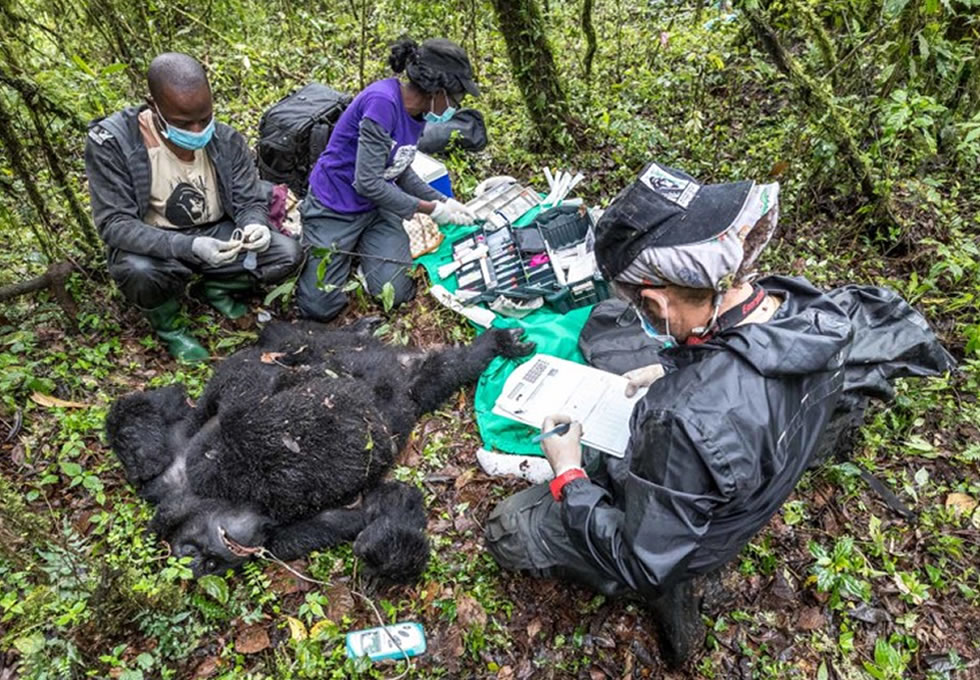
Their dedication has contributed greatly to the steady recovery of mountain gorillas in Rwanda. Although tourists visiting Volcanoes National Park often focus on the unforgettable trekking experience, much of the success behind gorilla conservation comes from the quiet but essential work of these veterinary teams protecting Rwanda’s gentle giants every day.
The Story Behind Gorilla Doctors
The Gorilla Doctors program was created in 1986 after urgent concerns emerged about the survival of mountain gorillas in Rwanda’s forested volcanic region. In the early 1980s, renowned primatologist Dian Fossey warned that mountain gorillas were rapidly declining due to poaching, injuries from wire snares, and diseases spreading from nearby human settlements and visitors to the forest. She strongly emphasized that without veterinary intervention in the wild, the species could face extinction.
At that time, injured gorillas received no formal medical care, and many died from treatable wounds or infections. Conservation experts concluded that protecting gorillas required direct veterinary support inside their natural habitat. This led to the arrival of American veterinarian Dr. James Foster in 1986, who established the Volcanoes Veterinary Center in Rwanda. This marked the beginning of organized wildlife veterinary care for mountain gorillas.
By 1995, the program had expanded its field activities and strengthened gorilla health monitoring and emergency treatment efforts. In 2009, the Mountain Gorilla Veterinary Project partnered with the Karen C. Drayer Wildlife Health Center at UC Davis, forming what is now known as Gorilla Doctors, with an expanded focus that also included Grauer’s gorillas.
As of 2026, the program marks 40 years of conservation medicine. During this time, mountain gorilla numbers have risen from about 248 individuals in the early 1980s to over 1,000 today. Gorilla Doctors continues to play a key role in this success by providing life-saving veterinary care and supporting long-term gorilla conservation in the region.
The Important Roles of Gorilla Doctors in Volcanoes National Park
Mountain gorillas are among the rarest animals in the world, and their survival depends heavily on conservation efforts inside protected forests. In Rwanda’s Volcanoes National Park, Gorilla Doctors play a major role in protecting these endangered primates. Their work goes far beyond simple treatment because they support gorilla health, conservation, research, and disease prevention every day. Without their efforts, mountain gorilla populations would face greater risks from injuries, infections, and human-related threats.
Gorilla Doctors work directly in the natural habitat of mountain gorillas. They move through forests, volcanic slopes, and bamboo-covered hills to monitor gorilla families living in the wild. Their commitment has helped improve the survival of many gorillas in Rwanda and across the Virunga region. These veterinarians have become an important part of wildlife conservation because they focus entirely on protecting gorilla health in their natural environment.
Their roles continue to grow as conservation challenges increase. Tourism, climate change, disease outbreaks, and habitat pressure all affect gorilla populations. Gorilla Doctors therefore remain essential to the future survival of mountain gorillas in Volcanoes National Park as described below;
Monitoring the Health of Mountain Gorillas
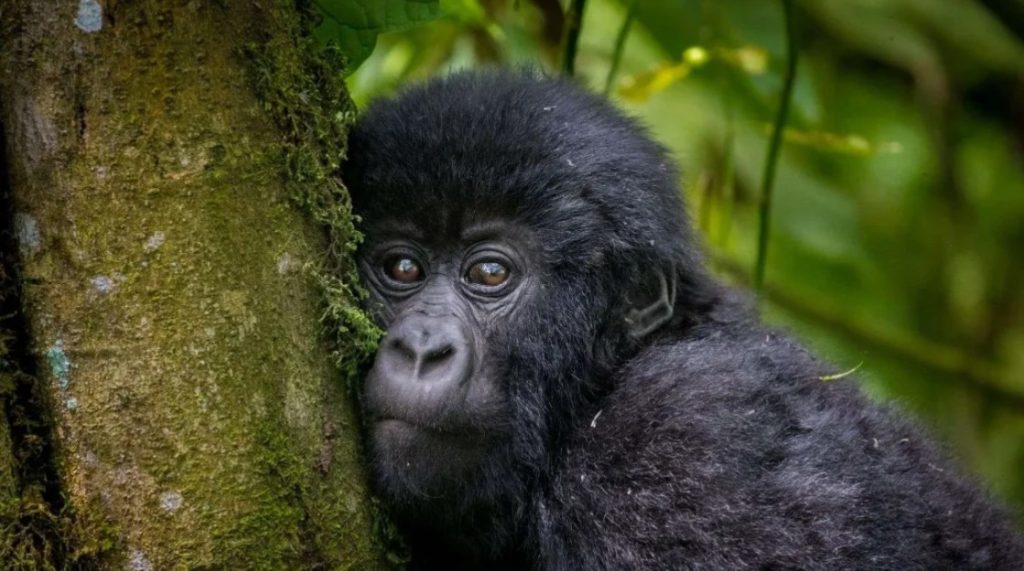
One of the main roles of Gorilla Doctors is monitoring the health of gorilla families living inside Volcanoes National Park. Veterinarians regularly visit habituated gorilla families to observe their physical condition and behavior.
During monitoring activities, the doctors look for signs of illness, injury, weakness, or unusual movement. A gorilla that stops eating, coughs frequently, or isolates itself from the group may require close observation. Early detection of health problems helps prevent conditions from becoming serious.
Health monitoring also allows veterinarians to understand long-term health patterns among mountain gorillas. They record information about births, injuries, disease outbreaks, and aging gorillas. This data supports conservation planning and helps researchers understand gorilla population trends.
Regular observation is important because gorillas often hide signs of sickness naturally. By studying behavior closely, Gorilla Doctors can identify problems before they threaten an entire gorilla family.
This role remains critical because mountain gorillas live in relatively small populations. Protecting the health of each individual contributes directly to the survival of the species.
Treating Injured Gorillas in the Wild
Gorilla Doctors are responsible for treating injured mountain gorillas whenever medical intervention becomes necessary. Injuries in the wild may result from snares, falls, fights between gorillas, or accidents within the forest.
Poachers’ snares remain one of the most common causes of injury. Although these traps are usually intended for smaller animals, gorillas sometimes become trapped accidentally. Wire snares can cut deeply into the skin and cause dangerous infections if not removed quickly.
When a serious injury is identified, Gorilla Doctors organize field interventions inside the forest. The veterinary team carefully approaches the gorilla and may use sedation to allow safe treatment. They then clean wounds, remove traps, provide medication, and monitor recovery.
Since the natural environment is unpredictable, treating gorillas in the wild takes expertise and experience. Veterinarians must work around strong silverbacks, rough terrain, and changing weather conditions while ensuring the safety of the entire gorilla group.
Their ability to provide emergency care has saved many gorillas that would otherwise have died from untreated injuries.

Preventing Disease Transmission
Disease prevention is another major responsibility of Gorilla Doctors in Volcanoes National Park. Mountain gorillas are highly vulnerable to human diseases because they share a close genetic relationship with people.
Respiratory infections are especially dangerous for gorillas. A common cold, flu, or cough from humans can spread quickly among gorilla families and become fatal. Gorilla Doctors therefore work to reduce the risk of disease transmission between humans and gorillas.
Veterinarians support strict gorilla trekking guidelines designed to protect gorilla health. Tourists and guides are encouraged to keep a safe distance from gorillas and avoid visiting the park when sick. Hygiene practices are also promoted during trekking activities.
Gorilla Doctors regularly monitor gorilla families for signs of infectious disease. If symptoms appear, they assess the situation quickly and decide whether intervention is necessary.
Their disease prevention role became even more important during global health outbreaks. Conservation teams strengthened protective measures around gorilla tourism to reduce the risk of introducing dangerous viruses into gorilla habitats.
Through these efforts, Gorilla Doctors help maintain healthy gorilla populations while supporting safe wildlife tourism in Rwanda.
Conducting Veterinary Research
Research is another important role performed by Gorilla Doctors. Veterinary research helps scientists understand the health challenges facing mountain gorillas and improves conservation strategies for the future.
During forest monitoring, veterinarians collect samples such as feces, hair, or respiratory materials for laboratory analysis. These samples help researchers identify diseases, parasites, bacteria, and nutritional conditions affecting gorillas.
Research also helps conservationists track how environmental changes influence gorilla health. Climate conditions, habitat quality, and human activity all affect wildlife populations over time.
The information collected by Gorilla Doctors contributes to scientific studies focused on gorilla behavior, reproduction, disease management, and conservation planning. Their findings support wildlife protection programs throughout the Virunga region.
Veterinary research has also improved emergency response systems for gorilla health problems. By understanding common diseases and injury patterns, Gorilla Doctors can react more effectively when medical situations occur in the forest.
This role continues to strengthen global understanding of wildlife conservation and endangered species management.
Supporting Gorilla Conservation Efforts
Gorilla Doctors play a direct role in supporting mountain gorilla conservation in Volcanoes National Park. Their veterinary work helps improve gorilla survival rates and contributes to population growth.
Healthy gorillas reproduce more successfully and maintain stronger family structures. By treating injuries and preventing disease outbreaks, veterinarians help ensure gorilla families remain stable over time.
Additionally, Gorilla Doctors’ presence enhances the park’s larger conservation initiatives. Their collaboration with rangers, researchers, and tourism authorities creates a stronger protection system for wildlife.
Conservation efforts benefit greatly from public confidence in gorilla protection. Visitors and international supporters are more willing to support conservation projects when they see active efforts to protect gorilla health.
Gorilla Doctors therefore contribute not only to veterinary care but also to the overall success of Rwanda’s wildlife conservation strategy.
Their work has become one of the reasons mountain gorilla populations have slowly increased in recent years.
Educating Communities and Tourists
Education forms another key responsibility of Gorilla Doctors in Volcanoes National Park. Conservation success depends heavily on awareness among local communities, park staff, and tourists.
Gorilla Doctors help educate people about the importance of protecting mountain gorillas and preventing disease transmission. They explain how human behavior can affect wildlife health and why conservation rules must be respected.
Tourists visiting for gorilla trekking receive guidance about proper behavior around gorillas. Visitors learn why maintaining distance, avoiding littering, and following ranger instructions are essential for gorilla safety.
Programs for environmental education also help local communities. Residents living near the park are encouraged to support wildlife protection and understand the economic value of gorilla tourism.
Educational outreach helps reduce harmful activities such as poaching and habitat destruction. It also encourages future generations to participate in conservation efforts.
By sharing knowledge and raising awareness, Gorilla Doctors strengthen long-term protection for mountain gorillas and their forest habitat.
Assisting During Gorilla Emergencies
Emergency response is one of the most demanding roles of Gorilla Doctors. Wildlife emergencies can occur suddenly, requiring fast decisions and immediate action.
When gorillas suffer severe injuries or signs of dangerous illness, veterinarians respond quickly to assess the situation. Some emergencies involve respiratory outbreaks, while others result from snares, accidents, or violent encounters between gorilla families.
Field interventions often require teamwork between veterinarians, trackers, and park rangers. The forest environment makes emergency treatment difficult because access to gorilla families may involve long hikes through challenging terrain.
During medical interventions, Gorilla Doctors carefully sedate injured gorillas to allow treatment. The process must be done safely to avoid stress or injury to the animal and the rest of the gorilla family.
Their ability to handle emergencies effectively has become one of the strongest pillars of mountain gorilla conservation in Rwanda.
Quick response times often mean the difference between life and death for injured gorillas living in the wild.
Protecting Future Gorilla Generations
Another important role of Gorilla Doctors involves protecting future generations of mountain gorillas. Conservation is not only about saving gorillas today but also ensuring healthy populations continue existing for decades to come.
Veterinarians help monitor reproductive health within gorilla families. Healthy females are more likely to produce healthy offspring, while stable family groups improve infant survival rates.
Young gorillas, who are particularly susceptible to diseases, are also protected by disease prevention. Gorilla Doctors therefore help secure the long-term future of gorilla populations through consistent health monitoring and medical care.
Their work supports sustainable conservation efforts that benefit wildlife, tourism, and local communities at the same time.
By protecting both adult gorillas and newborn infants, Gorilla Doctors continue shaping a stronger future for mountain gorillas in Volcanoes National Park.
Why Mountain Gorillas Need Protection
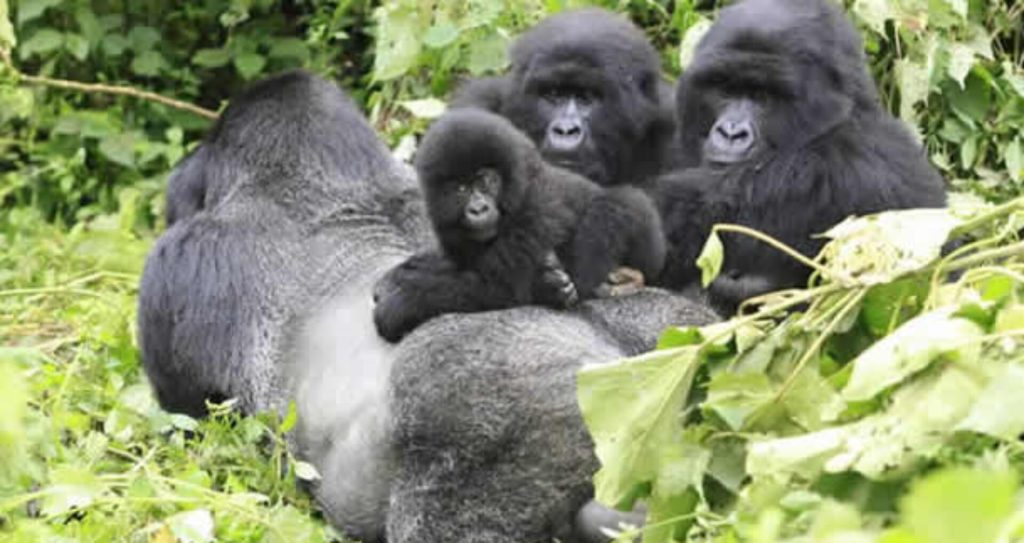
Mountain gorillas live in small populations, making every individual extremely important. Unlike many wildlife species, gorillas reproduce slowly. Female gorillas give birth only after several years, meaning population recovery takes a long time.
One of the greatest dangers facing gorillas is disease. Because gorillas are closely related to humans, they can catch human illnesses easily. A simple flu or cough that may seem harmless to people can become deadly for gorillas living in the forest.
Tourism has also increased the need for medical monitoring. Thousands of visitors travel to Volcanoes National Park every year to see mountain gorillas. While tourism supports conservation financially, it also increases the risk of spreading infections.
Gorilla Doctors help reduce these dangers by monitoring gorilla health daily. They work with park authorities to encourage safe tourism practices, including keeping distance from gorillas and avoiding visits while sick.
Another major threat comes from illegal snares. Poachers usually place traps for small animals, but gorillas sometimes get caught accidentally. These wire traps can cause severe wounds, infections, and permanent injuries if not treated quickly.
Without Gorilla Doctors, many injured gorillas would not survive in the wild.
A Day in the Life of a Gorilla Doctor
The daily routine of Gorilla Doctors is both physically demanding and emotionally challenging. Their day often begins before sunrise as they prepare to enter the forest with trackers and park rangers.
Finding gorilla families can take several hours. The terrain inside Volcanoes National Park is steep, muddy, and covered with thick vegetation. Even experienced veterinarians must hike long distances to reach gorilla families.
Once they locate a gorilla family, the veterinarians begin observing carefully. They look for coughing, limping, wounds, unusual behavior, or signs of weakness. Sometimes they simply monitor the animals quietly from a distance.
In emergency situations, Gorilla Doctors may need to intervene immediately. If a gorilla is badly injured or trapped in a snare, the team carefully prepares treatment inside the forest itself. The process requires skill and patience because gorillas are powerful animals that live in close family groups.
Sedating a gorilla is one of the most delicate procedures. Veterinarians must work quickly while ensuring the safety of the animal and the rest of the gorilla family. Rangers help keep the group calm during treatment.
Despite the hard conditions, many Gorilla Doctors describe their work as deeply rewarding because every successful treatment gives a gorilla another chance to survive.
Remarkable Gorilla Rescue Stories
Over the years, Gorilla Doctors have handled many unforgettable rescue missions in Volcanoes National Park. A few of these tales demonstrate the significance of veterinary treatment in the protection of mountain gorillas.
In one case, a young gorilla was discovered with a wire snare tightly wrapped around its arm. The injury had caused swelling and severe pain, making movement difficult. The veterinary team quickly organized an emergency operation deep in the forest.
After carefully sedating the gorilla, the doctors removed the snare and cleaned the wound before infection spread further. The gorilla later recovered and returned to normal life with its family group.
Another rescue involved a respiratory illness spreading among members of a gorilla family. Several gorillas began coughing and showing signs of breathing problems. Gorilla Doctors monitored the group closely and treated the sick animals before the outbreak became more serious.
The veterinarians have also responded to injuries caused by fights between silverbacks. Gorilla conflicts can sometimes leave deep wounds that require urgent medical attention.
These rescue efforts continue to show how one intervention can save an entire gorilla family from future loss.
Gorilla Tourism and Conservation Success
Volcanoes National Park has become one of Africa’s leading wildlife tourism destinations because of mountain gorillas. Travelers from around the world visit Rwanda for gorilla trekking experiences, bringing major benefits to conservation and local communities.
Tourism revenue supports national parks, ranger patrols, conservation projects, and veterinary programs like Gorilla Doctors. It also creates jobs for local people working as guides, porters, hotel staff, drivers, and community leaders.
This connection between tourism and conservation has helped reduce poaching around the park. Many local residents now see gorillas as valuable wildlife worth protecting instead of hunting.
Gorilla Doctors also benefit from this tourism industry because conservation funding supports their operations in the forest. Equipment, medicine, transport, and veterinary research all require financial support.
Responsible tourism remains extremely important. Visitors are encouraged to follow park rules carefully to protect gorilla health. Keeping a safe distance, avoiding littering, and staying home when sick all help reduce disease risks.
Rwanda’s conservation model has shown the world that tourism can successfully support wildlife protection when managed properly.
Challenges Gorilla Doctors Still Face
Even with conservation success, Gorilla Doctors continue facing many challenges in their work. Human population growth around Volcanoes National Park remains a major concern. As communities expand, pressure on gorilla habitat increases.
Climate change may also affect forest ecosystems in the future. Changes in rainfall and temperatures could impact gorilla food sources and forest conditions.
Disease outbreaks remain another serious threat. Because gorillas are vulnerable to human illnesses, veterinary teams must remain alert at all times. New diseases can spread quickly if not controlled early.
Funding also remains important for long-term conservation. Veterinary work in remote mountain forests requires trained professionals, medical supplies, transport, and scientific equipment. Maintaining these services requires constant support.
Political instability in neighboring regions can also affect conservation efforts across the wider Virunga ecosystem. Despite these difficulties, Gorilla Doctors continue adapting their strategies to protect gorillas more effectively.
Their determination has become a symbol of hope for endangered wildlife conservation across Africa.
The Future of Gorilla Conservation
Compared to decades ago, the future of mountain gorillas appears more promising now. Gorilla populations have slowly increased because of conservation programs, veterinary care, anti-poaching patrols, and responsible tourism.
Gorilla Doctors continue playing a central role in this progress. Their medical interventions help injured gorillas recover while disease monitoring improves overall population health.
Technology is also improving conservation work. Researchers now use advanced tracking systems, laboratory testing, and health monitoring tools to understand gorilla populations better.
Education programs are helping local communities appreciate the importance of protecting wildlife and forests. Young people in Rwanda are becoming more involved in environmental conservation than ever before.
The story of Gorilla Doctors proves that wildlife conservation can succeed when dedication, science, and community support work together.

Conclusion
Gorilla Doctors have become true guardians of mountain gorillas in Volcanoes National Park. Their work goes far beyond veterinary medicine because they help secure the future of one of the world’s most endangered animals.
Every rescued gorilla, every treated wound, and every prevented disease outbreak represents another step toward long-term survival for mountain gorillas. Through dedication and courage, Gorilla Doctors continue protecting these gentle giants in one of Africa’s most beautiful forests.
Today, visitors trekking through Volcanoes National Park can witness healthy gorilla families living peacefully in the wild. Behind that unforgettable experience is a veterinary team working tirelessly in the background to ensure mountain gorillas continue thriving for generations to come.