
How Current Fuel Prices Are Affecting Travel to Volcanoes National Park as of 2026
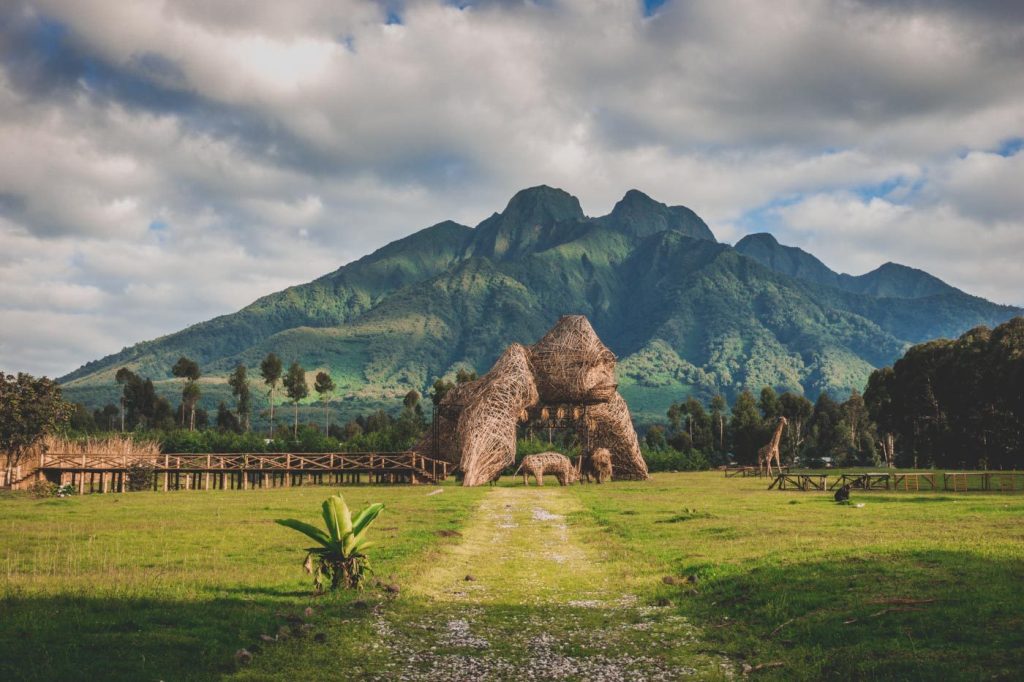
How Current Fuel Prices Are Affecting Travel to Volcanoes National Park as of 2026 is becoming an important topic in Rwanda’s tourism industry as rising transport costs continue to influence travel experiences across the country. Volcanoes National Park remains one of the most admired tourist destinations in Africa because of its mountain gorillas, volcanic landscapes, thick forests, and unforgettable wildlife encounters. Located in northern Rwanda, the park attracts thousands of visitors every year who travel to experience gorilla trekking, volcano hiking, bird watching, and cultural tourism activities.
As tourism continues growing in Rwanda, the increase in fuel prices is beginning to affect how tourists plan and manage their trips. Transportation companies now spend more money moving travelers between Kigali and Musanze. Tour operators are also facing higher expenses because safari vehicles require large amounts of fuel for daily operations. Hotels and lodges near the park are equally affected since fuel is needed for food deliveries, electricity backup, and guest transport services.
As of 2026, many tourists are spending more money on travel compared to previous years. Some visitors are shortening their vacations while others are choosing budget accommodation and shared transportation to control costs. Tourism businesses are also adjusting prices because maintaining operations has become more expensive.
Despite these financial challenges, Volcanoes National Park continues attracting travelers from around the world because of its natural beauty and unique wildlife experiences. However, current fuel prices are clearly changing the overall cost and structure of tourism around the park.
Rising Transport Costs Are Affecting Travelers
Transportation is one of the most important parts of tourism around Volcanoes National Park. Most travelers begin their journey in Kigali before traveling to Musanze District, where the park headquarters are located. The trip may take several hours depending on traffic and weather conditions.
As fuel prices continue rising in 2026, transportation costs have also increased significantly. Safari vehicles consume large amounts of fuel, especially during long-distance travel through mountainous roads. Tour operators now spend more money operating vehicles every day.
Tourists hiring private safari vehicles now pay higher transportation fees than before. Drivers and tour companies have increased prices to recover fuel expenses and vehicle maintenance costs. This situation affects both international tourists and local travelers planning visits to the park.
Public transportation has also become more expensive. Bus fares between Kigali and Musanze have increased because transport companies are trying to manage rising operational costs. Motorcycle taxis and local transport services near the park are also charging higher prices.
Many tourists are now searching for affordable travel alternatives. Some travelers choose group tours to share fuel expenses with other visitors. Others reduce the number of destinations included in their travel plans.
Peak tourism seasons create additional pressure because demand for safari vehicles increases while fuel prices remain high. During these periods, transportation becomes even more expensive for tourists visiting the park.
Transportation remains necessary for tourism growth, but current fuel prices are making travel planning more difficult for many visitors in 2026.
Gorilla Trekking Has Become More Costly
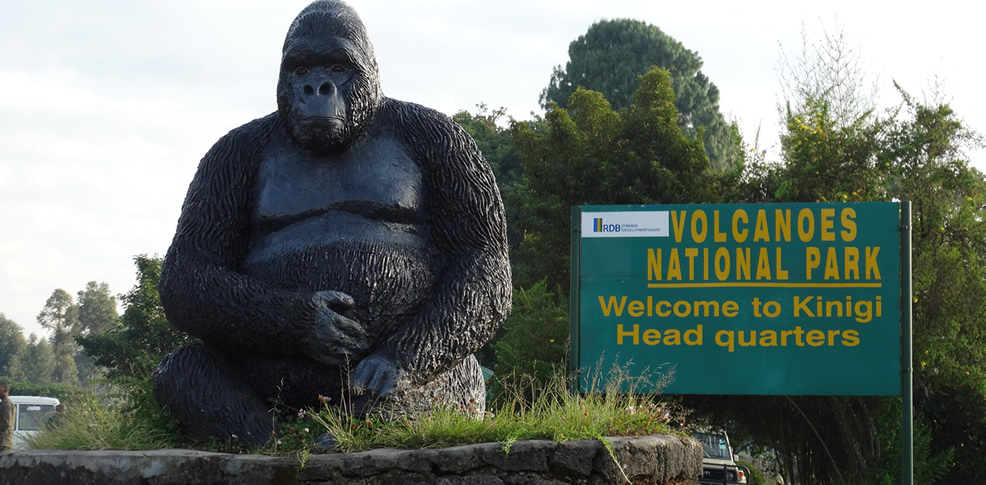
Mountain gorilla trekking remains the biggest attraction at Volcanoes National Park. Many tourists consider the experience a once-in-a-lifetime adventure because it allows visitors to observe mountain gorillas in their natural environment.
However, rising fuel prices are increasing the total cost of gorilla trekking safaris. Tour operators rely heavily on transportation to move tourists, guides, porters, and equipment to different trekking locations inside the park.
A traveler booking a gorilla trekking safari in 2026 may notice that transportation charges are much higher compared to previous years. Some tourists who once planned long safaris across Rwanda now prefer shorter visits because travel costs continue increasing.
A traveler who originally planned to visit Volcanoes National Park, Lake Kivu, and Nyungwe Forest may now choose only one destination to reduce expenses. This affects tourism spending across different regions of the country.
Budget travelers are especially affected because the overall cost of travel continues rising. Some visitors postpone their gorilla trekking dreams while others search for shared safari packages to reduce costs.
Despite these financial challenges, many tourists still prioritize gorilla trekking because of its uniqueness. Seeing mountain gorillas closely in the wild remains one of the most emotional wildlife experiences in Africa.
Tour companies are also introducing flexible travel packages and shared transport options to help tourists continue visiting the park despite rising fuel prices.
Accommodation Prices Continue to Increase
Hotels and lodges near Volcanoes National Park are also facing the effects of rising fuel costs. Hospitality businesses depend heavily on transportation for food supply, cleaning services, maintenance, and guest transfers.
As fuel prices rise in 2026, hotels spend more money running daily operations. These additional costs eventually affect tourists through increased room rates and service charges.
Luxury lodges are among the most affected because they offer high-end services such as airport pickups, private tours, heated rooms, and fine dining experiences. These services require constant transportation and energy supply.
Mid-range hotels are also struggling to balance service quality with rising operational expenses. Some accommodations are reducing extra services while others increase prices to survive difficult business conditions.
Budget travelers are finding it harder to secure affordable accommodation near the park. Guesthouses and small lodges that once provided low-cost travel options are now adjusting their prices because of increased fuel-related expenses.
Tourists staying near the park may notice that meals, local transport, and laundry services cost more than before. Food prices are also increasing because suppliers spend more money transporting goods to tourism areas.
Some visitors now choose accommodations located farther from the park headquarters because they are cheaper. However, this may increase daily transport expenses and travel time.
The hospitality sector around Volcanoes National Park continues adapting to changing fuel costs while trying to maintain quality services for travelers.
Local Businesses and Communities Are Feeling the Pressure
Communities living near Volcanoes National Park depend heavily on tourism activities for employment and income. Many local residents work as guides, drivers, hotel staff, craft sellers, farmers, and porters.
As fuel prices continue increasing, local businesses are experiencing financial pressure. Farmers transporting vegetables, fruits, and other products to hotels now spend more money on fuel. This increases food prices in local markets and tourism facilities.
Craft sellers are also affected because tourists are becoming more careful with spending. Visitors who already face expensive transport and accommodation costs may reduce shopping activities during their trips.
A tourist who once purchased several handmade souvenirs after gorilla trekking may now buy fewer items to save money. This directly affects local artisans and small business owners around the park.
Small tour companies are also struggling because safari vehicles require large amounts of fuel during long-distance trips. Rising operational costs reduce profits and create financial uncertainty.
Despite these challenges, tourism continues supporting many families near Volcanoes National Park. Local communities still benefit from jobs and visitor spending connected to tourism activities.
Some businesses are now introducing affordable group tours and community tourism experiences to attract more travelers while reducing costs.
Travelers Are Changing Their Tourism Habits
Current fuel prices are changing how tourists plan their visits to Volcanoes National Park in 2026. Many travelers are becoming more careful when preparing travel budgets.
Group travel is becoming increasingly popular because tourists can share transportation expenses. Friends, families, and organized safari groups now split travel costs to reduce financial pressure.
Some visitors are shortening their vacations to save money. Instead of taking long safaris across Rwanda, travelers now focus only on major attractions such as gorilla trekking.
For instance, a tourist who planned to explore multiple destinations may now choose only Volcanoes National Park because transportation costs have become too high.
Travelers are also comparing accommodation prices more carefully before making reservations. Many tourists now prefer mid-range hotels instead of luxury lodges.
Online travel discussions and booking platforms are helping tourists search for affordable safari packages and discounts. Some travelers also prefer visiting during low tourism seasons when accommodation and transportation prices are lower.
Even though travel costs are rising, many visitors still choose Volcanoes National Park because of its natural beauty and unforgettable wildlife experiences.
Sustainable Tourism Could Help the Future
The increase in fuel prices is encouraging tourism businesses to focus more on sustainable tourism practices. Some safari companies are investing in fuel-efficient vehicles to reduce operational costs.
Shared transportation services are also becoming more common because they lower fuel consumption and reduce travel expenses for tourists.
Some lodges near Volcanoes National Park are using solar energy instead of depending heavily on fuel-powered generators. Others support local farming to reduce transportation expenses related to food supplies.
Sustainable tourism helps reduce environmental damage while lowering operational costs for tourism businesses. It also supports nearby communities by encouraging local production and reducing unnecessary transport activities.
Travelers are becoming more interested in environmentally friendly tourism experiences. Many tourists now prefer accommodations and safari companies that support conservation and responsible tourism practices.
If sustainable tourism continues growing, it may help reduce some of the long-term pressure caused by rising fuel prices.

Conclusion
As of 2026, current fuel prices are having a major impact on travel to Volcanoes National Park. Transportation costs, accommodation prices, safari packages, and tourism services have all become more expensive because fuel prices continue rising.
Tour operators, hotels, local businesses, and nearby communities are all trying to adjust to changing economic conditions. Many tourists are now shortening their trips, joining group tours, and reducing activities to manage travel expenses.
Despite these financial challenges, Volcanoes National Park remains one of Africa’s most attractive wildlife destinations. Gorilla trekking, volcanic scenery, and Rwanda’s conservation success continue attracting visitors from around the world.
Tourism businesses are also introducing affordable travel packages, shared transport options, and sustainable tourism practices to support travelers.
Although current fuel prices are creating pressure across the tourism industry, Volcanoes National Park still offers unforgettable experiences that continue inspiring travelers and wildlife lovers in 2026.