
Kibale National Park vs Nyungwe National Park: The Ultimate Chimpanzee Trekking Comparison in East Africa.
Kibale National Park vs Nyungwe National Park: The Ultimate Chimpanzee Trekking Comparison in East Africa is one of the most important comparisons for travelers planning a primate safari in East Africa. Chimpanzees are humanity’s closest living relatives, sharing 98.8% DNA and displaying fascinating social behaviors that captivate visitors from around the world. Watching a troop of wild chimpanzees feed, communicate, groom one another, and swing through the forest canopy is an experience that remains unforgettable long after a safari ends.
Among East Africa’s leading chimpanzee destinations, Kibale National Park in Uganda and Nyungwe National Park in Rwanda stand out as the most popular choices. Both parks offer exceptional chimpanzee encounters, breathtaking rainforest scenery, rich biodiversity, and unique wildlife experiences. However, each destination delivers a different style of adventure.
 Some travelers are attracted to Kibale National Park because of its outstanding chimpanzee tracking success rates and remarkable primate diversity. Others prefer Nyungwe National Park because of its dramatic mountain scenery, famous canopy walkway, extensive hiking network, and luxury tourism experiences.
The comparison of Kibale National Park vs Nyungwe National Park goes far beyond chimpanzee sightings. Accessibility, accommodation, permit costs, additional activities, conservation efforts, bird watching opportunities, and overall value for money all play important roles when choosing between these two exceptional rainforest destinations.
This guide explores every aspect of Kibale National Park vs Nyungwe National Park: The Ultimate Chimpanzee Trekking Comparison in East Africa to help travelers determine which destination best suits their interests, travel style, and budget.
Overview of the Two Parks
Understanding the character of each destination is essential when comparing Kibale National Park and Nyungwe National Park.
Kibale National Park is located in western Uganda and covers approximately 795 square kilometers. The park protects one of East Africa’s most beautiful tropical rainforests and is widely recognized as the primate capital of East Africa. It supports thirteen primate species and contains one of the highest concentrations of chimpanzees on the continent.
Nyungwe National Park is situated in southwestern Rwanda and covers more than 1,000 square kilometers. It is one of Africa’s oldest montane rainforests and forms part of the biologically rich Albertine Rift ecosystem. The park protects diverse habitats that support numerous primates, birds, mammals, and plant species.
Although both parks are famous for primates, they offer different environments. Kibale consists mainly of tropical rainforest with sections of grassland and wetlands. Nyungwe features mountain ridges, deep valleys, waterfalls, bamboo forests, and expansive rainforest landscapes.
Visitors often describe Kibale as a destination focused primarily on primates, while Nyungwe offers a broader rainforest experience that combines wildlife, adventure, and scenic exploration.
Chimpanzee Trekking Experience
Chimpanzee trekking remains the main attraction in both destinations and is often the deciding factor in the comparison of Kibale National Park vs Nyungwe National Park.
Kibale National Park is widely regarded as the best place in East Africa to trek chimpanzees. The park’s habituated chimpanzee communities are carefully monitored, resulting in exceptionally high success rates throughout the year. Visitors frequently observe chimpanzees feeding, grooming, resting, and communicating through loud calls deep within the forest.
The trekking experience in Kibale is generally well organized and suitable for a wide range of fitness levels. Trails are well established, and chimpanzees are often located within a reasonable distance from the starting point.
Nyungwe National Park also offers rewarding chimpanzee encounters. However, chimpanzees in Nyungwe tend to move across larger sections of forest, meaning treks can sometimes be longer and more demanding. The steep terrain and dense vegetation often make the experience feel more adventurous.
For travelers whose main objective is to maximize their chances of seeing chimpanzees, Kibale National Park usually has the advantage. Visitors seeking a more challenging rainforest adventure often appreciate Nyungwe’s trekking experience.
Chimpanzee Habituation Experience
Chimpanzee habituation is one of the most rewarding primate activities available in both Kibale National Park and Nyungwe National Park. Unlike standard chimpanzee trekking, which typically allows visitors to spend about one hour observing chimpanzees after they are located, habituation experiences provide significantly more time in the forest alongside researchers, guides, and trackers.
In Kibale National Park, participants usually join a team of researchers early in the morning and spend several hours following a chimpanzee community as it moves through the forest. This extended encounter offers a rare opportunity to observe feeding behavior, social interactions, communication, nesting habits, and daily movements in greater detail. The experience provides a deeper understanding of chimpanzee life and ongoing conservation efforts.
Nyungwe National Park also offers chimpanzee habituation experiences, allowing visitors to spend 4 hours observing chimpanzees beyond the standard trekking format. Participants gain valuable insights into the behavior and ecology of these remarkable primates while exploring one of Africa’s oldest rainforests.
While both parks provide excellent habituation opportunities, Kibale National Park is often considered the more established destination due to its larger habituated chimpanzee population and longer history of primate research. Nevertheless, travelers seeking an immersive and educational primate experience will find both Kibale and Nyungwe highly rewarding.
Primate Diversity
The comparison of Kibale National Park vs Nyungwe National Park extends beyond chimpanzees.
Kibale National Park supports thirteen primate species, including black-and-white colobus monkeys, red colobus monkeys, red-tailed monkeys, blue monkeys, vervet monkeys, olive baboons, and grey-cheeked mangabeys.
This remarkable concentration of primates has earned Kibale its reputation as one of Africa’s premier primate destinations.
Nyungwe National Park also supports thirteen primate species and is particularly famous for its large troops of Angolan colobus monkeys, which can number several hundred individuals. Visitors may also encounter L’Hoest’s monkeys, owl-faced monkeys, blue monkeys, vervet monkeys, and baboons.
Both parks offer exceptional primate viewing opportunities, but Kibale generally appeals more strongly to visitors whose primary interest is primate diversity.
Forest Landscapes and Scenic Beauty
Scenery plays a major role in the comparison of Kibale National Park and Nyungwe National Park.
Kibale National Park offers lush tropical rainforest landscapes filled with towering trees, dense vegetation, wetlands, and vibrant wildlife. Walking through the forest creates a strong sense of immersion within a thriving ecosystem.
The nearby crater lakes region adds another scenic dimension to the Kibale experience. Many visitors combine chimpanzee trekking with visits to these beautiful volcanic lakes.
Nyungwe National Park offers a more dramatic landscape. Rolling mountains, mist-covered valleys, waterfalls, and vast rainforest views create some of the most impressive scenery in East Africa.
Photographers are particularly drawn to Nyungwe because of its elevated viewpoints, changing weather patterns, and spectacular mountain vistas.
Adventure Activities in Nyungwe National Park
One of Nyungwe National Park’s greatest strengths is its variety of adventure activities.
The most famous attraction is the Nyungwe Canopy Walkway. Suspended approximately 70 meters above the forest floor, the bridge stretches across the treetops and offers breathtaking views of the rainforest and surrounding mountains. Zip lining and rope course adventures add an exciting dimension to Nyungwe National Park. Visitors glide above the forest canopy on zip lines and navigate elevated rope obstacles while enjoying spectacular rainforest views.
Nyungwe also contains more than 130 kilometers of hiking trails. These routes pass through waterfalls, bamboo forests, mountain ridges, and scenic viewpoints. Popular trails include the Igishigishigi Trail, Bigugu Trail, Kamiranzovu Trail, and Isumo Waterfall Trail.
Colobus monkey tracking is another popular activity. The park’s large monkey troops provide excellent wildlife viewing opportunities.
Bird watching, guided nature walks, photography excursions, and cultural experiences further enhance the visitor experience.
For travelers seeking adventure beyond chimpanzees, Nyungwe National Park offers one of the richest activity portfolios in East Africa.
Other Activities in Kibale National Park
Although chimpanzee trekking is the main attraction in Kibale National Park, the destination offers several other activities that enrich the visitor experience. One of the most popular attractions is the Bigodi Wetland Sanctuary, a community-managed conservation area known for its rich birdlife, diverse primates, and cultural experiences. Guided walks through the wetland provide opportunities to observe monkeys, colorful birds, butterflies, and unique plant species.
Visitors can also explore the scenic crater lakes that surround the park, offering beautiful viewpoints and excellent photography opportunities. Nature walks through the forest allow travelers to discover Kibale’s remarkable biodiversity while learning about its ecosystems from experienced guides. Cultural visits to nearby communities provide insight into local traditions, lifestyles, and conservation initiatives. Bird watching is another rewarding activity, as Kibale is home to hundreds of bird species. These experiences make Kibale National Park more than just a chimpanzee destination, allowing visitors to enjoy a diverse and immersive rainforest adventure.
Accessibility and Travel Logistics
Accessibility is an important factor when comparing the two parks.
Kibale National Park is located approximately five to six hours by road from Kampala or Entebbe. Many travelers combine Kibale with other Ugandan destinations such as Bwindi Impenetrable National Park or Queen Elizabeth National Park.
Domestic flights can reduce travel time for visitors seeking greater convenience.
Nyungwe National Park is approximately five to six hours by road from Kigali. Rwanda’s excellent road network makes travel smooth and comfortable.
Visitors arriving through Kigali International Airport often find it easy to combine Nyungwe with gorilla trekking in Volcanoes National Park.
Although both parks are accessible, Rwanda’s infrastructure often appeals to travelers seeking shorter and more comfortable transfers.
Accommodation Options
Accommodation is another important consideration in the comparison of Kibale National Park vs Nyungwe National Park.
Kibale National Park offers a wider variety of accommodation options across all budget levels. Budget travelers can find affordable lodges, guesthouses, and eco-camps close to the forest.
Mid-range lodges provide comfortable cottages, excellent dining, and beautiful forest views. Luxury travelers can choose from exclusive safari lodges that combine comfort, privacy, and exceptional wildlife experiences.
Nyungwe National Park offers a smaller selection of accommodation compared to Kibale National Park. The park’s only luxury lodge is One&Only Nyungwe House, which provides premium services, elegant rooms, excellent dining, and beautiful views of the surrounding rainforest and tea plantations. Mid-range options include Munazi Eco Lodge and Nyungwe Top View Hill Hotel, both offering comfortable stays and convenient access to park activities. Budget travelers can choose accommodations such as Uwinka Guest House and Chimpanzee Lodge. In comparison, Kibale National Park has a wider variety of lodges across all budget categories, making it a more flexible destination for different types of travelers.

Permit Costs and Value for Money
The cost of permits is often a key factor when deciding between Kibale National Park and Nyungwe National Park. Both destinations offer excellent chimpanzee trekking experiences, but the overall expenses can vary depending on travel style and budget. Kibale National Park is generally considered a more budget-friendly option, particularly for travelers looking to maximize value while enjoying world-class primate encounters. In addition to standard chimpanzee trekking permits, Kibale also offers chimpanzee habituation experiences, giving visitors the opportunity to spend extended time observing chimpanzees in their natural environment. A chimpanzee trekking permit costs USD250 in Kibale National Park
Nyungwe National Park also provides high-quality chimpanzee trekking experiences and well-managed tourism services. However, the overall cost of a visit can be higher due to accommodation standards, transportation arrangements, and other travel expenses within Rwanda. While Uganda often appeals to travelers seeking affordability, Rwanda attracts visitors who value convenience, excellent infrastructure, and premium tourism experiences. A tourists pays USD250 to trek the chimpanzees this comes along with park entrance fees.
Ultimately, both destinations offer rewarding experiences, with the best choice depending on individual preferences and travel priorities.
Bird watching Opportunities
Bird watchers often compare Kibale National Park and Nyungwe National Park when planning rainforest safaris.
Kibale National Park supports more than 375 bird species. The nearby Bigodi Wetland Sanctuary is especially renowned among birdwatching enthusiasts.
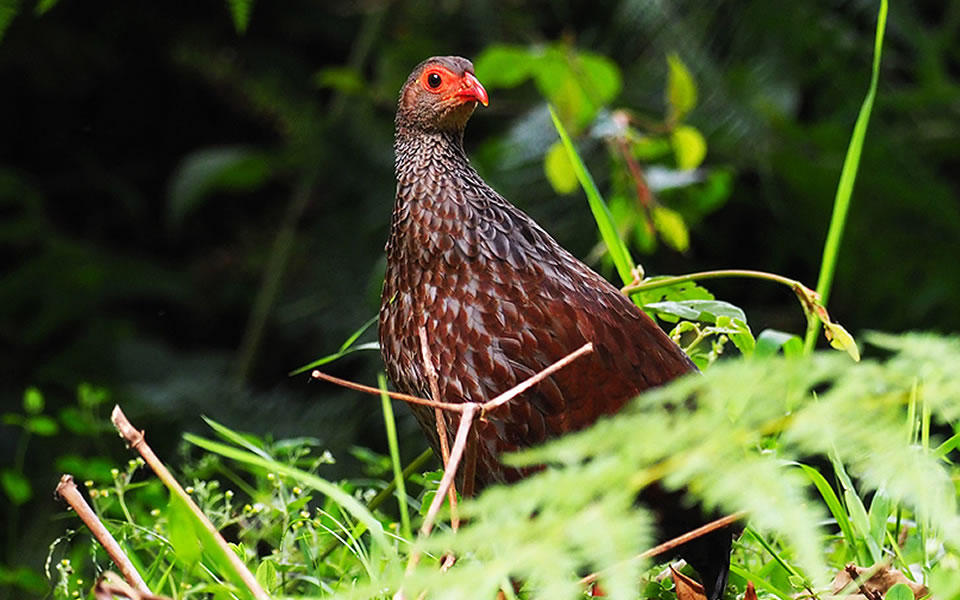
Nyungwe National Park hosts more than 300 bird species, including many Albertine Rift endemics that are difficult to find elsewhere.
Both parks provide excellent opportunities for bird photography and observation.
Best Time for Chimpanzee Trekking in Kibale National Park and Nyungwe National Park
Chimpanzee trekking is available throughout the year in both Kibale National Park and Nyungwe National Park, but certain months provide more favorable conditions for visitors. The dry seasons, which typically occur from June to September and from December to February, are often preferred because forest trails are less slippery and hiking conditions are generally more comfortable. These months also offer excellent opportunities for wildlife photography and easier movement through the rainforest.
In Kibale National Park, chimpanzee trekking is conducted in both the morning and afternoon. Visitors usually attend a briefing before setting off into the forest, with morning treks beginning at about 8:00 a.m. and afternoon treks starting at around 2:00 p.m. These sessions allow travelers flexibility when planning their safari itinerary.
Nyungwe National Park follows a different schedule. Chimpanzee trekking generally begins very early in the morning, often between 5:00 a.m. and 6:00 a.m. Early departures help visitors locate the chimpanzees soon after they leave their overnight nests and begin searching for food. Although the wetter months bring occasional rain and more challenging trails, they also create beautiful forest scenery and vibrant natural surroundings. Regardless of the season, both parks provide remarkable opportunities to observe chimpanzees in their natural environment.
Conservation and Community Impact
Conservation is one of the most important aspects of both Kibale National Park and Nyungwe National Park. Tourism revenue generated through chimpanzee trekking permits, park entry fees, and accommodation helps fund wildlife protection, habitat management, scientific research, and park operations. These funds play a significant role in safeguarding the forests and the many species that depend on them for survival.
In Kibale National Park, conservation programs focus on protecting chimpanzees and other primates while promoting sustainable tourism practices that benefit surrounding communities. Local residents are increasingly involved in tourism through guiding services, cultural experiences, accommodation facilities, and community-based projects, creating employment opportunities and alternative sources of income.
Nyungwe National Park has also become a model for rainforest conservation in Africa. Tourism supports forest restoration efforts, biodiversity monitoring, environmental education, and community development initiatives. By providing economic benefits to nearby communities, both parks encourage local participation in conservation efforts and help reduce pressure on natural resources, ensuring these remarkable forests remain protected for future generations.
Conclusion.
The comparison of Kibale National Park vs Nyungwe National Park: The Ultimate Chimpanzee Trekking Comparison in East Africa reveals that both destinations offer extraordinary rainforest experiences.
Choose Kibale National Park if your priority is chimpanzee trekking, chimpanzee habituation, primate diversity, affordability, and excellent value for money.
Choose Nyungwe National Park if you prefer dramatic mountain scenery, luxury accommodations, extensive hiking opportunities, the famous canopy walkway, and a broader range of adventure activities.
For dedicated chimpanzee enthusiasts, Kibale National Park often emerges as the stronger choice. For travelers seeking a complete rainforest adventure that combines wildlife, scenery, hiking, and luxury tourism, Nyungwe National Park offers an exceptional experience.
Whichever destination you choose, both parks provide unforgettable encounters with some of Africa’s most fascinating wildlife and remain among the finest primate destinations on the continent.