
1-Day Chimpanzee Trekking Safari at Nyungwe National Park
This 1-day chimpanzee trekking safari in Nyungwe National Park is designed for travelers seeking a short yet highly immersive wildlife experience in one of Africa’s oldest and most biodiverse rainforests. The adventure focuses on trekking wild habituated chimpanzees in their natural habitat, offering a fast-paced and exciting encounter with one of humanity’s closest relatives. Because chimpanzee trekking begins very early in the morning, typically with a ranger briefing between 5:00 am and 5:30 am, this safari is best suited for visitors who have already spent the night within or near the park. Recommended overnight locations include forest lodges inside or outside Nyungwe National Park or nearby towns such as Kamembe, ensuring easy access to the starting point without long-distance travel from Kigali in the early hours.

The itinerary begins with an early morning briefing where guests receive important trekking guidelines, safety instructions, and group assignments based on chimpanzee movements and terrain conditions. Shortly after, travelers enter the dense rainforest with experienced guides and trackers to begin the search for chimpanzees. The trek involves moving through thick vegetation, steep forest trails, and misty landscapes, with opportunities to encounter other primates and bird species along the way.
The highlight of the experience is spending up to one hour observing as in the wild as they feed, communicate, and move actively through the forest. After the trek, guests return to their lodge for lunch and relaxation. Depending on preference and available time, travelers may either enjoy an optional activity within the park or proceed directly with their transfer to Kigali or Kigali International Airport, marking the end of the safari experience.
Trip Overview of 1-Day Chimpanzee Trekking Safari at Nyungwe National Park
- 5:00–5:30 am: Early morning briefing at park station
- 5:30–6:00 am: Start of chimpanzee trekking
- Morning: Chimpanzee trekking and 1-hour observation
- Late morning: Return from forest
- Afternoon: Lunch, optional activities or departure
Detailed Itinerary of 1-Day Chimpanzee Trekking Safari at Nyungwe National Park
Your chimpanzee trekking adventure begins very early in the morning within or near Nyungwe National Park. Because of the early start time, guests are expected to have spent the night either inside the park or in nearby accommodation areas such as Kamembe. This ensures easy access to the briefing point without the need for long-distance travel in the dark hours of the morning.
At around 5:00 am to 5:30 am, you will attend a ranger-led briefing at the designated park station or visitor center. During this session, you will be introduced to the chimpanzee trekking rules, safety guidelines, and general expectations while in the forest. You will also be assigned to a specific chimpanzee community based on their location and daily movement patterns, as well as your physical ability.
Shortly after the briefing, usually by 5:30 am to 6:00 am, you will begin your trek into the dense rainforest of Nyungwe National Park. Accompanied by experienced guides and trackers, you will move through thick vegetation, steep forest trails, and misty mountain terrain as you follow signs of chimpanzee movement. The early morning hours are the best time for tracking, as chimpanzees are typically active, vocal, and still close to their nesting areas.
As you progress through the forest, you may also encounter other primates, colorful bird species, and unique plant life that make Nyungwe one of Africa’s richest biodiversity zones. The trekking experience is energetic and sometimes unpredictable, as chimpanzees move quickly through the canopy and forest floor.
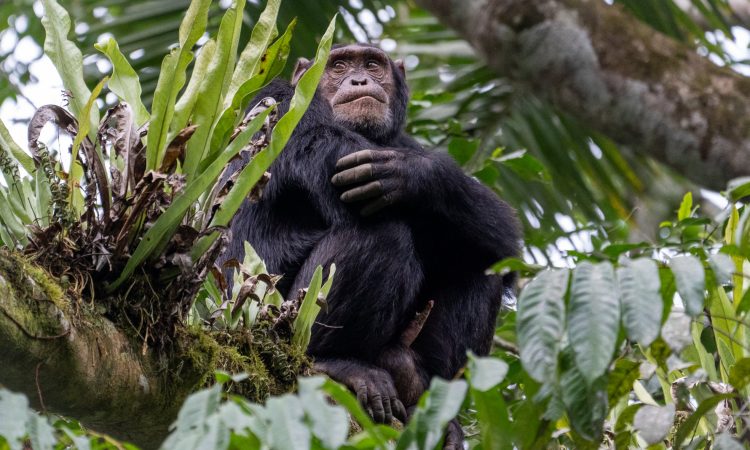
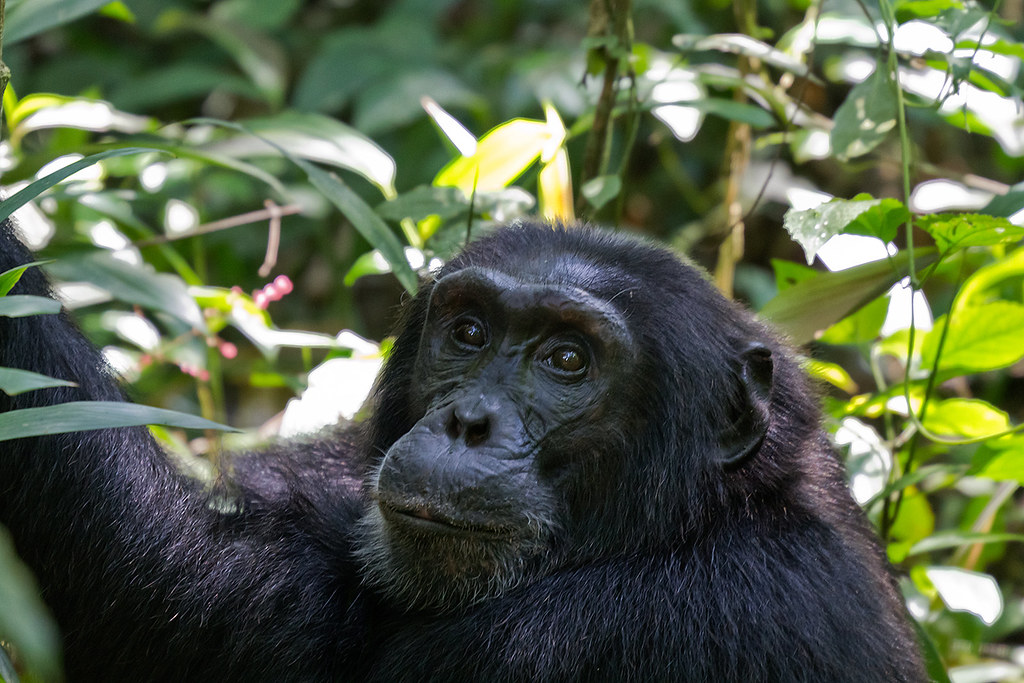
Once the chimpanzees are located, you will spend up to one hour observing them in their natural habitat. During this time, you may witness them feeding, grooming, communicating loudly, and swinging through the trees. The experience is dynamic and offers a fascinating contrast to other primate encounters, as chimpanzees are highly active and expressive.
After the observation period, you will begin your return trek back to the starting point. Depending on the location of the chimpanzees, this may take additional time as you retrace your path through the forest. Upon exit from the park, you will have time to rest and enjoy a late breakfast or early lunch at your lodge or nearby accommodation.
The rest of the day is flexible. Travelers may choose to engage in optional activities within Nyungwe National Park such as canopy walkway experience, zip lining, rope course. Alternatively, some guests may begin their onward journey to Kigali or Kigali International Airport.
This marks the end of the chimpanzee trekking experience in Nyungwe, a unique and early-morning adventure that offers a rare glimpse into one of Africa’s most intelligent primate species in their natural rainforest habitat.
Meal Plan.
- Lunch provided
Safari Package Inclusions.
- Airport pickup and drop-off in Kigali or Kigali International Airport
- Services of a professional English-speaking driver-guide
- Travel in a comfortable 4×4 safari vehicle
- Chimpanzee trekking permit included
- Transportation to and from Nyungwe National Park
- Lunch during the day of the trek
- All applicable government taxes covered
Safari Package Exclusions.
- Visa application fees
- Tips and gratuities for staff
- Optional porter services
- Drinks and other beverages
- International or domestic flights
- Donations or charitable contributions
- Hotel accommodation in Kigali or around Nyungwe
- Any personal or extra expenses not mentioned above
Packing list for One day chimpanzee trekking in Nyungwe National Park.
- Sturdy waterproof hiking boots with strong grip – Reliable hiking boots are essential for trekking in Nyungwe’s challenging terrain. The forest paths are often steep, wet, and extremely slippery. Strong, waterproof boots provide stability, protect your feet from injuries, and ensure better balance while walking through muddy and uneven rainforest conditions.
- Long-sleeved shirt and long trousers (lightweight, quick-dry fabric) – Wearing lightweight long clothing helps protect your skin from insect bites, thorny plants, and scratches from thick vegetation. Quick-dry materials are best because they reduce discomfort from sweat and rain while also helping regulate body temperature in the humid and often changing rainforest climatethese should be in dull colors of khaki or green.
- Waterproof jacket or rain poncho – Rain can fall suddenly in Nyungwe without warning, even on clear mornings. A waterproof jacket or poncho is necessary to keep your body dry and comfortable during trekking. It prevents chills, helps maintain energy levels, and allows you to continue walking without discomfort during heavy rainfall.
- Gaiters (optional but highly recommended) – Gaiters are protective coverings worn over boots and lower legs to block mud, water, insects, and small debris. They are especially useful in dense rainforest areas where the ground is wet and uneven. They also reduce the chance of irritation or discomfort from crawling insects and plant material.
- Drinking water (1.5–2 liters) and light snacks – Trekking in humid forest conditions can quickly lead to dehydration and fatigue. Carrying enough water ensures you stay hydrated throughout the hike. Light snacks such as energy bars or fruits help maintain stamina and energy levels during long walks without frequent rest stops.
- Comfortable daypack (preferably waterproof or rain-covered) – A well-fitted daypack is necessary to carry all personal items safely during the trek. It should be lightweight yet strong enough to handle forest conditions. A waterproof cover is important to protect your belongings from sudden rain, humidity, and accidental exposure to wet surfaces.
- Thick hiking socks (plus an extra pair) – Quality hiking socks provide comfort, cushioning, and protection against blisters during long walks. They help absorb moisture and keep your feet warm in cold, wet conditions. Carrying an extra pair is important in case your socks get soaked or muddy during the trek.
- Insect repellent (high DEET recommended) – The rainforest environment is home to many biting insects, especially mosquitoes. A strong insect repellent helps protect exposed skin and prevents irritation or potential insect-borne diseases. It should be applied before entering the forest and reapplied when necessary for continued protection throughout the hike.
- Sunscreen – Even though the trek takes place in a forest, sunlight can still reach exposed areas of skin through clearings and gaps in the canopy. Sunscreen helps protect against harmful UV rays, preventing sunburn and skin damage during long hours spent walking outdoors in varying weather conditions.
- Lightweight gardening gloves – Gloves are useful for improving grip when holding branches, ropes, or vegetation while moving through dense forest areas. They also protect your hands from scratches, insects, and rough surfaces. Lightweight designs ensure comfort while still providing protection during physically demanding parts of the trek.
- Light fleece or warm layer – Early mornings in Nyungwe can feel quite cold due to high altitude and forest mist. A light fleece or warm layer helps maintain body warmth before physical activity begins. It is easy to remove later as the hike becomes more strenuous and body temperature rises.
- Basic first aid kit (plasters, pain relief, blister care) – Minor injuries such as cuts, blisters, or headaches can occur during long forest hikes. A small first aid kit ensures you can quickly manage discomfort and continue trekking safely. It is a simple but very important safety measure for unpredictable outdoor conditions.
- Important documents (passport/ID and trekking permit) – Identification documents and trekking permits are required for entry into the park and verification at checkpoints. They should always be kept in a waterproof pouch to protect them from rain and moisture. Losing or damaging them could disrupt your trekking experience.
- Camera or smartphone with extra batteries – Capturing chimpanzees and forest scenery is a key part of the experience, but cold and humidity can drain battery power quickly. Carrying extra batteries or a power bank ensures your devices remain functional throughout the trek, allowing you to document wildlife sightings without interruption.
- Avoid bright-colored clothing, perfumes, and sandals – Bright clothing can disturb wildlife behavior, while strong scents like perfumes may interfere with animal trekking. Open footwear is unsafe in muddy and slippery terrain. Choosing neutral colors like khaki and green plus practical gear helps ensure safety, comfort, and a more natural experience in the rainforest environment.

Activities that tourists can engage in after chimpanzee trekking during 1 day chimpanzee trekking safari at Nyungwe National Park.
After completing chimpanzee trekking in Nyungwe National Park, travelers can still enjoy several enriching experiences before driving back to Kigali International Airport. These activities provide a mix of adventure, scenery, and cultural insight, helping to round off the safari in a meaningful way as mentioned below;
Canopy Walkway Experience
This activity takes visitors across a suspended bridge high above the rainforest. It provides sweeping views of dense jungle layers, misty treetops, and distant rolling hills. From this elevated position, you may also spot primates and birds moving through the canopy, making it one of the most iconic experiences in the park.
Zip Lining Adventure
Zip lining offers a thrilling ride above the forest, where visitors glide along cables stretched between platforms. The experience combines speed, height, and panoramic views of the rainforest. It is guided by trained professionals who ensure safety while allowing you to enjoy an adrenaline-filled perspective of Nyungwe’s green landscape.
Rope Course Challenge
This activity involves moving through suspended obstacles such as ropes, bridges, and climbing elements set high above the ground. It is designed to test balance, confidence, and coordination while offering stunning views of the forest below. It is both fun and physically engaging, suitable for adventure lovers.
Bird Watching Experience
Nyungwe is known for its exceptional bird diversity, making bird watching a peaceful and rewarding activity. With the help of a guide, visitors can observe rare and colorful species hidden within the forest. It is a calm experience that allows you to appreciate the quieter side of the rainforest ecosystem.
Tea Plantation Visit (Gisakura Area)
A visit to the nearby tea estates offers a scenic and educational experience. Rolling green fields stretch across the landscape, creating a beautiful backdrop for photography. Visitors learn how tea is planted, harvested, and processed while interacting with local workers who maintain the plantations.
Murambi Genocide Memorial Centre Visit
On the way back to Kigali, travelers can stop at the Murambi Genocide Memorial Centre. This historic site preserves the memory of the 1994 genocide against the Tutsi through exhibitions and preserved structures. It offers a deeply reflective experience that highlights Rwanda’s history, resilience, and journey toward reconciliation.
Best Time for a 1-Day Chimpanzee Trekking Safari in Nyungwe National Park.
The best time to enjoy a 1-day chimpanzee trekking safari in Nyungwe National Park is during the dry seasons, when forest conditions are more favorable for walking and wildlife trekking. The main dry periods in Rwanda, including Nyungwe, typically fall between June to September and a shorter dry spell from December to February. During these months, rainfall is significantly reduced, which makes the forest trails less muddy, less slippery, and generally easier to hike through compared to the wet season.
These dry months are preferred because they improve overall trekking comfort and safety. The ground is firmer, and visibility inside the forest is often better due to reduced rain and clearer pathways. Chimpanzees are also easier to follow since movement through the forest is less restricted by heavy rainfall. Early morning departures during these months are especially ideal, as chimpanzees are typically more active while feeding and socializing before the heat of the day builds up.
However, Nyungwe remains a tropical rainforest, meaning weather can still change unexpectedly even in dry months. Light showers may still occur, so visitors should always be prepared with waterproof clothing. Despite this, the dry seasons remain the most reliable and comfortable time for a successful chimpanzee trekking experience.