
Fire Management at Volcanoes National Park Rwanda: How Smart Fire Protection Preserves Wildlife, Forests, and Tourism
Fire Management at Volcanoes National Park Rwanda: How Smart Fire Protection Preserves Wildlife, Forests, and Tourism highlights one of the most important conservation efforts taking place in Rwanda today. Volcanoes National Park, located in the country’s northwestern region, is famous for its endangered mountain gorillas, golden monkeys, towering volcanoes, and diverse plant life. It welcomes thousands of visitors every year who come to enjoy gorilla trekking, nature walks, birdwatching, and breathtaking mountain scenery. Behind these memorable experiences is a dedicated team working every day to protect the park from threats that could damage its fragile ecosystem, including wildfires.
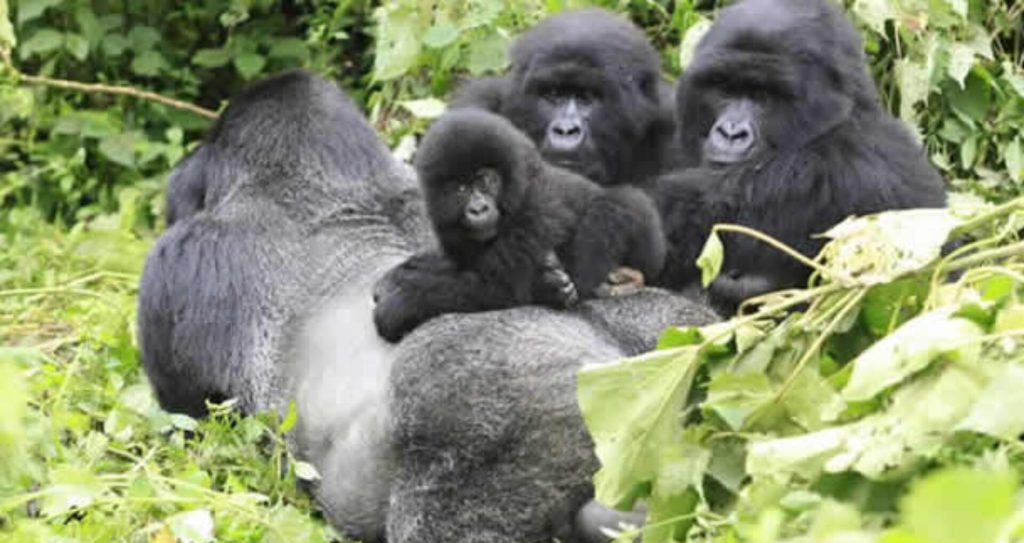
Although the park receives generous rainfall for most of the year, dry seasons can increase the risk of fires that may spread through grasslands, bamboo forests, and other natural habitats. Such fires can destroy vegetation, threaten wildlife, affect tourism activities, and harm nearby communities if they are not controlled quickly. For this reason, fire management has become a vital part of the park’s conservation strategy. Through regular ranger patrols, community awareness programs, visitor regulations, emergency response teams, and cooperation with conservation partners, the park continues to reduce fire risks while protecting its rich biodiversity. These combined efforts help preserve one of Africa’s most valuable natural landscapes for wildlife, local communities, researchers, and future visitors.
Why Fire Management Matters in Volcanoes National Park.
Fire is a natural part of some ecosystems around the world, but in Volcanoes National Park it can become a serious threat when it burns uncontrollably. The park contains bamboo forests, montane forests, grasslands, swamps, and alpine vegetation, each supporting different plant and animal species. Many of these habitats provide food, shelter, and breeding grounds for endangered wildlife that cannot easily relocate when fire spreads through the forest.
Mountain gorillas depend on healthy vegetation for daily feeding and nesting. Golden monkeys spend much of their lives in bamboo forests that are especially vulnerable during extended dry spells. Birds, reptiles, insects, and countless small mammals also rely on these habitats to survive. When fires destroy vegetation, they remove food sources and expose wildlife to additional dangers. Recovery may take several years depending on the intensity of the fire.
Beyond wildlife conservation, fires also affect tourism and scientific research. Burned landscapes destroy the natural beauty that attracts people from across the world. Damaged trails may remain closed while restoration work takes place, affecting visitor experiences and local tourism income. Smoke can reduce visibility and create unsafe conditions for both guests and staff. Strong fire management protects not only the environment but also the livelihoods of communities that depend on sustainable tourism around the park.
Common Causes of Fires around the Park.
Unlike some regions where lightning frequently starts wildfires, most fires near Volcanoes National Park result from human activities. This makes public awareness and responsible behavior extremely important. Understanding the common causes allows park authorities to develop targeted prevention measures before small incidents become major emergencies.
One common source of fire is agricultural burning. Farmers living near the park sometimes burn crop residues to prepare fields for the next planting season. If these fires are not properly controlled, strong winds can carry flames toward the protected forest. When smoke is used to soothe bees prior to honey collection, there are additional dangers associated with honey harvesting. If embers are left behind, nearby vegetation may catch fire.
Carelessly discarded cigarette butts remain another possible cause. Even though smoking is prohibited inside the park, smoking near surrounding areas without properly extinguishing cigarette ends can create unnecessary danger. Illegal activities inside protected forests, including unauthorized entry or poaching, may also accidentally start fires through cooking, smoking, or campfires.
Visitors can unintentionally contribute to fire risks as well. A small cooking flame, burning match, or neglected waste can become hazardous under dry conditions. Although natural causes such as lightning occasionally occur, they are uncommon because Volcanoes National Park receives substantial rainfall throughout much of the year. This means that nearly every fire can be prevented through responsible human actions.

Fire Prevention Is Always the First Priority
Preventing fires before they begin is the most effective conservation strategy used in Volcanoes National Park. Instead of relying only on firefighting after an incident occurs, park management invests significant effort in reducing fire risks through education, planning, regular monitoring, and cooperation with nearby communities.
Park authorities organize awareness campaigns that teach local residents about the dangers of uncontrolled burning. Farmers receive guidance on safer land preparation methods that reduce the likelihood of fires spreading into protected areas. Community meetings, school conservation clubs, and environmental education programs help people understand why healthy forests benefit everyone. When residents recognize the value of conservation, they become active partners in protecting the park.
Routine ranger patrols also strengthen prevention efforts. Rangers regularly inspect vulnerable areas, particularly during the dry season when vegetation becomes more flammable. Their presence discourages illegal activities while allowing them to identify potential hazards before they develop into emergencies. If they notice dry vegetation accumulating in sensitive locations or discover signs of unauthorized entry, immediate action can be taken.
Modern communication systems further improve prevention. Rangers stationed throughout the park remain in contact through radios, allowing information to move quickly whenever suspicious smoke or risky activities are observed. This coordinated approach means that many potential fires are prevented long before flames have an opportunity to spread across the landscape.
Visitor Rules That Help Protect the Forest
Every visitor who enters Volcanoes National Park becomes part of its conservation story. While tourists primarily visit to enjoy gorilla trekking, golden monkey tracking, hiking, or birdwatching, they also share the responsibility of protecting this fragile ecosystem. Park regulations have therefore been carefully designed to reduce fire risks while preserving wildlife habitats for future generations.
Smoking is strictly prohibited inside the park because a single cigarette can ignite dry vegetation under favorable conditions. Open fires are also forbidden throughout protected areas, regardless of whether visitors are trekking, hiking, or participating in research activities. Cooking inside the forest is not permitted, and visitors are encouraged to carry reusable containers that eliminate unnecessary waste.
Guests must remain with their trained guides throughout every activity. Besides improving visitor safety, guides ensure that everyone follows conservation regulations and quickly reports anything unusual, including smoke or signs of fire. Littering is also prohibited since some discarded materials can increase fire hazards or harm wildlife.
For example, imagine a trekking group discovering smoke rising from a nearby hillside. Instead of attempting to investigate alone, the guide immediately contacts park headquarters while leading visitors to a safe location. Rangers respond quickly, preventing what could have become a much larger wildfire. This simple example shows how visitor cooperation supports effective fire management while keeping everyone safe.
Early Detection Makes Fire Control More Effective
Detecting a fire during its earliest stages greatly increases the chances of controlling it before significant damage occurs. Even a small flame can spread rapidly if strong mountain winds carry it through dry grass or bamboo. For this reason, Volcanoes National Park places considerable emphasis on early detection and rapid reporting.
Daily ranger patrols serve as the park’s first line of observation. Rangers walk designated routes through different sections of the forest while monitoring wildlife, visitor activities, and environmental conditions. Their continuous presence allows them to notice smoke, unusual smells, or freshly burned vegetation before fires grow larger.
Local communities also play an important role in early warning. Residents living near park boundaries are encouraged to report smoke immediately whenever they notice suspicious activity. Since they often spend much of the day farming or working outdoors, they can detect problems that may otherwise go unnoticed. Their quick communication allows emergency teams to respond without delay.
Observation points positioned in strategic locations provide another valuable layer of protection. Rangers can monitor wide sections of the park from elevated areas, making it easier to identify smoke columns in the distance. Information is then shared through radio communication between ranger posts and park headquarters, ensuring coordinated action. Early detection saves valuable time, reduces firefighting costs, protects wildlife habitats, and minimizes environmental damage before fires become difficult to control.

Fire Response Teams Are Trained for Fast and Safe Action
Although preventing fires is the primary goal, Volcanoes National Park is also prepared to respond whenever a fire occurs. A well-organized emergency response system ensures that trained personnel can act quickly before flames spread across the forest. Every minute matters during a wildfire, especially in steep mountain landscapes where wind can change direction without warning. The park therefore maintains dedicated ranger teams that are ready to respond whenever smoke or fire is reported.
These response teams receive regular training in wildfire suppression, emergency communication, navigation, and personal safety. Their work begins with assessing the size of the fire, weather conditions, vegetation type, and nearby wildlife before deciding on the safest response. This careful assessment helps them control the fire while protecting both people and the environment.
Once the situation has been evaluated, rangers work together to contain the fire by creating control lines, removing burning vegetation where necessary, and extinguishing active flames. After the visible fire is under control, they continue checking the affected area for hidden hotspots that could reignite later. This follow-up inspection is just as important as the initial response because underground roots or dry vegetation may continue smoldering for several hours.
The safety of visitors remains a top priority during every emergency. If a fire develops while tourists are trekking, guides immediately communicate with park headquarters and escort visitors to secure areas while trained firefighting teams take over the operation. Their calm and professional response helps prevent panic while ensuring that everyone remains safe.
Firefighting Equipment Supports Effective Emergency Response
A trained team can only perform well when supported by reliable equipment. Volcanoes National Park maintains a range of firefighting tools that allow rangers to respond effectively in different parts of the park. Since much of the protected area consists of steep volcanic slopes and dense vegetation, lightweight and portable equipment is often more practical than large firefighting vehicles.
Among the commonly used tools are fire beaters, which help suppress flames in grasslands and small vegetation. Backpack water sprayers allow rangers to carry water into areas where vehicles cannot travel. Protective clothing, helmets, gloves, boots, and face protection reduce the risk of injuries while working near active fires. Hand tools such as shovels, rakes, machetes, and axes are also valuable for creating firebreaks and clearing vegetation that could fuel advancing flames.
Communication equipment is equally important during emergency operations. Two-way radios enable different ranger teams to remain in contact with one another and with park headquarters throughout the response. Clear communication improves coordination and ensures that additional assistance can be requested whenever necessary.
Every emergency team also carries first aid supplies for treating minor injuries during field operations. In addition, an ambulance is always stationed at the Volcanoes National Park headquarters in Kinigi to provide immediate medical support whenever an emergency occurs. While it is primarily available for visitor and staff emergencies, its constant presence strengthens the park’s overall emergency preparedness and allows rapid medical evacuation if needed.
Community Participation Strengthens Fire Prevention
Protecting Volcanoes National Park is not the responsibility of park authorities alone. Communities living around the park play a significant role in preventing fires and supporting conservation efforts throughout the year. Their close relationship with the surrounding environment allows them to notice potential dangers early while contributing valuable local knowledge to conservation programs.
Many residents participate in environmental education activities organized by conservation organizations and park management. These programs explain how healthy forests provide clean water, stable soils, tourism income, and protection for wildlife. As people gain a better understanding of these benefits, they become more committed to preventing activities that could start fires.
Farmers receive practical guidance on safe agricultural practices that reduce the need for uncontrolled burning near park boundaries. Instead of relying on open fires to clear land, they are encouraged to use alternative methods that lower the risk of accidental wildfires. Community members are also reminded to report smoke immediately whenever unusual activity is observed.
For example, a farmer working close to the park may notice smoke rising from a distant hillside during the dry season. Rather than assuming someone else has already reported it, the farmer contacts local authorities or park rangers immediately. Because of this quick action, emergency teams reach the area before the fire spreads into nearby bamboo forests. This simple act of cooperation can prevent significant environmental damage and protect wildlife habitats.
The partnership between communities and park authorities has become one of the strongest foundations of successful conservation. By working together, both groups contribute to the long-term protection of the park while supporting sustainable tourism and local livelihoods.
Protecting Mountain Gorillas and Other Wildlife from Fire
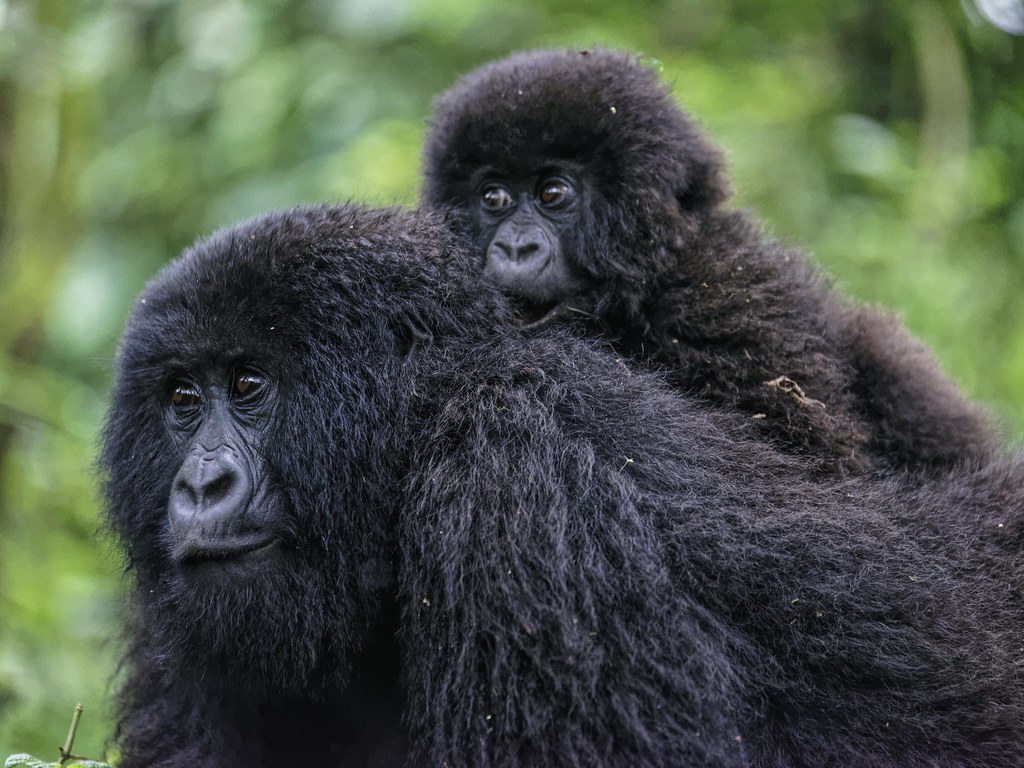
One of the greatest reasons for maintaining effective fire management is the protection of wildlife. Volcanoes National Park is internationally recognized as one of the last remaining homes of the endangered mountain gorilla. These remarkable primates depend on healthy forests for food, shelter, nesting sites, and daily movement. Fire can threaten every one of these essential resources.
Mountain gorillas feed on leaves, shoots, stems, bamboo, and other forest plants. When vegetation is destroyed by fire, food becomes less available, forcing gorilla families to travel farther in search of suitable feeding areas. This additional movement may increase stress and create competition for resources between neighboring groups.
Golden monkeys also depend heavily on bamboo forests, particularly during seasons when bamboo shoots form an important part of their diet. Fires that destroy bamboo stands can reduce available habitat and disrupt normal feeding patterns. Other wildlife, including birds, reptiles, amphibians, insects, and small mammals, also suffer when fires remove nesting sites and breeding habitats.
Imagine a section of forest that has recently experienced a wildfire. Birds may lose nesting trees, insects may disappear, and the vegetation used by gorillas for daily feeding may require several growing seasons before fully recovering. Although nature gradually restores damaged habitats, preventing fires remains the most effective way to protect these fragile ecosystems.
By reducing fire risks, park management helps preserve biodiversity while ensuring that future generations can continue experiencing one of Africa’s most extraordinary wildlife destinations.
Cross-Border Cooperation Protects the Greater Virunga Ecosystem
Volcanoes National Park does not exist in isolation. It forms part of the larger Virunga Massif, an interconnected ecosystem shared with neighboring protected areas in Uganda and the Democratic Republic of the Congo. Wildlife moves freely across these borders, making international cooperation essential for successful conservation and fire management.
Since fires do not recognize political boundaries, park authorities regularly cooperate with neighboring conservation agencies to strengthen emergency preparedness. Information about weather conditions, fire risks, and ongoing incidents can be shared quickly, allowing coordinated responses whenever necessary. Joint training programs also provide opportunities for rangers from different countries to exchange knowledge and improve firefighting techniques.
This collaboration extends beyond emergency response. Conservation organizations work together on habitat restoration, wildlife monitoring, research, and community education programs that benefit the entire ecosystem. Shared experiences help improve management strategies while strengthening relationships between neighboring protected areas.
For example, if smoke is detected near an international boundary, communication between conservation authorities allows both countries to prepare response teams before the fire spreads across the border. This coordinated approach protects wildlife populations that regularly move between protected areas, including mountain gorillas whose home ranges sometimes extend across national boundaries.
International cooperation demonstrates that successful conservation depends on partnerships that extend far beyond individual parks.
Challenges That Continue to Affect Fire Management
Despite strong conservation efforts, several challenges continue to influence fire management within Volcanoes National Park. One of the most significant is climate variability. Although the region generally receives abundant rainfall, changing weather patterns can produce longer dry periods that increase the flammability of vegetation.
The park’s mountainous terrain also creates operational difficulties. Steep slopes, thick forests, volcanic rocks, and limited road access make it challenging for firefighters to transport equipment quickly to remote areas. In many situations, rangers must travel on foot while carrying their firefighting gear across difficult terrain.
Human activities around park boundaries remain another ongoing concern. Agricultural burning, illegal access, and unintentional fires continue to pose threats despite continual education programs. In order to stop these occurrences, ongoing cooperation between communities, conservation organizations, and government agencies.
Limited access to water in certain remote locations can also complicate firefighting operations. Rangers must carefully plan how available resources will be used while relying on portable equipment until additional support arrives.
Even with these challenges, continuous investment in training, community awareness, improved communication, and emergency preparedness has significantly strengthened the park’s ability to prevent and manage fires effectively.
How Every Visitor Can Help Prevent Fires
Visitors contribute to conservation every time they enter Volcanoes National Park. Responsible behavior during a trek or hike helps reduce fire risks while protecting wildlife and preserving the park’s natural beauty.
Simple actions can make a meaningful difference. Visitors should always follow the instructions provided by their ranger guides, remain on designated trails, and avoid any activity that could create sparks or open flames. Smoking is prohibited throughout the park, and no fires should ever be lit inside protected areas.
All rubbish should be carried out of the park rather than left behind. Waste not only affects the environment but may also create unnecessary hazards if flammable materials accumulate in dry vegetation. Guests who notice smoke or signs of fire should report the situation immediately to their guide instead of attempting to investigate on their own.
Responsible tourism also includes respecting wildlife and minimizing disturbance to sensitive habitats. Every visitor who follows park regulations contributes to a safer environment for mountain gorillas, golden monkeys, birds, and countless other species that depend on healthy forests.
When thousands of visitors each year practice responsible tourism, their collective actions become an important part of the park’s long-term conservation success.

Conclusion
Fire management at Volcanoes National Park Rwanda is far more than an emergency response system. It is a comprehensive conservation strategy that combines prevention, education, community participation, rapid response, modern equipment, wildlife protection, and international cooperation. Every effort made to reduce fire risks helps preserve one of Africa’s most valuable natural landscapes for future generations.
The park’s trained ranger teams, reliable communication systems, carefully maintained firefighting equipment, and strategic firebreaks all contribute to effective fire control. At the same time, surrounding communities play an equally important role by reporting fires early, adopting safer farming practices, and participating in conservation education. Visitors also become valuable partners by following park regulations and supporting responsible tourism.
The permanent presence of an ambulance at the Volcanoes National Park headquarters in Kinigi further strengthens emergency preparedness, ensuring that medical assistance is readily available whenever needed. This additional layer of safety complements the park’s broader emergency response system and demonstrates its commitment to protecting both visitors and staff.
Although challenges such as climate variability, difficult terrain, and human activities continue to exist, the dedication shown by park authorities and conservation partners has greatly improved the protection of this remarkable ecosystem. Through continued cooperation, careful planning, and public awareness, Volcanoes National Park will remain a safe haven for mountain gorillas, golden monkeys, and countless other species while offering unforgettable experiences to visitors from around the world.