
Rwanda Chimpanzee Trekking Age Limit Explained: Who Is Allowed to Trek
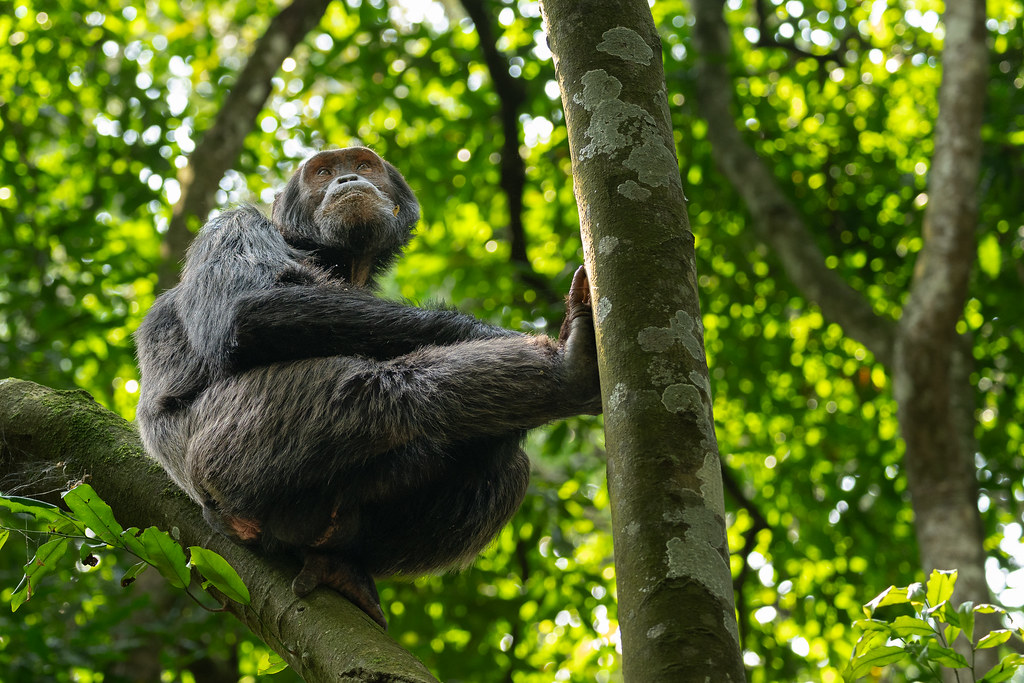
Rwanda Chimpanzee Trekking Age Limit Guide introduces travelers to one of the most exciting wildlife adventures in Africa. In Nyungwe National Park, visitors explore a dense tropical rainforest in search of wild chimpanzees living freely in their natural habitat. The experience begins early in the morning as professional guides lead trekking groups through forest trails surrounded by towering trees, thick vegetation, and the sounds of birds and other wildlife. As trekkers move deeper into the rainforest, they often hear the loud calls of chimpanzees echoing through the canopy before finally spotting them jumping between branches, feeding, or interacting with members of their group. The encounter is energetic, memorable, and unlike any other safari experience in Rwanda.
Although chimpanzee trekking is a remarkable activity, it is not available to everyone. Rwanda has established a strict minimum age requirement of 15 years for anyone wishing to participate in chimpanzee trekking in Nyungwe National Park. This rule is mandatory and applies to all visitors without exception.
The age limit is in place for a number of significant reasons. Trekking conditions in the rainforest can be physically demanding because of steep terrain, slippery trails, and changing weather conditions. In addition, chimpanzees are active and unpredictable wild animals, meaning visitors must remain calm and carefully follow ranger instructions throughout the trek. The policy also helps protect chimpanzees from human diseases, which can easily spread between humans and primates. Understanding this regulation helps travelers prepare properly for a safe and responsible rainforest adventure.
Why the Age Limit Exists: Safety, Conservation, and Responsible Tourism
Chimpanzee trekking in Rwanda is an extraordinary opportunity to observe primates in their natural rainforest environment. However, the experience requires strict regulations to protect both visitors and wildlife. The minimum age requirement of 15 years plays a major role in preserving the safety, sustainability, and conservation value of the activity as explained below;
-
Physical Challenges and Trekking Conditions
Chimpanzee trekking in Nyungwe National Park requires a good level of physical fitness and preparation. The activity takes place deep within a mountainous rainforest where trails can be steep, muddy, narrow, and slippery, especially after rainfall. Since chimpanzees are constantly moving through the forest in search of food, trekkers may need to walk for several hours before locating them. The pace of the trek often changes quickly as guides follow fresh movements and sounds from the chimpanzee groups.
The rainforest environment itself can also be challenging. Visitors must deal with thick vegetation, humid conditions, uneven ground, and sudden weather changes that may make hiking more difficult. Younger children may find these conditions exhausting and may struggle to keep up with the demands of the trek. For this reason, Rwanda enforces a minimum age limit of 15 years to ensure that participants are physically capable of completing the trek safely and comfortably while fully enjoying the experience.
-
Emotional Maturity and Behavioral Control
Chimpanzee trekking in Nyungwe National Park demands self-control, patience, and the ability to carefully follow instructions provided by guides and park rangers. Chimpanzees are energetic wild primates known for their fast movements, loud calls, and unpredictable behavior in the forest. During the trek, visitors are expected to remain quiet, avoid sudden actions, and respect the animals at all times to prevent causing stress or disturbance.
Close wildlife encounters can sometimes be overwhelming for younger children who may respond with fear, excitement, or unexpected reactions. Running, shouting, or making abrupt movements could interrupt the experience and potentially unsettle the chimpanzees or other trekkers nearby. Maintaining a calm atmosphere is important for both visitor safety and successful wildlife viewing. The minimum trekking age of 15 years helps ensure that participants are emotionally mature enough to handle these encounters responsibly and contribute to a safe, peaceful, and respectful environment during the trek.
-
Preventing Disease Transmission Between Humans and Chimpanzees
Protecting chimpanzees from human diseases is one of the key reasons Rwanda enforces a minimum age requirement for chimpanzee trekking in Nyungwe National Park. Chimpanzees are genetically very similar to humans, which makes them highly vulnerable to many common illnesses carried by people, including flu, coughs, and respiratory infections. Even mild human sicknesses can become dangerous for chimpanzee populations living in the wild.
Since chimpanzees interact closely within their social groups, an infection introduced by one individual can spread quickly among the entire community. Younger children are often more likely to carry contagious viruses, sometimes without obvious symptoms, increasing the risk of accidental transmission during trekking activities. Because visitors may observe chimpanzees from a relatively short distance, strict health precautions are necessary at all times. Limiting participation to visitors aged 15 years and above helps reduce potential health threats while supporting conservation programs focused on protecting the long-term survival of chimpanzees in Nyungwe Forest.
-
Conservation and Environmental Protection
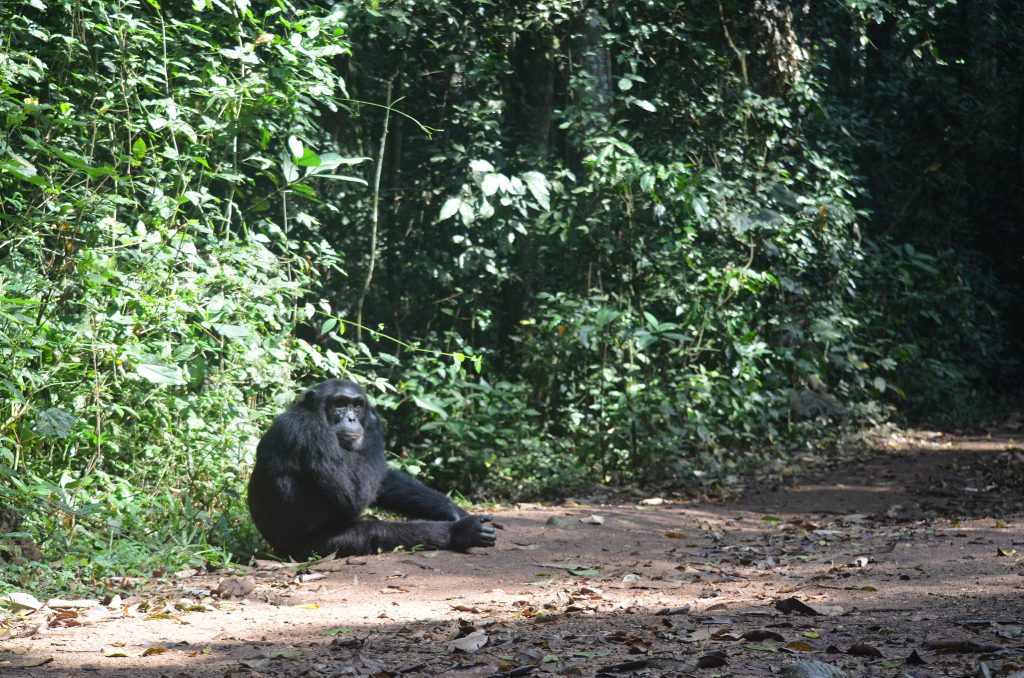
Chimpanzee trekking regulations in Nyungwe National Park are designed to support wildlife conservation and promote environmentally responsible tourism. Nyungwe Forest is among the oldest rainforests in Africa and is home to a rich ecosystem that includes chimpanzees, rare birds, unique orchids, monkeys, and many indigenous plant species. Protecting this fragile environment is essential for maintaining its biodiversity and ecological balance.
Young children may unintentionally step on delicate vegetation, leave marked trails, or find it difficult to follow strict environmental guidelines during the trek. To reduce unnecessary disturbance to the rainforest, park authorities restrict chimpanzee trekking to visitors aged 15 years and above. This policy helps ensure that participants understand the importance of conservation and behave responsibly while exploring the forest.
Income generated from chimpanzee trekking permits also plays a significant role in supporting conservation initiatives, improving local community livelihoods, funding ranger programs, and protecting Nyungwe Forest for future generations.
-
Psychological Readiness for Wildlife Encounters
Observing chimpanzees in the wild inside Nyungwe National Park can be an intense and deeply memorable experience. These primates are highly active, expressive, and often communicate through loud calls while moving swiftly through the forest canopy. Their behavior can change quickly, making each sighting unpredictable and exciting.
However, such close encounters may be overwhelming for younger visitors. Children might feel surprised or frightened when faced with large groups of fast-moving animals at close range. In some cases, emotional reactions such as fear, crying, or sudden movement could disrupt the calm environment needed for safe wildlife viewing and may also affect the experience of others in the group.
The minimum age rule of 15 years is therefore important because it ensures that participants have the emotional maturity to remain composed, follow guidance from rangers, and respond appropriately during chimpanzee encounters in a safe and respectful manner.
Essential Requirements for Chimpanzee Trekking in Rwanda
In addition to meeting the minimum age requirement, visitors must also fulfill several important conditions before participating in chimpanzee trekking in Nyungwe National Park.
A valid chimpanzee trekking permit is mandatory and should be booked in advance because availability is limited throughout the year.
Visitors should also have a reasonable level of physical fitness. Although trekking routes vary in difficulty, participants should be prepared for several hours of walking in mountainous rainforest terrain.
Proper trekking gear is highly recommended, including:
- Waterproof hiking boots
- Long trousers and long-sleeved shirts
- Rain jackets
- Gloves for navigating vegetation
- Insect repellent
Trekkers must also follow park regulations, including:
- Maintaining a safe distance from chimpanzees of about 7 meters
- Avoiding flash photography
- Refraining from feeding wildlife
- Keeping noise levels low
Following these guidelines helps protect both visitors and chimpanzees while ensuring a smooth and rewarding trekking experience.
Accessibility and Trekking Conditions in Nyungwe National Park
Accessibility is an important consideration when planning chimpanzee trekking in Nyungwe National Park.
The rainforest landscape is dense, and sometimes challenging to navigate. Trails may include muddy slopes, narrow pathways, and thick vegetation. Since chimpanzees move frequently, treking them can require covering significant distances through the forest.
To improve the experience, guides often assign trekking groups based on visitor fitness levels whenever possible. Porters are also available to assist trekkers by carrying bags and offering support along difficult sections of the trail.
For older travelers or visitors with moderate fitness levels, hiring a porter can make the trek far more comfortable and manageable.
Although support services improve accessibility, chimpanzee trekking still requires a basic level of physical readiness and comfort with outdoor adventure activities.
Fun Activities for Children under 15 around Nyungwe National Park
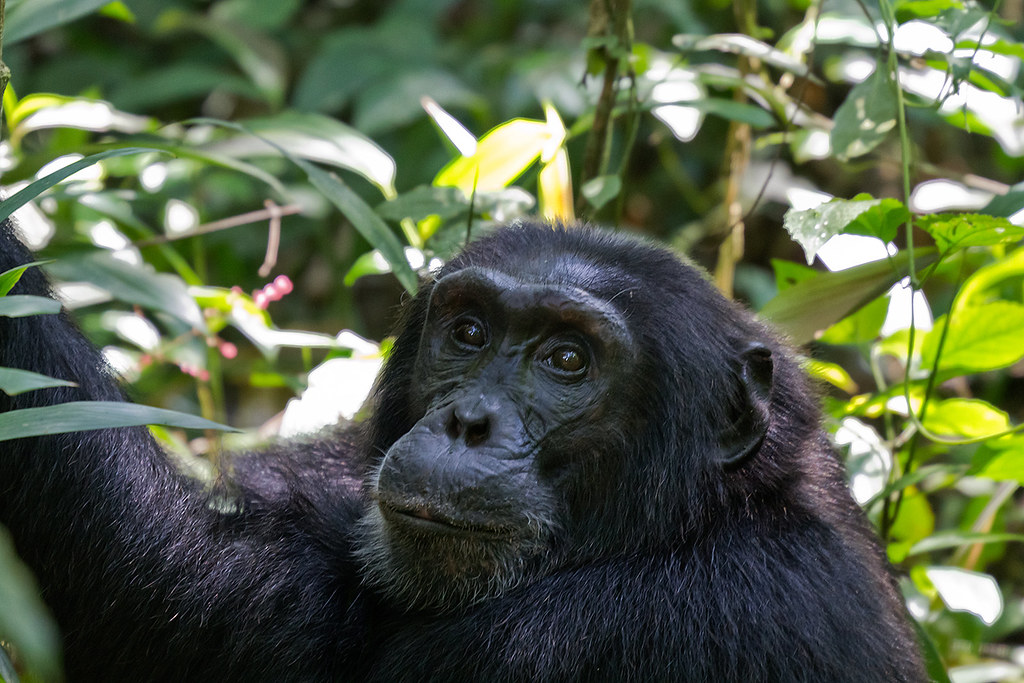
Families traveling to Nyungwe National Park with children under 15 years still have plenty of meaningful and enjoyable experiences to look forward to, even though they cannot take part in chimpanzee trekking. The region is rich in natural beauty, cultural heritage, and soft adventure activities that are well-suited for younger visitors. From elevated forest walkways and gentle nature trails to interactive cultural encounters and scenic tea plantation visits, Nyungwe offers a wide variety of alternatives that keep children engaged while adults enjoy primate tracking activities. These experiences are designed to be both fun and educational, helping young travelers connect with Rwanda’s unique environment and traditions in a safe and accessible way. Together, they ensure that every member of the family can enjoy a rewarding visit to one of Africa’s most remarkable rainforest destinations.
-
Canopy Walk Adventure
The canopy walkway inside Nyungwe National Park is one of the most exciting and accessible activities for families visiting the rainforest. Built high above the forest floor, this suspended bridge gives visitors a rare opportunity to walk among the treetops while enjoying sweeping views of the dense jungle below. From this elevated position, it is possible to see colorful birds, playful monkeys, and the rich greenery that stretches across the entire forest canopy.
The experience is both adventurous and safe, making it suitable for children as well as adults. It allows younger visitors to feel immersed in the rainforest without the challenges of long trekking routes. However, there is a minimum age requirement of 6 years for safety reasons. This ensures that children are physically stable and able to follow safety instructions while on the bridge. The canopy walk remains one of Nyungwe’s most memorable and family-friendly attractions.
-
Guided Nature Walks
Within Nyungwe National Park, guided nature walks offer families a relaxed and educational way to explore the rainforest without the intensity of long trekking routes. These short excursions are specially designed for younger visitors and provide a safe opportunity to discover the forest at a gentle pace. Led by experienced local guides, the walks introduce children to the rich biodiversity of the area, including colorful butterflies, unique rainforest plants, vibrant bird species, and smaller primates that inhabit the lower forest layers.
The experience is interactive and engaging, allowing children to learn about the ecosystem while observing wildlife in its natural surroundings. Guides also explain interesting facts about the forest and its importance to conservation in Rwanda. To ensure safety and suitability, participation is limited to children aged 10 years and above. This makes the activity ideal for families looking for an enjoyable, informative, and age-appropriate introduction to Nyungwe’s natural environment.
- Black and White Colobus Monkey Tracking
Inside Nyungwe National Park, visitors have the opportunity to take part in guided monkey tracking experiences that focus on observing the striking Angolan colobus monkeys. These primates are often seen in large, lively groups as they leap through the forest canopy, creating an impressive and dynamic wildlife display. The activity offers families a rewarding chance to enjoy primate viewing in a more relaxed setting compared to chimpanzee trekking.
During the excursion, trained guides lead visitors through selected forest trails while explaining the behavior, diet, and social structure of the colobus monkeys. This makes the experience both entertaining and educational, especially for children who are learning about wildlife for the first time.
For safety and participation suitability, the minimum age requirement for this activity is 10 years. This ensures that all participants can comfortably walk through the forest terrain and follow guide instructions while enjoying a safe and memorable wildlife encounter.
-
Tea Plantation Tours
The landscapes surrounding Nyungwe National Park are well known for their lush and beautifully maintained tea plantations. Stretching across the rolling hills, these estates create a stunning green scenery that complements the nearby rainforest environment. Families visiting the area can enjoy guided tours of the tea farms, where they are introduced to the full journey of tea production, from picking fresh leaves to processing and packaging.
During the visit, guests often walk through neatly arranged tea fields while learning how local farmers cultivate and harvest tea using traditional and modern techniques. The experience is both educational and relaxing, offering insight into one of Rwanda’s important agricultural industries.
Visitors also get the chance to enjoy breathtaking panoramic views of the surrounding hills and valleys, making it a perfect activity for photography and leisure. Tea plantation tours provide a calm and enriching experience that complements the more adventurous activities in Nyungwe Forest.
-
Cultural Community Visits
The communities surrounding Nyungwe National Park offer visitors an opportunity to experience Rwanda’s rich cultural heritage in an engaging and interactive way. These cultural visits allow families to connect with local traditions through vibrant performances and hands-on activities that reflect everyday life in the region.
Visitors can enjoy traditional Rwandan dance and music, often performed with energetic drumming and colorful movements that tell stories of history and community life. Storytelling sessions share local legends and customs, giving insight into Rwanda’s cultural identity. Guests may also observe or participate in craft-making activities, where skilled artisans demonstrate weaving, pottery, and other handmade traditions.
In addition, visitors are introduced to local cuisine, offering a taste of authentic Rwandan dishes prepared using traditional methods. These experiences are especially valuable for younger travelers, as they combine entertainment with learning, making cultural exploration both fun and meaningful during a visit to the Nyungwe region.
-
Bird watching Excursions
Nyungwe National Park is widely recognized as one of the richest bird habitats in East Africa, hosting hundreds of recorded bird species within its dense montane rainforest. This makes it an ideal destination for bird watching, especially for beginners and families exploring nature together.
Guided birding excursions are carefully designed to introduce visitors to the park’s remarkable avian diversity. Led by knowledgeable guides, these walks take place along forest trails where participants can observe and identify a variety of birds, including brightly colored species and some that are rarely seen elsewhere. The guides also help explain bird calls, feeding habits, and nesting behaviors, making the experience both educational and engaging.
For children, bird watching in Nyungwe offers an exciting opportunity to learn patience, observation skills, and appreciation for wildlife. The calm pace of the activity makes it accessible and enjoyable, providing a peaceful alternative to more physically demanding forest adventures while still delivering a memorable encounter with nature.
-
Relaxation at Forest Lodges
Several accommodations located near Nyungwe National Park offer comfortable and family-friendly environments where visitors can unwind after exploring the rainforest. These lodges are often surrounded by beautiful gardens, quiet natural settings, and scenic views that create a peaceful atmosphere for both adults and children.
Many properties feature open outdoor spaces, walking paths, and safe recreational areas where younger visitors can play, relax, or enjoy nature in a secure environment. Some lodges also provide opportunities to observe birds and small wildlife directly from the gardens, allowing families to continue experiencing the beauty of Nyungwe even while resting.
For adults, the calm surroundings offer the perfect place to relax and appreciate the fresh forest air after activities such as chimpanzee trekking or guided walks. Staying at these lodges allows families to enjoy comfort, tranquility, and easy access to the park while ensuring that children remain entertained and safe throughout the visit.
Best Time for Chimpanzee Trekking in Rwanda
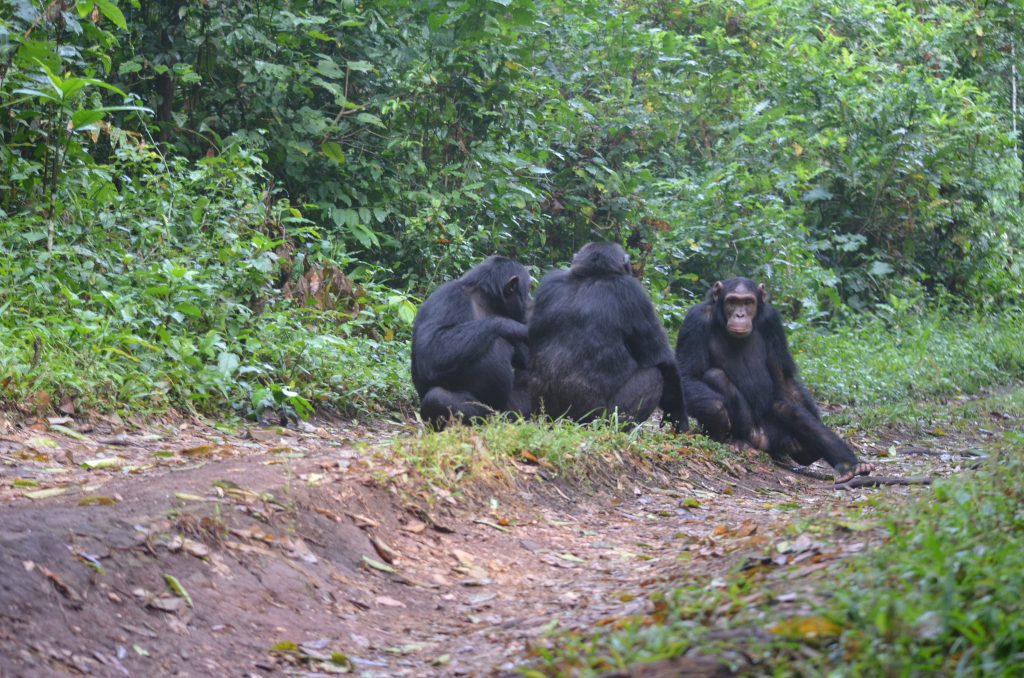
Chimpanzee trekking in Rwanda is available throughout the year, although some seasons provide more comfortable trekking conditions.
The dry seasons, typically from June to September and December to February, are considered the best periods for trekking. During these months, forest trails are less slippery and hiking conditions are generally easier.
Rainy seasons transform Nyungwe Forest into an exceptionally lush and vibrant rainforest. While trekking conditions become muddier, the scenery is spectacular and visitor numbers are often lower.
Some travelers prefer the quieter atmosphere of the rainy season, while others choose the dry months for easier hiking and photography opportunities.
Regardless of the season, chimpanzee trekking in Nyungwe National Park remains a remarkable wildlife experience.
Planning a Family Trip around the Chimpanzee Trekking Age Limit
Families visiting Rwanda should carefully plan activities when traveling with children under 15 years old.
Since younger children cannot participate in chimpanzee trekking, many families organize separate activities during trekking hours. Adults may go trekking while children enjoy canopy walks, cultural tours, or guided nature experiences.
For example, parents might join an early morning chimpanzee trek while younger family members participate in bird watching or tea plantation visits nearby. Later, everyone can reunite to share their experiences.
Planning ahead allows families to maximize their enjoyment of Nyungwe National Park while ensuring suitable activities for every age group.
Final Thoughts on Rwanda Chimpanzee Trekking Age Limits
The age restriction for chimpanzee trekking in Rwanda plays a vital role in promoting safe and sustainable wildlife tourism. By limiting participation to visitors aged 15 years and above, park authorities help protect both travelers and chimpanzees while maintaining a respectful and controlled trekking environment. The regulation also contributes to conservation efforts by reducing health risks and minimizing unnecessary disturbance within the rainforest ecosystem.
Even though younger children are not allowed to join chimpanzee trekking activities, families visiting Nyungwe National Park can still enjoy many engaging experiences suitable for all ages. Activities such as canopy walks, guided nature walks, cultural visits, tea plantation tours, and birdwatching provide memorable alternatives for younger travelers.
Learning about the trekking guidelines before traveling helps families plan more effectively and choose activities that suit every member of the group. With proper preparation, visitors can fully enjoy the beauty, biodiversity, and adventure that Nyungwe Forest has to offer.