
Community-based Conservation at Volcanoes National Park
Community-based Conservation at Volcanoes National Park represents one of Rwanda’s most important approaches to protecting wildlife while improving the lives of people living around protected areas. Conservation is no longer viewed as an activity that should only involve governments, researchers, and international organizations. Instead, local communities have become essential partners whose knowledge, participation, and support determine the long-term survival of natural ecosystems.
Located in northern Rwanda, Volcanoes National Park is internationally recognized as one of the last remaining habitats of the endangered mountain gorillas. The park is part of the larger Virunga Conservation Area and protects ancient montane forests, bamboo zones, and unique biodiversity found within the Albertine Rift. While the park provides a safe environment for gorillas and other wildlife, its success depends greatly on the relationship between conservation authorities and neighboring communities.
For many years, communities living near protected areas faced challenges because conservation sometimes meant restrictions on accessing forest resources that people depended on for their daily needs. Rwanda recognized that protecting wildlife without addressing community needs could create conflicts and reduce support for conservation efforts. As a result, the country developed a community-centered approach where local people are included in decision-making, benefit from conservation activities, and actively participate in protecting natural resources.
Today, community-based conservation around Volcanoes National Park is considered a successful model because it creates a balance between biodiversity protection and social development. Through tourism revenue sharing, conservation education, alternative livelihood programs, habitat restoration, and community partnerships, Rwanda has demonstrated that people living near protected areas can become some of the strongest defenders of wildlife.
What Is Community-based Conservation and Why Is It Important?
Community-based conservation is an approach where local communities actively participate in protecting natural resources and wildlife while receiving social and economic benefits from conservation activities. Unlike traditional conservation models where protected areas were managed mainly by authorities, community-based conservation recognizes that people living near forests and wildlife habitats have an important role to play.
The success of conservation depends not only on protecting animals inside national parks but also on creating positive relationships with people outside park boundaries. Communities surrounding Volcanoes National Park interact with the landscape every day. They understand local environmental changes, wildlife movements, and challenges affecting natural resources. Their involvement provides valuable knowledge that supports conservation planning.
Rwanda adopted community-based conservation because human pressure around protected areas created challenges such as habitat loss, illegal activities, and human-wildlife conflicts. In areas where communities struggle economically, conservation restrictions alone may not be enough to prevent activities that threaten ecosystems. People need opportunities that allow them to benefit from protecting nature rather than depending on activities that damage it.
At Volcanoes National Park, community-based conservation focuses on creating shared responsibility. The Rwanda Development Board (RDB), local leaders, conservation organizations, and communities work together to protect mountain gorillas and their habitat. This partnership has helped transform conservation from a government responsibility into a collective effort.
One of the greatest achievements of this approach is changing local attitudes toward wildlife. When communities understand that healthy ecosystems create opportunities through tourism, employment, education, and improved infrastructure, they become motivated to protect the environment. Conservation becomes something that directly contributes to their future rather than an outside idea imposed upon them.
Rwanda’s 10% Tourism Revenue-Sharing Program and Community Benefits
One of the strongest examples of Rwanda’s commitment to community-based conservation is the tourism revenue-sharing program managed through the Rwanda Development Board. Under this initiative, a percentage of tourism revenue generated from national parks is returned to communities living around protected areas. For Volcanoes National Park, this program has helped strengthen relationships between conservation authorities and neighboring communities.
The revenue-sharing program was introduced to ensure that communities directly benefit from the presence of protected areas. Historically, people living near national parks often experienced restrictions related to land use and natural resource access, while the economic benefits of conservation were not always felt locally. Rwanda addressed this challenge by ensuring that tourism income supports projects that improve community wellbeing.
Through the program, funds have supported important community projects such as schools, water supply systems, roads, healthcare facilities, and other infrastructure developments. These projects improve living conditions while demonstrating the value of protecting Volcanoes National Park.
The program also creates a sense of ownership among local residents. When communities see that mountain gorilla tourism contributes to their development, they become more willing to support conservation initiatives and discourage activities that could threaten wildlife. Revenue sharing therefore acts as a bridge between tourism, conservation, and community development.
The Rwanda Development Board plays a key role in coordinating this approach by working with local authorities and communities to identify priority projects. This ensures that conservation benefits reach the people who live closest to protected areas.
However, revenue sharing is not only about financial benefits. It represents a change in conservation philosophy where communities are recognized as important stakeholders. By involving local people in conservation decisions, Rwanda has created a model where protecting wildlife and improving human livelihoods can happen together.
Gorilla Guardians Village: A Community Conservation Success Story
Another remarkable example of community-based conservation around Volcanoes National Park is the Gorilla Guardians Village, formerly known as Iby’Iwacu Cultural Village. This initiative demonstrates how communities can move from activities that once threatened conservation to becoming active supporters of wildlife protection.
The village was established to provide alternative livelihoods for former forest users, including individuals who had previously depended on activities such as illegal hunting or resource extraction from the forest. Instead of excluding these people from conservation efforts, the program created opportunities for them to become conservation ambassadors.
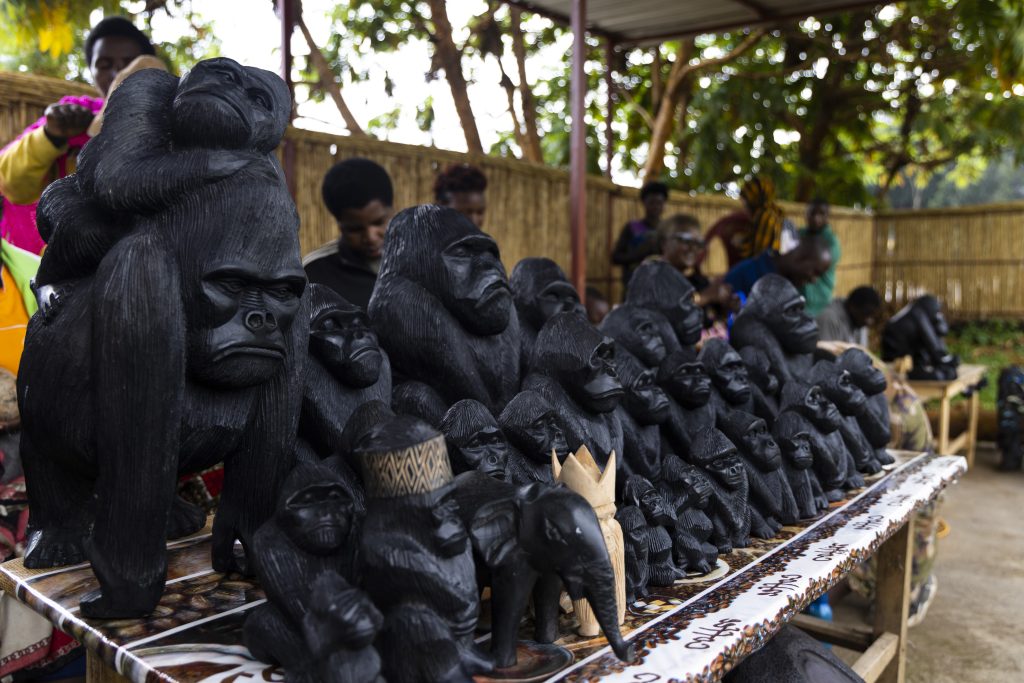
Through cultural experiences, traditional performances, handicrafts, and community activities, members of Gorilla Guardians Village earn income while educating visitors about Rwanda’s heritage and conservation journey. Former poachers have become some of the strongest voices encouraging others to protect mountain gorillas and their habitat.
The success of Gorilla Guardians Village shows that conservation works best when it addresses the reasons why people engage in activities that harm ecosystems. Providing alternative sources of income reduces pressure on protected areas and creates a stronger connection between communities and conservation goals.
The initiative also helps visitors understand the human side of conservation. Beyond seeing mountain gorillas in the forest, travelers learn about the communities whose efforts contribute to protecting these endangered animals.
Through this model, Volcanoes National Park demonstrates that conservation is not only about protecting wildlife from people but also about working with people to protect wildlife. Communities that were once viewed as a challenge have become valuable partners in safeguarding Rwanda’s natural heritage.

Community Anti-Poaching Initiatives and Local Conservation Participation
A major achievement of Community-based Conservation at Volcanoes National Park has been the transformation of local communities into active partners in protecting wildlife. Before strong community involvement became part of conservation planning, illegal activities such as hunting and forest resource extraction presented challenges to protected areas. Rwanda recognized that long-term conservation could not succeed through law enforcement alone. Local people needed to become part of the solution.
Community anti-poaching initiatives have played an important role in reducing threats to wildlife. Local residents, community leaders, conservation organizations, and park authorities work together to identify conservation challenges and promote responsible behavior. People living near the park often have valuable knowledge about activities taking place around the forest boundaries, making their involvement important in preventing illegal actions.
The Rwanda Development Board works closely with communities to strengthen conservation awareness and encourage reporting of illegal activities. Through education programs and community engagement meetings, residents learn about the importance of mountain gorillas, forest ecosystems, and the consequences of wildlife crimes.
Former hunters and forest users have also contributed significantly to conservation efforts. Instead of being excluded, some individuals have been encouraged to use their knowledge of the forest in positive ways. Their experiences help conservation teams understand historical challenges and develop better solutions.
Community participation has also improved trust between park authorities and residents. When communities feel respected and included, they are more likely to support conservation regulations and protect the park from external threats.
This approach demonstrates that protecting endangered species requires more than patrols and enforcement. It requires partnerships built on understanding, education, and shared responsibility. The mountain gorillas of Volcanoes National Park benefit because the people living around their habitat have become guardians of the ecosystem.
Habitat Restoration and Tree Planting Around Volcanoes National Park
Protecting mountain gorillas requires protecting the forests where they live. The success of community-based conservation at Volcanoes National Park depends greatly on maintaining healthy ecosystems beyond the park boundaries. Habitat restoration and tree planting programs have become important strategies for reducing environmental pressure and improving landscape resilience.
Communities surrounding Volcanoes National Park participate in activities that restore degraded areas and increase vegetation cover. Tree planting initiatives help reduce soil erosion, improve water conservation, and restore important habitats for different species. These activities are especially important in the volcanic highlands of northern Rwanda, where intensive land use has affected natural landscapes over time.
Local communities are encouraged to plant native tree species and participate in environmental protection programs. These activities create awareness about the connection between forests, climate regulation, agriculture, and wildlife conservation. When people understand that healthy forests support their own livelihoods, they become more committed to protecting natural resources.
Buffer zones around Volcanoes National Park also play an important role in reducing pressure on the protected area. These areas create a transition between human settlements and the park, helping limit activities that could negatively affect wildlife habitats. Community involvement in managing these zones strengthens conservation outside the official park boundaries.
Tree planting programs also provide social benefits. They can create temporary employment opportunities, improve access to sustainable resources, and support climate adaptation efforts. By combining environmental restoration with community development, Rwanda has created a conservation model that addresses both ecological and human needs.
The restoration of surrounding landscapes shows that conservation does not stop at the park fence. The future of Volcanoes National Park depends on protecting the wider environment and ensuring communities have the knowledge and resources needed to care for it.
The Role of Women’s Cooperatives in Conservation and Community Development
Women have become important contributors to community-based conservation efforts around Volcanoes National Park. Through cooperatives and income-generating groups, women participate in activities that improve household livelihoods while supporting environmental protection.
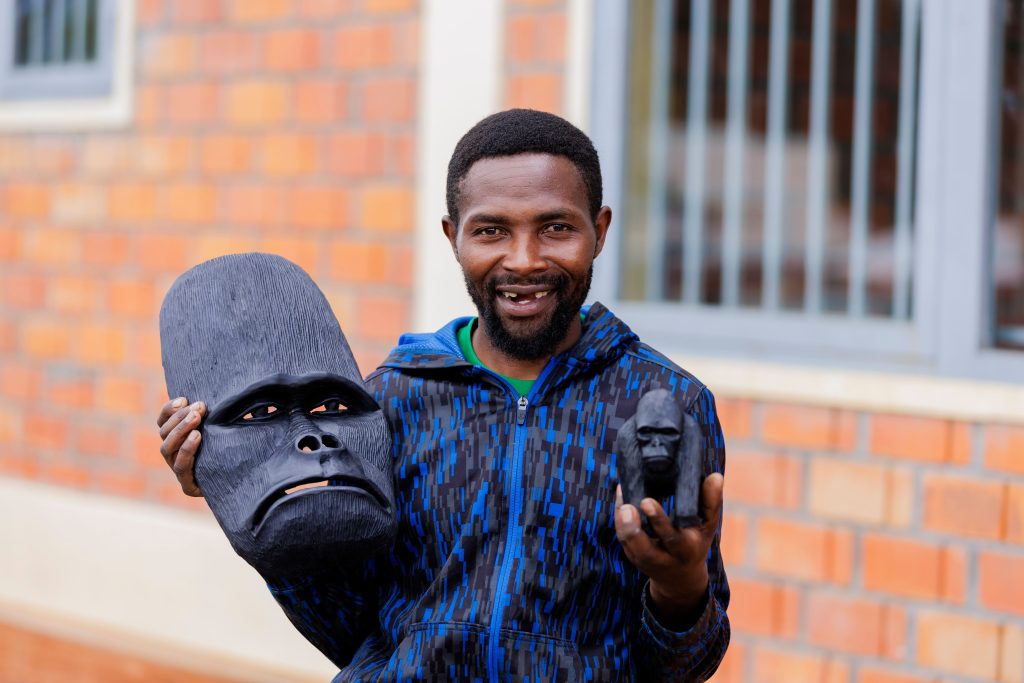
In many communities, women play a central role in managing household resources and educating younger generations. Supporting women through conservation-related programs strengthens families and creates wider community benefits. Several women’s cooperatives around the park produce handicrafts, textiles, traditional products, and agricultural goods that provide alternative sources of income.
These initiatives reduce economic dependence on activities that may negatively affect natural resources. When families have sustainable income opportunities, there is less pressure to use protected areas for survival needs. Women who benefit from these programs often become advocates for conservation within their communities.
Women’s groups also contribute to conservation education by sharing knowledge about environmental protection, responsible resource use, and sustainable livelihoods. Their involvement ensures that conservation messages reach homes, schools, and community networks.
The success of these cooperatives demonstrates that conservation is closely connected to social development. Protecting mountain gorillas is not only about wildlife management; it is also about creating opportunities that allow communities to improve their quality of life while preserving the environment.
By recognizing the role of women, Rwanda’s conservation programs have expanded participation beyond traditional conservation actors. Women are not only beneficiaries of conservation projects but also active leaders who contribute ideas, skills, and commitment toward protecting Volcanoes National Park.
Youth Conservation Clubs and Environmental Education
The future of conservation depends on preparing younger generations to understand and value nature. Around Volcanoes National Park, youth conservation programs and environmental education initiatives help create a generation that sees wildlife protection as a shared responsibility.
Schools and community organizations play an important role in introducing young people to conservation principles. Through environmental clubs, students learn about mountain gorillas, forest ecosystems, biodiversity, and the importance of sustainable resource use. These programs encourage young people to become environmental ambassadors within their families and communities.
Youth involvement is particularly important because many conservation challenges are long-term issues. Climate change, habitat protection, and biodiversity loss require future leaders who understand the relationship between human activities and environmental health.
Conservation education also helps correct misconceptions about protected areas. Young people learn that national parks are not only places for tourists but valuable ecosystems that provide benefits such as clean water, climate regulation, and opportunities for future generations.
Some youth programs involve practical activities such as tree planting, cleanliness campaigns, and awareness events. These experiences allow students to move beyond classroom learning and actively participate in protecting their surroundings.
By investing in environmental education, Rwanda ensures that conservation values continue beyond the current generation. Young people living near Volcanoes National Park are becoming important voices in promoting responsible behavior and protecting the natural heritage of their communities.
Sustainable Agriculture and Buffer Zone Management around Volcanoes National Park
One of the major challenges facing conservation areas worldwide is balancing wildlife protection with the needs of communities that depend on surrounding land for agriculture. Around Volcanoes National Park, many families rely on farming for their livelihoods. Therefore, successful community-based conservation requires approaches that support food production while reducing pressure on natural habitats.
Rwanda has promoted sustainable agriculture practices among communities living near the park to improve livelihoods and protect the environment. Farmers are encouraged to adopt methods that increase productivity while conserving soil, water, and biodiversity. These practices include improved farming techniques, soil conservation measures, agroforestry, and responsible land management.
Buffer zone management is another important strategy used to strengthen the relationship between communities and Volcanoes National Park. Buffer zones create a protective area between human settlements and the park, reducing direct pressure on the forest. These areas help minimize activities such as illegal resource collection while providing space where communities can engage in environmentally friendly activities.
Through sustainable agriculture programs, communities gain better opportunities to produce food without expanding farmland into sensitive ecosystems. This reduces habitat disturbance and helps maintain the natural environment required by mountain gorillas and other species.
Conservation authorities and local organizations also work with farmers to promote crops and practices that are suitable for the volcanic soils of the region. By improving agricultural productivity, families are less likely to depend on protected areas for additional resources.
The connection between agriculture and conservation is an important lesson from Volcanoes National Park. Wildlife protection cannot be separated from human wellbeing because communities and ecosystems share the same landscape. When farmers benefit from sustainable practices, they become partners in protecting nature.
This approach shows that community-based conservation is not only about preventing negative activities. It is also about creating positive solutions that allow people and wildlife to coexist successfully.
Community Rangers and Collaboration with Conservation Authorities
Community participation has strengthened the ability of conservation authorities to monitor and protect the ecosystem around Volcanoes National Park. While professional park staff and researchers provide technical expertise, local community members contribute valuable knowledge about the surrounding landscape.
Community rangers and conservation volunteers act as important links between local residents and park management. They help spread conservation messages, encourage responsible environmental practices, and support efforts to identify challenges affecting wildlife and habitats.
The Rwanda Development Board plays a central role in coordinating conservation activities within Volcanoes National Park. Through partnerships with communities, local governments, researchers, and conservation organizations, RDB ensures that conservation programs address both ecological and social priorities.
Community rangers also contribute to conservation education by speaking with households, schools, and community groups. Their local understanding helps create stronger communication because residents often relate more easily to conservation messages delivered by people from their own communities.
Collaboration between communities and conservation authorities has also improved trust. In the past, protected areas were sometimes viewed as places where communities had limited involvement. Today, the approach has changed, with communities recognized as important stakeholders in decision-making processes.
This partnership is particularly important for mountain gorilla conservation. Protecting a species that moves across forest ecosystems requires cooperation from everyone connected to the landscape. Park authorities alone cannot achieve long-term success without community support.
The experience of Volcanoes National Park demonstrates that conservation becomes stronger when local knowledge and scientific expertise work together. Community members are not simply people living near a protected area; they are essential partners in protecting it.
Managing Human-Wildlife Conflict through Community Solutions
Human-wildlife conflict is one of the most common challenges affecting communities located near protected areas. Around Volcanoes National Park, conflicts may occur when wildlife moves close to agricultural areas, creating concerns for farmers and conservation managers.
Effective community-based conservation recognizes that local people must feel protected and supported if they are expected to support wildlife conservation. If communities experience only the challenges of living near a national park without receiving assistance, negative attitudes toward wildlife can develop.
Rwanda has introduced different strategies to reduce human-wildlife conflict and strengthen relationships between communities and conservation authorities. These include improving park boundaries, creating awareness about wildlife behavior, encouraging reporting of conflicts, and supporting community-based solutions.
The construction and maintenance of boundary measures help reduce interactions between wildlife and farmland. Community involvement in monitoring these areas improves their effectiveness because local residents understand the challenges they face daily.
Education is also an important tool. Communities learn how to respond when wildlife approaches human settlements and why protecting endangered species benefits the wider environment. Conservation awareness helps replace fear and frustration with understanding and cooperation.
Compensation and support mechanisms also play a role in addressing concerns related to wildlife impacts. When communities feel that their challenges are recognized, they are more likely to participate positively in conservation efforts.
Human-wildlife conflict management shows why conservation must consider both people and animals. Protecting mountain gorillas requires creating conditions where communities view wildlife as an important part of their future rather than a threat to their livelihoods.
Why Community-based Conservation at Volcanoes National Park Has Been Successful
The success of community-based conservation at Volcanoes National Park comes from its inclusive approach. Rwanda has shown that conservation is strongest when communities are not treated as outsiders but recognized as important partners.
Several factors have contributed to this success. First, communities receive direct benefits from conservation through tourism revenue sharing, employment opportunities, and development projects. These benefits create a clear connection between protecting nature and improving daily life.
Second, conservation programs address the needs that influence environmental challenges. Instead of focusing only on stopping illegal activities, Rwanda has invested in alternative livelihoods, education, sustainable agriculture, and community empowerment.
Third, strong cooperation between the Rwanda Development Board, local communities, conservation organizations, and researchers has created coordinated conservation efforts. Each partner contributes different knowledge and resources needed to protect the park.
The recovery and protection of mountain gorillas is one of the clearest examples of what community involvement can achieve. While many factors have contributed to gorilla conservation success, the support of communities living around Volcanoes National Park remains one of the most important elements.
The approach has also changed how people view conservation. Communities that once interacted with the forest mainly for survival now participate in protecting it. This transformation demonstrates that conservation can succeed when people see themselves as beneficiaries and guardians of natural resources.
However, community-based conservation is an ongoing process. Continued investment, communication, and adaptation will be necessary to address future challenges such as climate change, population growth, and changing economic needs.
Future Opportunities for Strengthening Community-based Conservation
Although Rwanda has achieved significant progress, there are still opportunities to strengthen community-based conservation at Volcanoes National Park. Conservation is a continuous journey that requires adapting to new challenges while maintaining strong relationships with local communities.
Future efforts can focus on expanding sustainable livelihood opportunities, especially for young people and women. Creating more conservation-related businesses, environmentally friendly enterprises, and skills development programs can increase community participation.
Climate change will also require stronger cooperation between communities and conservation managers. Changing weather patterns, habitat changes, and environmental pressures may affect both wildlife and local livelihoods. Community involvement will be essential in developing solutions that protect ecosystems while supporting human resilience.
Technology and research can also support future conservation efforts. Improved monitoring systems, scientific research, and digital education tools can strengthen decision-making and increase community awareness.
Continued conservation education will remain important because each generation must understand the value of protecting natural resources. Young people who learn about conservation today will become future leaders, researchers, entrepreneurs, and conservation advocates.
The future of Volcanoes National Park depends on maintaining the partnership between people and nature. Community-based conservation provides a foundation for this relationship by ensuring that conservation benefits are shared and responsibilities are collective.
Rwanda’s experience demonstrates that protecting endangered species requires more than creating protected areas. It requires building partnerships, respecting local knowledge, and creating opportunities where communities and wildlife can thrive together.
Conclusion: Communities as Guardians of Volcanoes National Park
Community-based Conservation at Volcanoes National Park has transformed the relationship between people, wildlife, and protected area management. Through tourism revenue sharing, conservation education, sustainable livelihoods, habitat restoration, and community partnerships, Rwanda has created an approach where local people play a central role in protecting natural heritage.
The conservation of mountain gorillas is not only a story about protecting an endangered species. It is also a story about people working together toward a common goal. Communities surrounding Volcanoes National Park have become guardians of the forests and wildlife that share their landscape.
The lessons from Volcanoes National Park show that successful conservation must include the people who live closest to nature. When communities benefit from conservation and participate in decision-making, they become powerful partners in protecting biodiversity.
As environmental challenges continue to grow, Rwanda’s community-based approach provides an important example of how conservation can combine ecological protection with human development. The future of mountain gorillas and their forest habitat depends on this continued partnership between communities, conservation authorities, and the natural world.

Leave A Comment